 dolphinshave2stomachs
Related Articles
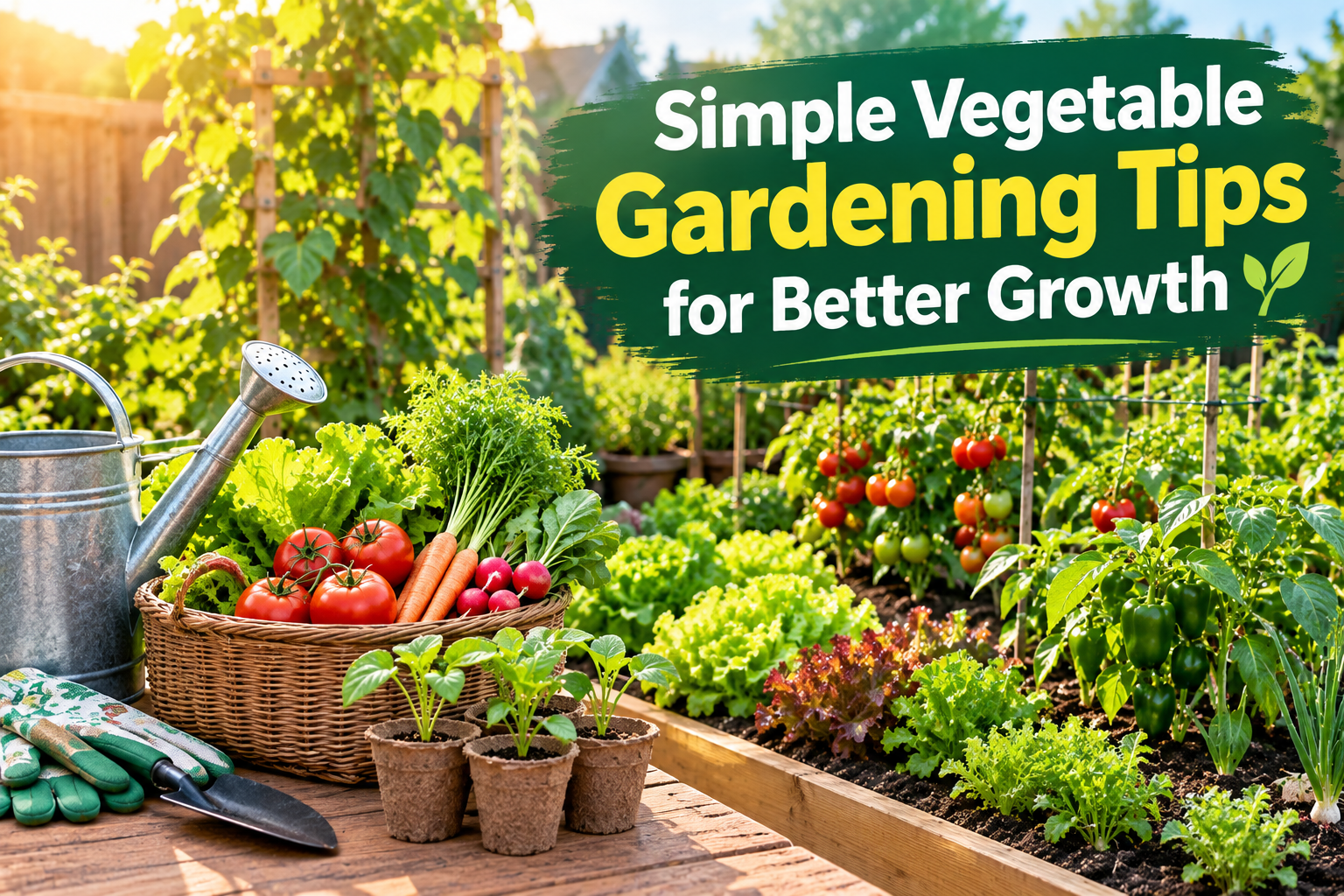
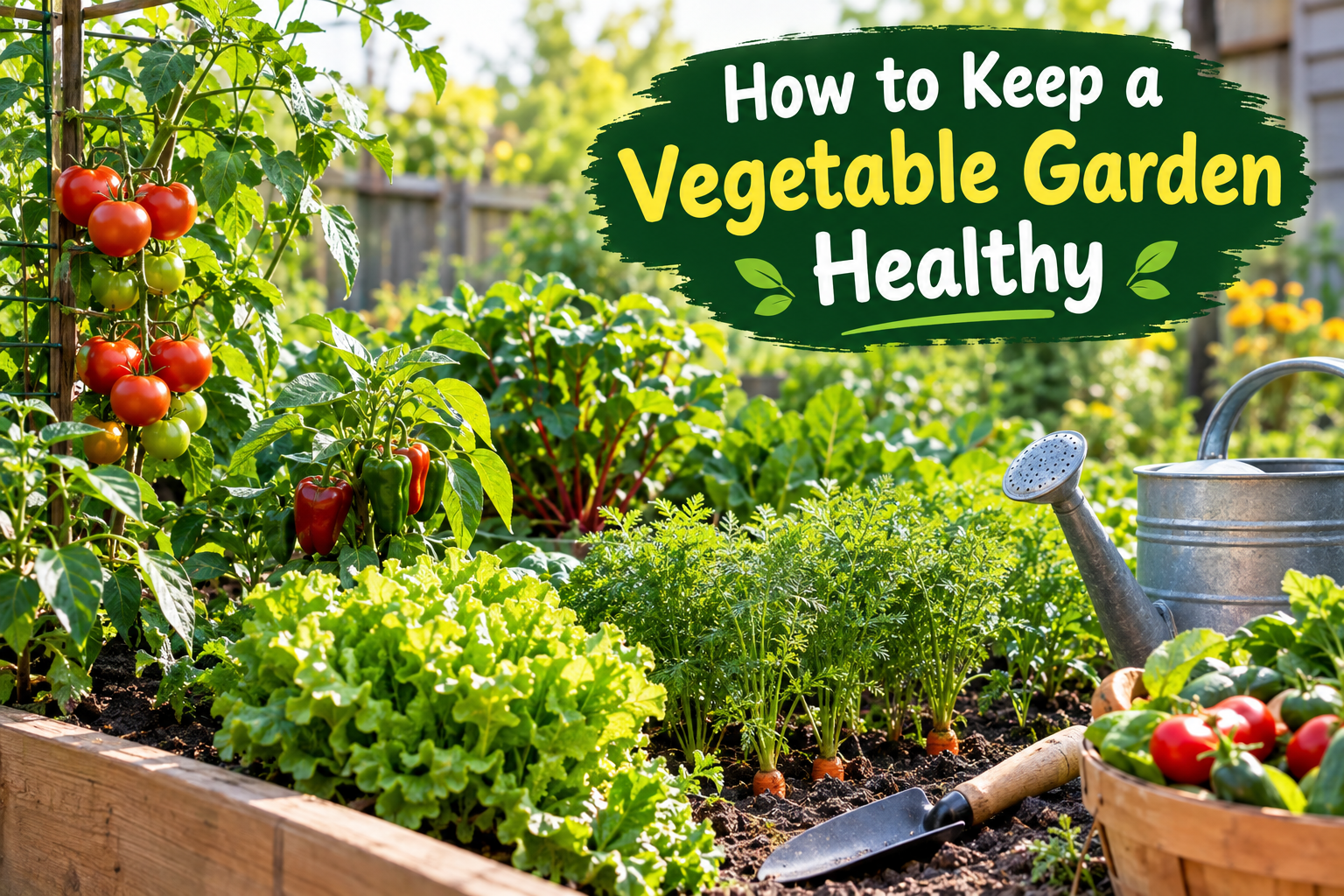
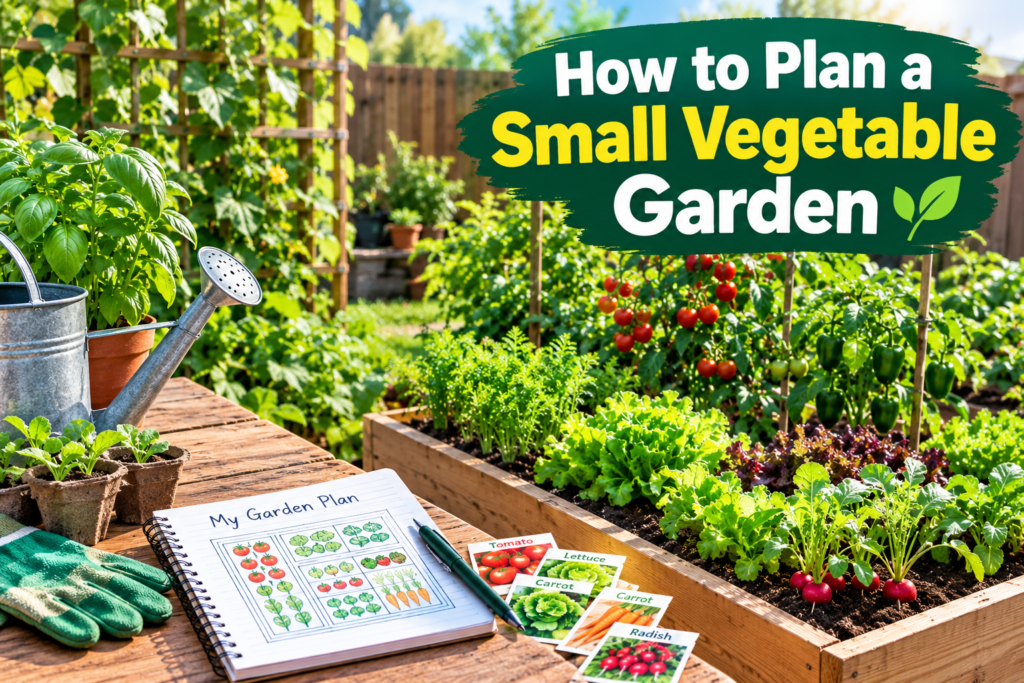
Planning a small vegetable garden can be one of the most rewarding things you can do at home. You do not need a large backyard or expensive equipment to grow fresh vegetables. Even a small space can produce tomatoes, lettuce, carrots, radishes, peppers, herbs, and many other useful crops when it is planned properly.
In my experience, the biggest mistake beginners make is trying to grow too many vegetables at once. A small garden works much better when you choose a few vegetables you actually enjoy eating and give each plant enough space, sunlight, water, and care. Good planning also makes gardening easier and helps you avoid wasting seeds, money, and time.
In this guide, I will explain how to plan a small vegetable garden step by step, from choosing the location to selecting vegetables and organizing the garden for a healthy growing season.
Choose the Right Location
The first step in planning a small vegetable garden is choosing the right location. Look around your yard, balcony, patio, or other available outdoor space and observe how much sunlight it receives during the day.
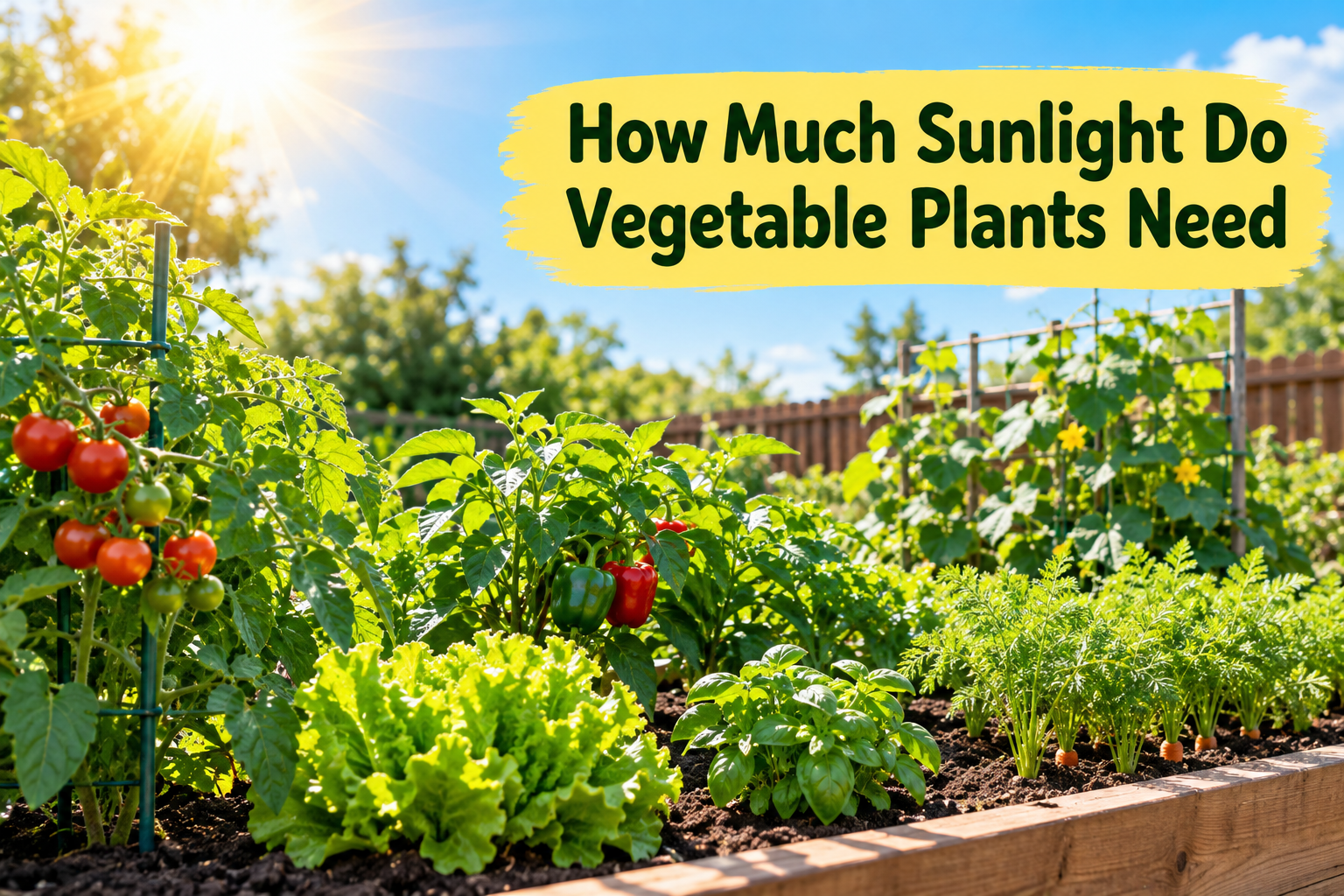
Most vegetables grow best with plenty of direct sunlight. Tomatoes, peppers, cucumbers, and many other common vegetables usually need several hours of sunlight each day. Leafy vegetables such as lettuce and spinach can tolerate somewhat less sunlight, especially in warmer conditions.
I recommend watching your chosen area for a full day before planting. Notice which areas receive morning sunlight, afternoon sunlight, and shade. This simple observation can help you choose a much better garden location.
Measure Your Available Space
Once you have selected the location, measure the available space. You do not need a complicated garden design. A simple piece of paper and a pencil can be enough.
For example, if you have an area that is 6 feet by 8 feet, draw a basic rectangle and divide it into smaller sections. You can use these sections for different vegetables.
Knowing the exact size of your garden helps prevent overcrowding. It also allows you to estimate how many plants you can realistically grow.
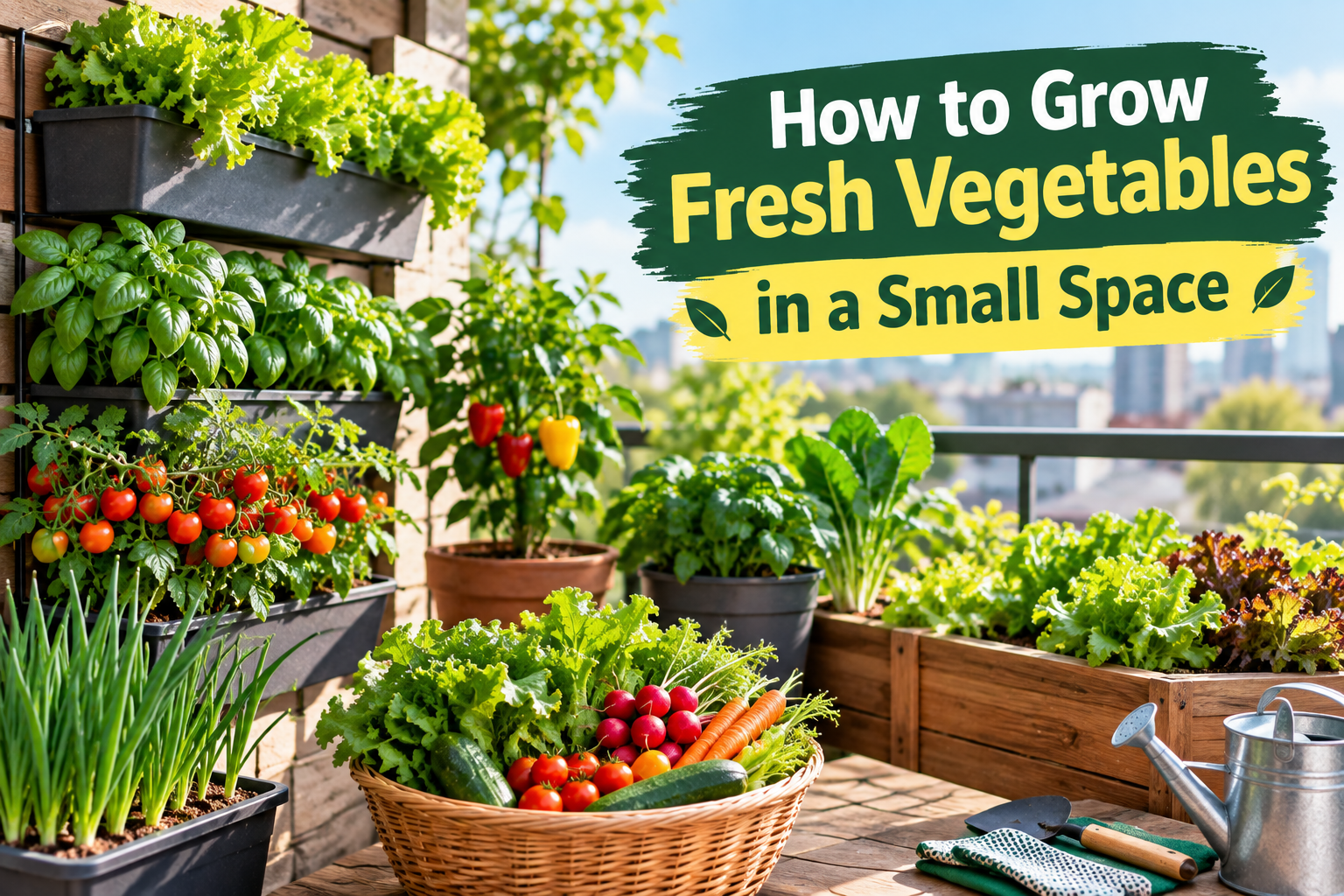
If your outdoor space is very small, consider using containers or raised beds. Containers can be placed on patios, balconies, and other areas where traditional gardening is difficult.
Decide What You Want to Grow
The next step is choosing vegetables. This is where I suggest keeping things simple, especially if you are a beginner.
Think about the vegetables you regularly eat. There is little benefit in growing something that your family does not enjoy. Choosing vegetables you already use in cooking can make gardening much more satisfying.
Some beginner friendly vegetables include tomatoes, lettuce, radishes, carrots, green beans, peppers, spinach, onions, and herbs.
You should also consider the climate and growing season in your area. Not every vegetable grows well at the same time of year. Before buying seeds, check the recommended planting season for your local climate.
Make a Simple Garden Layout
After choosing your vegetables, create a simple garden layout. Keep taller plants where they will not block sunlight from shorter plants.
For example, tomatoes and climbing beans can be placed toward the back or along a support structure. Lettuce, radishes, and carrots can be planted in front of them.
Try to keep each vegetable in an organized section. This makes watering, weeding, harvesting, and monitoring plants much easier.
You can also leave narrow paths between sections if your garden is large enough. Being able to reach your plants without stepping on the soil is important.
Consider Raised Beds
Raised beds are a practical option for small vegetable gardens. They provide a defined growing area and can make soil management easier.
A raised bed does not need to be large. Even a small bed can produce a useful amount of vegetables when planted efficiently.
You can fill the bed with quality soil and organic matter. Good soil supports healthy root development and helps plants receive the nutrients they need.
If you do not want to build a raised bed, you can create a garden directly in the ground or use containers. The best option depends on your available space, budget, and personal preference.
Plan the Soil
Healthy soil is one of the most important parts of a successful vegetable garden. Before planting, examine the soil in your chosen area.
If the soil is hard, compacted, or poor in organic matter, improve it before planting. Adding suitable compost or other organic material can help improve soil structure.
Avoid assuming that more fertilizer always means better growth. Too much fertilizer can create problems for plants. It is better to understand what your soil needs and use garden products according to their instructions.
For container gardening, use a quality potting mix designed for containers rather than simply filling pots with heavy garden soil.
Think About Watering
Your small vegetable garden should be located somewhere that is easy to water. This is one reason I prefer keeping a garden relatively close to the house.
Vegetables need consistent moisture, particularly when they are young or when temperatures are high. However, constantly waterlogged soil can cause problems as well.
Check the soil regularly instead of watering automatically without looking at it. The amount of water required will depend on the weather, soil type, container size, plant variety, and growing stage.
A watering can is enough for a small garden, although a simple drip irrigation system can make watering more convenient.
Use Space Efficiently
A small garden requires smart use of available space. Instead of planting everything in large rows, consider growing vegetables in compact sections.
Leafy greens can often fit into relatively small areas. Radishes and carrots can also be useful choices when space is limited.
Vertical gardening is another excellent option. Plants such as climbing beans and cucumbers can grow upward when provided with appropriate support.
Containers can also help you take advantage of unused areas. Herbs can grow in small pots, while larger containers can be used for tomatoes or peppers when suitable varieties are selected.
Avoid Planting Too Much
One of the most important lessons I have learned about small vegetable gardens is that more plants do not always mean more vegetables.
Overcrowded plants compete for sunlight, water, nutrients, and air circulation. They can also become more difficult to inspect and maintain.
Read the seed packet or plant information for recommended spacing. It may feel strange leaving empty space between small seedlings, but those seedlings will grow.
Start with a manageable number of plants. You can always expand your garden later after gaining experience.
Create a Planting Schedule
A planting schedule can make your garden much easier to manage. Write down which vegetables you want to plant and their recommended planting periods.
Some vegetables can be planted in succession. For example, instead of planting all your radish seeds at once, you may plant smaller amounts at different times when local growing conditions allow.
This can help spread out your harvest instead of producing a large amount of one vegetable at the same time.
Keep a simple gardening notebook. Record planting dates, varieties, weather observations, harvesting dates, and problems you notice. These notes can become extremely useful during future growing seasons.
Think About Companion Planting
Companion planting is another idea you can consider when planning a small vegetable garden. It involves growing certain plants near one another based on traditional gardening practices and observations.
For a beginner garden, the main goal should not be creating a complicated companion planting system. Focus first on sunlight, spacing, watering, soil, and seasonal suitability.
You can experiment with different combinations over time and record which arrangements work well in your own garden.
Plan for Pests and Problems
Even a well planned vegetable garden can experience pests and diseases. Planning ahead makes it easier to notice problems early.
Inspect your plants regularly. Look underneath leaves and around the stems for insects, damaged leaves, discoloration, or other unusual signs.
Good garden hygiene also matters. Remove seriously damaged plant material when appropriate and keep the growing area reasonably clean.
Avoid using pesticides unnecessarily. If you need a pest control product, identify the problem first and carefully follow the product label and local guidance.
Choose Easy Vegetables for Your First Garden
If this is your first vegetable garden, I recommend starting with a few relatively straightforward crops.
Lettuce can provide quick leafy harvests under suitable conditions. Radishes can mature relatively quickly. Herbs are useful because even a small amount can add flavor to many meals.
Tomatoes and peppers can also be rewarding, although they require more attention to sunlight, watering, and support depending on the variety.
Green beans can be another useful choice because some varieties make good use of vertical space.
Your final selection should depend on your local climate, available sunlight, garden size, and the vegetables your household actually enjoys.
Keep Your Garden Easy to Maintain
When planning a small vegetable garden, remember that you will have to take care of it regularly. A beautiful design is not useful if it becomes difficult to maintain.
Keep plants where you can easily reach them. Leave enough space to inspect leaves and harvest vegetables. Store basic tools nearby if possible.
I also recommend checking the garden for a few minutes every day or several times a week. Small problems are usually easier to manage when they are noticed early.
Final Thoughts
Learning how to plan a small vegetable garden does not have to be complicated. Start by choosing a sunny and convenient location, measure the available space, select vegetables that suit your climate and your meals, and create a simple layout.
Focus on healthy soil, proper spacing, reliable watering, and manageable plant numbers. Use containers, raised beds, and vertical supports when they make better use of your available space.
Most importantly, do not worry about making everything perfect during your first growing season. Gardening is a learning process. Some plants may grow beautifully while others may struggle, and that is completely normal.
A small vegetable garden can provide fresh produce, useful gardening experience, and a rewarding connection with nature. With careful planning and regular attention, even a limited space can become a productive and enjoyable garden.