 dolphinshave2stomachs
Related Articles
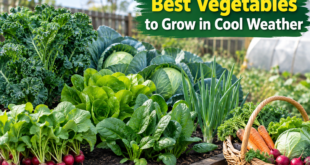
Winter does not mean the gardening season has to end. In fact, I have found that winter can be one of the most enjoyable times to grow vegetables, especially when the weather is cool and the soil is well prepared. Many vegetables actually prefer cooler temperatures because they can grow steadily without the stress caused by extreme summer heat.
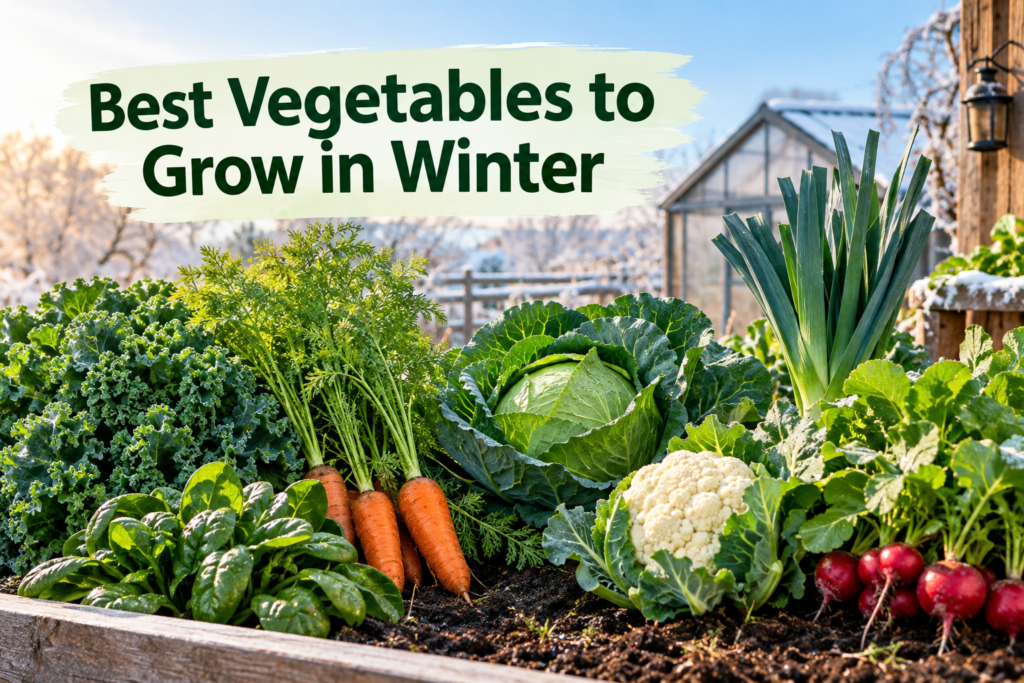
Choosing the right winter vegetables is important because not every plant can handle cold weather. Vegetables such as spinach, carrots, radishes, peas, cabbage, cauliflower, broccoli, kale, lettuce, and onions are some of the best choices for a winter garden. With proper planning, good soil, enough sunlight, and regular watering, you can enjoy fresh vegetables throughout the colder months.
In this article, I will share some of the best vegetables to grow in winter and explain what makes each one useful for a home garden.
Spinach
Spinach is one of my favorite vegetables for a winter garden because it grows well in cool weather and does not require a lot of space. It can be grown in garden beds, containers, or even small balcony gardens.
Spinach prefers fertile soil and regular moisture. You can harvest the outer leaves while allowing the plant to continue producing new growth. This makes spinach a practical choice when you want a vegetable that provides repeated harvests.
One advantage of growing spinach in winter is that the cooler weather can help the leaves remain tender and flavorful. Plant spinach in an area that receives several hours of sunlight each day for healthy growth.
Carrots
Carrots are another excellent choice for winter gardening. They grow underground, so they are naturally protected from some cold weather conditions. They also do well in loose, well drained soil.
Before planting carrots, I recommend removing stones and large pieces of debris from the soil. Carrots need space to develop straight roots. Heavy or compacted soil can cause misshapen roots.
Depending on the variety and growing conditions, carrots can take several weeks to mature. The good thing is that you do not necessarily need to harvest all of them at once. You can pull them when they reach a useful size and leave the remaining roots in the soil for later.
Radishes
If you are looking for a fast growing winter vegetable, radishes are worth considering. They are simple to grow and can produce a harvest relatively quickly.
Radishes grow best in loose soil with regular moisture. Seeds can be planted directly into the garden, making them convenient for beginners.
I also like radishes because they do not require a large growing area. You can plant them between slower growing vegetables and make good use of available garden space. Harvesting them at the right time is important because mature radishes can become tougher and stronger in flavor if left in the soil too long.
Peas
Peas are a popular cool season vegetable and can be a great addition to a winter garden in suitable climates. They prefer cooler temperatures and can produce delicious pods when given the right conditions.
Peas usually need support as they grow, especially climbing varieties. A simple trellis, net, or garden support can help keep the plants upright.
The soil should have good drainage, and the plants should receive adequate sunlight. Regular watering is important, particularly when the plants begin flowering and producing pods.
Fresh peas picked directly from the garden have a sweetness that makes growing them worthwhile. They can also be used in soups, salads, rice dishes, and many other meals.
Cabbage
Cabbage is one of the most dependable winter vegetables for many home gardeners. It grows best during cool weather and can produce large, dense heads when given enough space.
Cabbage needs fertile soil because it develops a substantial amount of leafy growth. Adding mature compost before planting can help improve soil structure and provide organic matter.
When growing cabbage, keep an eye on insects that may feed on the leaves. Checking plants regularly makes it easier to notice problems before they become serious.
Different cabbage varieties mature at different rates, so checking the seed packet for expected maturity time can help with garden planning.
Broccoli
Broccoli is another excellent cool season crop. It can be grown in a home garden when temperatures are suitable, and the plants can provide nutritious harvests.
Broccoli requires fertile soil, regular watering, and plenty of sunlight. The main head is usually harvested first, but some varieties can produce smaller side shoots afterward.
One thing I have learned about growing broccoli is that timing matters. Extremely warm weather can affect head development, while suitable cool conditions can encourage better growth. For this reason, choosing the correct planting time for your local climate is important.
Cauliflower
Cauliflower can be slightly more demanding than some other winter vegetables, but it can still be a rewarding crop for home gardeners.
It needs fertile soil and consistent moisture. Sudden changes in growing conditions can affect the development of the head, so regular care is helpful.
Cauliflower prefers cool conditions, but the exact temperature requirements depend on the variety. When selecting seeds or seedlings, choose a variety that is suitable for your local growing season.
With patience and proper care, growing your own cauliflower can provide a fresh harvest for cooking.
Kale
Kale is a strong candidate for a winter vegetable garden because it tolerates cool conditions well. It can continue producing leaves while many warm season vegetables have stopped growing.
Kale can be harvested gradually. Instead of removing the entire plant, you can pick mature outer leaves and allow the center to continue growing.
It can also be grown in containers, which makes it useful for gardeners with limited space. Keep the soil reasonably moist and provide enough sunlight for healthy leaves.
For me, one of the biggest benefits of kale is its versatility. It can be added to soups, salads, vegetable dishes, and smoothies.
Lettuce
Lettuce is a useful winter vegetable for gardeners who want fresh salad ingredients. Many lettuce varieties prefer cool conditions and can grow successfully when temperatures are moderate.
Lettuce has relatively shallow roots, so it is important to keep the soil from becoming completely dry. At the same time, excessive water can create problems if the soil does not drain properly.
You can grow lettuce in containers, raised beds, or traditional garden plots. Leaf lettuce varieties are especially convenient because you can harvest individual leaves instead of waiting for a complete head to develop.
Onions
Onions are another useful vegetable to include in a winter garden. Depending on the variety and local climate, onions can be planted during the cooler growing season and allowed to develop gradually.
They prefer loose, fertile, well drained soil and a sunny location. Avoid planting onions in soil that remains constantly wet because excessive moisture can create root and bulb problems.
Onions are also practical because they are used in so many everyday meals. Growing them at home can give you a steady supply for cooking.
Garlic
Garlic is well suited to cool season gardening in many climates. It is usually planted from individual cloves, which then develop into bulbs underground.
Choose healthy planting cloves and place them in fertile, well drained soil. Garlic generally needs sunlight and consistent but not excessive moisture.
One benefit of garlic is that it does not require constant attention after planting. Once established, the plants can grow gradually while you focus on other parts of the garden.
Swiss Chard
Swiss chard is another leafy vegetable that deserves a place in a winter garden where conditions are suitable. It can provide colorful stems and nutritious green leaves.
It grows well in containers and garden beds, making it flexible for different spaces. Regular harvesting can encourage continued production.
If you want a vegetable that adds both practical value and visual interest to your garden, Swiss chard is a good option to consider.
Tips for Growing Vegetables in Winter
Growing winter vegetables is not difficult, but a few simple practices can make a noticeable difference.
First, choose the right planting time. Winter gardening depends heavily on local temperatures, so planting dates can vary from one region to another.
Second, prepare the soil before planting. Good soil should provide nutrients while allowing excess water to drain. Compost and other organic matter can improve soil structure and support healthy plant growth.
Sunlight is also important. Even though winter days may be shorter, most vegetables still need several hours of sunlight. Choose the brightest suitable location in your garden.
Watering should be consistent but not excessive. Cold weather can slow evaporation, meaning plants may not need as much water as they do during summer. Check the soil before watering rather than following a fixed schedule.
Mulching can also help. A layer of suitable organic mulch around plants can help maintain soil moisture and protect roots from temperature changes.
Finally, inspect your plants regularly. Winter does not completely eliminate pests and diseases. Early detection makes garden problems much easier to manage.
How to Protect Winter Vegetables
In areas where temperatures become particularly cold, simple protection can help extend the growing season. Garden fabric, low tunnels, cold frames, and other protective structures can shield plants from harsh conditions.
Containers can also be moved to a more protected location when necessary. If you are growing vegetables in a raised bed, placing it somewhere protected from strong winds can provide additional benefits.
However, avoid creating an environment that is too warm or poorly ventilated. Plants still need fresh air and suitable growing conditions.
Final Thoughts
Growing vegetables in winter can be a rewarding experience, especially when you choose crops that naturally prefer cooler conditions. Spinach, carrots, radishes, peas, cabbage, broccoli, cauliflower, kale, lettuce, onions, garlic, and Swiss chard are all useful vegetables to consider for a winter garden.
In my opinion, the best approach is to start with a few vegetables that match your local climate and available space rather than trying to grow everything at once. Once you understand how your garden behaves during winter, you can gradually add more crops.
A successful winter garden does not require expensive equipment or a huge amount of space. Good soil, suitable vegetables, sunlight, proper watering, and regular observation can take you a long way. With a little planning, the colder months can become another productive season for growing fresh vegetables at home.