 dolphinshave2stomachs
Related Articles
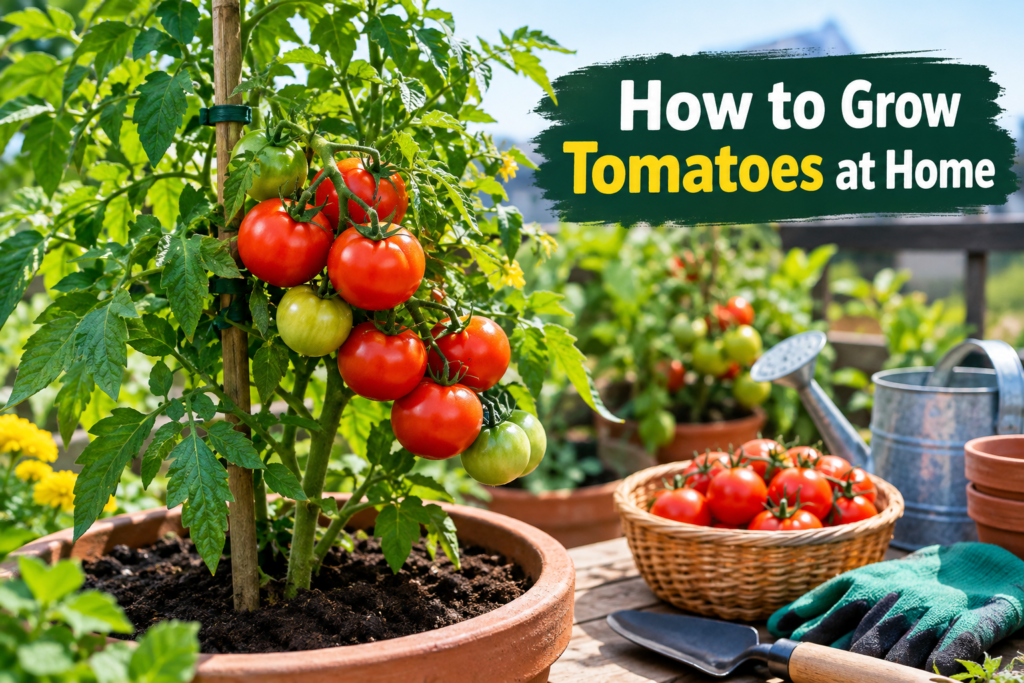
Growing tomatoes at home is one of the most rewarding things I have found in gardening. Tomatoes do not require a huge garden, and with the right sunlight, soil, water, and care, you can grow healthy plants even in containers on a balcony or small outdoor space. I also like growing tomatoes at home because freshly picked tomatoes usually taste much better than tomatoes that have been stored and transported for several days.
If you are wondering how to grow tomatoes at home, the good news is that the process is quite simple once you understand the basic requirements. In this guide, I will explain how to choose tomato plants, prepare the soil, plant tomatoes, provide proper care, deal with common problems, and harvest your tomatoes at the right time.
Choose the Right Tomato Variety
The first step in growing tomatoes at home is choosing a suitable variety. There are many types of tomatoes, including cherry tomatoes, Roma tomatoes, slicing tomatoes, and larger heirloom varieties.
For beginners, I usually recommend smaller varieties because they can be easier to manage. Cherry tomatoes are especially suitable for containers and small gardens. They can produce a large number of fruits when they receive enough sunlight and water.
You should also consider the available space. Some tomato plants remain relatively compact, while others grow tall and require strong support. Determinate varieties generally grow to a more limited size, while indeterminate varieties can continue growing and producing fruit for a longer period.
Select a Sunny Location
Tomatoes love sunlight. One of the most important tomato growing tips is to choose a location where the plant can receive plenty of direct sunlight each day.
A sunny garden bed can work very well, but you can also grow tomatoes on a balcony, patio, rooftop, or sunny windowside area if the conditions are suitable.
Before planting, observe the area during the day. Make sure nearby walls, trees, or buildings are not blocking too much sunlight. Good sunlight helps tomato plants grow stronger and supports flowering and fruit production.
Prepare Good Soil
Healthy soil is another important part of growing tomatoes at home. Tomato plants need soil that drains well while still holding enough moisture for the roots.
If you are planting tomatoes in the ground, loosen the soil before planting. Adding mature compost can improve soil structure and provide organic matter.
For container gardening, use a good quality potting mix rather than heavy garden soil. Choose a container with drainage holes because excess water around the roots can cause problems.
I prefer using a container that is large enough to give the tomato roots plenty of room. A small pot can dry out quickly and may restrict root growth.
Plant Tomatoes Correctly
Once you have selected the location and prepared the soil, it is time to plant.
If you are starting with a young tomato plant, remove the lower leaves carefully and plant it somewhat deeper than many other vegetables. Tomato plants can develop roots along the buried stem, which can help create a stronger root system.
Place the plant into the prepared soil and gently cover the roots and lower stem. Avoid pressing the soil too hard around the plant.
After planting, water the soil thoroughly. This helps settle the soil around the roots and gives the plant a good start.
If you are growing several tomato plants, leave enough space between them for air movement and growth. Crowded plants can become difficult to manage and may have more problems with diseases.
Water Tomato Plants Properly
Watering is one of the areas where beginners often make mistakes. Tomato plants need consistent moisture, but they do not like constantly wet soil.
I prefer checking the soil before watering rather than following a strict schedule. If the top layer feels dry, it is usually time to water.
Water deeply around the base of the plant instead of constantly sprinkling the leaves. Watering the leaves regularly can increase the risk of some fungal problems, especially when the foliage stays wet for long periods.
During hot weather, container grown tomatoes may need more frequent watering because pots can dry out faster than garden soil.
The goal is to maintain relatively consistent moisture. Allowing the plant to become extremely dry and then giving it a large amount of water can sometimes contribute to problems such as fruit cracking.
Give Tomatoes Proper Support
As tomato plants grow, many varieties need support. Without support, stems can bend or fall onto the ground under the weight of the fruit.
You can use a tomato cage, wooden stake, or other suitable garden support. Install the support early so you do not disturb the roots later.
Tie the plant gently to the support using soft garden ties. Avoid tying the stem too tightly because the stem becomes thicker as the plant grows.
Supporting tomatoes also keeps the fruit away from the soil and can make harvesting easier.
Feed Your Tomato Plants
Tomatoes need nutrients to produce healthy foliage, flowers, and fruit. Compost can be useful when preparing the soil, while a balanced vegetable fertilizer can provide additional nutrients when needed.
Avoid assuming that more fertilizer will always produce more tomatoes. Excessive fertilizer, particularly too much nitrogen, can encourage leafy growth while reducing fruit production.
Follow the instructions on the fertilizer package and consider the condition of your soil and plant. A healthy tomato plant should have strong green foliage and good flowering without excessive weak growth.
Prune When Necessary
Pruning can help keep some tomato plants organized, particularly indeterminate varieties. You can remove damaged, diseased, or unnecessary growth with clean gardening tools.
Some gardeners also remove suckers that develop between the main stem and branches. Whether you need to do this depends on the tomato variety and your preferred growing method.
I would not recommend aggressive pruning for beginners. It is better to learn how your particular variety grows before removing large amounts of healthy foliage.
Healthy leaves are important because they help the plant produce energy through photosynthesis.
Protect Tomatoes From Pests
Tomato plants can attract several garden pests. Common problems can include aphids, caterpillars, whiteflies, and other insects.
The easiest approach is regular inspection. Look under leaves and around new growth because pests can sometimes hide in these areas.
If you notice a small number of insects, removing them manually may be enough. For larger problems, choose an appropriate garden treatment and always follow its label instructions.
Keeping the garden clean can also help. Remove severely damaged leaves and fallen plant material when appropriate.
Watch for Tomato Plant Diseases
Tomatoes can experience diseases when conditions are unfavorable. Poor air circulation, excessive moisture, and contaminated plant material can contribute to certain problems.
Yellowing leaves do not always mean disease. Nutrient problems, watering issues, aging leaves, and environmental stress can also cause changes in leaf color.
For this reason, I recommend looking at the whole plant rather than reacting to one symptom. Check the soil moisture, sunlight, recent weather, leaves, stems, and fruit.
Good spacing and watering the soil rather than the foliage are simple habits that can support healthier plants.
Help Your Plants Produce Fruit
Tomato flowers need successful pollination before fruit can develop. Outdoor tomato plants usually benefit from natural pollinators and air movement.
If you are growing tomatoes in a sheltered location, gently shaking the plant or flower clusters can sometimes help move pollen between flowers.
Once flowers appear, continue providing adequate sunlight, water, and nutrients. Avoid major changes in watering whenever possible.
Consistent care during flowering and fruit development can make a noticeable difference in the final harvest.
Growing Tomatoes in Containers
One of my favorite things about growing tomatoes at home is that you do not necessarily need a traditional garden.
Container tomato gardening works well when you have limited outdoor space. Choose a large container with drainage holes and use a quality potting mix.
Place the container in a sunny location and provide support as the plant grows.
Container plants require closer attention to watering because their soil can dry out faster. On very hot days, check the soil more frequently.
Cherry tomatoes and compact tomato varieties are often convenient choices for container gardening.
When to Harvest Tomatoes
Knowing when to harvest tomatoes is just as important as knowing how to grow them.
Most tomatoes are ready when they develop their expected mature color and feel slightly soft when gently touched. The exact color depends on the variety.
You can pick tomatoes when they are fully ripe for the best flavor. If weather conditions or pests are becoming a concern, you may also harvest some fruit earlier and allow it to finish ripening indoors.
Handle tomatoes gently during harvesting. Avoid pulling hard on the plant because you can damage the stem or nearby fruit.
Regular harvesting can also encourage the plant to continue producing, depending on the variety and growing conditions.
Common Tomato Growing Mistakes
There are several mistakes I see beginners make when learning how to grow tomatoes at home.
The first is choosing a location without enough sunlight. Tomatoes need strong light to grow and produce fruit.
The second is inconsistent watering. Plants that repeatedly become very dry and then receive excessive water can struggle.
Another mistake is using a container that is too small. Tomato roots need enough space to develop properly.
Overfertilizing is another common problem. More fertilizer does not automatically mean more tomatoes.
Finally, do not ignore plant support. A healthy tomato plant can become surprisingly large and heavy once fruit begins developing.
Final Thoughts
Learning how to grow tomatoes at home does not have to be complicated. Start with a suitable variety, provide plenty of sunlight, use healthy soil, water consistently, and give the plant enough space and support.
I think tomatoes are an excellent vegetable for anyone who wants to start home gardening because you can see the entire process from a small plant to flowering and finally harvesting fresh fruit.
The most important thing is to pay attention to your plants. Check the soil, look for pests, observe new growth, and notice how the plant responds to weather and watering. With a little patience and regular care, growing tomatoes at home can become an enjoyable part of your gardening routine.
Whether you have a backyard garden, patio, balcony, or a few large containers, you can give tomato gardening a try and enjoy the satisfaction of picking fresh tomatoes that you have grown yourself.