 dolphinshave2stomachs
Related Articles
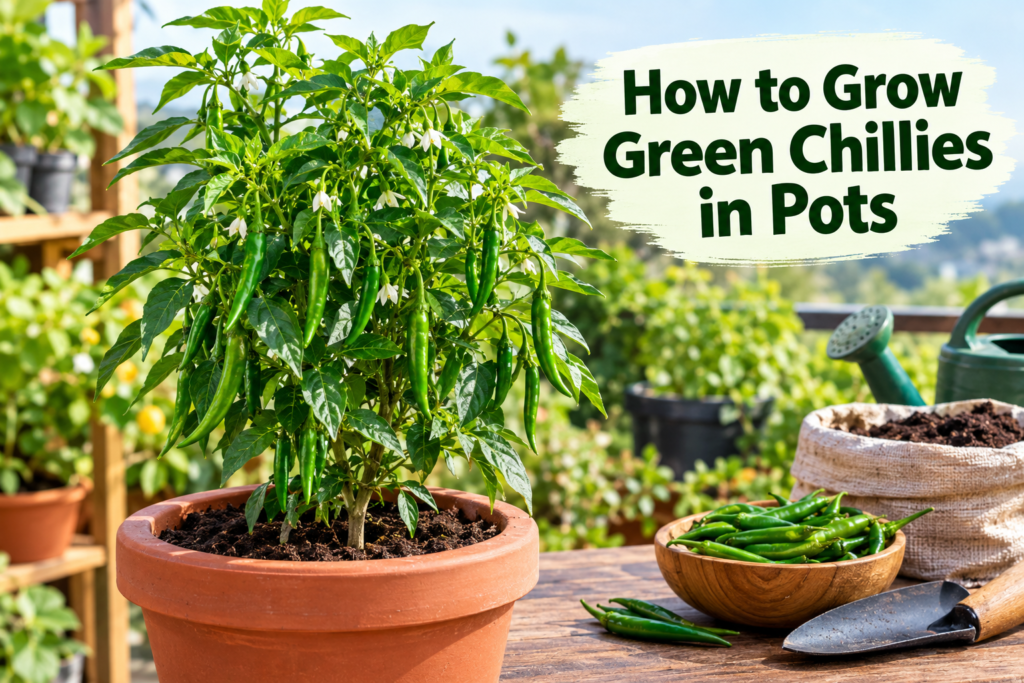
Growing green chillies in pots is one of the easiest and most rewarding ways to enjoy fresh chillies at home. You do not need a large garden or a lot of gardening equipment. With a suitable pot, good soil, enough sunlight, regular watering, and a little patience, you can grow healthy green chilli plants on a balcony, terrace, patio, or small outdoor space.
I personally like growing green chillies in pots because they take up limited space and can provide a useful supply of fresh chillies for everyday cooking. The plants can also look attractive when they become full of green leaves, flowers, and colourful chillies.
If you are wondering how to grow green chillies in pots successfully, this guide covers everything from choosing the right pot and soil to planting seeds, caring for the plant, dealing with common problems, and harvesting fresh chillies.
Choose the Right Green Chilli Variety
The first step is choosing a suitable green chilli variety. There are many types of chillies available, and they can differ in size, heat level, shape, and growing habit.
For container gardening, I prefer varieties that produce plenty of fruit without becoming extremely large. You can buy seeds from a trusted garden shop or use healthy chilli seeds collected from mature chillies.
If you are a beginner, starting with a variety that grows well in your local climate can make the process easier. Local varieties are often a practical choice because they are already adapted to the conditions in the area.
Select a Suitable Pot
Choosing the right pot is very important when growing green chillies in containers. A chilli plant needs enough room for its roots to develop properly.
A pot around 12 inches deep and wide can work well for one mature chilli plant. Larger containers can also be used if you have enough space.
The most important feature is drainage. Make sure the pot has several drainage holes at the bottom. Extra water needs somewhere to escape because constantly wet soil can damage the roots.
I also recommend using a sturdy pot because a healthy chilli plant can become quite large and heavy once it starts producing fruit.
Prepare Good Potting Soil
Green chilli plants grow best in fertile soil that drains well. Avoid using heavy garden soil alone in a container because it can become compacted and may not provide enough drainage.
A good potting mixture can contain quality garden soil, compost, and a material that improves drainage. The goal is to create soil that holds enough moisture while allowing excess water to drain away.
Before planting, mix the soil thoroughly and remove large stones, roots, and other unwanted material. Good soil preparation gives your chilli plant a strong beginning.
Adding mature compost can also provide organic matter and nutrients that support healthy growth.
How to Plant Green Chilli Seeds
If you are starting green chillies from seeds, begin with healthy seeds. You can plant several seeds in a small seed tray or individual small containers before moving the strongest seedlings into their final pots.
Place the seeds in moist soil and cover them lightly. Do not bury them too deeply because young seedlings need to reach the surface.
Keep the soil slightly moist while waiting for germination. Avoid soaking the soil.
Once seedlings appear, provide them with good sunlight and allow them to develop several healthy leaves. When the seedlings become strong enough to handle transplantation, move them carefully into larger pots.
If you prefer a faster start, you can purchase a healthy chilli seedling from a nursery and plant it directly into a suitable container.
Give Your Chilli Plant Enough Sunlight
Sunlight is one of the most important factors when growing green chillies in pots. Chilli plants generally perform best when they receive several hours of direct sunlight each day.
Place your pot in the brightest suitable location available. A sunny balcony, terrace, patio, or garden area can work well.
If a plant receives too little light, it may become weak and produce fewer flowers and fruits. Healthy sunlight exposure encourages stronger stems, better leaf growth, and fruit production.
During extremely hot weather, however, watch the plant carefully. If the leaves appear stressed or the pot becomes excessively hot, some protection from intense afternoon heat may be helpful.
Water Green Chillies Properly
Watering is another important part of chilli plant care. The soil should remain reasonably moist, but it should not stay soaked.
I usually recommend checking the top layer of soil before watering. If it feels dry, give the plant a thorough watering until some water begins to come through the drainage holes.
Avoid watering automatically every day without checking the soil. Weather, pot size, sunlight, and plant growth all affect how quickly the soil dries.
During hot weather, container plants may need water more frequently. During cooler or rainy periods, they may need much less.
Good drainage is just as important as watering because healthy roots need both moisture and air.
Fertilize the Plant Regularly
Green chilli plants need nutrients to produce healthy leaves, flowers, and fruits. If the potting soil is fertile, the plant may grow well initially, but nutrients can become depleted as the plant continues producing.
A balanced vegetable fertilizer or suitable organic fertilizer can be used according to the product instructions.
Avoid adding excessive fertilizer because more fertilizer does not necessarily mean faster growth. Too much fertilizer can damage the roots or encourage excessive leafy growth.
Once the plant starts flowering and producing chillies, proper nutrition can support continued fruit production.
Encourage Bushier Growth
When a young chilli plant has developed enough growth, gentle pruning or pinching can sometimes encourage a bushier shape. This can result in more branches and potentially more places for flowers and fruit to develop.
However, I would avoid aggressive pruning, especially if the plant is already healthy and producing flowers.
The main goal is to maintain a strong, well shaped plant rather than removing large amounts of healthy growth.
Protect Green Chilli Plants From Pests
Growing green chillies in pots does not completely protect plants from pests. Aphids, whiteflies, spider mites, and other insects can sometimes attack chilli plants.
Check the leaves regularly, especially the undersides. Early detection makes pest problems easier to manage.
If you notice a small number of pests, gently washing the foliage with water can sometimes help. For more persistent problems, use a suitable garden treatment according to its label directions.
Good air circulation and proper watering can also help maintain healthier plants.
Support the Chilli Plant
As the chilli plant becomes larger and starts producing fruit, its branches can become heavy. A simple plant support can prevent branches from bending or breaking.
You can use a small garden stake or another suitable support and gently tie the plant with soft garden material.
Do not tie the stem too tightly. The plant needs room to grow naturally.
Supporting the plant is especially useful when it has many chillies hanging from its branches.
How Long Does It Take to Grow Green Chillies?
The time required to grow green chillies depends on the variety, temperature, sunlight, soil quality, and whether you start from seeds or seedlings.
Plants started from seeds usually need more time because they first have to germinate and develop into strong seedlings. Plants purchased from a nursery can begin producing chillies sooner.
Once the plant begins flowering, small chillies usually develop afterward. With suitable conditions, you can continue harvesting as new fruits appear.
Patience is important because chilli plants do not produce a large harvest overnight.
When to Harvest Green Chillies
Green chillies can usually be harvested when they have reached a useful size and have developed their typical shape and firmness.
Use clean scissors or pruning shears to cut the chillies from the plant instead of pulling them forcefully. This reduces the chance of damaging branches.
Regular harvesting can encourage the plant to continue producing flowers and fruits, depending on the variety and growing conditions.
If you prefer hotter or more mature chillies, you can allow some fruits to remain on the plant longer. As they mature, many chilli varieties change colour.
Common Problems When Growing Green Chillies in Pots
One common problem is yellowing leaves. This can have several causes, including overwatering, poor drainage, nutrient problems, or insufficient light.
Another issue is flowers falling without producing chillies. Temperature stress, watering problems, poor pollination, or other environmental conditions can contribute to this.
Slow growth can also occur when the plant does not receive enough sunlight or when the roots have limited space.
The best approach is to check the basic growing conditions first. Look at sunlight, soil moisture, drainage, nutrition, and pests before making major changes.
Final Thoughts
Learning how to grow green chillies in pots is a simple gardening project that can produce useful results even when you have limited space. With the right pot, fertile soil, good drainage, plenty of sunlight, careful watering, and regular plant care, a single chilli plant can become a productive addition to your home garden.
In my opinion, the biggest advantage of growing green chillies in pots is convenience. You can keep the plant close to your kitchen, monitor it easily, and pick fresh chillies whenever you need them.
Start with one or two healthy plants, learn how they respond to your local weather, and adjust your care routine as needed. Once you become comfortable with the process, you can grow several plants and enjoy fresh homegrown green chillies throughout the growing season.