 dolphinshave2stomachs
Related Articles
Spring is one of my favorite seasons for gardening because the weather becomes comfortable, the soil starts warming up, and plants have plenty of time to grow before the extreme heat of summer arrives. If you are planning a home vegetable garden, spring is a great time to start with vegetables that can handle mild temperatures and grow well with regular sunlight and watering.
In my experience, choosing the right vegetables makes gardening much easier, especially if you are a beginner. Some vegetables grow quickly and give you a harvest within a few weeks, while others need more time and space. The important thing is to understand your local weather, prepare the soil properly, and choose vegetables that match your growing conditions.
In this article, I will share some of the best vegetables to grow in spring and explain how you can give them the right care for a healthy harvest.
Lettuce
Lettuce is one of the easiest vegetables to grow in spring. It prefers cool to mild weather and can grow well in garden beds, containers, and even small balconies.
I like growing lettuce because it does not require much space. You can sow the seeds directly into loose soil and keep the soil slightly moist. Lettuce grows relatively quickly, so you can enjoy fresh leaves without waiting for months.
For the best results, give lettuce several hours of sunlight each day. If temperatures become too warm, provide some afternoon shade because excessive heat can cause lettuce to become bitter or produce flowers too early.
Spinach
Spinach is another excellent choice for a spring vegetable garden. It grows particularly well during the cooler part of spring and provides nutritious leaves for salads, soups, and cooked meals.
Spinach prefers fertile soil with good drainage. I usually recommend keeping the soil consistently moist without making it waterlogged. You can harvest young leaves when they are small or allow the plant to develop larger leaves.
If you live in an area where spring becomes hot quickly, plant spinach early in the season. This gives it enough cool weather to produce a good harvest.
Carrots
Carrots are a rewarding vegetable to grow because you can watch the green leaves develop while the edible root grows underground. They are especially suitable for gardeners who have loose, deep soil.
The most important thing with carrots is soil preparation. Heavy or compacted soil can make it difficult for the roots to develop properly. Before planting, loosen the soil and remove large stones or hard pieces.
Carrots need regular moisture while the seeds are germinating. Once the plants become established, continue watering when the soil begins to dry. With patience and proper care, spring planted carrots can provide a fresh and delicious harvest.
Radishes
If you want a vegetable that grows quickly, radishes are one of my top choices. They can mature much faster than many other garden vegetables, making them ideal for beginners.
Radishes prefer cool weather, which makes early spring an excellent planting time. Sow the seeds directly into the soil and avoid planting them too deeply. Keep the soil moist while the seeds are germinating.
One useful tip is to plant small amounts every week or two instead of planting everything at once. This can provide a continuous supply of fresh radishes rather than one large harvest at the same time.
Peas
Peas are another great vegetable for spring gardening. They enjoy cool temperatures and can be grown in garden beds or containers with suitable support.
There are different types of peas, including garden peas and sugar snap peas. Before planting, check the expected mature size and provide a trellis or other support if the variety needs it.
Peas grow best when they receive plenty of sunlight and consistent moisture. I also find that harvesting peas regularly encourages the plants to continue producing more pods.
Broccoli
Broccoli can be a good spring vegetable if it is planted at the appropriate time for your local climate. It prefers cool weather and fertile soil.
Broccoli needs enough space because the plants can become fairly large. Prepare the soil with organic matter and make sure the area receives several hours of sunlight.
Keep an eye on the plants as they grow because insects can sometimes attack the leaves. Checking your plants regularly makes it easier to notice problems before they become serious.
Cabbage
Cabbage is a dependable vegetable for a spring garden when grown during suitable temperatures. It develops a large head of tightly packed leaves and can be used in many different dishes.
Cabbage prefers fertile, well drained soil and regular watering. Avoid allowing the soil to become extremely dry for long periods because inconsistent moisture can affect plant growth.
When growing cabbage, spacing is important. Crowded plants compete for sunlight, water, and nutrients. Giving each plant enough room helps improve air circulation and allows the heads to develop properly.
Green Beans
Green beans are a productive option once the weather becomes warmer in spring. They are relatively simple to grow and can produce a generous harvest when given good growing conditions.
Bush beans generally remain more compact, while pole beans need vertical support. Choose the type according to the amount of space available in your garden.
Beans need sunlight, warm soil, and regular moisture. I recommend harvesting the pods while they are still young and tender. Regular harvesting can also encourage continued production.
Cucumbers
Cucumbers are excellent for late spring when temperatures have become consistently warm. They grow quickly when they receive enough sunlight, water, and nutrients.
If you have limited garden space, growing cucumbers vertically can be very useful. A trellis gives the vines something to climb and can keep the fruit off the ground.
Cucumbers need regular watering, particularly during flowering and fruit development. Avoid allowing the soil to repeatedly become completely dry because this can put stress on the plants.
Tomatoes
Tomatoes are among the most popular vegetables for home gardeners. Although technically a fruit, they are commonly grown alongside vegetables and are a favorite in many spring gardens.
Tomatoes need warm conditions, plenty of sunlight, fertile soil, and consistent watering. In cooler areas, they should be planted after the danger of frost has passed. In warmer climates, timing is especially important because excessive heat can affect flowering and fruit production.
There are many tomato varieties, so I suggest choosing one that suits your available space and local climate. Smaller varieties can work well in containers, while larger plants may need strong stakes or cages.
Peppers
Peppers are another warm season crop that can perform very well when planted at the right time in spring. They need plenty of sunlight and warm soil.
You can grow sweet peppers or hot peppers depending on your preference. Keep the plants watered consistently, especially when they begin producing flowers and fruit.
Peppers usually need a longer growing period than fast crops such as radishes, so patience is important. Once established, however, they can continue producing for a long period under suitable conditions.
How to Prepare Your Garden for Spring Vegetables
Good soil preparation is one of the most important parts of successful spring gardening. Before planting, remove weeds, loosen compacted soil, and add mature compost or other suitable organic matter.
I also recommend checking how much sunlight your garden receives. Most vegetables need several hours of direct sunlight each day, although some cool season crops can tolerate partial shade.
Good drainage is equally important. Vegetables generally perform better when excess water can move away from the roots. Waterlogged soil can create problems with root health and plant growth.
How Often Should You Water Spring Vegetables?
There is no single watering schedule that works for every garden. Weather, soil type, plant size, and temperature all affect how much water plants need.
Instead of watering only according to a fixed schedule, I prefer checking the soil. If the surface is becoming dry, it may be time to water. Young seedlings usually need more consistent moisture because their root systems are still developing.
Water around the base of the plants rather than constantly wetting the leaves. Morning watering is often a practical choice because it gives excess moisture time to evaporate during the day.
Tips for a Successful Spring Vegetable Garden
Start with vegetables that match your climate and available space. If you are new to gardening, do not plant too many varieties at once. A smaller garden is easier to manage and can teach you what works best in your conditions.
Use quality seeds or healthy seedlings from a reliable source. Give plants enough room to grow and keep weeds under control because weeds compete with vegetables for water and nutrients.
I also recommend checking plants regularly. Look underneath leaves for insects, watch for unusual spots, and pay attention to changes in growth. Finding a problem early is usually much easier than trying to fix a serious infestation later.
Another useful practice is succession planting. Instead of planting all your radishes, lettuce, or other quick crops at the same time, plant smaller batches at intervals. This can extend your harvest and keep fresh vegetables coming from the garden.
Final Thoughts
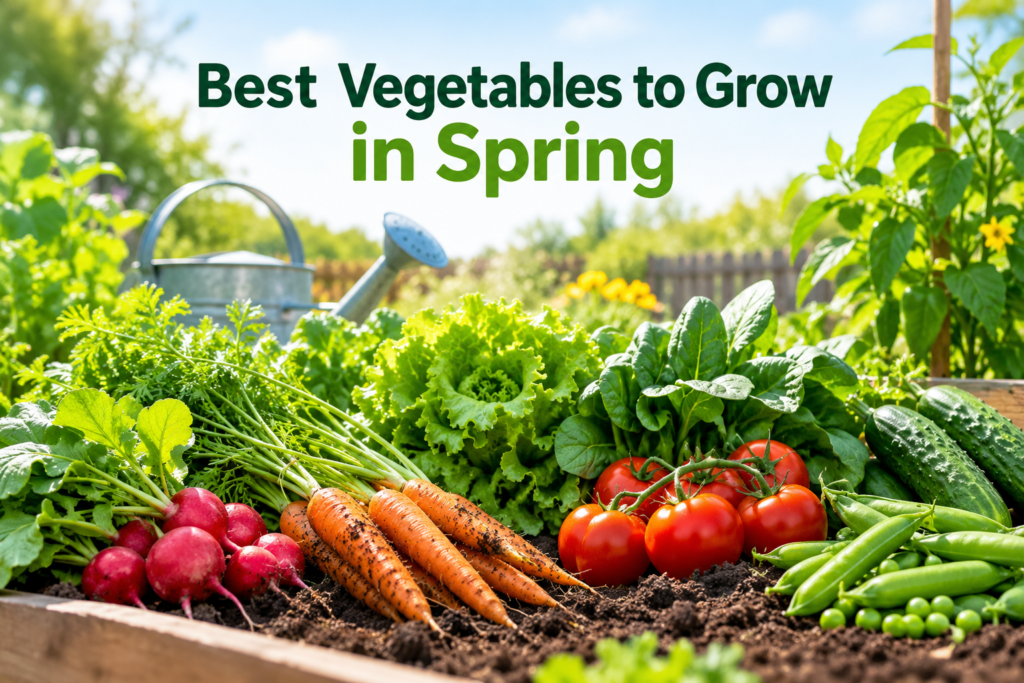
Spring is an excellent season to grow vegetables at home, especially when you choose crops that match your local temperature and growing conditions. Lettuce, spinach, carrots, radishes, peas, broccoli, cabbage, beans, cucumbers, tomatoes, and peppers can all have a place in a productive spring vegetable garden when planted at the appropriate time.
From my point of view, the best approach is to start simple. Focus on healthy soil, adequate sunlight, regular watering, and proper spacing. You do not need a huge garden to enjoy fresh vegetables. Even a few containers or a small raised bed can provide a satisfying harvest.
The more you garden, the more you learn about your soil, weather, and plants. Spring gives you a great opportunity to experiment, enjoy the process, and grow fresh vegetables that you can use in your own kitchen.
Primary Keyword: Best Vegetables to Grow in Spring
Secondary Keywords: spring vegetables, vegetables to grow in spring, best spring vegetables, spring vegetable garden, easy vegetables to grow, home vegetable garden