 dolphinshave2stomachs
Related Articles
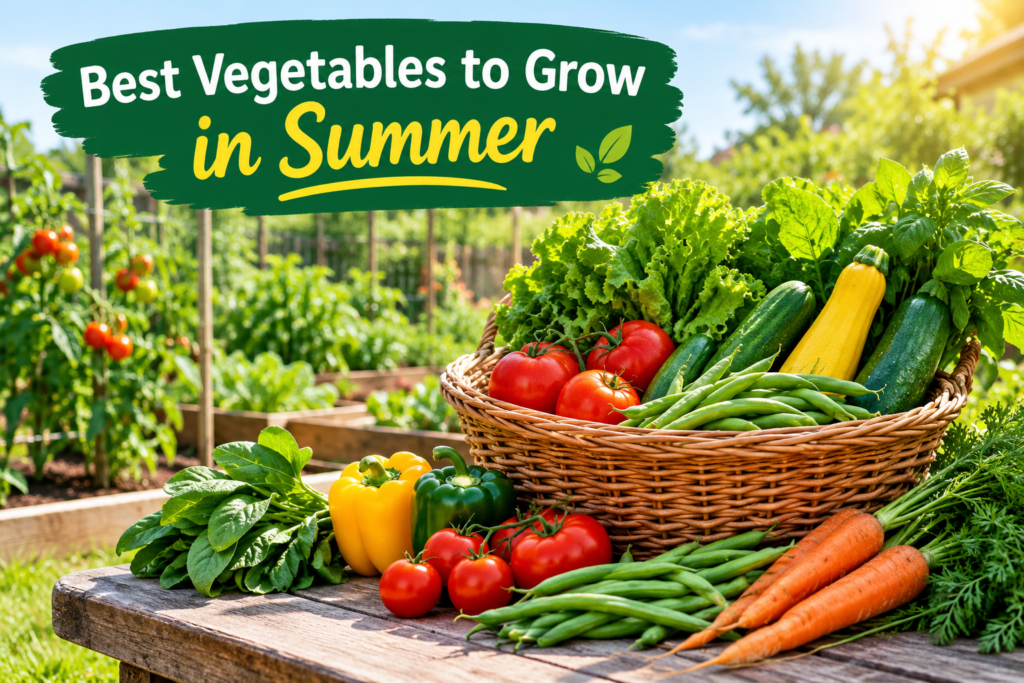
Summer is one of my favorite seasons for growing vegetables because many plants grow quickly when they receive plenty of sunlight and warmth. If you have a small backyard garden, raised beds, containers, or even a sunny balcony, there are many vegetables you can grow successfully during the warmer months.
In my experience, the key to a productive summer vegetable garden is choosing plants that can handle heat, providing enough water, and preparing the soil properly. You do not need a huge garden to enjoy fresh vegetables. With the right choices, even a small growing space can produce a useful harvest.
In this article, I will share some of the best vegetables to grow in summer, along with simple tips that can help beginners get better results.
1. Tomatoes
Tomatoes are one of the most popular summer vegetables for home gardens. They love warm weather, plenty of sunlight, and consistent watering.
I especially recommend tomatoes to gardeners who want a plant that provides a rewarding harvest over several weeks. Depending on the variety, you can grow tomatoes in garden beds, large containers, or grow bags.
Tomatoes need at least several hours of direct sunlight each day. The soil should drain well and contain plenty of organic matter. As the plants become taller, providing support with stakes or cages can keep the branches upright.
Regular harvesting also encourages the plant to continue producing more fruit.
2. Cucumbers
Cucumbers are another excellent choice for a summer vegetable garden. They grow quickly in warm conditions and can produce a surprisingly large harvest from just a few plants.
Cucumbers need regular moisture, especially during hot weather. If the soil becomes extremely dry, the plants may struggle and the fruits can develop poorly.
I prefer growing cucumbers vertically whenever possible. A simple trellis gives the vines something to climb and can save valuable garden space. It also keeps the fruits away from wet soil and makes harvesting easier.
For small gardens, cucumbers are among the vegetables worth considering because they can make good use of vertical space.
3. Green Beans
Green beans are simple to grow and are suitable for many home gardens. They can be grown directly from seeds, which makes them a convenient choice for beginners.
There are different types of green beans. Bush beans remain relatively compact, while pole beans climb and can produce a good harvest when given suitable support.
Green beans generally prefer warm soil and plenty of sunlight. Keep the soil consistently moist without leaving it waterlogged.
One thing I like about growing beans is that you can harvest them while they are still young and tender. Picking regularly can encourage continued production.
4. Bell Peppers
Bell peppers are warm season vegetables that can perform well during summer. They come in several colors and sizes, including green, red, yellow, and orange varieties.
Peppers need plenty of sunlight and well drained soil. They also benefit from consistent watering, particularly during periods of extreme heat.
If you are growing peppers in containers, choose a reasonably large container so the roots have enough room to develop.
The color of a pepper often changes as it matures. Green peppers can usually be harvested earlier, while allowing some varieties to remain on the plant longer can result in mature colors and different flavors.
5. Hot Peppers
If you enjoy spicy food, hot peppers can be a great addition to your summer garden. Jalapenos, chilies, and other pepper varieties generally appreciate warm temperatures and plenty of sunshine.
Hot pepper plants can also work well in containers, making them useful for gardeners who have limited outdoor space.
Avoid keeping the soil constantly soaked. Instead, provide regular moisture while allowing excess water to drain away.
With proper care, one healthy pepper plant can provide plenty of peppers for cooking, sauces, pickling, and other meals.
6. Zucchini
Zucchini is known for growing quickly during warm weather. A healthy plant can produce more vegetables than many beginners expect.
Because zucchini plants can become quite large, I recommend giving them enough space from the beginning. Crowding can make watering, harvesting, and plant maintenance more difficult.
Harvest zucchini while the fruits are still relatively young and tender. Large fruits can become tougher and contain more seeds.
For gardeners with enough space, zucchini can be one of the most productive summer vegetables to grow.
7. Okra
Okra is particularly well suited to hot weather. It is a useful choice for gardeners living in areas where summer temperatures become quite high.
Okra plants need sunlight, warmth, and reasonably fertile soil. Once the plants begin producing pods, harvest them regularly while they are still young and tender.
If you live in a warm climate, okra can be a very practical summer crop. It is also a useful vegetable for soups, curries, and other dishes.
8. Eggplant
Eggplant is another warm season vegetable that can grow well in summer. It prefers sunny locations and fertile, well drained soil.
There are many varieties available, ranging from traditional purple eggplants to smaller and differently shaped types.
Eggplant plants can become heavy when they start producing fruit, so providing support can sometimes be helpful.
Keep an eye on moisture during very hot periods. Consistent watering helps the plant maintain healthy growth and fruit production.
9. Corn
If you have enough space, sweet corn can be an enjoyable summer crop. Corn needs plenty of sunlight and fertile soil to grow properly.
One important point is that corn is generally better grown in blocks or groups rather than a single long row. This can help with pollination.
Corn also requires regular water, especially when plants are growing rapidly and developing ears.
Because corn takes up more space than many other vegetables, it may not be ideal for a very small garden. However, it can be an excellent choice for larger growing areas.
10. Carrots
Carrots are often associated with cooler seasons, but some varieties can still be grown during suitable parts of summer, particularly in areas where conditions are not excessively hot.
The most important thing is loose soil. Carrot roots need space to grow downward without encountering too many stones or compacted areas.
If your summer temperatures are extremely high, consider growing carrots during a milder part of the season or providing some protection from intense afternoon heat.
Container gardening can also work well because you can control the quality and depth of the growing medium.
11. Swiss Chard
Swiss chard is a useful leafy vegetable that can tolerate warmer conditions better than some other greens. It is available in varieties with attractive green leaves and colorful stems.
It can be harvested gradually by removing mature outer leaves while allowing the plant to continue growing.
Swiss chard is particularly useful when you want a vegetable that provides repeated harvests instead of producing one crop all at once.
Keep the soil moist and provide adequate sunlight. In extremely hot areas, some afternoon shade may help reduce heat stress.
12. Sweet Potatoes
Sweet potatoes are another warm weather crop worth considering if you have enough garden space. They prefer warm soil and a long growing period.
The plants produce spreading vines, so they need room to grow. They perform well in loose, well drained soil.
Sweet potatoes are not usually a quick harvest crop, so they require patience. However, if you have suitable conditions and enough space, they can be a productive addition to a summer garden.
How to Choose the Right Summer Vegetables
When choosing vegetables for your garden, I believe it is better to start with your local growing conditions rather than simply choosing every vegetable you like.
First, consider how much sunlight your garden receives. Most summer vegetables need several hours of direct sunlight for strong growth.
Next, look at your available space. Tomatoes, peppers, and beans can work in smaller spaces, while corn, zucchini, and sweet potatoes may require more room.
Water availability is another important consideration. Summer vegetables can require regular watering, especially during periods of intense heat.
Finally, consider how much time you have for gardening. Some vegetables need frequent harvesting, while others can be left to grow for longer periods.
Tips for Growing Vegetables in Summer
Good soil preparation can make a major difference. Before planting, add mature compost or other suitable organic matter to improve the soil.
Water plants consistently, preferably around the base rather than constantly wetting the leaves. Early morning is often a convenient time to water because it gives plants time to absorb moisture before the hottest part of the day.
Mulching around plants can help the soil retain moisture and can reduce weed growth. Keep mulch slightly away from the plant stems to avoid creating overly damp conditions around them.
Watch your plants regularly for insects, disease symptoms, and signs of water stress. Finding problems early is much easier than trying to correct a serious problem later.
Do not forget to harvest vegetables at the appropriate stage. Regular harvesting can encourage some plants to continue producing.
Container Gardening for Summer Vegetables
You do not need a traditional garden bed to grow summer vegetables. Containers can be useful for tomatoes, peppers, eggplants, cucumbers, and herbs.
Choose containers with drainage holes and use a suitable growing medium. Larger plants generally need larger containers because their roots require more space.
Containers can dry out faster than garden soil, particularly during hot weather. Check them regularly and adjust watering according to the weather and plant needs.
If you have a balcony, patio, or small outdoor area with enough sunlight, container gardening can be a practical way to grow fresh vegetables.
Final Thoughts
Growing vegetables in summer can be both productive and enjoyable. Tomatoes, cucumbers, green beans, peppers, zucchini, okra, eggplant, corn, carrots, Swiss chard, and sweet potatoes are all worth considering depending on your climate, available space, and growing conditions.
From my point of view, beginners should not try to grow too many vegetables at once. Start with a few crops that match your local conditions and learn how they respond to sunlight, watering, soil, and temperature.
A successful vegetable garden is not about growing everything. It is about choosing the right plants, caring for them consistently, and learning from each growing season. Once you understand what works in your garden, growing fresh vegetables becomes much easier and more enjoyable.