 dolphinshave2stomachs
Related Articles
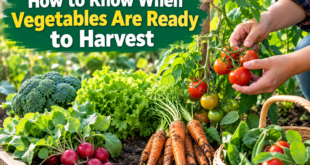
Growing vegetables at home is exciting, but I believe the real satisfaction comes when it is finally time to harvest them. After spending weeks caring for plants, seeing fresh vegetables ready to pick feels like a reward. However, harvesting vegetables is not simply about pulling or cutting whatever looks ready. The way you harvest can affect the plant, future growth, and even the quality of your vegetables.
Learning how to harvest vegetables without damaging the plant is an important gardening skill. With the right technique, you can collect mature vegetables while keeping the plant healthy and productive. In my experience, a little patience and careful handling can make a big difference.
Why Proper Vegetable Harvesting Matters
Many home gardeners focus heavily on planting, watering, and fertilizing but pay less attention to harvesting. I think harvesting deserves just as much attention because careless picking can break stems, damage new growth, or disturb the roots.
When vegetables are harvested correctly, the plant can continue growing and producing more food. Some plants respond particularly well to regular harvesting. For example, beans, cucumbers, peppers, and zucchini can continue producing when mature vegetables are picked regularly.
Proper harvesting also helps prevent overripe vegetables from remaining on the plant. When vegetables become too mature, their quality can decline, and some plants may slow down their production.
Choose the Right Time to Harvest
One of the most important vegetable harvesting tips is knowing when the vegetable is ready. Harvesting too early can give you small or underdeveloped vegetables, while waiting too long can result in vegetables that are tough, bitter, or overly mature.
The correct harvesting time depends on the vegetable. Lettuce is often harvested while the leaves are young and tender. Cucumbers are generally picked before they become too large. Tomatoes can be harvested when they reach their expected mature color or when they begin changing color, depending on your preference.
I recommend learning what your particular vegetable should look and feel like when mature. This makes harvesting easier and reduces the temptation to pick vegetables too soon.
Use Clean and Sharp Tools
Using the right gardening tools can help you harvest vegetables without damaging the plant. A clean pair of garden scissors, pruning shears, or a sharp knife can be useful for vegetables that should not be pulled.
Sharp tools make clean cuts. A dull tool may crush or tear stems, which can create unnecessary damage.
Before harvesting, make sure your tools are reasonably clean. This is especially important when moving between different plants because dirty tools can potentially spread plant problems.
For vegetables that naturally detach easily, you may be able to harvest them by hand. Even then, avoid using excessive force.
Harvest Tomatoes Carefully
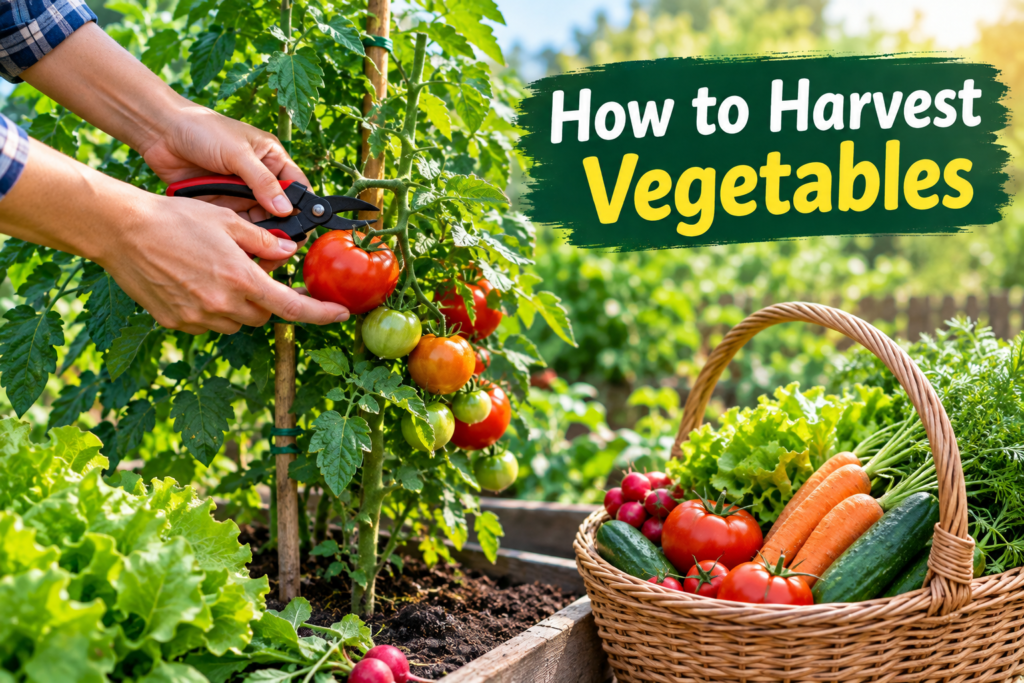
Tomatoes are a good example of why harvesting technique matters. Instead of pulling forcefully on a tomato, hold the fruit gently and look for the natural point where it can be separated.
Some varieties detach easily when ripe. Others may require garden scissors or pruning shears.
When harvesting tomatoes, try not to bend or break the branches. A tomato plant may have several developing fruits and flowers nearby, so careless handling can damage future growth.
I prefer checking my tomato plants regularly and picking ripe fruits as they become ready. This keeps the plant productive and gives me fresh tomatoes at their best.
Harvest Leafy Vegetables Correctly
Leafy vegetables such as lettuce, spinach, kale, and Swiss chard can often be harvested without removing the entire plant.
For many leafy vegetables, you can pick the larger outer leaves and leave the younger leaves in the center. This allows the plant to continue growing.
Use clean scissors or gently remove individual leaves. Avoid pulling hard enough to disturb the roots.
This method is particularly useful when you want a continuous supply of fresh greens instead of harvesting everything at once.
Harvest Root Vegetables With Care
Root vegetables such as carrots, radishes, beets, and turnips are slightly different because the edible portion grows underground.
Before pulling a root vegetable, check the soil and make sure it is not extremely hard or dry. Very compact soil can make harvesting more difficult and may cause the vegetable to break.
Gently loosen the soil around the root when necessary. Then pull the vegetable carefully from the base of its leaves.
For larger root vegetables, using a garden fork to loosen the soil can make the process easier. Be careful not to push the tool directly into the vegetable because this can cause cuts and damage.
Harvest Cucumbers Without Breaking Vines
Cucumber plants can be surprisingly delicate. Their vines may look strong, but pulling a cucumber forcefully can damage the stem or nearby growth.
Instead of twisting the cucumber repeatedly, use clean scissors or garden shears to cut the stem above the fruit.
Regular cucumber harvesting is also useful because oversized cucumbers can become less tender and may reduce the plant’s continued production.
I like checking cucumber plants frequently because fruits can grow quickly, especially during warm weather.
Pick Beans Regularly
Green beans and similar vegetables should generally be harvested while they are young and tender.
Hold the plant gently while picking the bean. If the stem is difficult to break by hand, use scissors instead of pulling.
Regular harvesting encourages many bean plants to keep producing. Leaving mature beans on the plant for too long can shift the plant’s energy toward seed production.
A few minutes of checking your plants every couple of days can make harvesting much easier.
Harvest Peppers Without Damaging Branches
Peppers can be harvested when they reach the desired size and stage of maturity. Depending on the variety, you may harvest them while green or allow them to change color as they mature.
Pepper stems can be surprisingly firm, so pulling the fruit can sometimes damage the plant.
Use clean scissors or pruning shears to cut the stem. Leave a small portion of the stem attached to the pepper if appropriate for the variety.
Support the branch with your other hand while cutting. This simple habit can prevent the plant from bending or breaking.
Harvest Zucchini and Squash Frequently
Zucchini can grow from small to very large surprisingly quickly. For tender vegetables, many gardeners prefer harvesting them while they are still relatively young.
Use a sharp knife or garden shears to cut the fruit from the plant. Avoid twisting the vegetable repeatedly because this can damage the main stem.
When harvesting squash, check the plant carefully because large leaves can hide developing fruits.
Frequent harvesting can help the plant continue producing new flowers and vegetables throughout the growing season.
Do Not Step on the Soil Around Plants
Harvesting is also about protecting the area around the plant. I try to avoid stepping unnecessarily around vegetable roots because repeated foot traffic can compact the soil.
Compacted soil may reduce air spaces and make it harder for roots to receive water and oxygen.
If your garden is large, creating permanent paths between planting areas can make harvesting easier. In raised beds, try to reach from the edges rather than walking directly through the growing area.
Handle Vegetables Gently After Harvesting
Protecting the plant is important, but protecting the harvested vegetables is also part of good gardening.
Fresh vegetables can bruise easily. Place them gently into a basket or container instead of throwing them inside.
Avoid filling containers so heavily that vegetables are crushed at the bottom. Keep different vegetables separated when practical, especially if some have strong odors or require different storage conditions.
Harvesting during the cooler part of the day can also be helpful for many vegetables because they may be less stressed by heat and can stay fresher after picking.
Avoid Harvesting Wet Plants When Possible
I generally prefer harvesting when the foliage is dry. Wet leaves can make handling more difficult, and walking through a wet garden can spread soil and plant material around the growing area.
If you need to harvest after rain, handle the plants carefully and avoid unnecessary contact with the foliage.
For vegetables that need to be washed before eating, follow proper food safety practices after bringing them indoors.
Learn the Natural Harvesting Method for Each Vegetable
Every vegetable has its own harvesting method. This is something I learned to appreciate as I spent more time gardening.
Some vegetables are best cut with scissors. Others can be gently picked by hand. Root vegetables need to be loosened from the soil, while leafy greens can often be harvested a few leaves at a time.
Instead of using the same technique for every plant, take a moment to understand how the vegetable grows.
Look at the stem, fruit, leaves, and surrounding branches. If you are unsure, use a gentle approach rather than pulling forcefully.
Final Thoughts
Knowing how to harvest vegetables without damaging the plant can make your home garden more productive and enjoyable. The goal is not simply to collect vegetables but to keep the plant healthy so it can continue producing.
Use clean and sharp tools when necessary, harvest vegetables at the right stage, support branches while picking, and avoid unnecessary pulling or twisting. Leafy vegetables can often be harvested gradually, while fruits such as tomatoes, cucumbers, peppers, and beans benefit from careful picking.
In my view, good harvesting is simply an extension of good gardening. When you take a little extra care during harvest, you protect the plant, reduce waste, and enjoy better quality vegetables from your own garden. With practice, careful harvesting becomes a natural part of the gardening routine.