 dolphinshave2stomachs
Related Articles

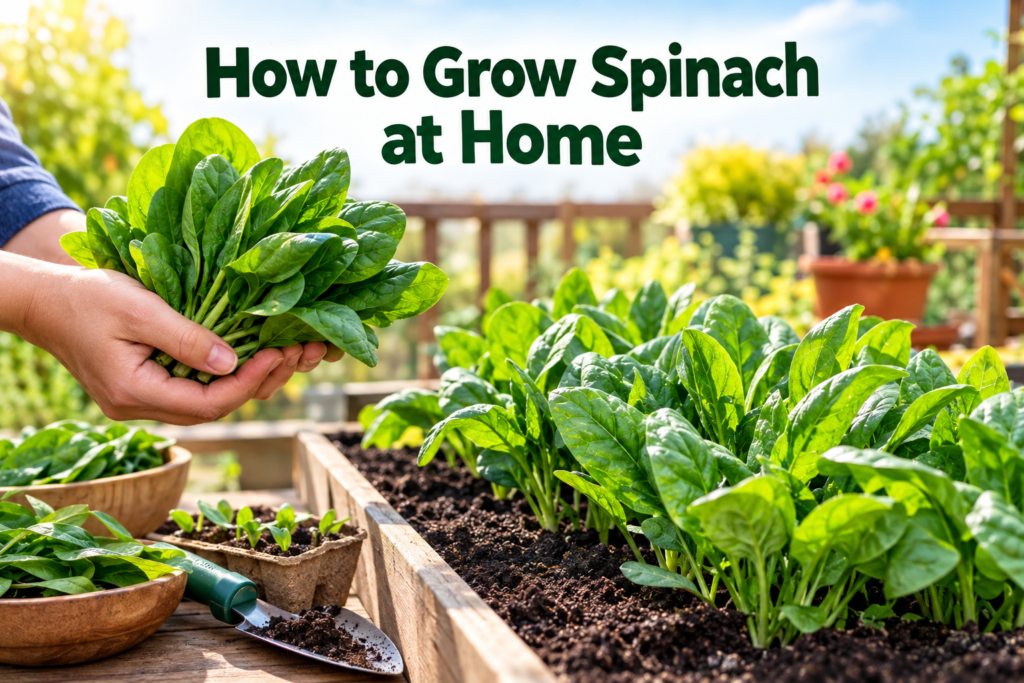
Growing spinach at home is one of the easiest ways to enjoy fresh and healthy leafy greens. I personally like spinach because it does not require a huge garden, expensive equipment, or complicated gardening skills. With the right soil, suitable weather, enough sunlight, and regular watering, you can grow spinach in a backyard garden, raised bed, or even a container on a balcony.
Spinach is also a practical vegetable for beginners because it grows relatively quickly. You can harvest young leaves when they are tender or allow the plants to grow larger for a bigger harvest. If you are wondering how to grow spinach at home, the good news is that the process is simple once you understand the basic requirements.
In this guide, I will explain how I approach growing spinach, from choosing seeds and preparing the soil to watering, feeding, harvesting, and dealing with common problems.
Choose the Right Time to Grow Spinach
The first thing I consider before planting spinach is the weather. Spinach is a cool season vegetable and generally grows best when temperatures are mild. Very hot weather can cause spinach to grow poorly and may encourage the plant to produce flowers and seeds before you get a good harvest of leaves.
For many gardeners, early spring and fall are excellent growing periods. However, the best planting time depends on your local climate. In warmer regions, you may need to grow spinach during the cooler part of the year.
If you are growing spinach for the first time, I recommend checking your local temperatures before planting. Choosing the right season can make a bigger difference than many other gardening techniques.
Select Good Spinach Seeds
Start with fresh, good quality spinach seeds. There are several varieties available, and some are better suited to particular weather conditions than others.
When choosing seeds, read the information on the packet and look for a variety suitable for your growing season. Some varieties have smoother leaves, while others have thicker or more textured leaves.
I prefer choosing varieties based on the space available and the weather in my area. If you are growing spinach in containers, a compact variety can be convenient.
Prepare the Soil
Good soil is one of the most important parts of growing healthy spinach at home. Spinach prefers fertile soil that drains well while still holding enough moisture for the roots.
Before planting, loosen the soil with a garden fork or hand tool. Remove large stones, weeds, and other debris. Adding mature compost can improve the soil structure and provide organic matter.
The soil should not be hard or heavily compacted. Young spinach roots need an environment where they can develop easily.
If you are using a container, choose a pot with drainage holes. A container that does not drain properly can hold too much water around the roots and create growing problems.
Plant Spinach Seeds
Spinach can be grown directly from seeds, which is the method I usually recommend. You do not necessarily need to start spinach indoors and transplant it later.
Make shallow rows in the prepared soil and place the seeds according to the spacing instructions on the seed packet. Cover them lightly with soil and water gently.
Avoid burying spinach seeds too deeply. The goal is to give them enough contact with moist soil while still allowing the young seedlings to emerge easily.
Once planted, keep the soil consistently moist until germination occurs. Depending on the conditions and variety, you should start seeing small seedlings after a relatively short period.
Give Spinach Enough Sunlight
Spinach needs sunlight to grow healthy green leaves. A location that receives several hours of sunlight is generally suitable.
However, because spinach prefers cooler conditions, very strong afternoon heat can become a problem in warm climates. If temperatures rise significantly, some afternoon shade can help protect the plants.
When growing spinach in containers, one advantage is that you can move the containers if the location becomes too hot. This gives you more control over the growing environment.
Water Spinach Regularly
Watering is important when growing spinach at home. The soil should remain reasonably moist, especially while seeds are germinating and seedlings are becoming established.
I recommend checking the soil regularly rather than following a strict watering schedule. Weather conditions can change how quickly the soil dries.
If the surface feels dry, water the plants thoroughly. Try to water near the base of the plants instead of constantly soaking the leaves.
At the same time, avoid overwatering. Spinach needs moisture, but constantly waterlogged soil can create problems for the roots.
Thin the Seedlings
When spinach seedlings begin appearing, you may notice that some are growing too close together. If the plants are overcrowded, they compete for sunlight, water, nutrients, and growing space.
Thinning gives the remaining plants more room to develop. Carefully remove weaker or extra seedlings while keeping healthy plants at appropriate spacing.
I know it can feel difficult to remove young plants, especially when you have carefully grown them from seed, but proper spacing can lead to healthier plants and larger leaves.
Young spinach leaves removed during thinning can sometimes be used in salads if they are clean and suitable for eating.
Feed Your Spinach Plants
Spinach grows well in fertile soil, so preparing the soil properly before planting can reduce the need for heavy feeding later.
If the plants appear to be growing slowly or the soil is poor, a suitable vegetable fertilizer or additional mature compost may help. Always follow the instructions on a fertilizer product rather than applying more than recommended.
I prefer focusing on healthy soil first. Regularly adding organic matter can support a productive home garden over time.
Avoid excessive fertilizer because more is not always better. Too much fertilizer can create unnecessary problems and may affect plant growth.
Protect Spinach From Weeds
Weeds can compete with spinach for water, sunlight, nutrients, and space. This is particularly important when spinach plants are still small.
Check your garden regularly and remove weeds while they are young. Small weeds are much easier to remove than large established ones.
Be careful around spinach roots when weeding. Use your hands or a small gardening tool and avoid disturbing the plants.
A light layer of suitable organic mulch around established plants can also help reduce weed growth and conserve soil moisture.
Watch for Pests and Plant Problems
Spinach can attract different garden pests, depending on your local environment. Aphids, caterpillars, and other insects may sometimes feed on the leaves.
The best habit is to inspect your plants regularly. Look at both the top and underside of the leaves. If you notice holes, insects, discoloration, or unusual growth, investigate the problem early.
Good spacing and airflow can also help keep plants healthier. Avoid planting spinach so densely that air cannot move between the leaves.
If you find pests, consider simple gardening approaches appropriate for the specific pest before using any treatment. Always follow product instructions if you decide to use a commercial garden product.
When to Harvest Spinach
One of the best things about growing spinach at home is that you do not have to wait for the entire plant to mature before harvesting.
You can harvest young leaves when they are tender and relatively small. For a larger harvest, allow the plants to develop more leaves.
I prefer picking the outer leaves first and allowing the younger leaves in the center to continue growing. This approach can provide repeated harvests from the same plant when weather and growing conditions remain suitable.
Use clean hands or scissors when harvesting and avoid damaging the central growing point.
How to Grow Spinach in Containers
You do not need a large backyard to grow spinach. Containers can work very well if they provide enough space, drainage, and suitable soil.
Choose a container that is wide enough to give the plants room to grow. Fill it with quality potting soil or a suitable container growing mix.
Place the container where it receives adequate sunlight but can receive some protection from excessive heat when necessary.
Container grown spinach may dry out faster than spinach planted directly in the ground, so check the soil more frequently. At the same time, make sure excess water can escape through the drainage holes.
Common Mistakes to Avoid
One common mistake is planting spinach during extremely hot weather. Since spinach prefers cool conditions, timing is very important.
Another mistake is allowing the soil to become completely dry. Inconsistent moisture can stress young plants and affect growth.
Overcrowding is another issue. Even if many seeds germinate successfully, the plants still need adequate space.
I also recommend avoiding excessive fertilizer. Healthy soil, proper sunlight, suitable moisture, and good spacing are usually more important than constantly adding plant food.
Final Thoughts
Learning how to grow spinach at home does not have to be complicated. With good seeds, fertile soil, suitable temperatures, sunlight, and regular watering, even a beginner can produce fresh spinach.
From my point of view, the most important part is choosing the right growing season. Once the weather is suitable, spinach is a fairly straightforward vegetable to grow. Start with a small container or garden bed, observe how the plants respond, and make adjustments as you gain experience.
The ability to walk outside and pick fresh spinach for a meal is one of the most satisfying parts of home gardening. Whether you have a large backyard or a small balcony, growing spinach can be a simple and rewarding project.