 dolphinshave2stomachs
Related Articles
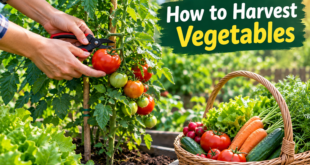
Knowing when vegetables are ready to harvest is one of the most important parts of successful gardening. I have found that growing vegetables is only half the job. The other half is knowing the right time to pick them. Harvest too early and you may get vegetables that are small, hard, or lacking flavor. Wait too long and some vegetables can become tough, bitter, dry, or overripe.
Every vegetable has its own signs of maturity. Some tell you they are ready through their size, color, or texture, while others require a little more observation. With experience, it becomes much easier to recognize these signs.
In this guide, I will explain how to know when vegetables are ready to harvest and share some practical tips that can help you collect your garden produce at the right time.
Why Harvesting Vegetables at the Right Time Matters
Harvesting at the correct time can make a noticeable difference in the quality of your vegetables. I believe fresh vegetables taste best when they are picked at the stage when they are naturally meant to be eaten.
For example, lettuce can become bitter when it gets too mature, while green beans may become tough if they remain on the plant for too long. Tomatoes are another good example because their flavor develops as they change color and reach the right stage of ripeness.
Harvesting correctly can also encourage some plants to produce more. Regularly picking beans, cucumbers, peas, and certain leafy vegetables can encourage continued production.
Check the Expected Days to Maturity
One of the first things I recommend is checking the seed packet or plant information before planting. Most vegetable varieties provide an approximate number of days to maturity.
However, I would not use this number as the only sign that a vegetable is ready. Weather, soil quality, sunlight, watering, and the specific variety can all affect how quickly a plant grows.
Think of days to maturity as a general guide rather than an exact harvesting date. Your plants themselves will usually provide better clues.
How to Know When Tomatoes Are Ready
Tomatoes are relatively easy to judge once you understand their color and texture.
Most tomatoes change from green to their mature color as they ripen. Depending on the variety, this could be red, yellow, orange, pink, or another color.
I usually look for a tomato that has developed its expected color and feels slightly soft when gently touched. A fully mature tomato should not feel extremely hard.
You can also harvest tomatoes slightly before full ripeness if you need to protect them from pests or bad weather. They can continue ripening after being picked under suitable conditions.
How to Know When Cucumbers Are Ready
Cucumbers are usually best harvested while they are still young and firm. Waiting too long can result in oversized cucumbers with larger seeds and a tougher texture.
The exact ideal size depends on the variety, so checking the seed packet can be helpful.
I prefer harvesting cucumbers regularly rather than allowing them to become very large. Once you start noticing mature cucumbers, check the plants frequently because they can grow surprisingly quickly in warm conditions.
How to Know When Carrots Are Ready
Carrots are slightly more difficult to judge because most of the vegetable develops underground.
One useful method is to look at the shoulders of the carrot where they meet the soil. When the visible top has reached an appropriate size for the variety, you can gently remove some soil around it to inspect the root.
I recommend harvesting a test carrot if you are unsure. This allows you to see how developed the roots are without harvesting the entire crop.
Young carrots are often tender and flavorful, while larger carrots can be useful for cooking depending on the variety.
How to Know When Radishes Are Ready
Radishes are among the easiest vegetables to harvest.
The top of the root usually becomes visible above the soil as it develops. When the root reaches the size recommended for the variety, you can pull it from the ground.
I prefer harvesting radishes while they are still relatively young. Leaving them in the ground for too long can result in a woody or overly strong texture.
Because radishes grow quickly, checking them regularly is a good habit.
How to Know When Lettuce Is Ready
Lettuce can be harvested in different ways depending on the variety.
For leaf lettuce, you can start harvesting individual outer leaves once they are large enough to eat. This method allows the plant to continue producing.
Head lettuce should generally be harvested when the head has reached its expected size and feels firm enough for the variety.
One important thing to watch is heat. If the plant begins producing a tall central stalk, it may be starting to bolt. At this stage, the flavor can become more bitter.
How to Know When Spinach Is Ready
Spinach can be harvested when the leaves have reached a useful eating size. I usually prefer picking the larger outer leaves first and allowing smaller leaves in the center to continue growing.
This method can provide repeated harvests from the same plant.
If the weather becomes too warm, spinach may bolt and produce a flower stalk. Harvesting before this happens can help you enjoy better quality leaves.
How to Know When Green Beans Are Ready
Green beans are best harvested while the pods are young and tender.
A good sign is when the beans have reached a useful length but the individual seeds inside have not become large and prominent. The pods should feel firm and crisp.
I recommend checking bean plants frequently once they begin producing. Mature pods can appear quickly, and harvesting regularly can encourage the plant to continue producing more beans.
How to Know When Peas Are Ready
The right harvest time depends on the type of pea you are growing.
For snap peas, the pods should be plump but still tender. Snow peas are generally harvested while the pods remain flat and the peas inside are small.
Garden peas are usually harvested when the pods are filled with developed peas.
I like to taste a few peas during the harvesting period. Fresh peas should have a pleasant texture and flavor without being overly hard or starchy.
How to Know When Broccoli Is Ready
Broccoli requires careful timing. The main head should be harvested while the flower buds are still tightly closed.
If the small green buds begin opening into yellow flowers, the broccoli has passed its ideal stage for many culinary uses.
Use a sharp, clean knife to cut the main head. Depending on the variety, the plant may continue producing smaller side shoots that can also be harvested.
Checking broccoli regularly is important because the ideal harvest window can be relatively short.
How to Know When Cabbage Is Ready
Cabbage is generally ready when the head has reached a suitable size and feels firm when gently squeezed.
The expected size depends on the variety, so I recommend checking the growing information for the specific cabbage you planted.
Do not wait unnecessarily long after the head becomes mature. Overly mature cabbage can split, especially when conditions change or the soil receives a lot of moisture.
How to Know When Zucchini Is Ready
Zucchini can become oversized very quickly. For this reason, I believe regular checking is essential.
Most zucchini varieties are harvested while the fruit is relatively young and tender. The ideal size varies, but smaller fruits are often easier to cook and have a softer texture.
Look beneath the leaves because zucchini can sometimes hide from view. A fruit that seems small one day may become much larger after only a short period.
How to Know When Onions Are Ready
Onions provide several useful signs when they approach maturity.
As the bulbs mature, the green tops may begin turning yellow and falling over. At this stage, the bulbs have generally reached a later stage of development.
After harvesting, onions usually need proper curing and storage conditions if you want to keep them for an extended period.
Green onions can be harvested much earlier, when the stems have reached a useful size.
How to Know When Potatoes Are Ready
Potatoes are another vegetable where harvesting time depends on what you want to use them for.
For new potatoes, you can harvest them earlier while the skins are thin. For mature potatoes intended for longer storage, gardeners generally wait until the plants have finished growing and the foliage has died back.
I always recommend handling potatoes carefully during harvesting because cuts and bruises can reduce their storage quality.
How to Harvest Vegetables Properly
Knowing when to harvest is important, but how you harvest also matters.
Use clean and suitable garden tools when cutting vegetables from the plant. Avoid pulling or twisting plants unnecessarily because this can damage stems and roots.
Try to harvest during the cooler part of the day when possible. Morning can be a convenient time because many vegetables are crisp and well hydrated.
Handle freshly harvested produce gently and move it into a suitable storage area as soon as practical.
Common Harvesting Mistakes to Avoid
One common mistake is waiting for vegetables to become as large as possible. Bigger does not always mean better. Many vegetables are more tender and flavorful when harvested at the recommended stage.
Another mistake is harvesting everything at once. Some crops, especially leafy greens and beans, can provide repeated harvests.
It is also easy to ignore the plants for several days. I recommend making garden inspection part of your routine. A few minutes of checking each day can help you catch vegetables at their ideal stage.
Final Thoughts
Learning how to know when vegetables are ready to harvest takes a little observation, but it becomes easier with practice. Size, color, firmness, texture, and the condition of the plant can all provide useful clues.
Tomatoes should develop their mature color, cucumbers are usually best when young and firm, radishes should be harvested before they become woody, and leafy vegetables such as lettuce and spinach are often best when the leaves are tender.
The most important thing I have learned is not to depend on one rule for every vegetable. Each crop has its own harvesting signs, and even different varieties of the same vegetable can mature differently.
Spend a few minutes checking your garden regularly, learn how each vegetable changes as it matures, and do not be afraid to harvest a test vegetable when you are unsure. With a little experience, you will become much better at recognizing the perfect time to pick your homegrown vegetables.