 dolphinshave2stomachs
Related Articles
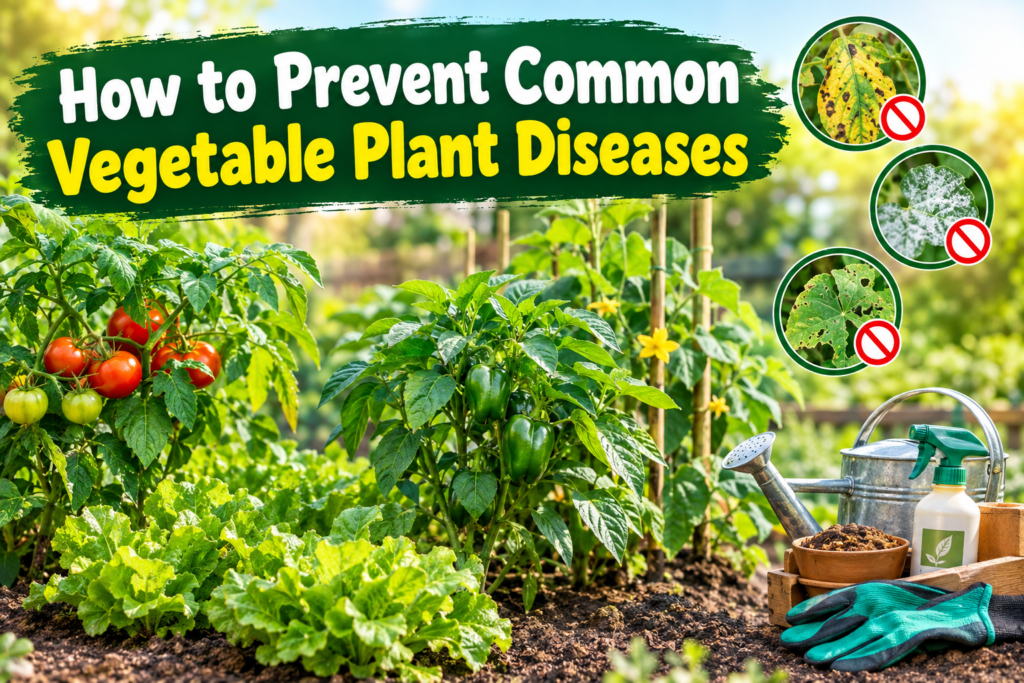
Growing vegetables at home can be a very rewarding experience, but plant diseases can quickly become a problem if they are not noticed early. I have learned that preventing vegetable plant diseases is much easier than trying to save a plant after the infection has spread. Healthy soil, proper watering, good airflow, enough sunlight, and regular plant inspection can make a big difference.
Many common vegetable diseases are caused by fungi, bacteria, or viruses. They can affect the leaves, stems, roots, flowers, and fruits of plants. Some diseases spread quickly during warm and humid weather, while others become a problem when plants are stressed or grown in poor conditions.
In my experience, the best way to protect a vegetable garden is to create conditions where plants can grow strongly. A healthy plant is usually better prepared to handle common garden problems. In this article, I will share practical ways to prevent common vegetable plant diseases and keep a garden healthier throughout the growing season.
Start With Healthy Soil
Healthy soil is one of the most important parts of disease prevention. Vegetable plants depend on their roots to absorb water and nutrients, so poor soil conditions can weaken the entire plant.
I like to improve garden soil with good quality organic matter such as mature compost. Healthy soil can support better root development and improve drainage.
Poorly drained soil can keep roots wet for too long. This can create conditions that encourage root diseases and other problems. Before planting, I always check whether water drains properly from the growing area.
If water stays around the roots after watering or rain, improving drainage should be a priority. Raised beds can also be useful when natural garden soil holds too much moisture.
Choose Healthy Seeds and Plants
Disease prevention starts before the plants even enter the garden. When buying seeds or young vegetable plants, I look for healthy plants with strong stems and clean green leaves.
Avoid plants that already show unusual spots, wilting, mold, or serious discoloration. Bringing an infected plant into the garden can introduce disease to other vegetables.
For seeds, choosing reliable sources and suitable varieties can reduce some disease risks. Some vegetable varieties are bred with resistance to particular diseases, so checking the variety information can be helpful.
Starting with healthy planting material gives the garden a better foundation.
Give Plants Enough Space
Plant spacing is something that many gardeners overlook. When vegetables are planted too close together, air cannot move freely around the leaves.
Poor airflow can keep foliage damp for longer periods. Moist leaves can create favorable conditions for several fungal and bacterial diseases.
I prefer following the recommended spacing for each vegetable rather than trying to fit too many plants into a small area. Although a crowded garden may look productive at first, overcrowding can make disease management more difficult.
Giving plants enough space also makes it easier to inspect leaves and stems for early signs of trouble.
Water Vegetable Plants Correctly
Watering correctly is one of the easiest ways to prevent common vegetable plant diseases. I try to water the soil rather than constantly spraying water over the leaves.
Wet foliage can remain damp for hours, especially when there is little airflow. This can increase the risk of certain fungal and bacterial problems.
Morning is often a practical time to water because plants have time to dry during the day. I also avoid unnecessary watering when the soil is already moist.
The exact amount of water depends on the vegetable, soil, temperature, and weather. Instead of following a fixed schedule, I check the soil and the plant.
Consistent watering is also important because severe water stress can weaken plants and make them more vulnerable to problems.
Keep the Garden Clean
Garden cleanliness plays an important role in preventing vegetable diseases. Fallen leaves, infected stems, and damaged plant material can sometimes provide places where disease organisms survive.
I regularly remove obviously diseased plant material from the growing area. I also remove fallen leaves when they appear heavily affected by disease.
Tools can also move plant pathogens from one plant to another. If I have been working with a visibly diseased plant, I clean my tools before using them on healthy plants.
Keeping weeds under control is useful too. Weeds can compete with vegetables for water and nutrients, and some may also provide shelter for insects or disease organisms.
Improve Air Circulation
Good air circulation helps vegetable foliage dry more quickly after watering, rain, or morning dew.
This is especially important for vegetables that develop dense foliage. Tomatoes, cucumbers, squash, peppers, and other plants can become crowded as they grow.
I use supports or trellises when appropriate to keep plants upright and improve airflow. Removing damaged or unnecessary foliage can also help, but I avoid excessive pruning because it can stress some plants.
The goal is not to remove as many leaves as possible. The goal is to maintain healthy growth with enough space for air to move through the plant.
Rotate Vegetable Crops
Crop rotation is another useful method for vegetable disease prevention. Growing the same type of vegetable in exactly the same location year after year can allow certain soil related diseases to build up.
For example, instead of planting tomatoes or peppers in the same bed every season, I can rotate them with vegetables from different plant families.
Crop rotation does not eliminate every disease, but it can reduce the chances of some problems becoming established repeatedly in one area.
Planning the garden before planting makes rotation much easier. Keeping a simple record of where vegetables were planted each season can be surprisingly useful.
Inspect Plants Regularly
I believe regular inspection is one of the simplest habits a gardener can develop.
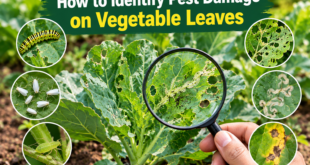
I check the leaves, stems, and soil around my vegetable plants several times a week. I look for yellowing leaves, brown spots, unusual patches, wilting, powdery growth, holes, or distorted new growth.
Early symptoms do not always mean disease. Nutrient deficiencies, watering problems, insects, and environmental stress can sometimes look similar.
That is why I try to examine the entire plant before deciding what the problem is.
Finding an issue early gives me more time to identify the cause and prevent it from spreading.
Control Garden Pests
Some insects can contribute to the spread of plant diseases. Aphids, whiteflies, leafhoppers, and other pests can damage plants and may transmit certain plant viruses.
This is why pest management is also part of vegetable disease prevention.
I regularly check the underside of leaves because many small insects hide there. If I notice a small pest population, I deal with it before it becomes a larger problem.
Encouraging beneficial insects can also support a healthier garden. Avoiding unnecessary pesticide use can help preserve insects that naturally feed on garden pests.
Avoid Working With Wet Plants
Another simple habit I follow is avoiding unnecessary handling of wet vegetable plants.
When foliage is wet, handling plants can spread moisture and potentially move disease organisms from one area to another.
If possible, I wait until leaves are dry before pruning, tying, harvesting, or moving through dense plant growth.
This small habit may seem unimportant, but careful garden hygiene can reduce opportunities for diseases to spread.
Provide Enough Sunlight
Sunlight is essential for healthy vegetable growth. Most common vegetables need several hours of sunlight each day, although exact requirements vary between plants.
Plants growing in deep shade may become weak and produce poor growth. Dense, shaded foliage can also remain damp for longer periods.
Before planting, I consider how much sunlight the location receives throughout the day. I try to position sun loving vegetables where they can receive adequate direct light.
Healthy sunlight exposure, combined with proper airflow and watering, creates better growing conditions.
Do Not Overfertilize
Fertilizer can help vegetables grow, but more fertilizer is not always better.
Excessive fertilizer can cause rapid and soft plant growth. Depending on the situation, this may create additional stress or make certain plants more vulnerable to pests and disease.
I prefer using soil information and the needs of the specific vegetable instead of adding fertilizer without a reason.
Compost and balanced plant nutrition can support steady growth. If a nutrient deficiency is suspected, a soil test can provide better information than guessing.
Remove Severely Diseased Plants When Necessary
Sometimes a plant becomes too badly affected to recover. In such situations, leaving it among healthy plants may allow a disease to spread.
When a vegetable plant shows severe disease symptoms, I consider removing the affected plant and disposing of it appropriately.
I avoid moving suspicious plant material around the garden because this can spread disease.
It is also important to identify the likely cause before treating the entire garden. Not every yellow leaf or brown spot is caused by an infectious disease.
Use Good Gardening Habits Every Season
Preventing vegetable plant diseases is not about one single treatment. It is about developing several good gardening habits.
Healthy soil, proper watering, adequate sunlight, good plant spacing, crop rotation, clean tools, pest control, and regular inspection all work together.
I have found that prevention becomes much easier when these habits are part of the normal gardening routine rather than something I only think about after a plant becomes sick.
Final Thoughts
Common vegetable plant diseases can be frustrating, but many problems can be reduced with simple preventive practices. The most important thing is to create a healthy environment where vegetables can grow strongly.
I start with healthy seeds and plants, prepare the soil properly, provide enough sunlight, and give each vegetable enough space. I also pay close attention to watering because excessive moisture and wet foliage can create conditions that favor some diseases.
Regular inspection is equally important. When I notice something unusual, I investigate the cause instead of immediately applying a treatment.
A healthy vegetable garden does not require complicated methods. Good soil, clean gardening practices, proper watering, good airflow, suitable sunlight, and early attention can go a long way.
By making disease prevention part of everyday gardening, you can reduce many common problems and give your vegetables a better chance to produce strong growth and a healthy harvest throughout the season.