 dolphinshave2stomachs
Related Articles
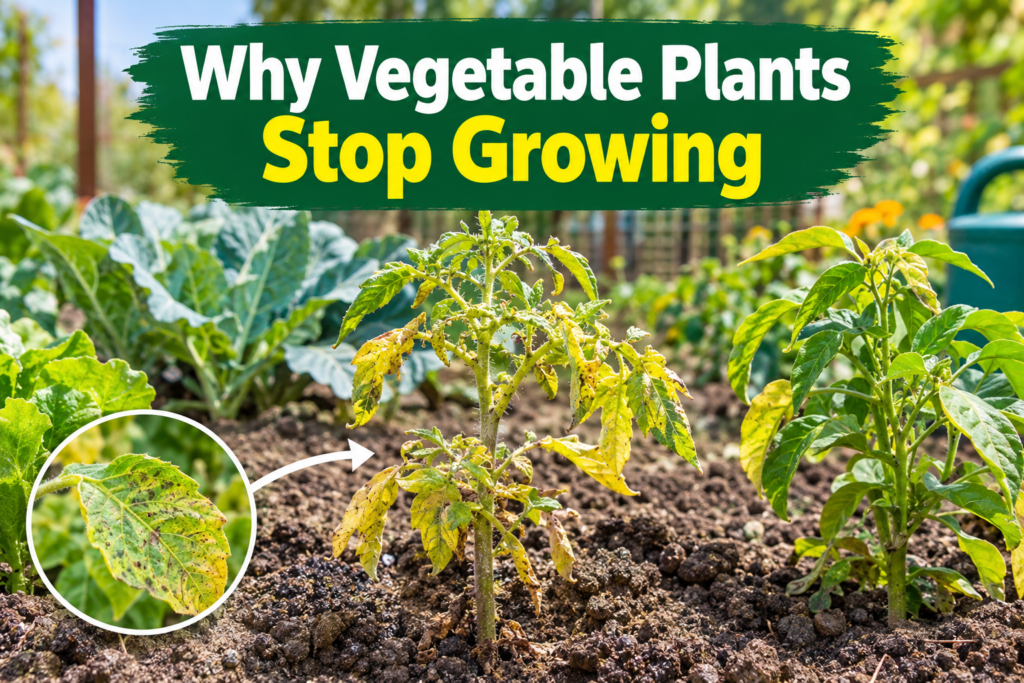
Growing vegetables can be very rewarding, but sometimes a plant suddenly stops growing even when I feel like I am doing everything correctly. The leaves may stay small, new growth may become very slow, or the plant may remain the same size for weeks. When this happens, I usually look at the basic growing conditions first because vegetable plants need the right balance of water, sunlight, nutrients, temperature, and healthy soil to keep developing.
There can be several reasons why vegetable plants stop growing. Sometimes the problem is simple and easy to correct, while other times pests, diseases, poor soil, or environmental stress may be responsible. The good news is that once the cause is identified, many struggling plants can recover.
In this article, I will explain the most common reasons why vegetable plants stop growing and what I do to encourage healthier and stronger growth.
Not Enough Sunlight
One of the first things I check when vegetable plants stop growing is sunlight. Most vegetables need plenty of direct sunlight to produce the energy required for healthy growth.
Plants such as tomatoes, peppers, cucumbers, beans, and many other vegetables usually perform better when they receive sufficient sunlight during the day. If a vegetable plant is growing in a shaded location, it may become weak and produce fewer leaves, flowers, and fruits.
I have noticed that plants growing behind walls, large trees, fences, or taller crops can sometimes receive much less sunlight than expected. Even if the area looks bright, the plant may not be getting enough direct light.
If possible, move container plants to a brighter location. For plants growing directly in the garden, consider their position before planting future crops. Choosing a location with suitable sunlight can make a major difference in vegetable plant growth.
Poor Soil Quality
Healthy soil is one of the foundations of a productive vegetable garden. If the soil is compacted, depleted, or lacking important nutrients, plants may stop growing normally.
I like to improve garden soil with mature compost and other suitable organic matter. This can improve soil structure and provide nutrients while helping the soil hold moisture more effectively.
Heavy soil can also make it difficult for roots to spread. If the soil becomes hard and compacted, roots may struggle to access water, air, and nutrients.
Before adding large amounts of fertilizer, I recommend looking at the overall condition of the soil. Sometimes improving soil structure is more useful than simply adding more plant food.
Too Much Water
Many gardeners assume that more water means faster plant growth, but this is not always true. Excessive watering can create problems for vegetable plants.
When soil remains constantly wet, roots may have difficulty getting enough oxygen. Poor drainage can also encourage root problems that cause plants to become weak and stop growing.
I prefer to check the soil before watering instead of following a fixed schedule every day. If the upper layer of soil is still sufficiently moist, I usually wait before watering again.
Containers should also have proper drainage holes. Water should be able to move away from the roots rather than remaining trapped around them.
Not Enough Water
While overwatering can cause problems, underwatering can also stop vegetable plant growth. When plants do not receive enough moisture, they may wilt, develop dry leaves, and slow down their growth.
Young vegetable plants are particularly vulnerable to inconsistent watering. Their root systems are still developing, so they can dry out more quickly.
I try to provide consistent moisture rather than allowing plants to become extremely dry and then giving them a large amount of water at once. Mulching around the base of plants can also help reduce moisture loss from the soil.
The goal is to keep the root zone reasonably moist without making the soil constantly saturated.
Nutrient Deficiencies
Vegetable plants need several nutrients for healthy development. When important nutrients are unavailable, plants may show slow growth along with changes in leaf color or appearance.
Nitrogen is particularly important for leaf and stem growth, but plants also require phosphorus, potassium, and several micronutrients.
If older leaves become pale and the entire plant appears weak, a nutrient problem could be involved. However, I avoid adding fertilizer without first considering other possible causes because symptoms can sometimes look similar.
Too much fertilizer can also damage plants. I believe balanced feeding is better than trying to force plants to grow quickly with excessive fertilizer.
Using compost and a suitable vegetable fertilizer according to label instructions can help maintain better nutrition throughout the growing season.
Temperature Stress
Temperature has a major effect on vegetable plant growth. Some vegetables prefer warm conditions, while others grow better during cooler weather.
When temperatures become too high, certain vegetables may slow their growth, wilt during the day, or struggle to produce flowers and fruit. Very cold temperatures can also slow growth dramatically.
This is especially important when growing vegetables outside their preferred season. I always consider the growing season of each vegetable before planting.
Providing shade during periods of extreme heat may help some crops, while protecting sensitive plants from unusually cold conditions can also reduce stress.
Transplant Shock
Sometimes a vegetable plant stops growing after being moved from one location to another. This is commonly known as transplant shock.
I have seen newly transplanted seedlings appear healthy at first and then seem to stop growing for a while. This does not necessarily mean that the plant is dying.
The roots may need time to become established in their new environment. During this period, I focus on consistent watering, suitable sunlight, and avoiding unnecessary disturbance.
It is also helpful to handle seedlings carefully during transplanting and avoid damaging their roots.
Once the root system becomes established, new growth usually becomes more noticeable.
Root Problems
Healthy roots are essential for healthy vegetable plants. If roots are damaged, crowded, diseased, or unable to spread through the soil, the plant may stop growing.
Container plants can become root bound when they remain in a small pot for too long. In this situation, the roots may become tightly packed and have little room to expand.
I check container plants if the plant remains small despite receiving good sunlight, water, and nutrition. Moving a root bound plant into an appropriately sized container can provide the roots with more room.
Garden plants can also develop root problems because of poor drainage, compacted soil, pests, or disease.
Aphids and Other Pests
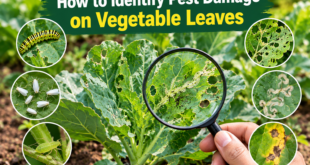
Pests can also explain why vegetable plants stop growing. Aphids, whiteflies, spider mites, caterpillars, and other insects can damage leaves and stems.
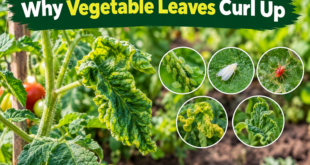
Aphids are particularly common on young growth. They feed on plant sap and can cause leaves to curl or become distorted.
When I notice slow growth, I inspect the underside of leaves and the newest shoots. Small insects, sticky residue, holes, webbing, or damaged leaves can provide clues.
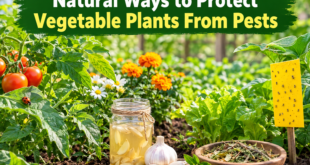
For a small pest problem, physical removal and a strong water spray may help. Encouraging beneficial insects such as ladybugs and lacewings can also support natural pest control.
The earlier pests are discovered, the easier they are usually to manage.
Vegetable Plant Diseases
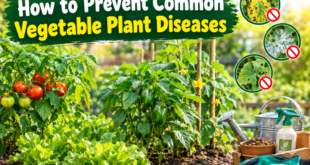
Disease is another possible reason for poor vegetable plant growth. Fungal, bacterial, and viral diseases can affect roots, stems, leaves, and fruits.
Signs may include yellow leaves, spots, wilting, distorted growth, unusual discoloration, or rotting tissue.
If one plant looks significantly different from the healthy plants around it, I inspect it carefully. Removing badly affected plant material and improving air circulation can sometimes reduce the spread of certain problems.
Good garden hygiene is also important. Removing dead leaves and avoiding unnecessary wetting of foliage can help create better growing conditions.
Plants Are Too Crowded
Vegetable plants need enough space for their roots and leaves. When plants are crowded together, they compete for sunlight, water, nutrients, and air circulation.
I have found that overcrowding can make plants look weak even when the soil and watering routine seem fine.
Following the recommended spacing for each vegetable gives plants more room to develop. Proper spacing also allows air to move between plants, which can help reduce some disease problems.
Thinning seedlings may feel difficult when every plant looks healthy, but giving the strongest plants enough room can lead to better growth.
Poor Air Circulation
Air circulation is often overlooked when gardeners think about vegetable plant growth. Plants growing too closely together may have difficulty drying after watering or rainfall.
High humidity around foliage can create favorable conditions for some fungal diseases.
I try to avoid planting vegetables too closely and prune plants when appropriate. Supporting climbing vegetables can also help keep foliage off the ground and improve air movement.
Good spacing is a simple step that can improve the overall growing environment.
Weeds Compete With Vegetables
Weeds can compete directly with vegetable plants for water, nutrients, sunlight, and growing space.
If weeds become established around young vegetables, the crop may struggle to keep up. I try to remove weeds while they are still small because they are much easier to manage at that stage.
A layer of suitable organic mulch can also help reduce weed growth and conserve soil moisture.
Keeping the area around vegetable plants reasonably clean allows the vegetables to receive more of the resources they need.
The Plant May Simply Need Time
Sometimes a vegetable plant is not actually suffering from a serious problem. It may simply be growing at its natural rate.
Different vegetables grow at different speeds. Some seedlings develop quickly, while others take more time to establish their root systems.
I try not to judge a plant only by its size. New leaves, healthy color, strong stems, and developing roots can all be signs that the plant is progressing normally.
Patience is an important part of gardening. Giving plants suitable conditions and enough time can sometimes be all that is needed.
How to Encourage Vegetable Plants to Grow Again
When a vegetable plant stops growing, I avoid changing everything at once. Instead, I inspect the plant carefully and work through the most likely causes.
First, I check sunlight. Then I examine the soil moisture and drainage. After that, I look for pests, disease symptoms, overcrowding, and signs of nutrient problems.
If the plant is in a container, I also check whether the roots have enough space. For garden plants, I look at soil quality and nearby competition from weeds or other plants.
Once I identify a likely problem, I make one change at a time and observe the plant. This makes it easier to understand what is actually helping.
Final Thoughts
There are many reasons why vegetable plants stop growing, and the cause is not always obvious. Lack of sunlight, poor soil, incorrect watering, temperature stress, nutrient problems, pests, diseases, crowded planting, and root issues can all affect vegetable plant growth.
In my experience, the best approach is to inspect the plant carefully instead of immediately assuming that fertilizer is the answer. A plant is constantly giving us clues through its leaves, stems, roots, and overall appearance.
When I provide vegetables with suitable sunlight, healthy soil, consistent moisture, enough space, and protection from serious pests, they generally have a much better opportunity to grow well.
Gardening is a process of observation and adjustment. If a vegetable plant stops growing, do not give up immediately. Take some time to understand what the plant needs, correct the underlying problem, and give it time to recover. With proper care and patience, many struggling vegetable plants can return to healthy growth and eventually produce a rewarding harvest.