 dolphinshave2stomachs
Related Articles
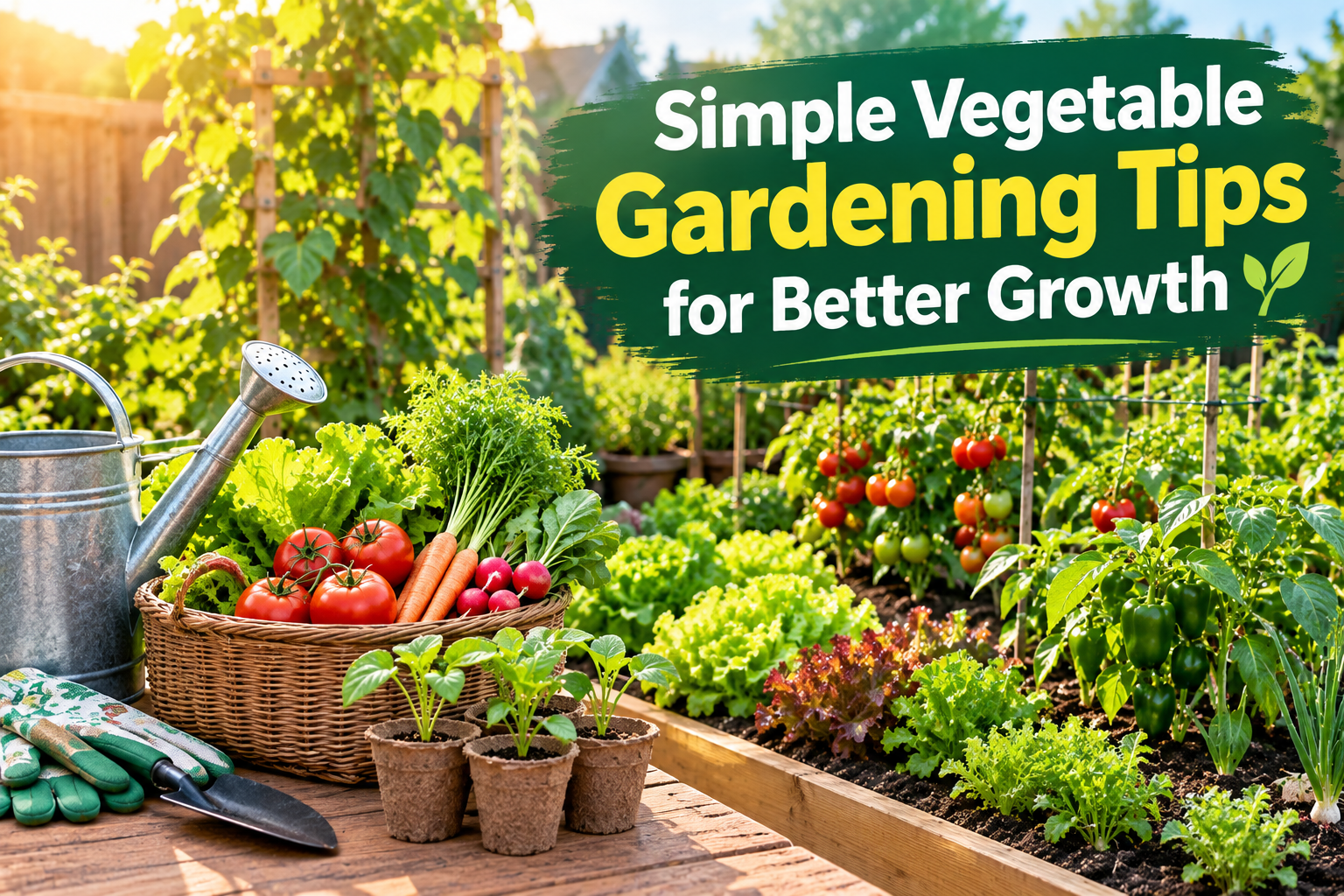
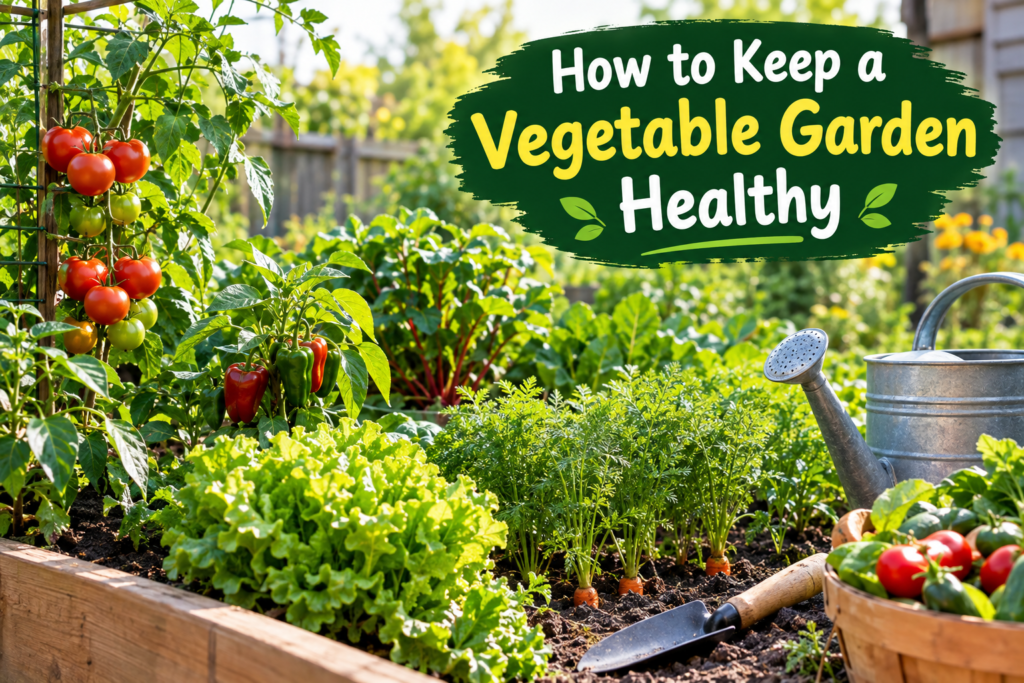
Keeping a vegetable garden healthy is not only about planting seeds and watering them every day. In my experience, a healthy garden comes from regular observation, good soil, proper watering, enough sunlight, suitable nutrition, and early attention to problems. When these simple things become part of your routine, growing vegetables becomes much easier and more enjoyable.
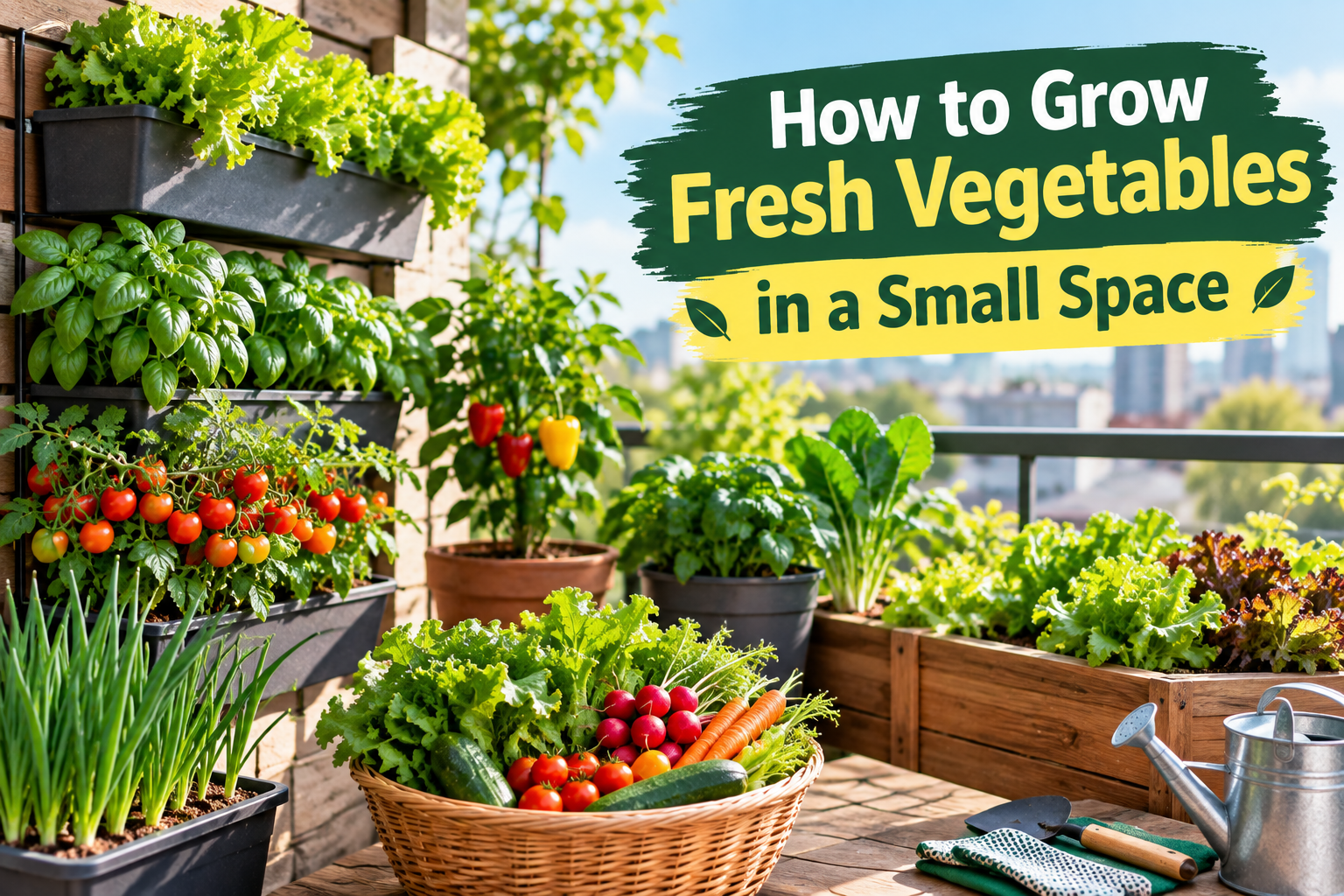
A vegetable garden can look beautiful when plants are growing strongly, but healthy plants also give you better harvests and are generally more capable of handling everyday growing challenges. Whether you have a small backyard garden, raised beds, or vegetables growing in containers, the basic principles are similar.
In this guide, I will share practical ways to keep a vegetable garden healthy throughout the growing season.
Start With Healthy Soil
I believe healthy soil is the foundation of every successful vegetable garden. Plants depend on the soil for water, nutrients, air, and support. If the soil is poor or heavily compacted, vegetables may struggle even when you water them regularly.
Before planting, take some time to prepare the soil. Remove weeds, stones, and old plant material, then loosen the soil so roots can spread more easily.
Adding compost is one of the simplest ways to improve garden soil. Organic matter can help improve soil structure and provide nutrients for plants. If you have access to well prepared compost, adding it before planting can give your vegetable garden a strong start.
Avoid adding fertilizer simply because you think more nutrients will always mean better growth. Too much fertilizer can cause problems. It is better to understand what your soil and plants actually need.
Give Plants Enough Sunlight
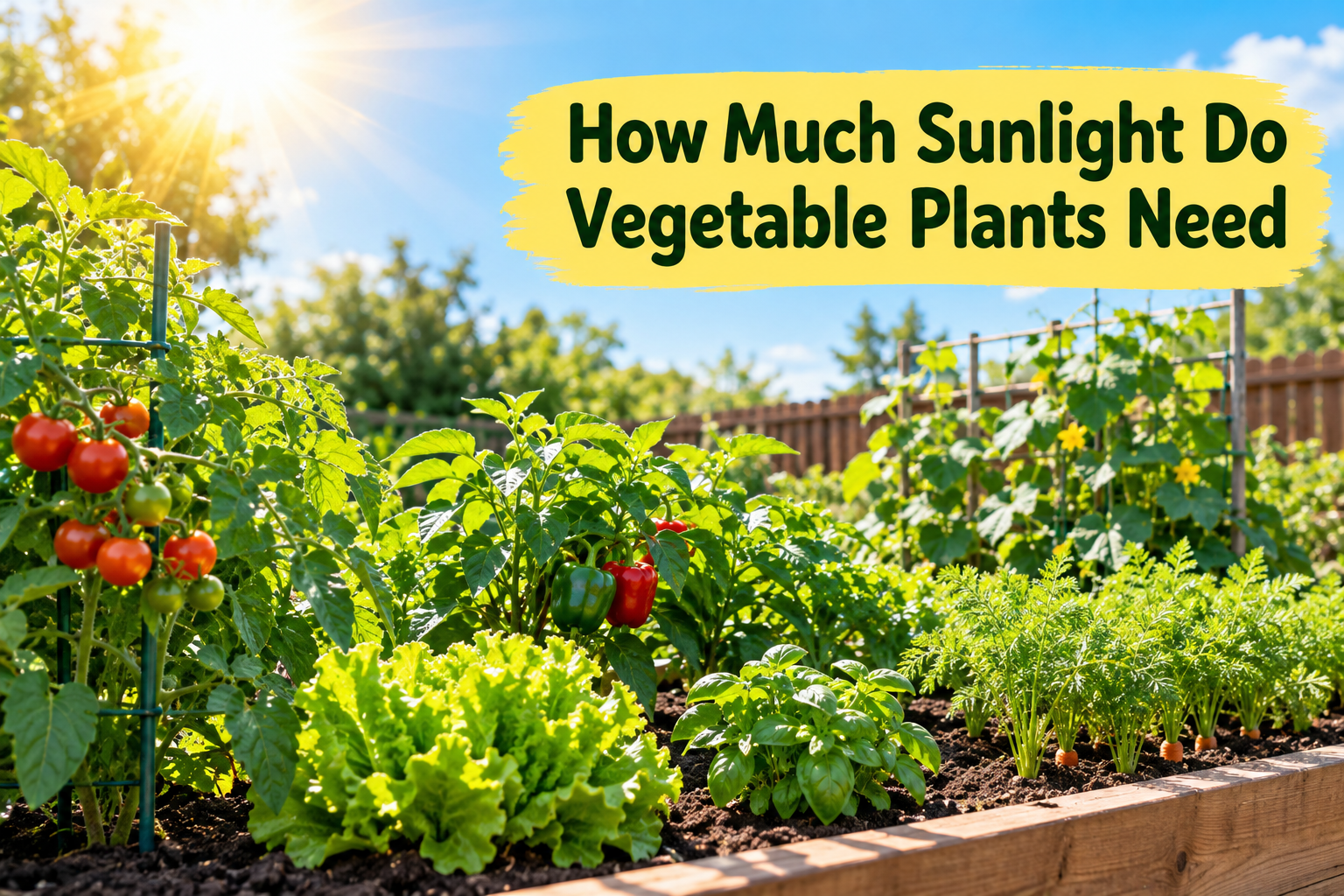
Sunlight is another important part of keeping a vegetable garden healthy. Most vegetables need several hours of direct sunlight each day to grow properly.
Vegetables such as tomatoes, peppers, cucumbers, beans, and squash usually appreciate plenty of sunlight. Leafy vegetables such as lettuce and spinach can be more tolerant of partial shade, depending on the variety and local conditions.
Before planting, observe your garden during the day. Notice which areas receive direct sunlight and which areas remain shaded.
If your plants are growing slowly, producing fewer vegetables, or becoming unusually thin and stretched, insufficient light could be one possible reason.
Good sunlight helps plants produce energy through photosynthesis and supports healthy growth.
Water Your Garden Correctly
Watering sounds simple, but it is one of the areas where gardeners often make mistakes. Both too little water and too much water can cause problems.
I prefer checking the soil before watering instead of following a strict schedule every day. Weather conditions can change quickly, and plants do not always need the same amount of water.
Push your finger gently into the soil near a plant. If the soil is still moist below the surface, you may not need to water immediately.
When watering, direct the water toward the soil around the plant rather than constantly soaking the leaves. Watering close to the root area allows moisture to reach the part of the plant that needs it most.
Morning is often a convenient time for watering because plants have time to use the moisture during the day.
Remember that containers can dry out faster than garden beds, especially during hot weather.
Keep the Garden Free From Weeds
Weeds compete with vegetables for water, nutrients, sunlight, and growing space. A few weeds may not seem like a serious problem, but allowing them to grow unchecked can make garden maintenance much harder.
I find that removing small weeds regularly is easier than waiting until they become large.
Pull weeds carefully when the soil is slightly moist, making sure you remove as much of the root as possible. Be careful around young vegetable plants because their roots can sometimes be close to the surface.
Mulching around vegetables can also help reduce weed growth. Organic materials such as clean straw, dried leaves, or suitable garden mulch can cover exposed soil and make it harder for many weeds to emerge.
Use Mulch Around Your Plants
Mulch can make a noticeable difference in garden maintenance. It helps cover bare soil, conserve moisture, and reduce weed growth.
A suitable layer of mulch can also protect the soil surface from drying out quickly during hot weather.
When applying mulch, avoid piling it directly against the stems of your vegetables. Leave some space around the base of each plant.
Mulch should support your garden rather than create a constantly wet environment around plant stems.
For me, one of the biggest benefits of mulch is that it makes the garden easier to manage. When soil moisture is maintained more consistently and fewer weeds appear, there is less daily work.
Feed Vegetables According to Their Needs
Vegetables need nutrients for healthy leaves, roots, flowers, and fruits. However, different plants can have different nutritional requirements.
Compost is a useful source of organic matter and nutrients. Depending on your soil and the vegetables you grow, you may also use an appropriate garden fertilizer.
Always follow the instructions on a fertilizer product. Applying more than recommended does not necessarily produce healthier vegetables.
Watch your plants for changes in growth and appearance. Poor growth can have many possible causes, including inadequate light, water problems, poor soil, pests, disease, or nutrient issues.
Instead of immediately adding fertilizer whenever a plant looks unhealthy, I recommend checking the basic growing conditions first.
Inspect Plants Regularly
One of the best habits for keeping a vegetable garden healthy is simply looking at it regularly.
You do not need to spend hours inspecting every plant. A few minutes can be enough to notice changes.
Look at the leaves, stems, flowers, and fruit. Check for holes, discoloration, wilting, unusual spots, or insects.
Early detection can make many garden problems easier to manage. If you notice something unusual, take some time to identify the possible cause before deciding what to do.
Regular observation also helps you understand your plants. Over time, you become more familiar with how healthy growth looks, making it easier to recognize changes.
Manage Garden Pests Carefully
Pests are a normal part of gardening. Finding an insect on a plant does not automatically mean you need to remove everything from the garden.
Some insects can be beneficial because they may pollinate flowers or feed on other insects.
When you notice plant damage, first try to identify what is causing it. Look for insects, eggs, feeding marks, or other signs.
For small pest problems, physically removing insects or damaged leaves may sometimes be enough. Maintaining healthy plants and a clean growing area can also help reduce problems.
Avoid using garden treatments unnecessarily. If you need to use a pest control product, carefully follow its label instructions and make sure it is appropriate for the plant and situation.
Give Plants Enough Space
Proper spacing is important for healthy vegetable plants. Crowded plants compete for resources and may have reduced airflow around their leaves.
Poor airflow can create a more favorable environment for certain plant diseases, especially when leaves remain wet for long periods.
Follow the spacing recommendations provided with your seeds or plants. It can be tempting to place seedlings close together because they look small at planting time, but remember that many vegetables become much larger as they mature.
Good spacing also makes it easier to water, inspect, weed, and harvest your garden.
Remove Damaged Plant Material
Regularly remove leaves, fruits, or stems that are clearly damaged or dead. Leaving unhealthy plant material in the garden can make maintenance more difficult.
If a plant has a serious disease problem, avoid placing questionable material into your compost unless you know your composting system can safely handle it.
Clean gardening tools when moving between plants, especially when you are dealing with suspected plant disease.
Keeping the garden tidy does not mean removing every imperfect leaf. Plants naturally have some damaged leaves as they grow. The goal is to manage obvious problems without disturbing healthy growth unnecessarily.
Support Growing Plants
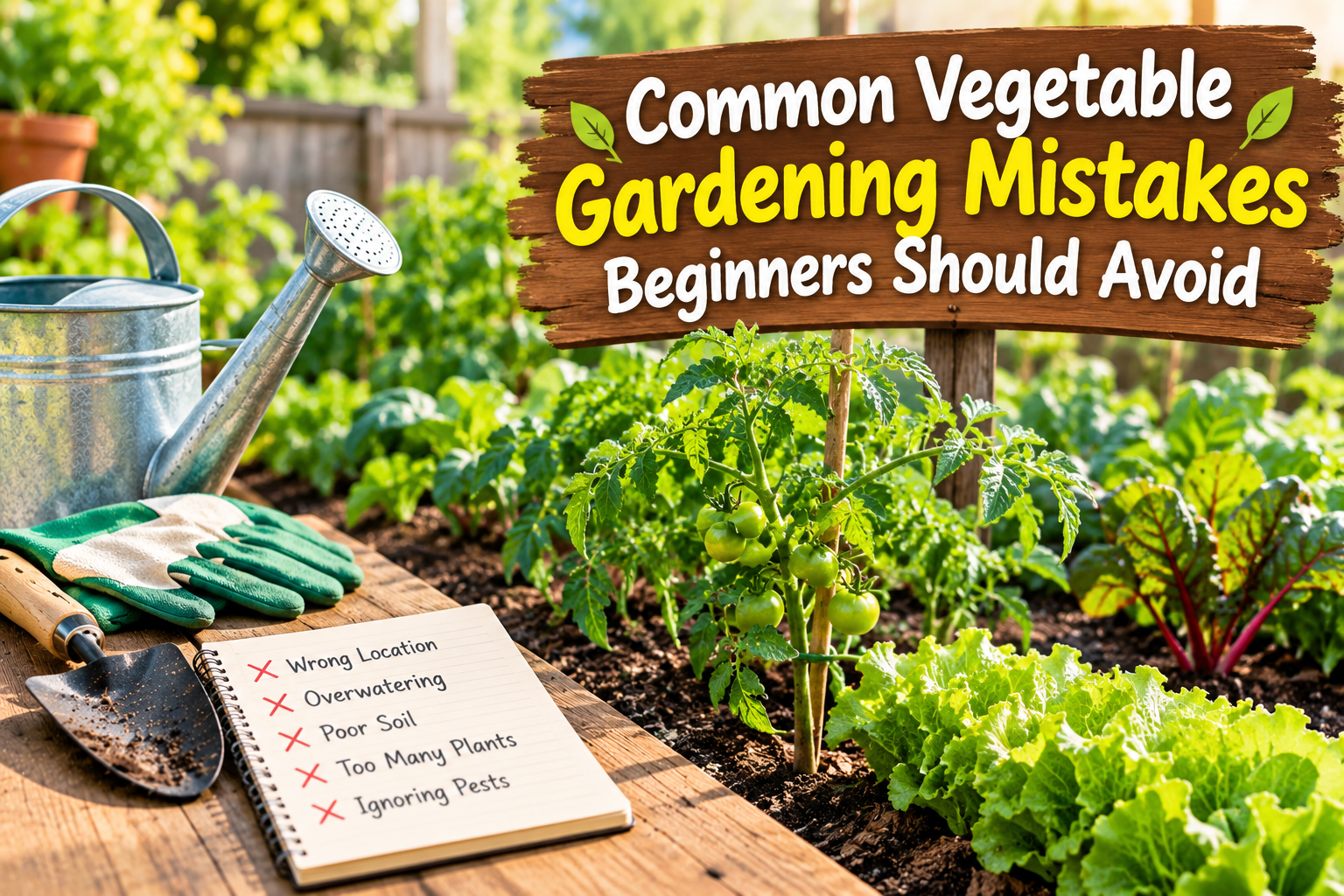
Some vegetable plants need physical support as they become larger. Tomatoes, climbing beans, peas, and some cucumber varieties can benefit from stakes, cages, or trellises.
Supporting plants keeps their growth more organized and can help prevent heavy stems from bending or breaking.
It can also make harvesting easier because fruits are easier to see and reach.
I recommend installing supports early rather than waiting until a plant becomes large and difficult to manage. Gentle support from the beginning can make the growing season much easier.
Rotate Crops When Possible
If you grow vegetables in the same garden every year, crop rotation can be a useful practice.
Instead of planting the same type of vegetable in exactly the same location each season, move different plant families around when your space allows.
Crop rotation can help reduce the chance of certain soil related pest and disease problems building up over time. It can also help you make better use of available nutrients.
If you have a very small garden, you may not be able to rotate everything perfectly. Even simple changes can still be useful.
Keep the Garden Clean
A clean garden is easier to monitor and maintain. Remove fallen fruit, dead leaves, unnecessary weeds, and other unwanted debris when appropriate.
At the end of the growing season, remove old vegetable plants that are no longer producing. Healthy plant material can often be composted properly.
Clean tools should also be stored safely and kept in good condition. Sharp and clean tools make gardening tasks easier and can help you avoid unnecessary damage to plants.
Protect Plants From Extreme Weather
Weather can change quickly, and extreme conditions can put stress on vegetables.
During very hot weather, consistent soil moisture becomes especially important. Mulch can help reduce moisture loss from the soil.
During heavy rain, make sure your garden has adequate drainage. Plants should not remain in standing water for extended periods.
Strong winds can damage tall plants, so supports can be especially helpful in exposed locations.
If you grow vegetables in containers, you may be able to move smaller containers to a more protected area during severe weather.
Harvest Vegetables at the Right Time
Harvesting is an important part of maintaining a productive vegetable garden. Leaving mature vegetables on plants for too long can sometimes reduce continued production, depending on the crop.
Check your vegetables regularly and learn what each variety looks like when it is ready to harvest.
Use clean tools when necessary and handle plants gently. Avoid pulling or twisting stems aggressively because this can damage the plant.
Regular harvesting also gives you an opportunity to inspect plants and notice potential pest or disease problems.
Final Thoughts
Keeping a vegetable garden healthy does not require complicated techniques. In my opinion, the most important thing is consistency. Healthy soil, proper sunlight, sensible watering, good spacing, regular inspection, weed control, and timely harvesting can make a significant difference.
Do not expect your garden to look perfect every day. Plants naturally experience changes as they grow, and every season can teach you something new.
Start with the basics and pay attention to how your plants respond. If something does not work, learn from it and make a small adjustment next time.
A healthy vegetable garden is built through regular care rather than one big effort. With patience and a little daily attention, you can create a productive garden that provides fresh vegetables while making gardening an enjoyable part of your routine.