 dolphinshave2stomachs
Related Articles
Sunlight is one of the most important things vegetable plants need for healthy growth. When I started learning more about vegetable gardening, I realized that many gardening problems are not always caused by poor soil or incorrect watering. Sometimes the real problem is simply that plants are not getting enough sunlight.
If you are planning a vegetable garden at home, understanding how much sunlight vegetable plants need can help you choose the right location and the right crops. Some vegetables love full sun and need several hours of direct sunlight every day, while others can grow with less light.
In this guide, I will explain the different sunlight requirements for vegetables, how to identify sunny and shady areas, and how you can make the most of the sunlight available in your garden.
Why Sunlight Is Important for Vegetable Plants
Vegetable plants use sunlight to produce energy through a natural process called photosynthesis. This energy helps plants grow leaves, develop strong stems, produce flowers, and eventually create vegetables.
When plants receive enough sunlight, they usually have better growth and stronger development. When they receive too little light, they may become weak, thin, and stretched as they try to reach available light.
Sunlight also plays an important role in fruit production. Vegetables such as tomatoes, peppers, cucumbers, and eggplants generally need plenty of sunlight to produce a healthy harvest.
For this reason, I always recommend checking the sunlight conditions of a garden before deciding where to plant vegetables.
How Many Hours of Sunlight Do Vegetables Need?
Most vegetables can be divided into three general groups based on their sunlight requirements.
Vegetables that need full sun usually perform best with about six to eight hours or more of direct sunlight each day.
Vegetables that tolerate partial sun can often grow with around four to six hours of sunlight.
Shade tolerant vegetables can continue growing with fewer hours of direct sunlight, although their growth and production may vary depending on conditions.
These categories are useful for planning, but they should not be treated as strict rules for every variety. Different vegetables and growing conditions can affect the amount of light a plant actually needs.
Vegetables That Need Full Sun
Many popular garden vegetables prefer full sun. If you have a location that receives six to eight hours of direct sunlight, this is usually a good place for sun loving crops.
Tomatoes are a great example. They need plenty of sunlight to grow strongly and produce fruit. Peppers, eggplants, cucumbers, squash, beans, and many root vegetables also appreciate sunny conditions.
Corn is another vegetable that benefits from a sunny location. Melons and pumpkins also generally need plenty of sunlight because they produce large plants and fruit.
When I plan a garden, I like to reserve the brightest areas for vegetables that have high sunlight requirements. This helps make better use of the available space.
Vegetables That Can Tolerate Partial Sun
Not every vegetable needs all day sunlight. Some crops can grow reasonably well when they receive only part of the day’s direct light.
Leafy vegetables are often more tolerant of lower light conditions. Lettuce, spinach, kale, and Swiss chard can be suitable choices for areas that do not receive as much direct sunlight as an open garden.
Some herbs can also tolerate partial sun, although their exact requirements vary.
If your garden has areas that receive around four to six hours of sunlight, do not assume that you cannot grow anything there. Instead, select vegetables that are more comfortable with partial sun.
Understanding Morning and Afternoon Sun
Not all sunlight is exactly the same from a gardening perspective. Morning and afternoon conditions can be quite different, especially in hot climates.
Morning sunlight is generally softer and cooler. Afternoon sunlight can be much stronger and hotter.
In a warm climate, plants can sometimes benefit from protection from intense afternoon heat. However, vegetables that require full sun still need sufficient direct light for healthy growth.
When choosing a garden location, I recommend observing the area at different times rather than judging it based on one quick look.
How to Measure Sunlight in Your Garden
You do not need expensive equipment to understand how much sunlight your garden receives.
One simple method is to observe the area throughout the day. Start in the morning and check the garden every couple of hours. Write down whether the area is receiving direct sunlight or shade.
For example, you might discover that one section receives direct sunlight from 8 AM until 2 PM, while another area receives sunlight only in the morning.
This information can be extremely useful when deciding where to plant different vegetables.
Remember that sunlight patterns can change during the year. Trees, buildings, fences, and the position of the sun can create different conditions in different seasons.
Watch Out for Shadows
Shadows are one of the biggest reasons a garden may receive less sunlight than expected.
A garden might look sunny when you first inspect it, but a nearby tree or building may block the sun for several hours.
Pay attention to shadows from walls, fences, houses, sheds, trees, and even large plants.
If possible, observe your potential garden area during the entire day before planting. This can help you identify the brightest locations and avoid putting sun loving vegetables in areas that become shaded too early.
Sunlight Requirements for Common Vegetables
Here is a simple guide to some common vegetables.
Tomatoes generally prefer full sun and perform best when they receive plenty of direct light.
Peppers also prefer sunny conditions and can benefit from a warm, bright location.
Cucumbers grow well in full sun and need enough light to support their vigorous growth.
Carrots can grow in sunny locations and may tolerate some partial shade.
Radishes are relatively flexible and can grow in full sun to partial shade depending on conditions.
Lettuce can tolerate less sunlight than many fruiting vegetables and can be useful in partially shaded areas.
Spinach can also tolerate lower light conditions, especially during cooler growing periods.
Beans generally perform well in sunny locations.
Potatoes usually benefit from a sunny garden position.
These are general guidelines, so it is always useful to check the specific variety you are growing.
What Happens When Vegetables Do Not Get Enough Sunlight?
Insufficient sunlight can affect vegetable growth in several ways.
Plants may become tall and thin as they stretch toward available light. Leaves may appear smaller, and overall growth can become slower.
Fruiting plants can be particularly affected. A tomato plant may continue growing leaves but produce fewer flowers and fruits when light levels are inadequate.
Low light can also make it harder for some vegetables to reach their expected size.
If your plants are struggling, sunlight should be one of the things you investigate along with watering, soil quality, nutrition, pests, and temperature.
Can Vegetables Get Too Much Sunlight?
More sunlight is not always better under every condition.
In very hot weather, intense sunlight combined with high temperatures can cause stress. Plants may wilt during the hottest part of the day, and soil can lose moisture quickly.
This does not necessarily mean that you should move sun loving vegetables into deep shade. Instead, focus on keeping the plants properly watered and maintaining healthy soil moisture.
Organic mulch can also help reduce moisture loss from the soil surface.
In extremely hot conditions, some vegetables may benefit from temporary protection during the harshest part of the day.
How to Use a Small Garden Efficiently
If you have a small garden, sunlight becomes even more important because every growing space matters.
Place taller vegetables where they will not block sunlight from shorter plants. For example, tall crops can create shadows over smaller vegetables if they are planted in the wrong position.
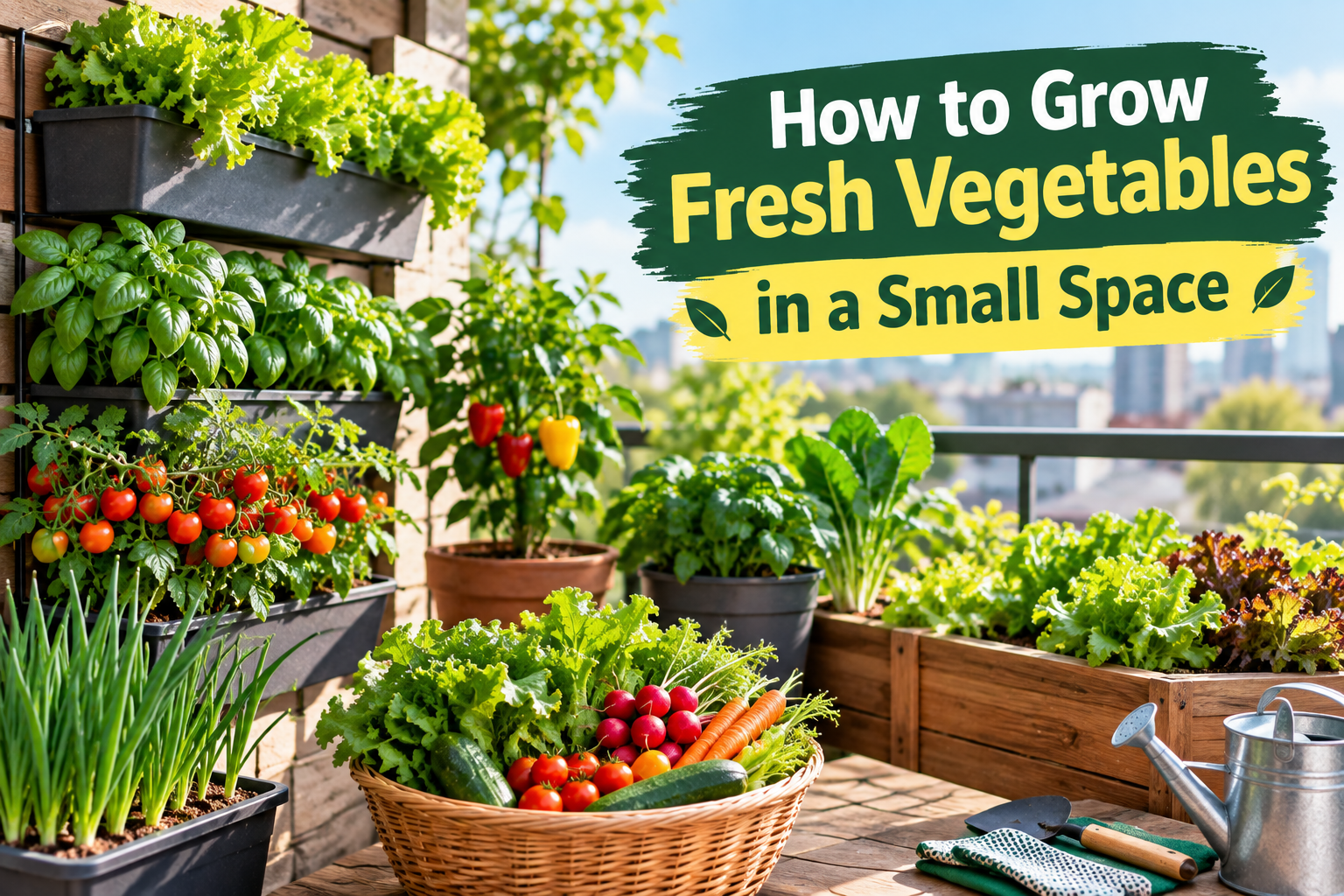
You can also use containers and raised beds to take advantage of sunny areas around your home.
A sunny balcony, patio, or small backyard space can sometimes be used successfully for vegetables when you select suitable containers and crops.
Consider Seasonal Changes
The amount of sunlight reaching your garden can change throughout the year.
The sun’s position changes with the seasons, and trees may have different amounts of foliage. A garden that receives excellent sunlight in one season may become more shaded during another.
This is particularly important if you are planning a garden for multiple growing seasons.
I find it helpful to think about the garden as a changing environment rather than assuming that sunlight conditions will always remain the same.
What If Your Garden Does Not Get Enough Sun?
If your garden receives limited sunlight, there are still options.
Start by selecting vegetables that tolerate partial shade. Leafy greens and certain herbs can be good choices.
You can also look for ways to reduce unnecessary shade. For example, trimming suitable branches from trees may increase available light, although large trees should be managed carefully.
Containers provide another useful solution because they can sometimes be moved to brighter locations.
The important thing is to work with the sunlight you have rather than fighting against it.
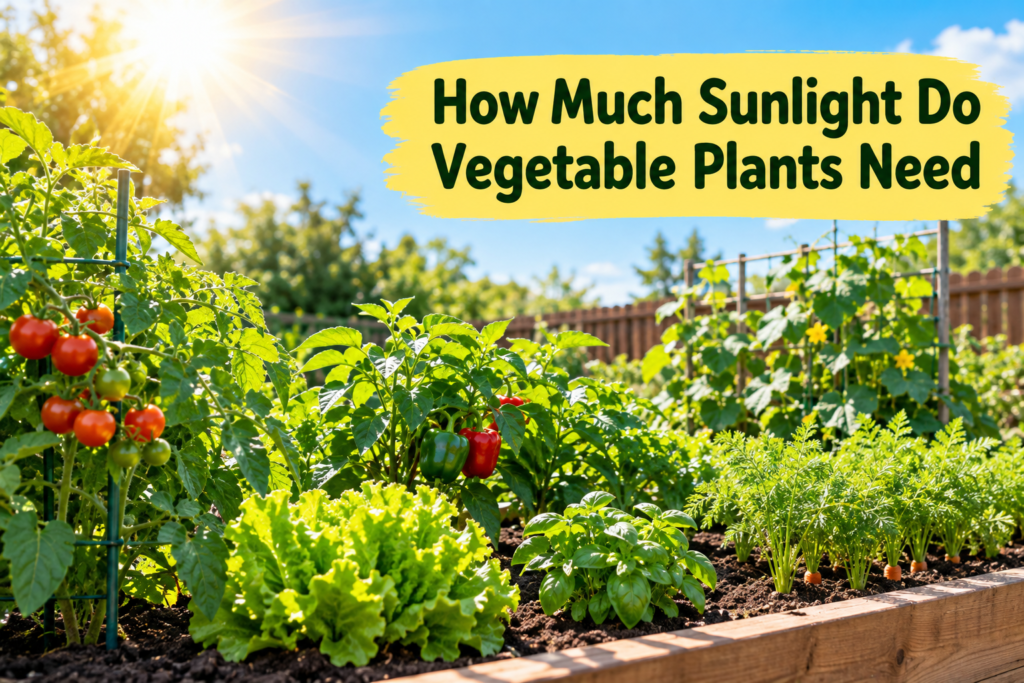
My Simple Approach to Garden Sunlight
When choosing where to plant vegetables, I like to keep things simple. First, I identify the brightest parts of the garden. These areas are reserved for vegetables that need lots of sunlight.
Next, I identify areas that receive moderate sunlight. These can be used for crops that tolerate partial sun.
Finally, I look at the shadier areas and decide whether they are suitable for shade tolerant vegetables or better used for another purpose.
This approach helps me organize the garden according to the natural conditions instead of trying to make every area suitable for every vegetable.
Final Thoughts
Understanding how much sunlight vegetable plants need can make a major difference in your gardening results. Most fruiting vegetables such as tomatoes, peppers, cucumbers, and eggplants prefer plenty of direct sunlight, while vegetables such as lettuce and spinach can tolerate lower light conditions.
Before planting, take some time to observe your garden. Look at how sunlight moves across the space, identify areas affected by shadows, and consider how conditions may change during different seasons.
In my opinion, choosing the right plant for the right amount of sunlight is one of the simplest ways to make vegetable gardening easier. You do not need a perfect garden or a huge amount of space. By understanding your available sunlight and selecting vegetables accordingly, you can create a productive home garden and enjoy fresh vegetables throughout the growing season.