 dolphinshave2stomachs
Related Articles
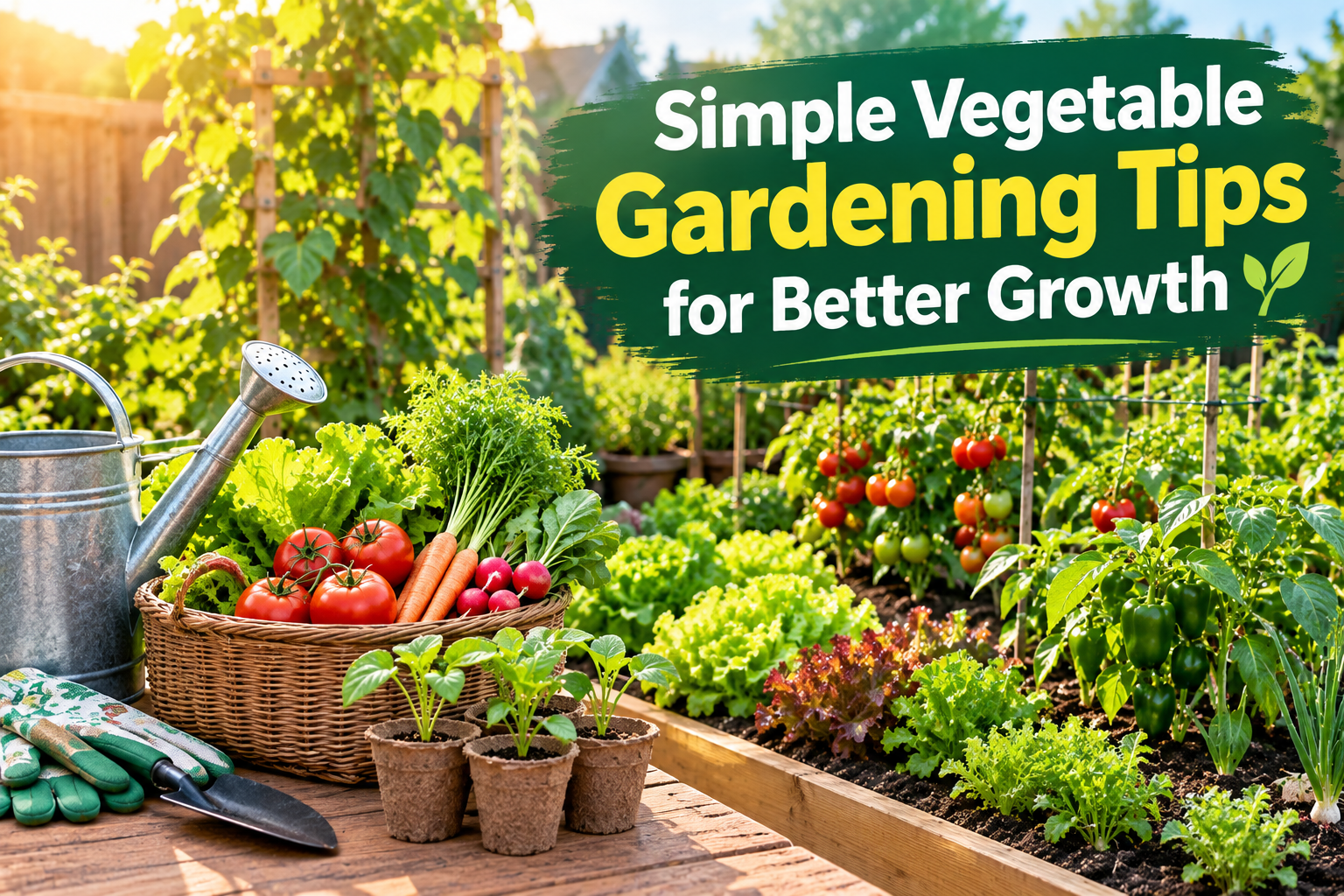
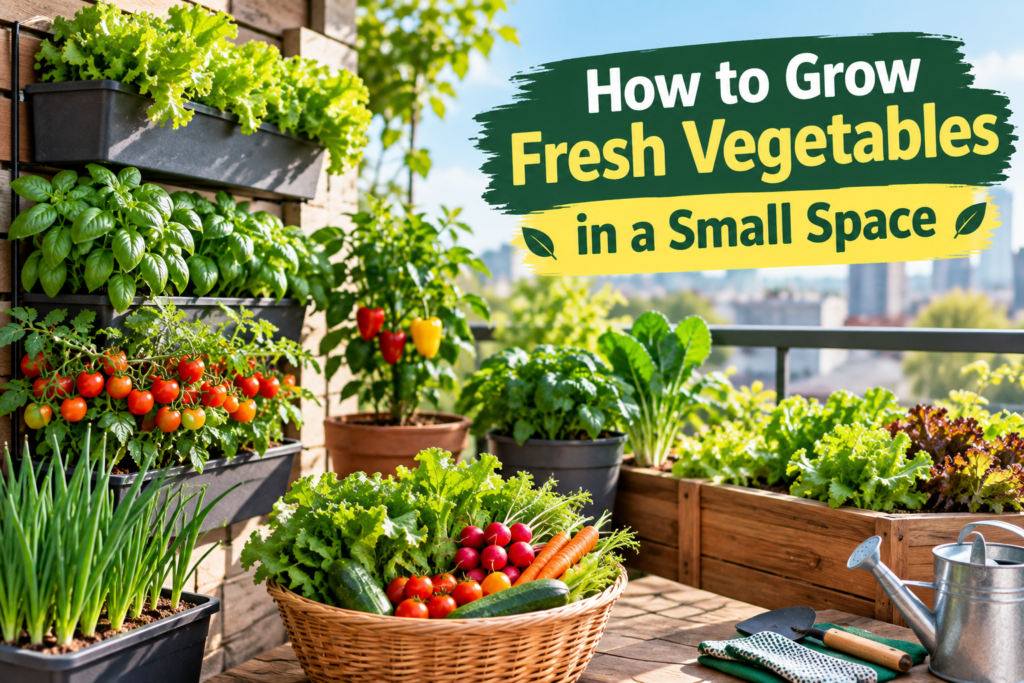
Growing fresh vegetables does not require a large backyard. With the right planning, even a small balcony, patio, rooftop, windowsill, or compact outdoor area can become a productive vegetable garden. I believe small space gardening is actually a great way for beginners to start because it allows you to focus on a few plants and learn how they grow without feeling overwhelmed.
The most important thing is to use the space wisely. Instead of thinking about how much ground you have, think about how you can use containers, shelves, walls, corners, and vertical areas. With suitable vegetables, good soil, enough sunlight, and regular care, growing fresh vegetables at home can be simple and enjoyable.
Choose the Right Location
The first step in growing fresh vegetables in a small space is finding the right location. Most vegetables need plenty of sunlight for healthy growth. Before placing your containers, observe your space during the day and see how much direct sunlight it receives.
A sunny balcony or patio can be excellent for vegetables such as tomatoes, peppers, cucumbers, and beans. Areas with less sunlight may be better suited to leafy vegetables such as lettuce, spinach, and some herbs.
Accessibility is also important. I prefer keeping a small garden somewhere that I can easily check every day. When plants are close to your home, watering, harvesting, and checking for pests becomes part of your normal routine.
Select Vegetables That Fit Your Space
Not every vegetable is suitable for a small garden. Some plants need a lot of room for their roots or spread across a large area. Choosing compact varieties can make a major difference.
Lettuce, radishes, green onions, spinach, carrots, peppers, and cherry tomatoes are useful choices for small gardens. Bush beans can also work well when you have enough sunlight.
If you want to grow cucumbers or climbing beans, consider using a trellis. This allows the plants to grow upward instead of taking up valuable floor space.
When choosing seeds or plants, check the expected mature size. A small plant at the garden center can become much larger after several weeks.
Use Containers Effectively
Containers are one of the easiest ways to grow vegetables when you do not have a traditional garden bed. You can use pots, planters, window boxes, and other suitable gardening containers.
The container should have drainage holes because excess water needs somewhere to escape. Poor drainage can create problems for plant roots and may lead to unhealthy growth.
Choose a container based on the vegetable you want to grow. Leafy greens can often grow in shallower containers, while tomatoes, peppers, and root vegetables usually need more room.
Do not place too many plants in one container. Giving plants enough space allows their roots and leaves to develop properly.
Prepare Good Soil
Healthy soil is one of the foundations of a successful vegetable garden. Container vegetables depend heavily on the growing medium because they have limited space from which to obtain nutrients.
For container gardening, use a suitable quality potting mix rather than relying only on ordinary soil from the ground. A good growing medium should provide support, drainage, and enough moisture retention for the plants.
Before planting, make sure the soil is loose and free from large pieces of debris. If you are reusing a container, clean it before filling it with fresh growing material.
Over time, nutrients can become depleted, so plants may benefit from suitable organic matter or fertilizer according to the needs of the vegetable.
Make Use of Vertical Space
One of my favorite techniques for small space gardening is growing vertically. When floor space is limited, look upward.
Climbing vegetables such as cucumbers, pole beans, and some tomato varieties can be trained on trellises or supports. This keeps vines off the ground and makes better use of the available area.
Vertical gardening can also improve air movement around plants and make harvesting easier. However, always make sure that the support is strong enough to handle the mature plant.
Shelves can also be useful for smaller containers. Place plants according to their sunlight requirements and avoid creating too much shade for the vegetables below.
Grow Vegetables in Stages
You do not have to plant everything at the same time. Succession planting can help you make better use of a small garden.
For example, instead of planting a large number of lettuce plants on one day, you can plant smaller amounts at different times. This can provide a more regular supply of fresh leaves.
The same approach can work with radishes and other quick growing vegetables. Once one crop is harvested, you can prepare the container for another suitable crop.
This method is particularly useful when every container matters because it helps keep your growing space productive throughout the season.
Water Your Plants Properly
Watering is one of the most important parts of growing vegetables at home. Containers can dry out more quickly than garden beds, especially during hot weather.
Check the soil regularly rather than watering according to a strict schedule. If the upper layer feels dry and the plant needs moisture, water thoroughly until some water begins to leave the drainage holes.
Try to water the soil rather than constantly wetting the leaves. Watering in the morning can also be convenient because plants have time to absorb moisture during the day.
At the same time, avoid overwatering. More water does not always mean healthier plants. Good drainage and balanced watering are essential.
Give Plants Enough Sunlight
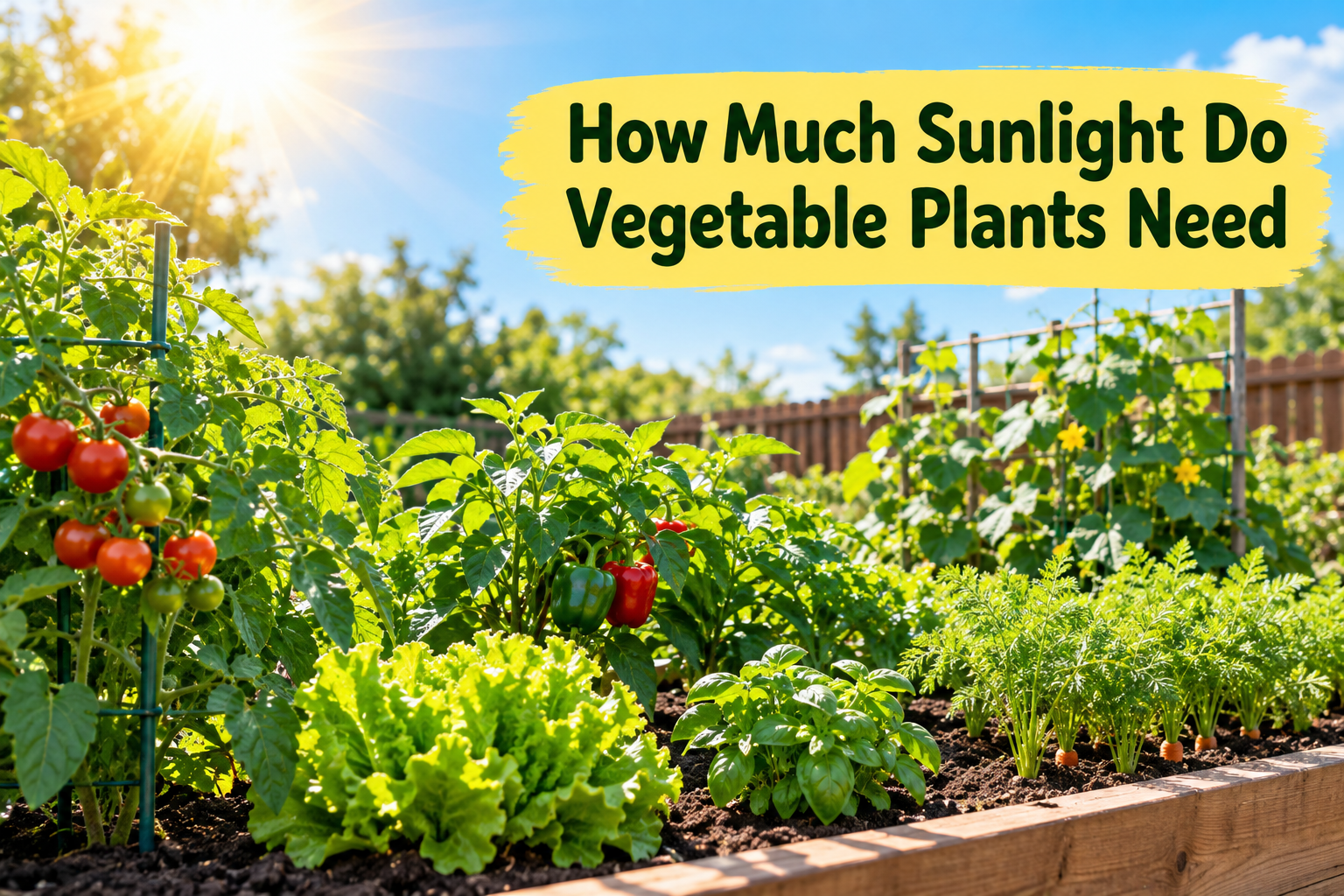
Sunlight provides the energy plants need for healthy growth. Before growing vegetables in a small space, understand how much sunlight your location receives.
Tomatoes and peppers generally perform better in sunny conditions. Leafy vegetables may be more flexible depending on the variety and local climate.
If nearby walls, buildings, trees, or other structures create shade, move containers when practical. One advantage of container gardening is that you can sometimes adjust the position of your plants.
Keep observing the garden as the seasons change because the angle and duration of sunlight can change throughout the year.
Feed Your Vegetables
Vegetables growing in containers have limited access to nutrients. As plants grow, they use nutrients from the growing medium, so feeding may become necessary.
Use a fertilizer appropriate for vegetables and follow the product instructions carefully. Avoid applying more fertilizer simply because you want faster growth. Excess fertilizer can damage plants and create other problems.
Organic options such as well prepared compost can also be useful when incorporated appropriately into your growing system.
The goal is not to feed plants constantly. The goal is to provide balanced nutrition while paying attention to how your plants are growing.
Protect Your Plants From Pests
Small gardens can still attract insects and other pests. Regular observation is one of the simplest ways to protect your vegetables.
Check the leaves, stems, and undersides of foliage for signs of insects or damage. Look for unusual holes, curling leaves, discoloration, or sticky residue.
If you notice a problem early, it is usually easier to manage. Remove damaged leaves when appropriate and keep the growing area clean.
Avoid using garden chemicals unnecessarily. If treatment is needed, choose an option suitable for the specific vegetable and follow its label directions carefully.
Harvest Vegetables at the Right Time
Harvesting is one of the most enjoyable parts of growing fresh vegetables at home. Picking vegetables at an appropriate stage can encourage continued production in many crops.
Leafy greens can often be harvested gradually. Green onions can be harvested when they reach a useful size, while radishes and carrots can be removed once their roots have developed sufficiently.
Tomatoes should be harvested according to the variety and desired ripeness. Cucumbers are often better picked while they are still young and tender.
Regular harvesting also gives you an opportunity to inspect plants and notice any new problems.
Common Small Space Gardening Mistakes
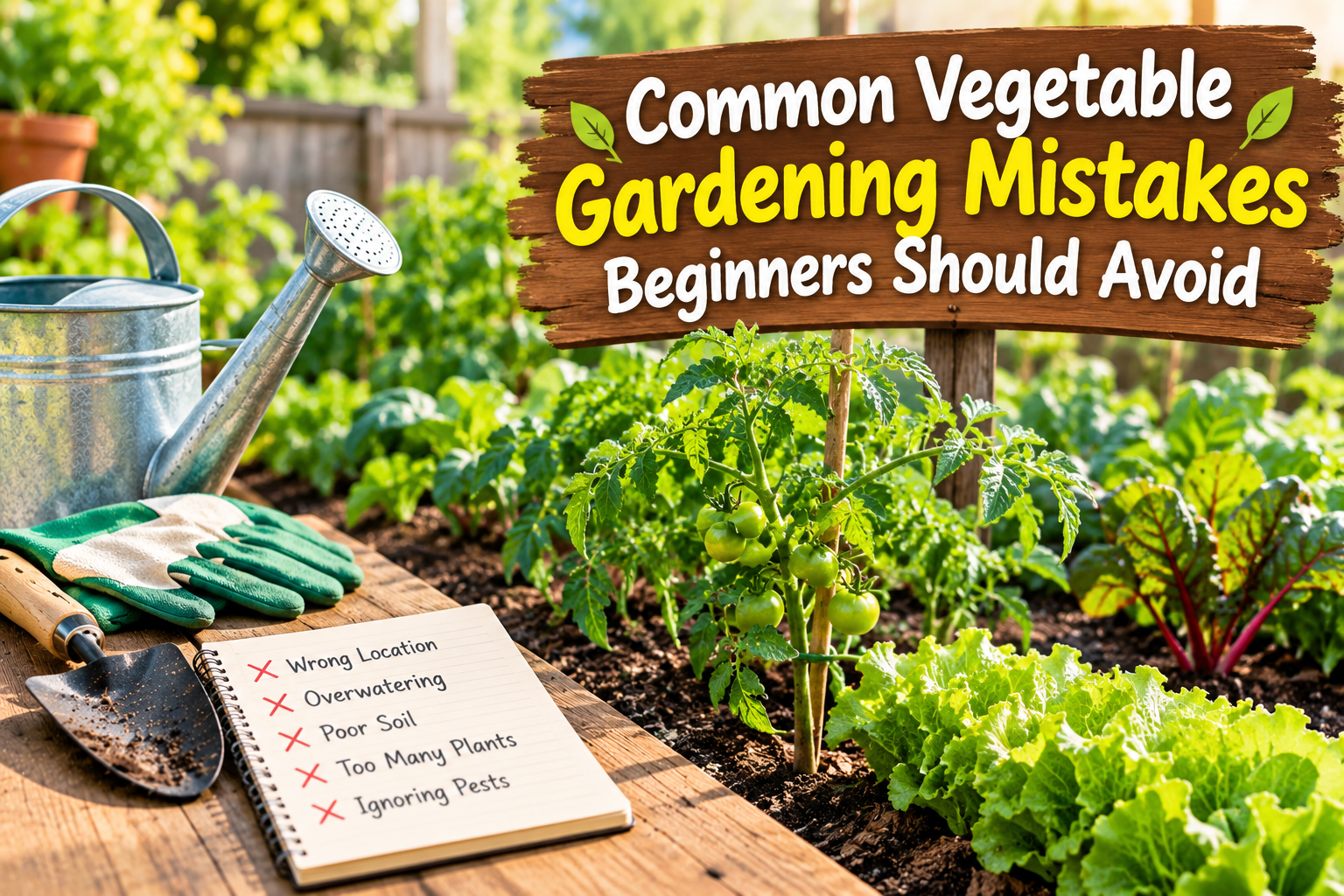
One common mistake is trying to grow too many vegetables in a limited area. Crowded plants compete for sunlight, water, nutrients, and airflow.
Another mistake is choosing containers that are too small. While a small pot may look attractive, it may not provide enough room for a mature vegetable plant.
Poor drainage is another frequent problem. Always check that containers can release excess water.
Some beginners also forget about plant support. Tomatoes, beans, and cucumbers may need support as they grow, so plan for their mature size from the beginning.
Finally, do not become discouraged if a plant fails. Gardening is a learning process. Weather, pests, watering, soil conditions, and seasonal changes can all affect results.
Create a Simple Gardening Routine
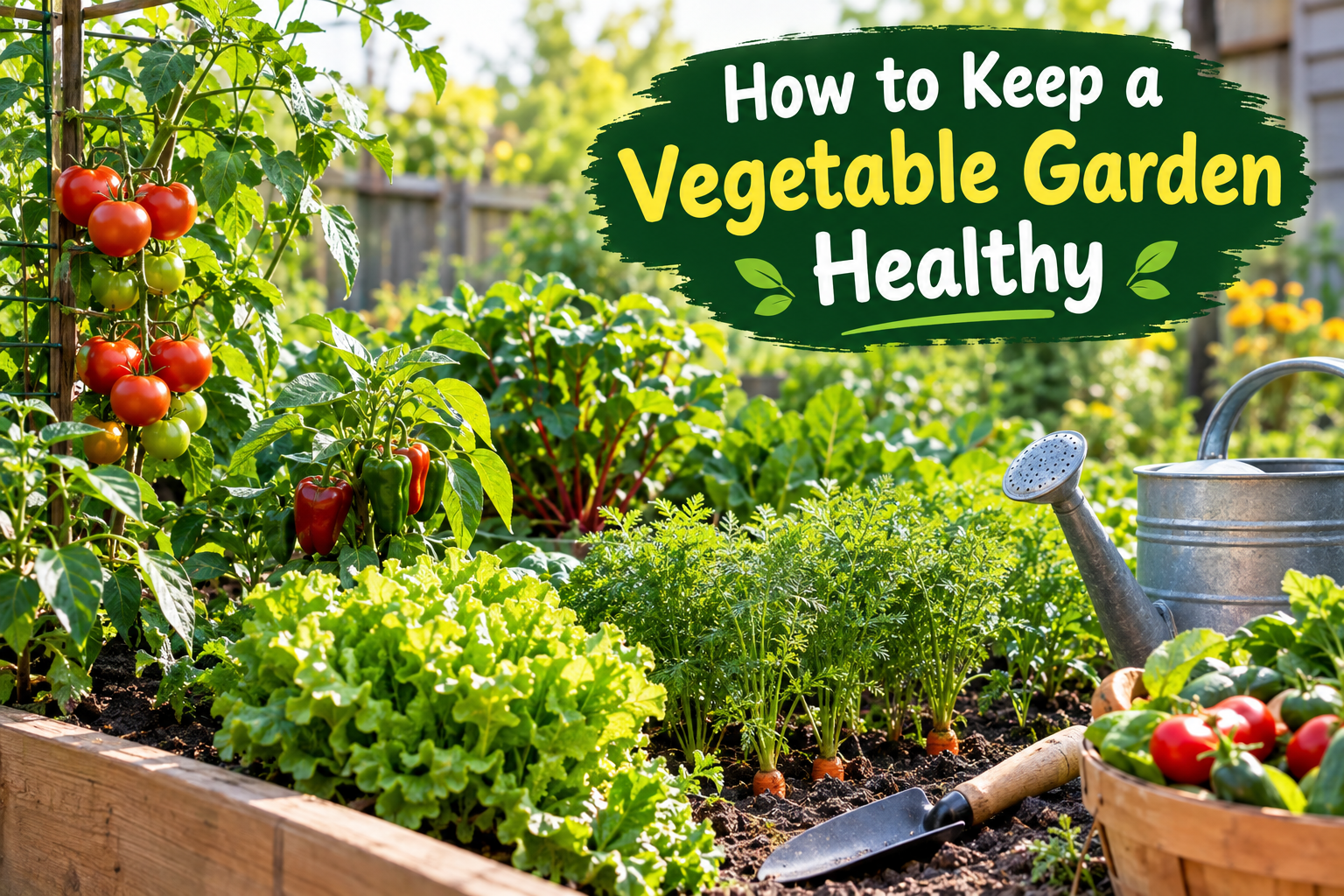
A simple routine can make small space vegetable gardening much easier. Spend a few minutes checking your plants regularly.
Look at the soil, inspect the leaves, remove weeds, check for pests, and harvest anything that is ready. Water when needed instead of following a rigid schedule.
I also recommend keeping simple notes. Write down which vegetables you planted, when you planted them, and how they performed. After a few growing cycles, you will have useful information about what works best in your space.
Final Thoughts
Growing fresh vegetables in a small space is completely possible with thoughtful planning. You do not need a large backyard to enjoy homegrown food. Containers, vertical supports, shelves, and compact vegetable varieties can help you turn a small area into a productive garden.
Start with a few easy vegetables such as lettuce, radishes, green onions, peppers, tomatoes, or spinach. Give them suitable containers, good soil, enough sunlight, and consistent care.
The most important thing is to start small and learn from each growing season. Once you understand your space and the needs of your plants, you can gradually expand your garden and enjoy a regular supply of fresh vegetables grown right at home.