 dolphinshave2stomachs
Related Articles
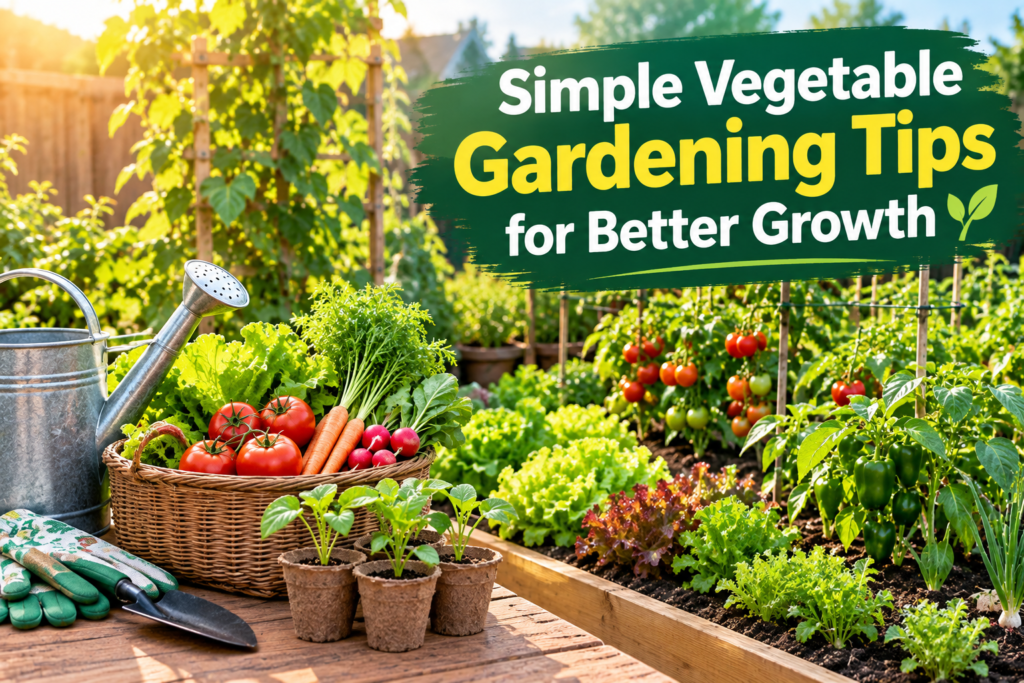
Growing vegetables at home can be much easier when you understand a few simple gardening basics. You do not need a large garden, expensive tools, or years of experience to grow healthy vegetables. In my opinion, the best vegetable gardens are usually the ones that are simple to manage and receive regular attention.
Whether you are growing tomatoes, peppers, lettuce, carrots, radishes, spinach, beans, or herbs, healthy growth depends on several basic things. Good soil, enough sunlight, proper watering, suitable spacing, and regular observation can make a noticeable difference.
In this article, I will share some simple vegetable gardening tips for better growth that beginners can easily follow. These tips can also help experienced gardeners improve their routine and make their vegetable garden more productive.
Choose the Right Location
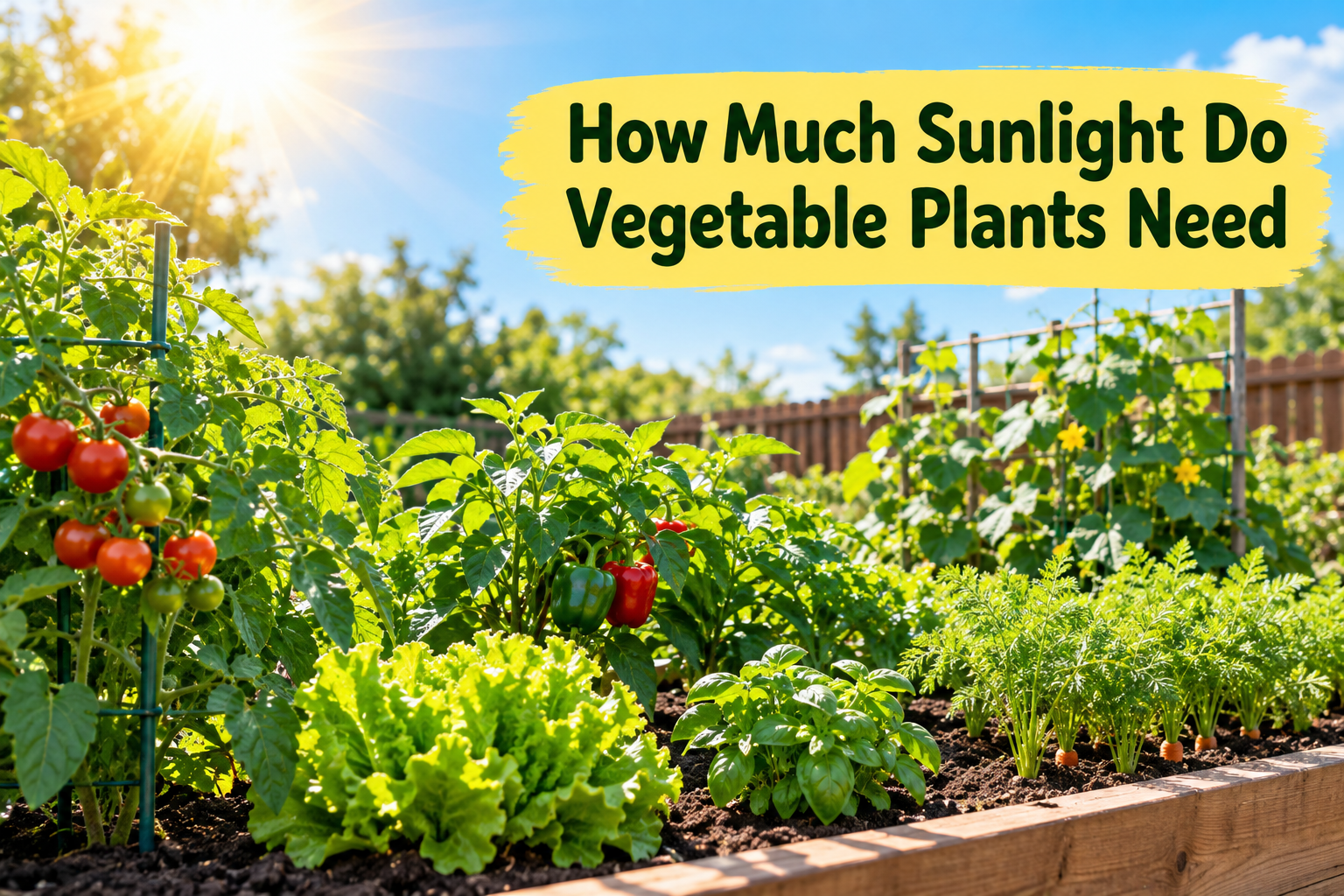
The location of your vegetable garden is one of the first things you should consider. Most vegetables need plenty of sunlight to grow properly, so choose an area that receives several hours of direct sunlight each day.
Before planting, observe the area throughout the day. Some places may receive morning sunlight but become shaded in the afternoon. Other areas may receive strong sunlight for most of the day.
Tomatoes, peppers, cucumbers, and beans generally benefit from good sunlight. Leafy vegetables can sometimes tolerate less direct sunlight, depending on the variety and local conditions.
A convenient location is also important. If your garden is close to your home, you are more likely to check it regularly and notice problems early.
Start With Healthy Soil
Healthy soil is one of the most important foundations of vegetable gardening. Even if you have good seeds and plenty of sunlight, poor soil can limit plant growth.
Before planting, examine the soil. If it is very hard, compacted, or lacking organic matter, consider improving it with suitable compost or other organic material.
Good soil should allow roots to grow comfortably while providing adequate drainage and nutrients. Avoid creating soil that stays constantly wet because excessive moisture can damage roots and create other problems.
If you are gardening in containers, choose a suitable quality potting mix rather than relying entirely on heavy garden soil.
Give Plants Enough Sunlight
Sunlight provides plants with the energy they need for healthy development. When vegetables do not receive enough light, they may become weak, thin, or slow growing.
When planning your garden, place plants according to their sunlight requirements. Taller plants should not unnecessarily block shorter vegetables.
For example, if you are growing tomatoes and lettuce in the same garden, think carefully about their positions. A large tomato plant can eventually create considerable shade.
Observing how sunlight moves across your garden can help you make better planting decisions.
Water Properly
Watering is another important part of vegetable gardening. Both underwatering and overwatering can cause problems.
Instead of watering your plants simply because it is part of your daily routine, check the soil first. If the soil is dry at the depth where the roots are growing, the plants may need water.
Young plants may require more frequent attention, while established plants can have different watering needs depending on the weather and soil.
Watering near the base of plants is often more useful than constantly wetting the leaves. Water requirements can vary considerably between different vegetables, so learn what each crop needs.
Avoid Overwatering
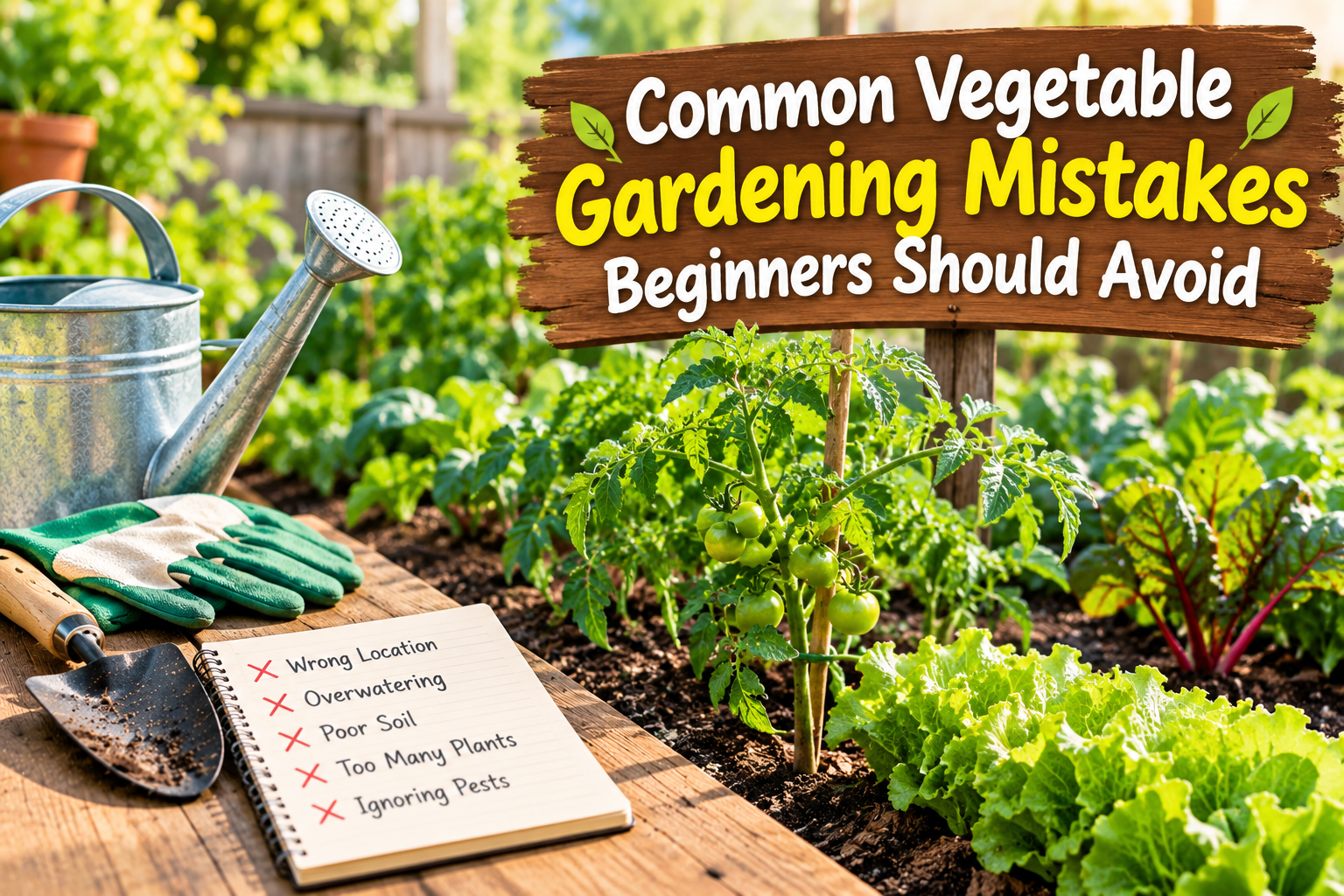
Many new gardeners think that giving vegetables more water will make them grow faster. In reality, excessive watering can create serious problems.
Too much moisture can reduce the amount of air available around roots and may encourage root problems. It can also contribute to certain plant diseases.
Make sure your garden has reasonable drainage. Containers should have drainage holes, and garden beds should not remain saturated after watering.
The goal is consistent moisture rather than constantly wet soil.
Provide Enough Space
Proper spacing is one of the simplest vegetable gardening tips for better growth. Plants need room for their roots, leaves, and branches to develop.
When vegetables are planted too close together, they may compete for sunlight, water, nutrients, and air circulation.
Always check the recommended spacing on the seed packet or plant label. Small seedlings can make the recommended spacing look unnecessarily large, but remember that those seedlings will grow.
Good spacing also makes harvesting and inspecting plants easier.
Choose Vegetables for Your Climate
Every vegetable has preferred growing conditions. Some crops perform better during cooler weather, while others prefer warm conditions.
Before planting, learn which vegetables are suitable for your local growing season. This is especially important if you are a beginner.
Instead of choosing vegetables simply because you like them, consider whether your climate and planting season are suitable for them.
A vegetable planted at the right time generally has a better opportunity to grow successfully than one planted under unsuitable conditions.
Feed Plants Carefully
Vegetables need nutrients to develop leaves, roots, flowers, and fruits. However, adding large amounts of fertilizer without understanding what your plants need is not a good approach.
Start with healthy soil and use compost or fertilizer according to the requirements of your plants and the instructions on the product.
Different vegetables can have different nutrient requirements. Leafy vegetables, root crops, and fruiting plants do not always need exactly the same treatment.
If possible, consider having your soil tested when you are dealing with persistent nutrient problems. This can provide more useful information than guessing.
Remove Weeds Regularly
Weeds compete with vegetables for water, sunlight, nutrients, and growing space. Keeping weeds under control can make your garden easier to manage.
Try to remove weeds while they are still small. Small weeds are usually easier to pull than mature weeds with large root systems.
Be careful when removing weeds around young vegetable plants. Their roots may still be developing, so avoid disturbing the soil unnecessarily.
A layer of suitable organic mulch can also help reduce weed growth while helping the soil retain moisture.
Use Mulch
Mulching is a simple technique that can provide several benefits in a vegetable garden. Organic mulch can help reduce moisture loss from the soil and make weed control easier.
Mulch can also help protect the soil surface from harsh weather conditions. As organic materials break down, they can contribute organic matter to the soil.
Do not pile mulch directly against plant stems. Leave an appropriate amount of space around the base of plants to reduce moisture related problems.
Support Tall Plants
Some vegetable plants benefit from support as they grow. Tomatoes, cucumbers, climbing beans, and similar crops may become difficult to manage without suitable support.
A stake, trellis, or other appropriate structure can help keep plants upright.
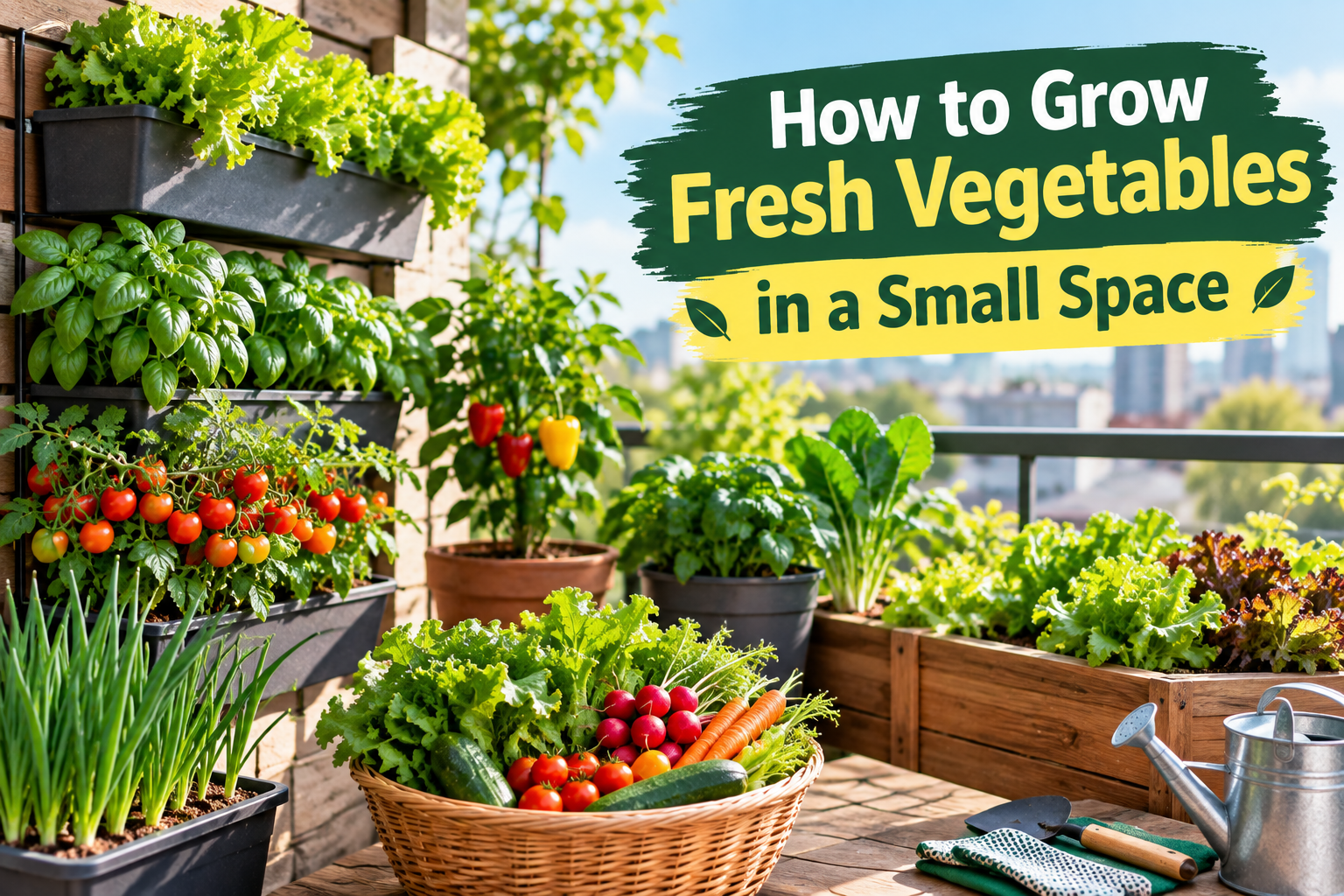
Supporting plants can also make harvesting easier and improve the use of limited garden space. Vertical growing is especially useful when you have a small vegetable garden.
Install supports early when possible. Waiting until a large plant becomes tangled can make the job more difficult.
Watch Your Plants Regularly
One of my favorite simple gardening habits is spending a few minutes checking the garden regularly.
Look at the leaves, stems, flowers, and soil. Notice changes in color, unusual spots, holes, wilting, insects, or slow growth.
Early observation gives you a chance to investigate problems before they become more difficult to manage.
You do not need to inspect every plant for a long time. A quick walk through the garden can provide valuable information.
Protect Plants From Pests
Garden pests are a normal part of growing vegetables. The important thing is to identify the problem before deciding how to handle it.
Inspect leaves regularly for insects or signs of feeding. Check both the upper and lower surfaces of leaves when possible.
Encourage a healthy garden environment and avoid using pest control products unnecessarily. If a treatment is required, choose an appropriate product and follow its label instructions carefully.
Keeping plants healthy through proper watering, spacing, sunlight, and nutrition can also help them handle normal garden challenges.
Harvest Vegetables at the Right Time
Harvesting is one of the most enjoyable parts of vegetable gardening. Picking vegetables at the appropriate stage can encourage continued production for some crops.
Do not wait until every vegetable becomes extremely large. Many vegetables taste better when harvested at the stage recommended for that particular variety.
Use clean tools when cutting vegetables or stems, and handle harvested produce gently.
Regular harvesting can also help you notice which plants are performing well and which ones may need changes in your gardening routine.
Keep Gardening Simple
It is easy to become overwhelmed by gardening advice. There are countless techniques, fertilizers, tools, planting systems, and garden designs available.
For beginners, I believe it is better to master the basics first. Focus on sunlight, soil, water, spacing, seasonal planting, and regular observation.
Once you understand how your garden behaves, you can gradually experiment with techniques such as succession planting, container gardening, vertical gardening, or different soil improvement methods.
Simple gardening habits are often easier to maintain throughout the growing season.
Keep Notes About Your Garden
Keeping a small gardening notebook can be surprisingly useful. Write down what you planted, when you planted it, where you planted it, and how the plants performed.
You can also record watering habits, harvesting dates, pest problems, and weather conditions.
Over time, these notes can help you understand what works best in your garden. You may discover that one vegetable performs better in a particular location or that another variety struggles during certain weather.
Your own garden experience can become one of your most useful sources of knowledge.
Final Thoughts
Growing healthy vegetables does not require complicated techniques. The most important vegetable gardening tips for better growth are actually quite simple.
Choose a suitable location, provide enough sunlight, prepare healthy soil, water carefully, give plants enough space, control weeds, watch for pests, and harvest at the right time.
I believe consistency matters more than perfection. You do not have to become an expert gardener overnight. Spend a little time with your plants, observe how they respond, and learn from each growing season.
With patience and regular care, even a small home vegetable garden can become productive and enjoyable. Start with a few vegetables, keep your routine simple, and build your gardening skills as your plants grow.