 dolphinshave2stomachs
Related Articles
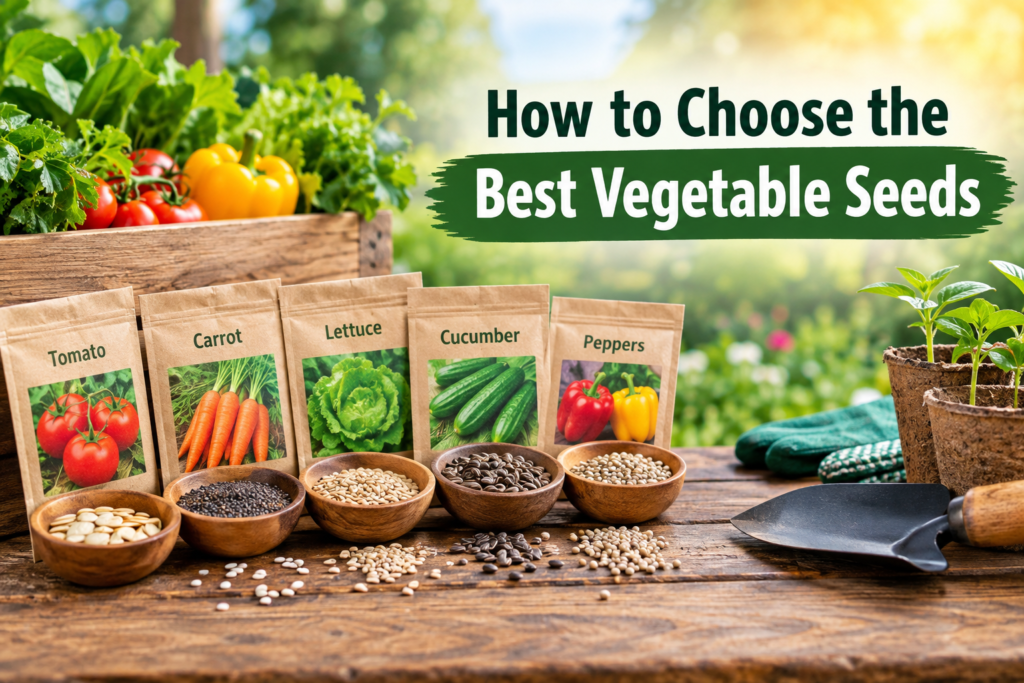
Choosing the best vegetable seeds is one of the most important steps when starting a vegetable garden. I have learned that healthy plants do not begin with watering or fertilizer. They begin with good quality seeds and the right choice for your garden. Many beginners simply pick a colorful seed packet from a store and start planting, but there are several things worth checking before making a purchase.
The right vegetable seeds can improve germination, plant growth, harvest quality, and your overall gardening experience. Whether you are growing vegetables in a backyard garden, raised bed, container, or small balcony space, selecting suitable seeds can make a noticeable difference.
In this guide, I will explain how to choose the best vegetable seeds, what to look for on seed packets, and how to select varieties that match your growing conditions.
Consider Your Local Growing Conditions
Before buying vegetable seeds, I always recommend thinking about the environment where the plants will grow. Every vegetable has different requirements for sunlight, temperature, soil, and moisture.
Some vegetables grow well during cool weather, while others need warm temperatures. Lettuce, spinach, peas, and radishes generally prefer cooler conditions. Tomatoes, peppers, cucumbers, beans, and squash usually perform better when temperatures are warmer.
Your local climate should therefore influence your seed selection. A variety that performs beautifully in one region may struggle in another. Look at the recommended growing season on the packet and compare it with your local weather.
Understanding your growing conditions helps you avoid wasting seeds on plants that are unlikely to perform well.
Check the Seed Packet Carefully
The seed packet contains useful information that can help you make a better decision. Instead of looking only at the vegetable name, take a few moments to read the details.
Check the recommended planting season, days to maturity, spacing requirements, planting depth, sunlight needs, and expected plant size.
The packet may also explain whether the variety is suitable for containers or small gardens. This information becomes especially important when you have limited space.
I find that reading the packet before buying seeds is one of the simplest ways to avoid common gardening mistakes.
Look for Fresh Vegetable Seeds
Seed freshness matters because seeds naturally lose their ability to germinate over time. Properly stored seeds can remain usable for years, but their germination rate may gradually decline.
When buying packaged seeds, check the date information printed on the packet. Depending on the company and region, this may show a packing date, test date, sell by date, or another indicator of freshness.
Fresh seeds are generally a sensible choice, especially for vegetables that are more sensitive to storage conditions.
If you already have old seeds at home, you do not necessarily need to throw them away. You can perform a simple germination test using a damp paper towel. Place a small number of seeds between damp paper towels, keep them warm, and check them after several days. This gives you an idea of how many are likely to sprout.
Choose Seeds From Reliable Sources
Where you buy your vegetable seeds also matters. I prefer buying seeds from reputable garden centers, established seed companies, agricultural suppliers, or trusted local sellers.
Reliable suppliers are more likely to provide accurate information about the variety, planting requirements, and seed quality.
Be careful when buying seeds from unknown sources, particularly when the packet has little information or appears poorly packaged. Extremely cheap seeds can sometimes be disappointing if the variety is incorrectly labeled or the germination rate is poor.
The goal is not simply to find the cheapest packet. The goal is to get healthy seeds that are suitable for your garden.
Understand Open Pollinated and Hybrid Seeds
When choosing vegetable seeds, you may come across terms such as open pollinated and hybrid.
Open pollinated varieties are pollinated naturally through methods such as wind, insects, or other natural processes. Seeds saved from many open pollinated plants can produce plants similar to the parent plant, although some natural variation can occur.
Hybrid seeds are produced by crossing selected parent plants to combine particular characteristics. Hybrids can offer useful traits such as disease resistance, uniform growth, improved flavor, or higher productivity.
Neither option is automatically right for every gardener. Your choice depends on what you want from your garden.
If you enjoy saving seeds for future seasons, learning about the variety before purchasing becomes especially important.
Consider Heirloom Vegetable Seeds
Heirloom vegetables are popular among gardeners who enjoy traditional varieties and unique flavors. They can produce vegetables with interesting colors, shapes, and tastes that are not always found in common supermarket varieties.
For example, heirloom tomatoes can come in many unusual colors and shapes. Growing them can make a home vegetable garden more interesting.
However, heirloom seeds should still be selected according to your growing conditions. A beautiful variety is not necessarily the right variety for every climate.
I recommend choosing heirloom seeds when their growing requirements match your garden and when you genuinely want the characteristics they offer.
Choose Disease Resistant Varieties
Plant diseases can cause serious problems in a vegetable garden. Choosing disease resistant vegetable seeds can help reduce some of these problems.
When reading seed packets, look for information about resistance to common diseases. Some varieties are specifically bred to tolerate or resist certain plant diseases.
This can be particularly helpful if you have experienced repeated disease problems in previous growing seasons.
Disease resistance does not mean a plant can never become sick. Good garden hygiene, proper watering, adequate spacing, healthy soil, and regular observation are still important.
Match Seeds With Your Available Space
Your garden size should influence the vegetables and varieties you choose.
If you have a large garden, you may have enough space for spreading plants such as pumpkins, watermelons, and some types of squash. In a small garden, compact varieties may be more practical.
For containers, look for vegetables described as compact, dwarf, patio, bush, or container friendly when appropriate.
I have found that choosing plants according to available space makes gardening much easier. There is little benefit in selecting a vigorous spreading variety if there is nowhere for it to grow.
Check Days to Maturity
Days to maturity is another important detail to understand. It usually refers to the approximate time required for a plant to reach harvestable maturity under suitable conditions.
Fast growing vegetables such as radishes and some leafy greens can provide relatively quick harvests. Other crops, including certain tomatoes, peppers, and winter squash, can take considerably longer.
If your growing season is short, varieties with fewer days to maturity may be more practical.
Remember that the number printed on a packet is an estimate. Weather, soil, watering, sunlight, and plant health can all influence growth.
Think About What You Actually Eat
One of the easiest mistakes beginners make is growing vegetables simply because they look interesting.
Before buying seeds, think about what you and your family actually enjoy eating. There is no reason to dedicate valuable garden space to vegetables that will eventually sit unused.
If you regularly eat tomatoes, peppers, cucumbers, lettuce, carrots, or beans, these can be useful choices.
Growing food you enjoy also makes gardening more rewarding because you can see a direct connection between your work and your meals.
Consider Succession Planting
You do not always need to plant all your seeds at once. Succession planting means making additional plantings at suitable intervals so that crops mature at different times.
This works especially well with vegetables that grow quickly, such as radishes, lettuce, spinach, and some beans.
Choosing seeds with different maturity periods can help you maintain a more continuous harvest.
Instead of having a large amount of one vegetable ready at the same time, you can plan your garden so that fresh produce becomes available throughout the season.
Do Not Buy More Seeds Than You Need
Seed packets may seem inexpensive, but buying too many can lead to waste.
Before purchasing seeds, estimate how much garden space you have and how many plants you actually need. A small garden does not require dozens of packets.
You can also keep leftover seeds for another suitable growing season if they are stored correctly. Keep them in a cool, dry, dark place and protect them from moisture.
Good storage can help preserve seed quality and make your gardening budget go further.
Buy Seeds Based on Your Gardening Goals
Your personal gardening goals should also influence your choices.
Some gardeners want maximum harvests. Others care more about flavor, unusual colors, organic gardening, seed saving, or growing vegetables for fresh salads.
If your goal is a productive beginner garden, focus on vegetables that are suitable for your climate and relatively straightforward to grow.
If you are more experienced, you can experiment with unusual varieties and compare how they perform.
I believe choosing seeds becomes much easier when you first decide what you want your garden to provide.
Final Thoughts
Learning how to choose the best vegetable seeds can save time, money, and frustration. Good seeds are an important foundation, but they are only one part of successful vegetable gardening.
Before buying, consider your climate, growing season, available space, sunlight, soil, and the vegetables you actually enjoy eating. Read the seed packet carefully and pay attention to maturity time, planting requirements, disease resistance, and variety characteristics.
Most importantly, do not be afraid to experiment. Gardening is a learning process, and every season can teach you something new. Try a few reliable varieties alongside one or two new options and observe how they perform in your garden.
With careful seed selection and consistent care, even a small garden can produce a rewarding harvest of fresh vegetables. Starting with the right vegetable seeds gives your plants a much better foundation and helps you enjoy the process from planting to harvest.