 dolphinshave2stomachs
Related Articles
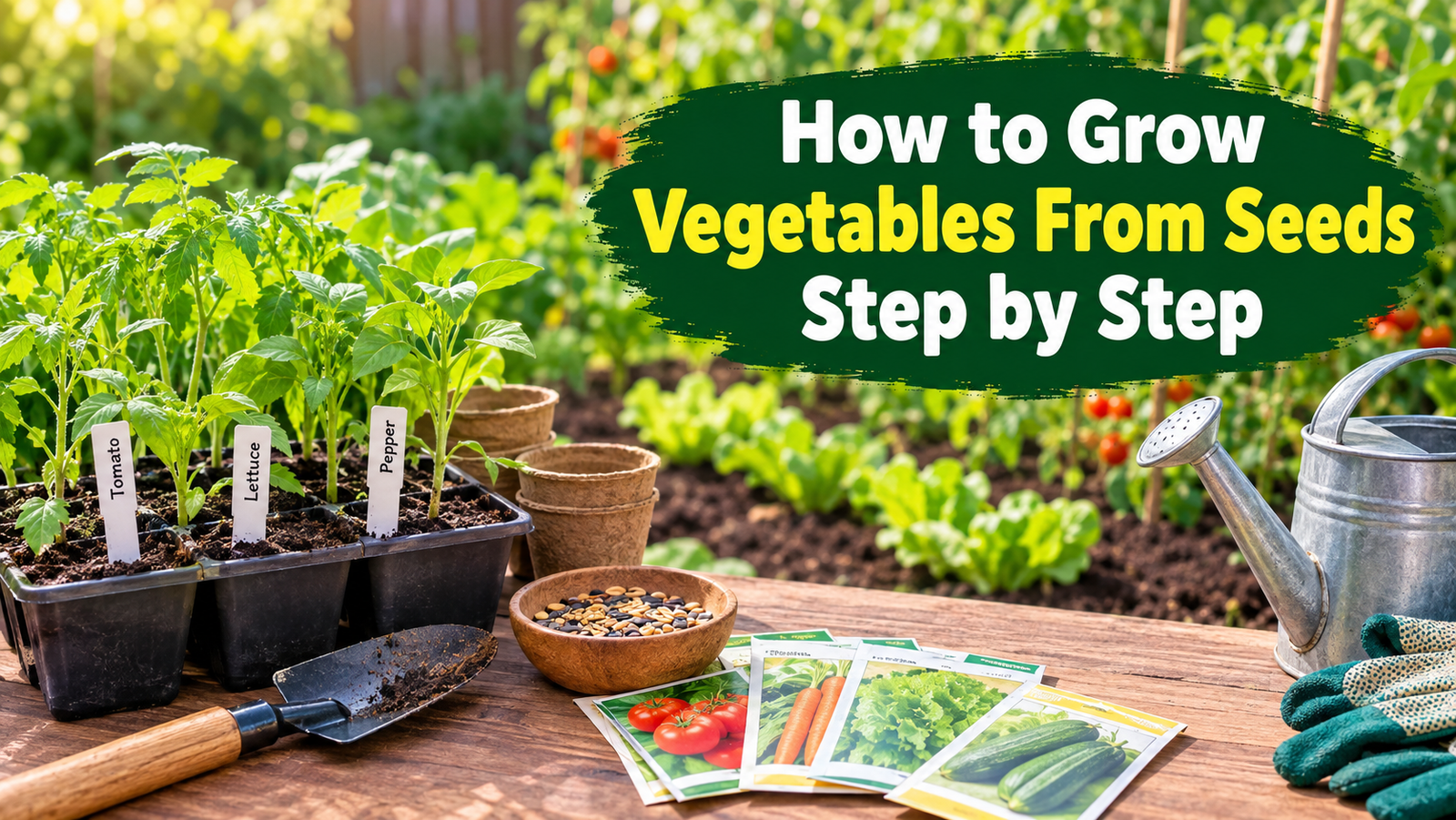
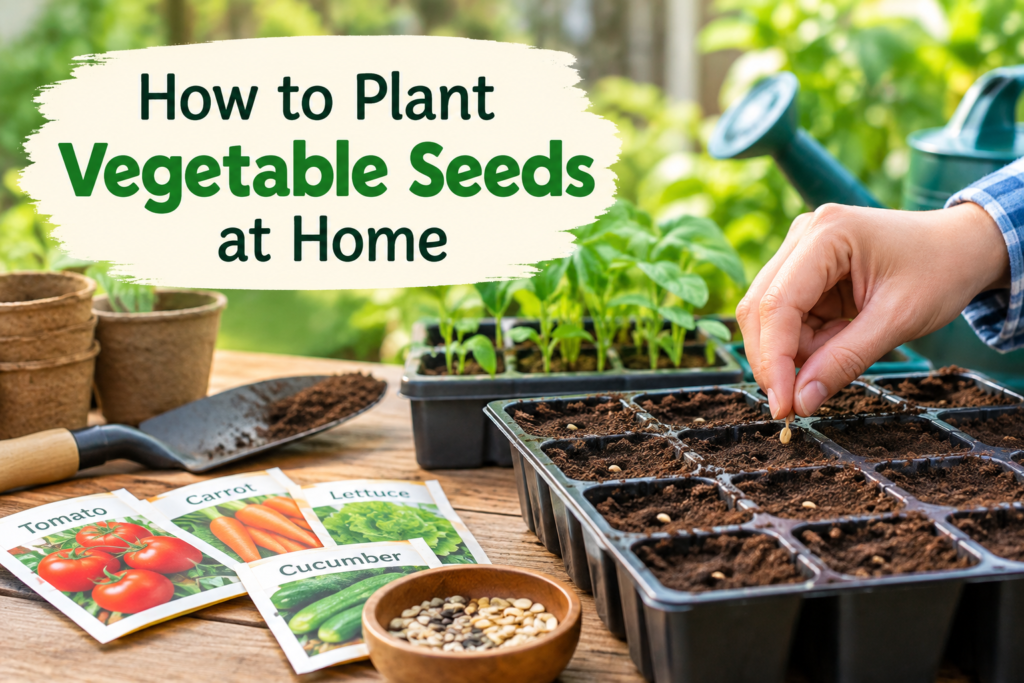
Growing vegetables from seeds at home is one of the simplest and most rewarding ways to start a vegetable garden. I personally like growing vegetables from seeds because it gives me more control over the growing process from the very beginning. Watching a tiny seed develop into a healthy plant and eventually produce fresh vegetables is a satisfying experience.
You do not need a large backyard or expensive gardening equipment to plant vegetable seeds at home. With the right seeds, good soil, suitable containers, water, sunlight, and a little patience, almost anyone can start growing vegetables.
In this guide, I will explain how to plant vegetable seeds at home step by step. These simple vegetable gardening tips are useful for beginners and can help you avoid some of the common problems that occur when starting seeds.
Choose the Right Vegetable Seeds
The first step is choosing suitable vegetable seeds. I recommend starting with vegetables that are relatively easy to grow. Lettuce, spinach, radishes, carrots, beans, cucumbers, peas, tomatoes, and peppers can all be good choices depending on your growing conditions.
Before buying seeds, check the information printed on the seed packet. Look for details about planting depth, spacing, sunlight requirements, watering, and the expected growing season.
It is also important to choose vegetables that are suitable for your local climate. Some vegetables prefer cooler temperatures, while others grow better in warm weather. Choosing the right seeds for the season can make the entire process much easier.
If you are completely new to gardening, I suggest starting with a few vegetable varieties rather than planting too many at once. This allows you to learn how each plant grows without making the process complicated.
Select a Good Location
Vegetable seeds need the right environment to germinate and grow into healthy plants. Before planting, decide where you want to grow your vegetables.
A sunny windowsill, balcony, patio, rooftop, or backyard can work well. Many vegetable plants need several hours of sunlight each day, although the exact requirement depends on the plant.
For indoor seed starting, choose a location that receives plenty of natural light. If natural sunlight is limited, some gardeners use suitable grow lights to provide additional light.
The growing area should also be protected from extreme weather, strong winds, standing water, and sudden temperature changes. A stable environment can give young seedlings a better start.
Prepare the Right Soil
Good soil is one of the most important parts of planting vegetable seeds at home. Seeds need moisture, air, and a suitable growing medium to germinate properly.
I prefer using a light and well draining seed starting mix rather than heavy garden soil for small containers. Heavy soil can become compacted and may make it difficult for delicate roots to develop.
You can purchase a commercial seed starting mix or prepare a suitable growing medium using quality gardening materials. The important thing is that the soil should hold enough moisture while allowing excess water to drain away.
Avoid using soil that contains large stones, thick pieces of organic material, or other debris. Fine and loose soil makes it easier for small seeds to establish themselves.
Choose Suitable Containers
You can plant vegetable seeds in many types of containers. Seed trays, small pots, recycled containers, and other clean gardening containers can work well.
Whatever container you choose, make sure it has drainage holes at the bottom. Proper drainage is important because excess water can create problems for seeds and young roots.
Before using recycled containers, clean them thoroughly. This helps reduce the chance of unwanted plant diseases.
I also recommend labeling your containers. Write the vegetable name and planting date on each container. This simple habit makes it much easier to remember what you planted and when you planted it.
Plant the Seeds at the Correct Depth
One of the most common mistakes beginners make is planting seeds too deeply. Different vegetable seeds require different planting depths, so always check the instructions on the seed packet.
As a general rule, many small seeds should be planted only slightly below the surface, while larger seeds can be planted deeper.
Make a small hole in the soil using your finger or a pencil. Place the seed inside and gently cover it with soil. Avoid pressing the soil down too firmly because compacted soil can make it harder for the young seedling to emerge.
If you are planting several seeds in one container, leave enough space between them. Crowded seedlings compete for light, water, nutrients, and growing space.
Water the Seeds Carefully
Watering is especially important after planting vegetable seeds. The soil should remain consistently moist, but it should not be soaking wet.
I prefer using a spray bottle or a gentle watering method when working with small seeds. A strong stream of water can move seeds around or expose them on the surface.
Check the soil regularly with your finger. If the surface feels dry, provide a small amount of water. Avoid following a rigid watering schedule because the amount of moisture needed can change depending on temperature, humidity, container size, and plant type.
Good drainage is just as important as watering. If water remains in the container for a long time, the roots may not receive enough air.
Give the Seeds Enough Light
Once vegetable seeds begin to germinate, light becomes extremely important. Young seedlings naturally grow toward light.
If seedlings do not receive enough light, they may become tall, thin, and weak. Place containers near a bright window if suitable sunlight is available.
Turn containers occasionally so the seedlings receive more even light. If you are growing vegetables indoors during a period with limited sunlight, an appropriate grow light can help provide the light young plants need.
Remember that different vegetables have different light requirements. Always consider the needs of the particular vegetable you are growing.
Maintain the Right Temperature
Temperature can have a major effect on seed germination. Some seeds germinate well in cool conditions, while others prefer warmer temperatures.
Keep your seed containers in a location where temperatures are reasonably stable. Avoid placing them directly beside heating equipment, air conditioners, or areas with strong drafts.
The seed packet usually provides useful information about the preferred growing conditions. Following those recommendations can improve germination.
Patience is also important. Not every seed germinates at the same speed. Some may appear within a few days, while others can take considerably longer.
Thin the Seedlings
If several seeds germinate close together, you may eventually need to thin the seedlings. Thinning means removing some weaker or overcrowded seedlings so the remaining plants have enough room to grow.
This step can feel difficult because it is never easy to remove a healthy looking seedling. However, overcrowding can result in weak plants.
Choose the strongest seedlings and carefully remove the extras. If possible, avoid damaging the roots of the seedlings you want to keep.
Proper spacing allows better access to light, air, water, and nutrients.
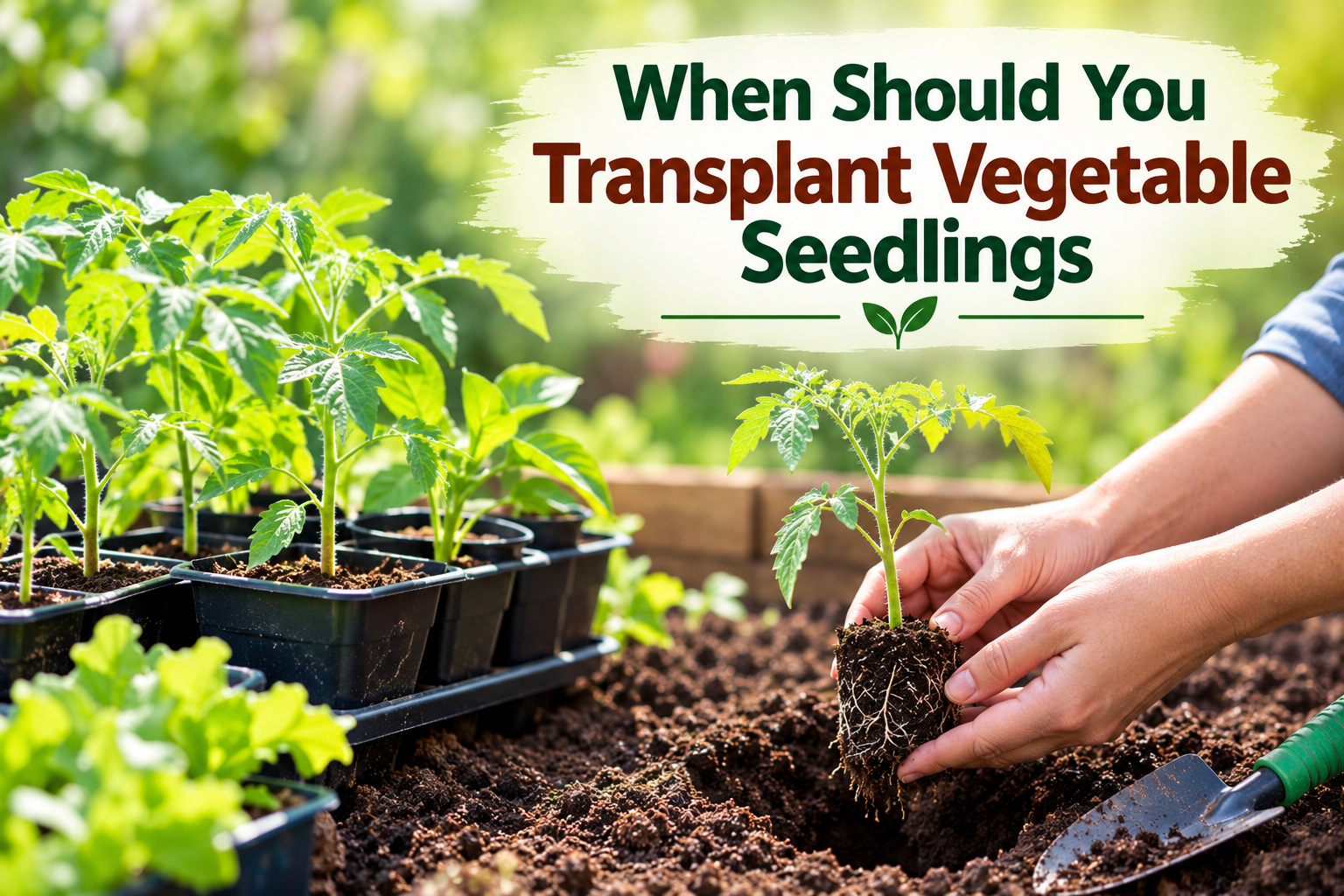
Transplant Young Vegetable Plants
Some vegetables can remain in their original containers, while others eventually need to be transplanted into larger pots or garden soil.
Wait until the seedlings are strong enough to handle transplantation. Young plants with several healthy leaves are generally easier to work with than extremely small seedlings.
Before transplanting, prepare the new location. Make a hole large enough for the root system and gently move the plant into it.
Handle seedlings carefully and avoid pulling them roughly by the stem. Supporting the roots and surrounding soil can reduce stress during transplantation.
After transplanting, water the plant gently and protect it from harsh conditions while it becomes established.
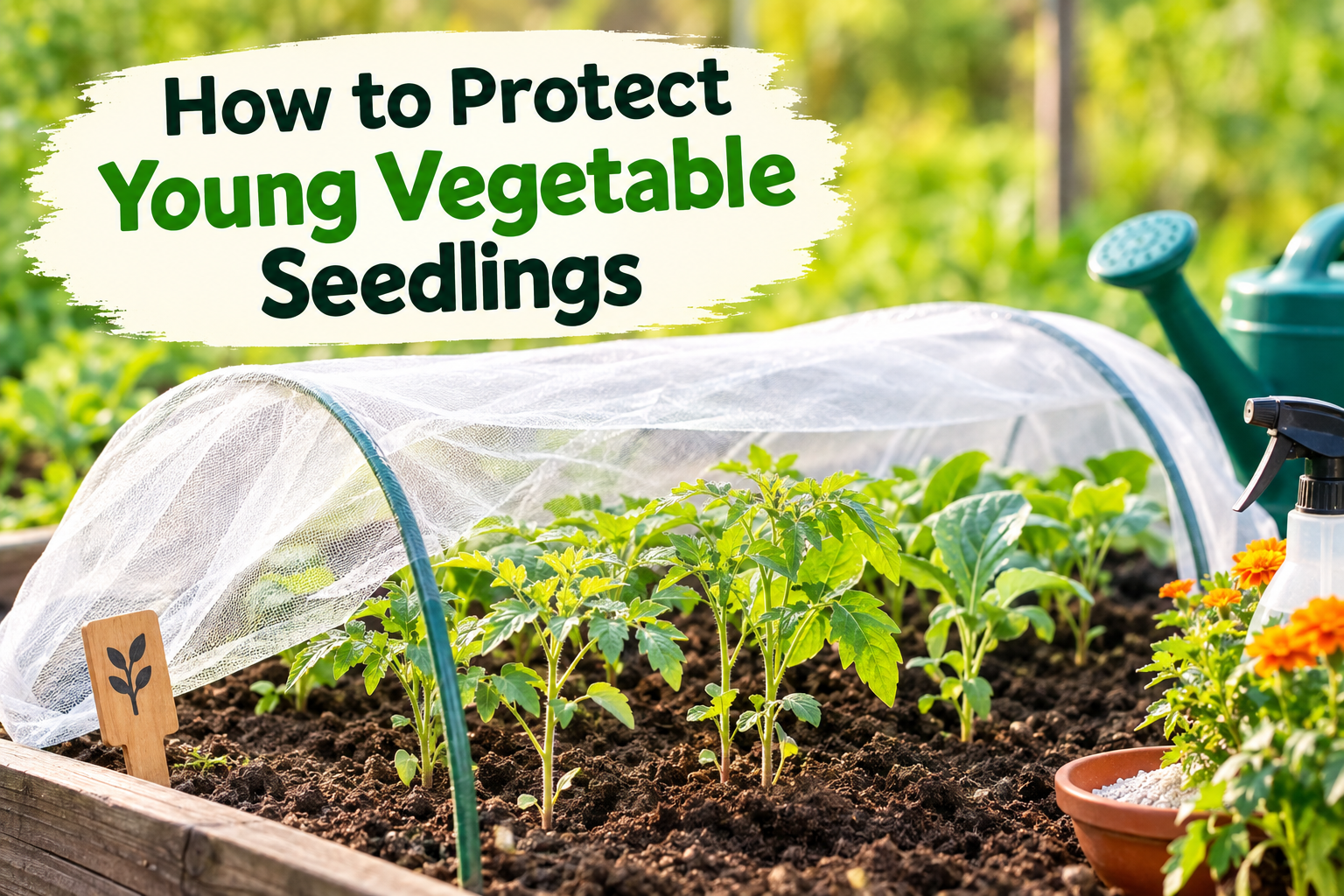
Protect Your Vegetable Seedlings
Young seedlings can be vulnerable to pests, excessive heat, heavy rain, and other environmental problems. Check your plants regularly rather than waiting until you notice serious damage.
Look underneath leaves and around the soil for signs of insects or other problems. Remove damaged leaves when appropriate and keep the growing area clean.
Good airflow is also useful because overcrowded and constantly wet plants can create an environment where certain plant problems develop more easily.
I have found that regular observation is one of the best gardening habits. Spending a few minutes checking your plants can help you notice problems early.
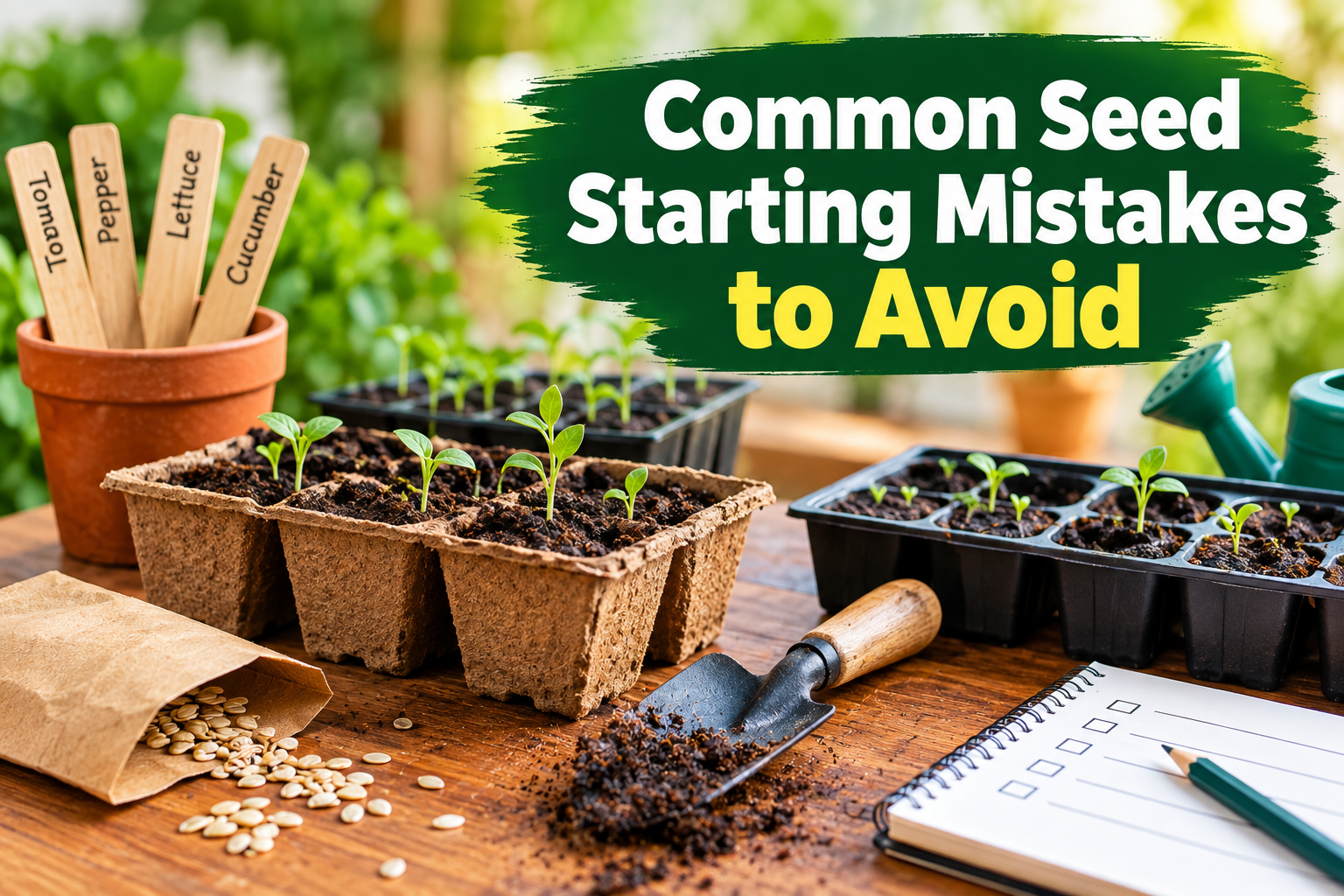
Avoid Common Seed Planting Mistakes
There are several mistakes beginners should try to avoid when planting vegetable seeds at home.
Planting seeds too deeply can prevent them from emerging. Overwatering can damage roots and create unhealthy soil conditions. Not providing enough light can result in weak and stretched seedlings.
Another common mistake is planting too many seeds in a small container. It may seem exciting to grow many plants at once, but overcrowding makes plant care more difficult.
Using poor quality or unsuitable soil can also affect germination. Finally, impatience can cause unnecessary problems. Seeds need time to germinate, and young plants need time to develop.
Keep Track of Your Progress
I recommend keeping a simple gardening record, especially if you are growing vegetables for the first time. Write down the vegetable variety, planting date, location, watering routine, and any observations.
You can use a notebook or a simple digital note. Over time, this information becomes extremely useful.
For example, you may discover that one vegetable grows better in a particular location or that a certain planting time produces healthier seedlings. Your own gardening experience can become one of your best sources of knowledge.
Final Thoughts
Learning how to plant vegetable seeds at home does not have to be complicated. Start with good quality seeds, prepare a suitable growing medium, choose the right container, plant seeds at the recommended depth, and provide the right amount of water and light.
The most important thing is to observe your plants and learn as you go. Every vegetable garden teaches you something new. Some seeds may germinate quickly, while others may take longer. Some plants may grow perfectly in one location but struggle in another.
With patience and regular care, planting vegetable seeds at home can become an enjoyable part of your routine. Whether you have a large backyard or only a few containers on a balcony, you can create a productive home vegetable garden and enjoy watching your plants grow from tiny seeds into healthy vegetables.