 dolphinshave2stomachs
Related Articles
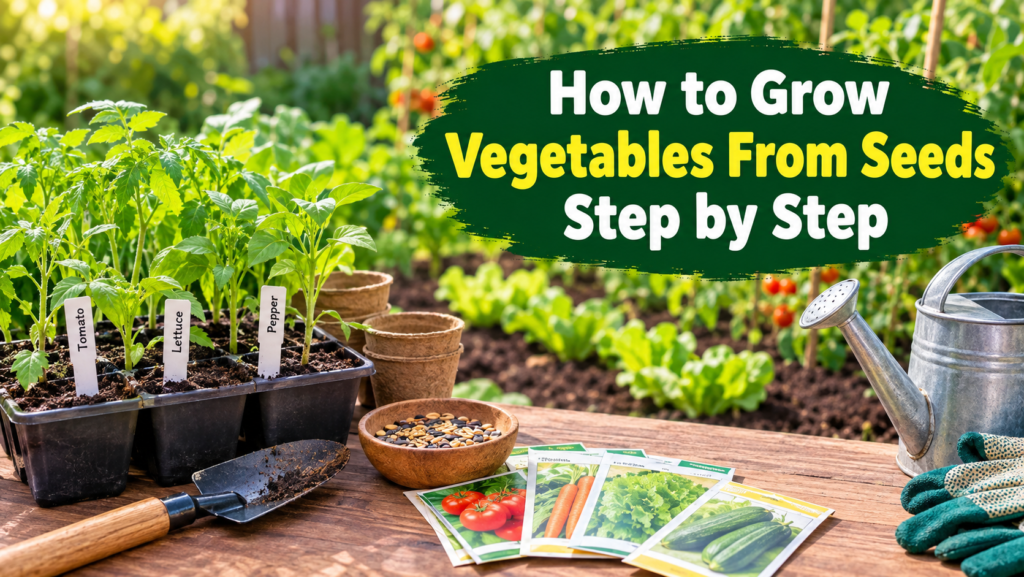
Growing vegetables from seeds is one of the most rewarding parts of gardening. When I see a small seed turn into a healthy plant and eventually produce fresh vegetables, it reminds me how simple and amazing gardening can be. You do not need a large garden or expensive equipment to get started. With good seeds, suitable soil, water, sunlight, and a little patience, you can grow many vegetables successfully at home.
If you are a beginner, growing vegetables from seeds may seem confusing at first. Questions about when to plant, how deep to plant seeds, how often to water, and when to move seedlings can make the process feel difficult. In reality, the basic steps are quite simple.
In this guide, I will explain how to grow vegetables from seeds step by step and share the practical approach I use when starting a vegetable garden.
Choose the Right Vegetable Seeds
The first step is choosing good quality vegetable seeds. I recommend starting with vegetables that are suitable for your local climate and season. Some vegetables grow well in cool weather, while others need warm temperatures.
For beginners, vegetables such as radishes, lettuce, spinach, beans, peas, carrots, cucumbers, and tomatoes can be good choices depending on the season and growing conditions.
Always check the information on the seed packet. It usually provides useful details about planting depth, spacing, sunlight, germination time, and the best planting season.
Fresh, properly stored seeds generally give you a better chance of getting healthy seedlings.
Prepare the Soil
Good soil gives seeds a strong foundation for growth. Before planting, I like to prepare the soil by removing stones, weeds, dry roots, and other unwanted material.
The soil should be loose enough for young roots to grow easily. It should also hold moisture without staying constantly waterlogged.
Adding mature compost or other suitable organic matter can help improve soil structure. If you are growing vegetables in containers, choose a quality growing mix designed for vegetables rather than using heavy garden soil alone.
A well prepared growing area makes the next steps much easier.
Decide Whether to Start Seeds Indoors or Outdoors
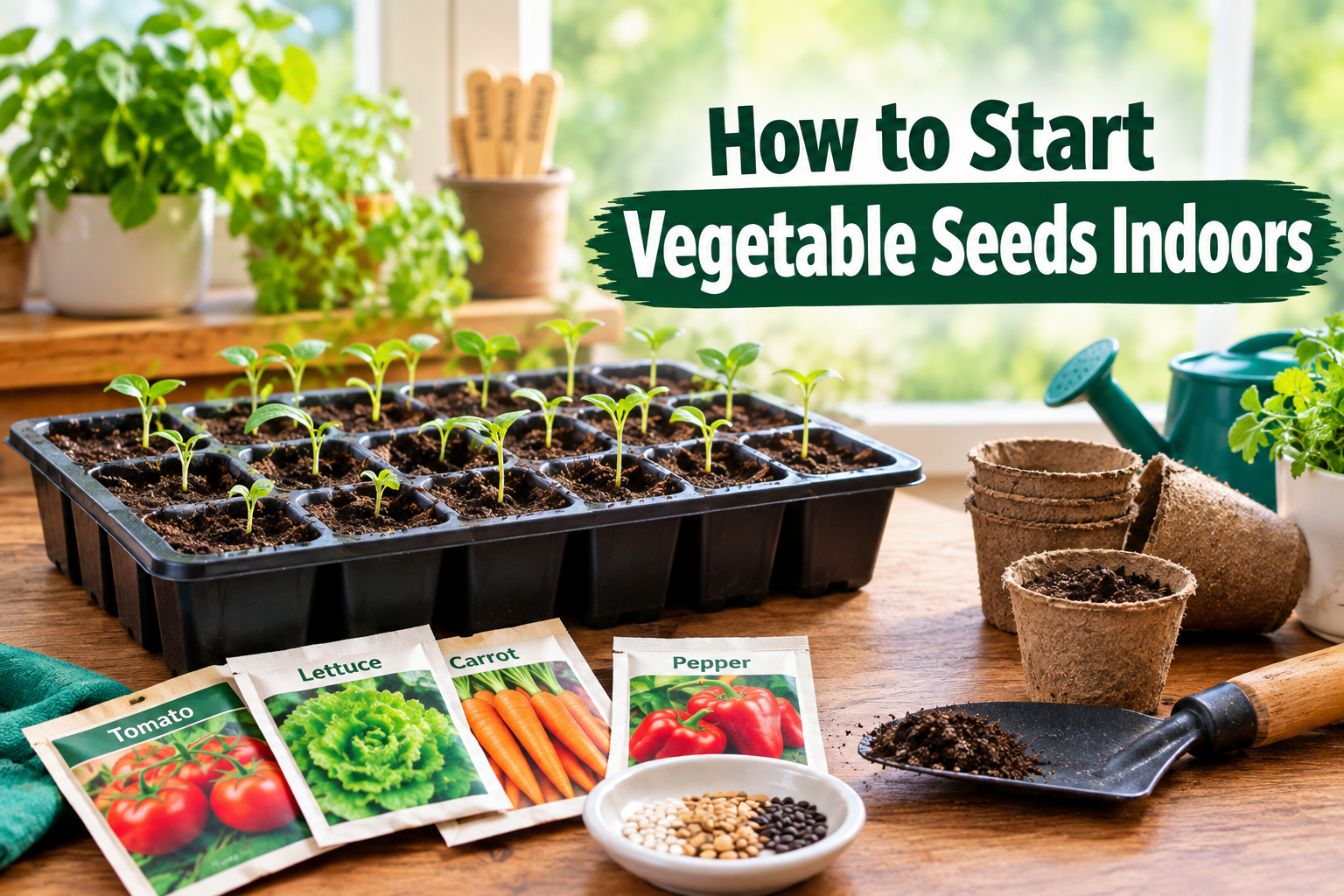
Some vegetables can be planted directly into the garden, while others are often started indoors and transplanted later.
Root vegetables such as carrots and radishes are commonly direct sown because disturbing their roots can cause problems. Beans, peas, cucumbers, and many other vegetables can also be planted directly when outdoor conditions are suitable.
Tomatoes and peppers are examples of vegetables that gardeners often start indoors before moving the young plants outside.
Your local temperature, available space, and growing season should guide this decision.
Plant the Seeds at the Correct Depth
Planting depth is one of the most important parts of growing vegetables from seeds.
A useful general rule is to plant a seed around two to three times as deep as its diameter. Very small seeds usually need only a thin covering of soil, while larger seeds can be planted deeper.
For example, lettuce seeds are generally planted very shallowly, while beans and peas can tolerate deeper planting.
Avoid burying seeds too deeply because small seedlings may not have enough energy to reach the surface. At the same time, seeds planted too close to the surface can dry out quickly.
The seed packet should always be your first reference for the recommended depth.
Water the Seeds Carefully
After planting, the seeds need consistent moisture to begin germinating.
This does not mean soaking the soil constantly. Too much water can create poor growing conditions and may encourage root problems.
I prefer gentle watering when seeds are freshly planted. A strong stream of water can move shallow seeds from their original position or wash them deeper into the soil.
Check the soil regularly, especially during warm or dry weather. The goal is to keep the seed area evenly moist while avoiding standing water.
Provide the Right Temperature
Temperature has a major effect on seed germination. Different vegetables prefer different temperature ranges.
Cool season vegetables can often germinate in cooler conditions, while warm season vegetables need warmer soil.
If you plant warm season seeds when the soil is still very cold, germination may be slow or uneven. Likewise, some cool season vegetables may struggle during periods of extreme heat.
This is why I always consider the season before planting. Good timing can save a lot of frustration later.
Give Seedlings Enough Light
Once seeds germinate, light becomes extremely important.
If you are growing seedlings indoors, place them near a bright window or provide suitable artificial growing light. Seedlings that do not receive enough light can become tall, thin, and weak as they stretch toward the light source.
Outdoor seedlings should be placed where they receive the amount of sunlight required by the particular vegetable.
Many common vegetables need several hours of direct sunlight each day, although the exact requirement varies.
Good light helps young plants develop stronger stems and healthy leaves.
Thin Crowded Seedlings
It is common for several seeds to germinate close together. If too many seedlings remain in the same small area, they compete for light, water, nutrients, and space.
Thinning means removing some seedlings so the strongest plants have enough room to develop.
I know it can feel difficult to remove a healthy looking seedling, but overcrowding can result in weaker plants. Follow the spacing instructions for the vegetable you are growing.
When possible, thin carefully so you do not disturb the roots of the seedlings you want to keep.
Protect Young Plants
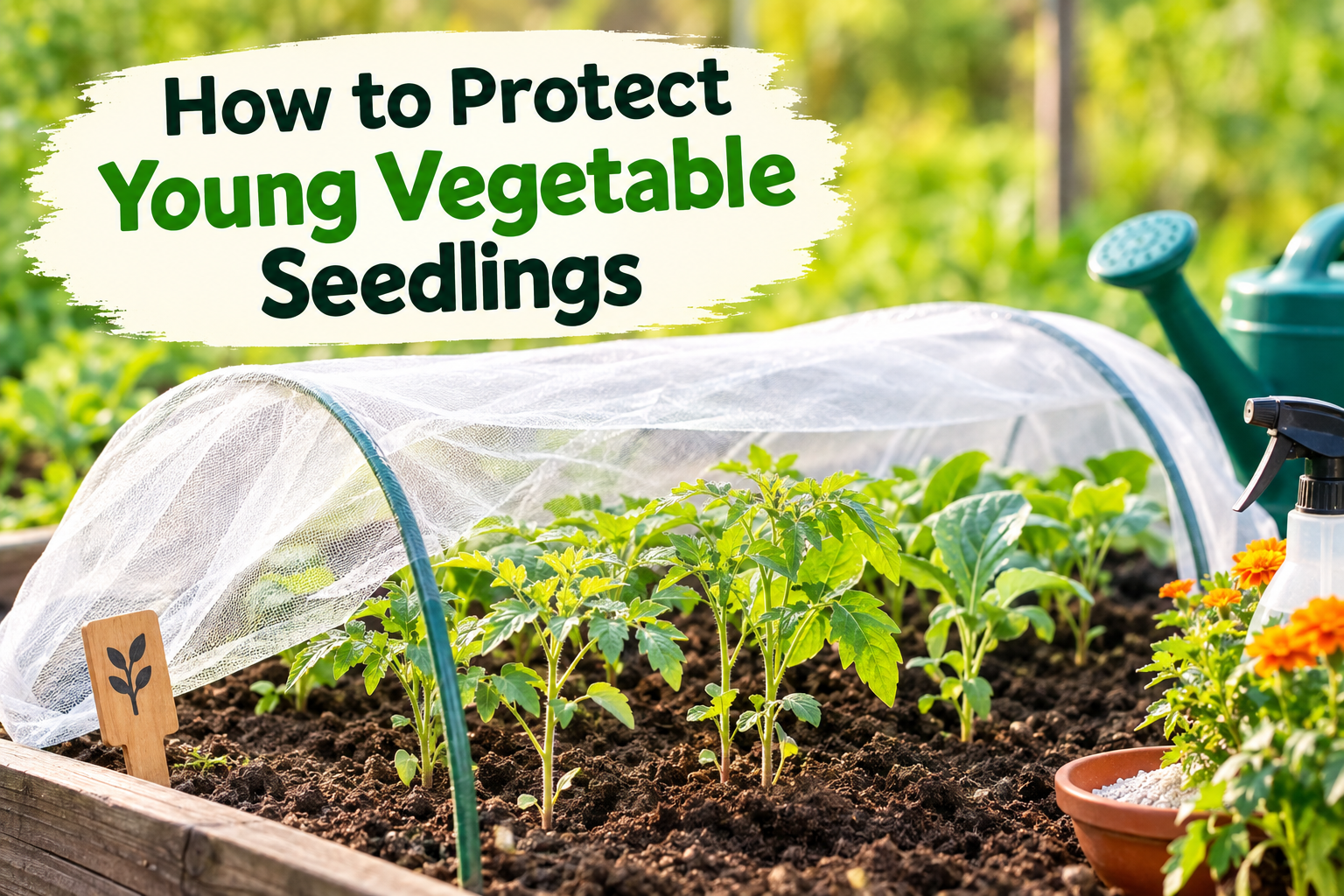
Young vegetable seedlings are more vulnerable than established plants. Birds, insects, strong wind, heavy rain, and sudden temperature changes can all cause problems.
Check your seedlings regularly for damaged leaves, unusual spots, insects, or signs of stress.
If your garden is exposed to strong weather, a simple protective cover can sometimes help. Just make sure plants still receive enough air and light.
Regular observation is one of the most useful habits I have developed as a gardener. Problems are generally easier to manage when noticed early.
Feed the Plants When Necessary
Seeds contain stored nutrients that help support the earliest stages of growth. As plants become larger, they may need additional nutrients from the soil.
Healthy soil containing organic matter can provide many of the nutrients vegetables need. Depending on your soil and crop, you may also use a suitable vegetable fertilizer.
Avoid adding large amounts of fertilizer simply because you want plants to grow faster. Too much fertilizer can create problems instead of improving growth.
I prefer to focus on healthy soil first and then provide additional nutrients when the plants actually need them.
Transplant Seedlings Carefully
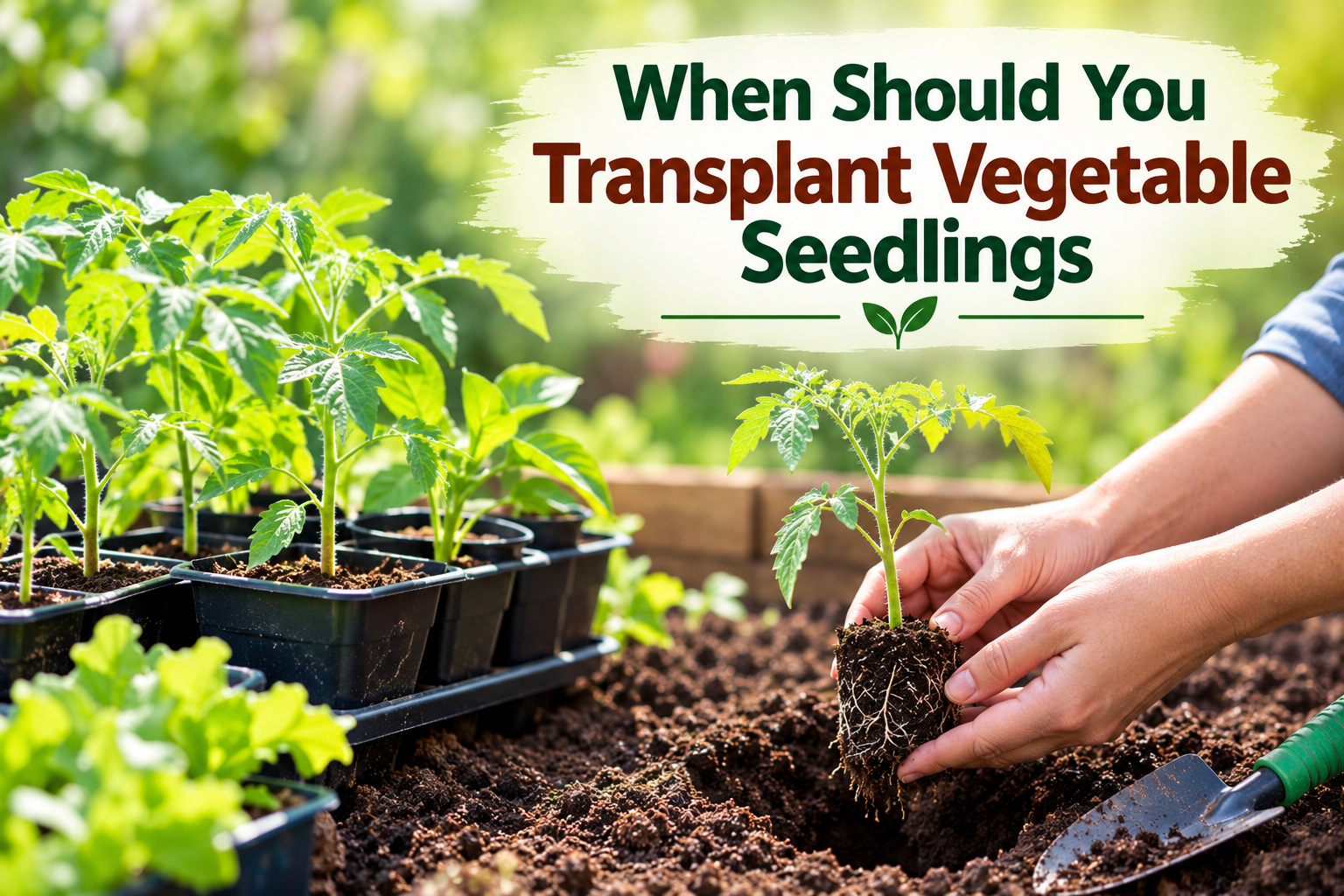
If you started vegetable seeds indoors, the seedlings may eventually need to be moved outside.
Do not rush this process. Young plants grown indoors need time to adjust to outdoor conditions.
A process called hardening off can help seedlings gradually become accustomed to outdoor sunlight, wind, and temperature changes.
Start by exposing them to outdoor conditions for a limited amount of time and gradually increase their exposure over several days.
When transplanting, handle seedlings gently. Try to disturb the roots as little as possible and water them after planting.
Give Vegetables Enough Space
Proper spacing is important for healthy vegetable plants.
When plants are too close together, air circulation can be reduced and competition for sunlight and water increases. Crowded plants can also make harvesting more difficult.
Every vegetable has different spacing requirements. Carrots can be planted relatively close together, while larger plants such as squash need considerably more room.
Follow the spacing recommendations on the seed packet and consider the mature size of each plant.
Keep Weeds Under Control
Weeds compete with vegetable plants for water, nutrients, sunlight, and growing space.
When seedlings are small, weeds can become a serious problem because they may grow faster than the vegetables.
I find it easier to remove weeds when they are still young rather than waiting until they become large.
A layer of suitable organic mulch around established plants can also help reduce weed growth and conserve soil moisture. Keep mulch slightly away from plant stems to avoid creating overly damp conditions around them.
Be Patient During Germination
One mistake beginners often make is expecting every seed to germinate immediately.
Different vegetables have different germination periods. Some seeds may sprout within a few days, while others can take considerably longer.
Do not dig up seeds simply because you cannot see anything above the soil. Disturbing them can damage the developing roots.
Instead, check the expected germination period on the seed packet and continue providing suitable moisture and temperature.
Patience is an important part of growing vegetables from seeds.
Watch for Common Problems
If seeds fail to germinate, several factors could be responsible.
The seeds may be old, the soil may be too wet or too dry, the planting depth may be incorrect, or the temperature may not be suitable.
If seedlings appear weak, insufficient light may be the problem. If leaves turn yellow, watering, nutrition, root conditions, or other growing factors may need attention.
Rather than changing everything at once, I prefer to look at one factor at a time. This makes it easier to understand what is actually affecting the plants.
Harvest Vegetables at the Right Time
The final reward of growing vegetables from seeds is harvesting fresh produce.
Different vegetables should be harvested at different stages. Radishes are usually harvested while the roots are young and tender. Leafy greens can often be harvested gradually, while beans and cucumbers are generally picked while they are still tender.
Check the characteristics of each vegetable so you know what mature produce should look like.
Regular harvesting can also encourage some plants to continue producing.
Final Thoughts
Learning how to grow vegetables from seeds step by step is easier when you focus on the basics. Start with good quality seeds, prepare healthy soil, plant at the correct depth, provide consistent moisture, and give seedlings enough light and space.
Do not worry if everything does not work perfectly the first time. Gardening is a learning process. Every season teaches you something about your soil, weather, watering routine, and the vegetables that perform well in your garden.
In my opinion, starting vegetables from seeds is worth the effort because it gives you the opportunity to watch the entire growing process from the beginning. With patience and regular care, even a beginner can turn a few small seeds into a productive vegetable garden.