 dolphinshave2stomachs
Related Articles
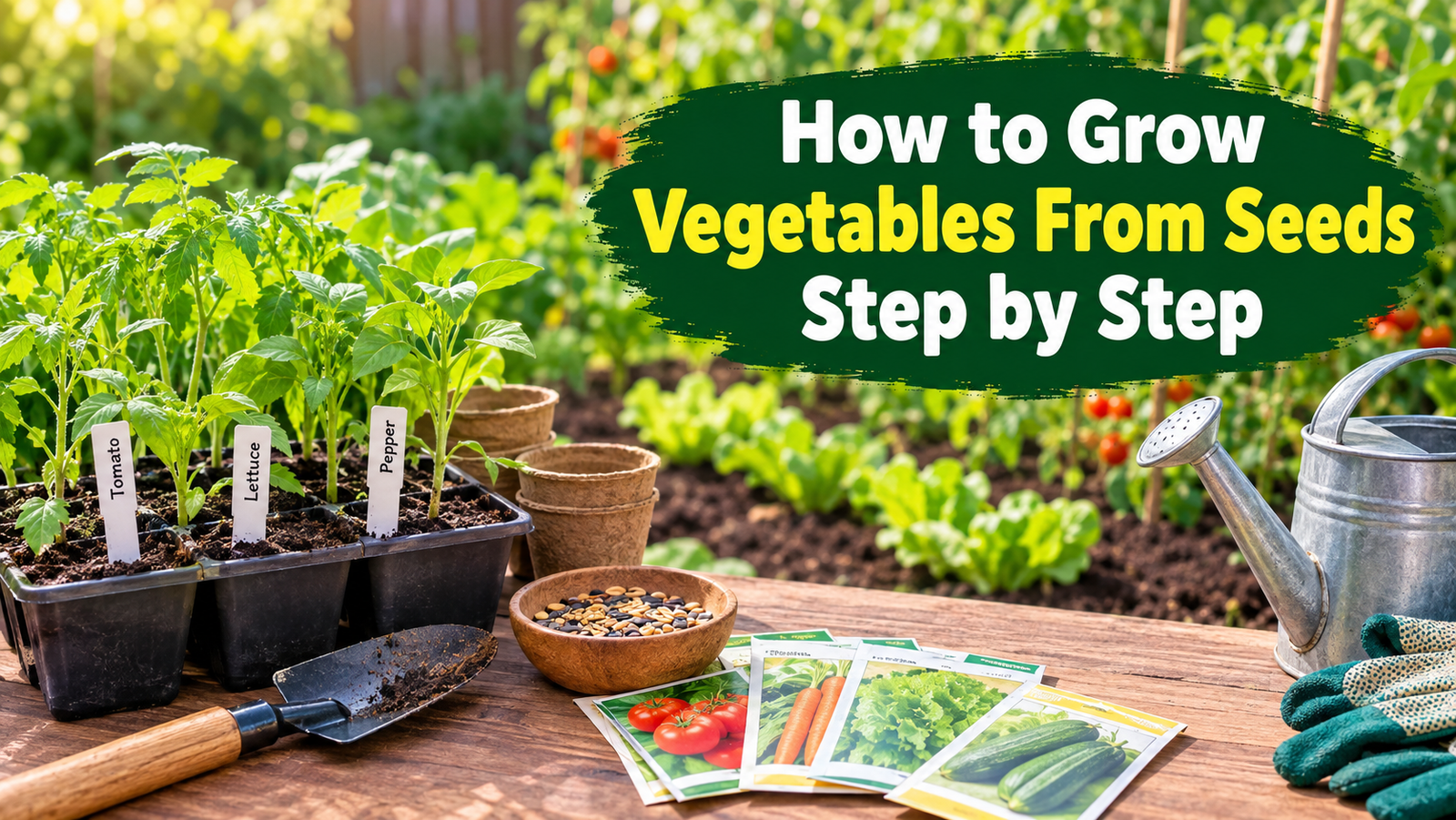
Starting vegetable seeds indoors is one of my favorite ways to get a head start on the gardening season. Instead of waiting for outdoor conditions to become perfect, I can begin growing young plants in a controlled environment and move them outside when they are strong enough. This approach is especially useful for vegetables that need a longer growing season.
Starting seeds indoors may seem complicated at first, but it is actually quite simple once you understand the basic requirements. You need suitable seeds, a clean container, good growing medium, enough light, proper moisture, and a little patience.
In this guide, I will explain how to start vegetable seeds indoors step by step and share practical tips that can help beginners grow healthy seedlings.
Why Start Vegetable Seeds Indoors?
There are several reasons to start vegetable seeds indoors. The biggest advantage is that you can begin growing plants before outdoor temperatures are suitable.
Some vegetables take many weeks to develop from seed into transplantable plants. Starting them indoors gives them additional growing time.
Indoor seed starting can also give you more control over moisture, temperature, light, and protection from insects and heavy weather.
I also find that growing vegetables from seed gives me a wider choice of varieties. Instead of depending only on whatever plants are available at a local nursery, I can choose seeds based on flavor, size, maturity time, and growing conditions.
Choose the Right Vegetable Seeds
Not every vegetable needs to be started indoors. Some vegetables are better planted directly in the garden because they grow quickly or do not transplant particularly well.
Tomatoes, peppers, eggplants, broccoli, cabbage, cauliflower, and some herbs are commonly suitable for indoor seed starting.
Root vegetables such as carrots and radishes are generally better suited to direct sowing because disturbing their roots can affect their development.
Before starting seeds indoors, read the instructions on the seed packet. Pay attention to recommended planting time, germination temperature, planting depth, and transplanting information.
Choosing vegetables that suit your climate and growing season is an important first step.
Gather Your Supplies
You do not need expensive equipment to start vegetable seeds indoors. A few basic supplies are enough.
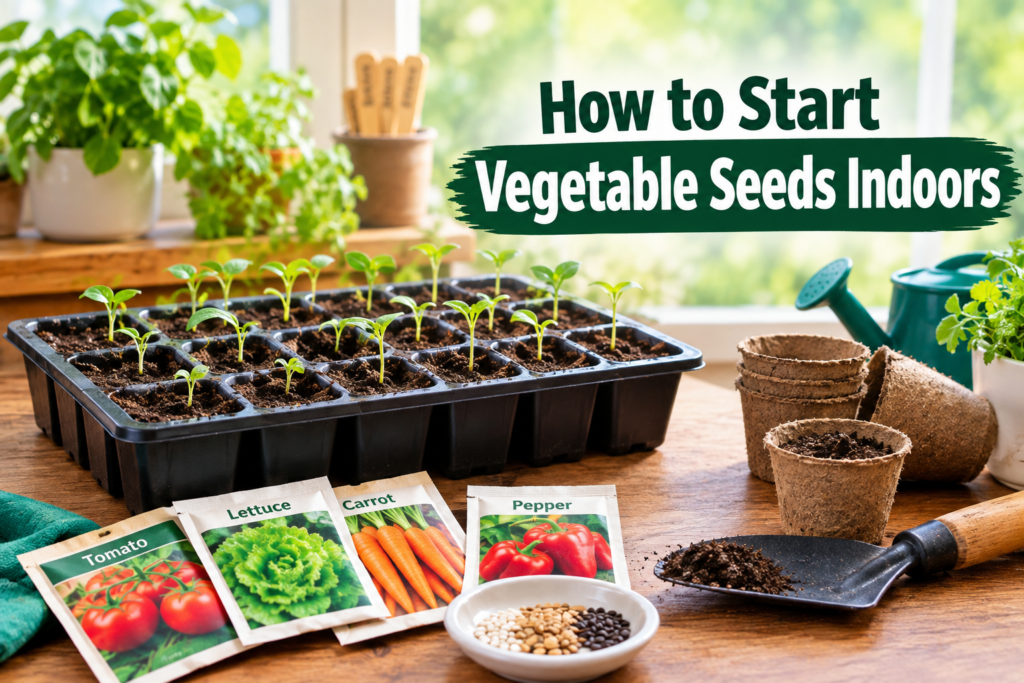
You will need seed starting trays or small containers, a quality seed starting mix, vegetable seeds, clean water, and a warm location with good light.
If you are reusing containers, make sure they are clean and have drainage holes. Excess water needs somewhere to escape because constantly wet soil can create problems for young seedlings.
A simple tray placed near a bright window can work for some vegetables. However, if natural light is limited, a suitable grow light can make the process much easier.
Use a Good Seed Starting Mix
Garden soil is usually not the best choice for starting seeds indoors. It can be heavy and may contain organisms or debris that are not ideal for delicate seedlings.
A lightweight seed starting mix is usually a better option. It should hold enough moisture while still allowing air to reach the roots.
Fill your containers without packing the growing medium too tightly. Seeds need a loose environment where their developing roots can expand easily.
Before planting, slightly moisten the growing mix. It should feel damp but not completely saturated.
Plant the Seeds Correctly
Planting depth is important because different seeds have different requirements.
Check the seed packet for the recommended depth. Small seeds are often planted very shallowly, while larger seeds can usually be planted deeper.
Make a small hole in the growing medium, place the seed inside, and gently cover it. Avoid pressing the soil down too firmly.
I prefer labeling each container immediately after planting. Write the vegetable name and planting date on a label. This simple step can prevent confusion later, especially when you are starting several types of vegetables at the same time.
Provide the Right Temperature
Temperature can have a major effect on seed germination. Different vegetables prefer different temperatures, so it is important to follow the recommendations for the particular variety.
Keep seed containers somewhere warm and protected from cold drafts. A stable indoor environment is often enough for many common vegetable seeds.
Once the seeds germinate, the needs of the plants begin to change. Young seedlings generally need strong light and good air circulation rather than simply warmth.
Keep the Growing Medium Moist
Watering vegetable seeds requires some attention. Too little water can prevent seeds from germinating properly, while too much water can create unhealthy conditions around the roots.
The growing medium should remain consistently moist but not waterlogged.
For very small seeds, gentle watering is important because a strong stream of water can move the seeds or disturb the growing medium.
A spray bottle or gentle watering method can work well during the earliest stage. As seedlings become larger, you can adjust your watering method.
Always check the growing medium instead of following a strict watering schedule. Indoor temperature, humidity, container size, and plant growth can all affect how quickly the soil dries.
Give Seedlings Enough Light
Once seedlings emerge, light becomes one of the most important factors.
A bright window may provide enough light for some seedlings, but young plants can become weak and stretched if they do not receive sufficient light.
If seedlings lean strongly toward a window or develop long thin stems, inadequate light may be part of the problem.
A grow light can provide more consistent lighting when natural sunlight is insufficient. Keep the light at an appropriate distance according to the manufacturer’s instructions and adjust it as plants grow.
The goal is to encourage compact, sturdy seedlings rather than tall, weak growth.
Give Seedlings Good Air Circulation
Good air movement is often overlooked when starting vegetable seeds indoors.
Seedlings growing in stagnant, humid conditions can become more vulnerable to problems. Gentle air circulation helps create a healthier growing environment and can also encourage stronger stems.
You do not need a powerful fan blowing directly at the plants. Gentle air movement is usually enough.
Avoid placing seed trays in areas where cold drafts or extreme temperature changes can damage young plants.
Thin Crowded Seedlings
Sometimes more seeds germinate than expected. If several seedlings emerge in the same small space, they may compete for light, water, nutrients, and root space.
Thinning means removing some seedlings so the strongest plants have enough room to grow.
It can feel difficult to remove healthy seedlings, especially when you have worked hard to get them started. However, overcrowding can lead to weak plants.
Follow the spacing recommendations for the vegetable you are growing and keep the healthiest seedlings when thinning.
Know When to Transplant Seedlings
Seedlings should not be moved outdoors immediately after they emerge. They need time to develop stronger roots and several healthy leaves.
The ideal transplanting stage varies by vegetable. Check the seed packet for recommendations and observe the plant itself.
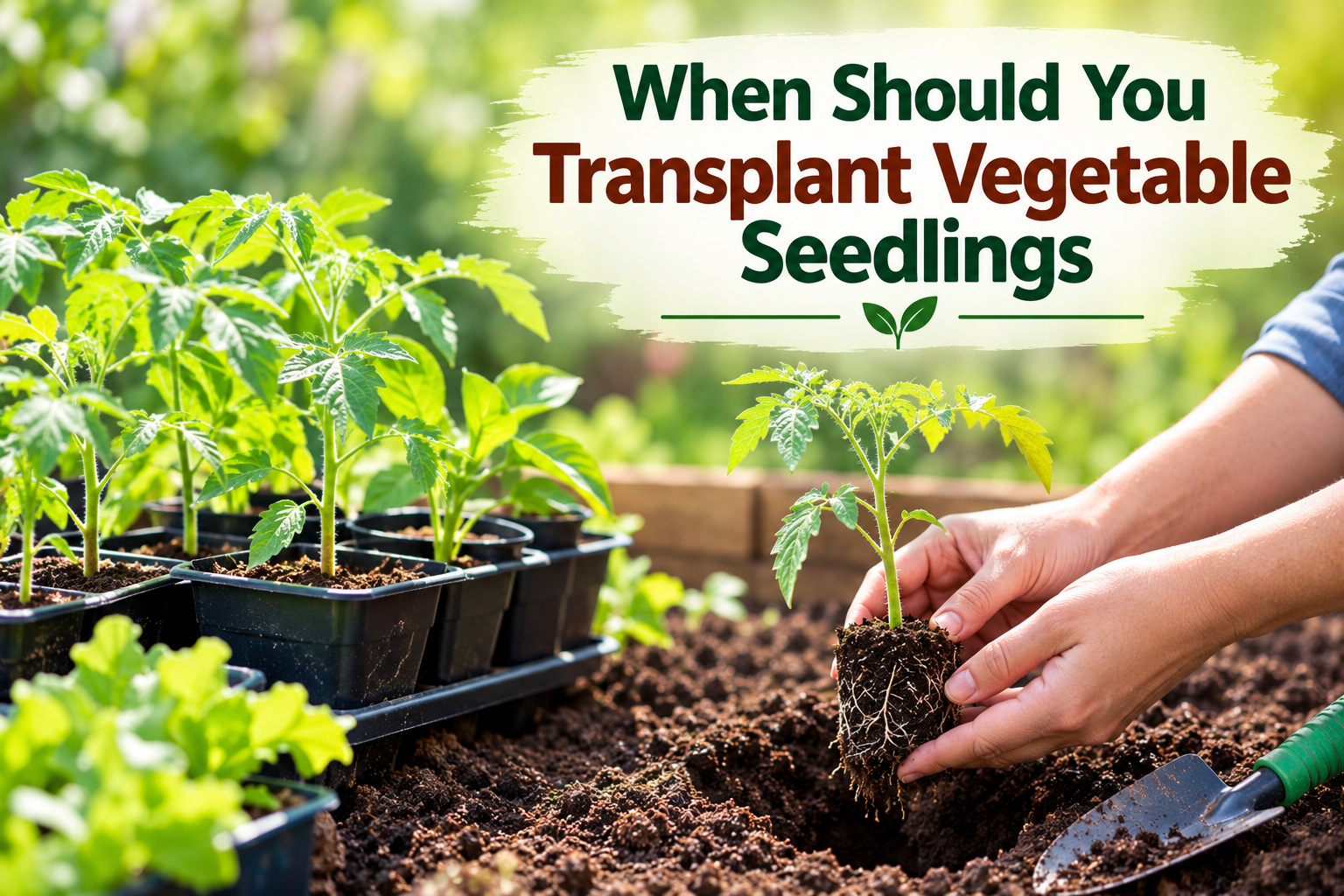
Before moving seedlings outside permanently, they need to be hardened off.
Hardening off means gradually introducing indoor grown plants to outdoor conditions. Start by placing them outdoors for a short period in a protected location. Gradually increase their outdoor exposure over several days.
Avoid exposing delicate seedlings suddenly to strong sunlight, harsh wind, or extreme temperatures.
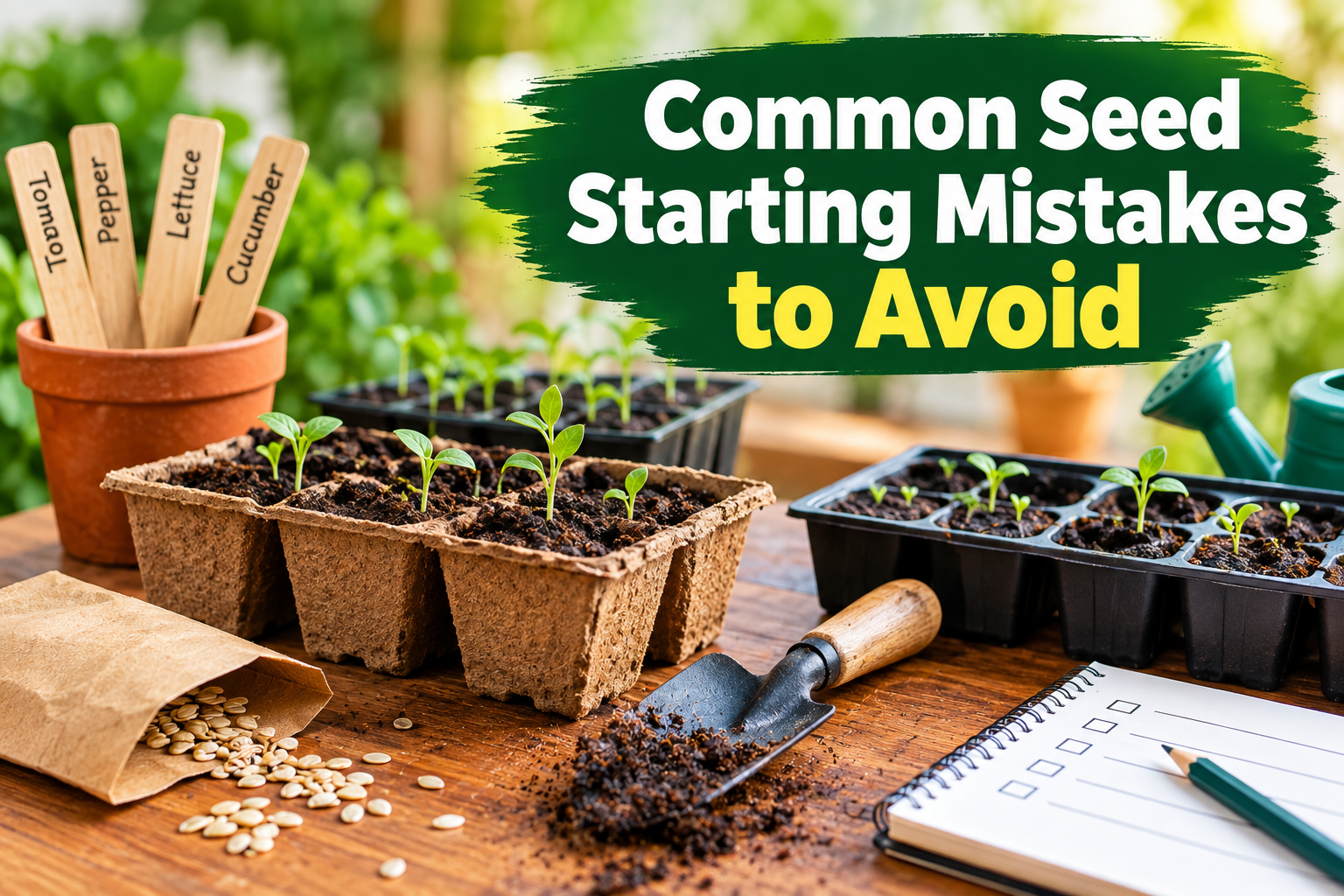
Avoid Common Indoor Seed Starting Mistakes
Several common mistakes can make vegetable seedlings struggle.
One mistake is planting seeds too deeply. Another is keeping the growing medium constantly soaked. Insufficient light is another frequent problem.
Using dirty containers can also introduce unwanted problems. Reusing containers is perfectly reasonable, but cleaning them first is a good practice.
Overcrowding is another issue. Giving seedlings enough space helps them receive better light and develop healthier roots.
Finally, avoid rushing the transplanting process. Young plants need time to become strong enough for outdoor conditions.
Keep Simple Gardening Records
I recommend keeping a small gardening notebook or digital record. Write down when you planted each vegetable, when seedlings appeared, and when they were transplanted.
These notes become surprisingly useful over time.
After one growing season, you can look back and see which varieties germinated quickly, which produced healthy seedlings, and which struggled.
This makes it easier to improve your vegetable seed starting process in the following season.
Final Thoughts
Learning how to start vegetable seeds indoors is a useful skill for any home gardener. You do not need a greenhouse or complicated equipment. With good quality seeds, suitable containers, a lightweight growing medium, proper moisture, enough light, and careful attention, you can successfully grow healthy seedlings at home.
The most important thing is to understand that young plants need different care as they develop. Seeds need moisture and suitable conditions for germination. Once they emerge, seedlings need strong light, air circulation, appropriate watering, and enough space.
Start with a few vegetables that are relatively easy to manage, keep track of what you do, and learn from each growing season. With practice, starting vegetable seeds indoors can become a simple and enjoyable part of your gardening routine.