 dolphinshave2stomachs
Related Articles
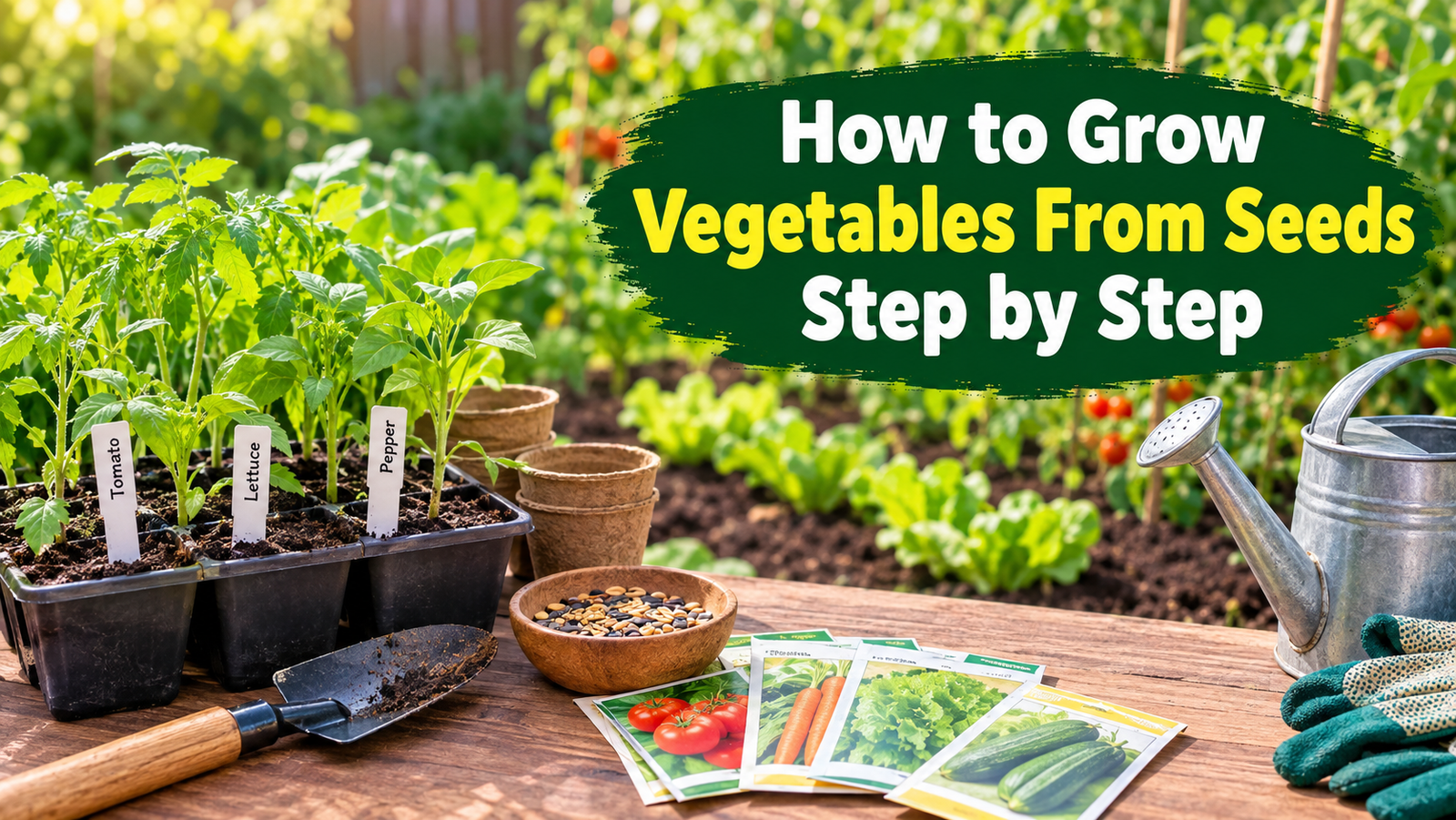
Growing vegetables from seeds can be one of the most satisfying parts of gardening. There is something special about putting a tiny seed into the soil and watching it develop into a healthy plant. However, getting seeds to germinate successfully is not always as easy as it looks. Sometimes seeds take too long to sprout, while other times only a few seeds emerge.
In my experience, successful vegetable seed germination mostly comes down to giving seeds the right conditions from the beginning. Good seeds, suitable soil, proper moisture, the right temperature, and enough patience can make a major difference. If you are struggling with poor germination, a few simple changes can greatly improve your results.
Choose Fresh and Healthy Seeds
The first step toward better seed germination is choosing good quality seeds. Even if you provide perfect growing conditions, old or poorly stored seeds may have a low germination rate.
Before planting, check the seed packet for the variety and recommended planting information. If you have leftover seeds from previous seasons, think about how they were stored. Seeds kept in a cool, dry place usually remain useful longer than seeds exposed to heat and moisture.
I prefer using fresh seeds whenever possible, especially for vegetables that can be more sensitive during germination. Buy seeds from reliable sources and avoid packets that appear damaged or have been exposed to damp conditions.
Understand the Germination Needs of Each Vegetable
Not every vegetable seed germinates in exactly the same way. Some seeds prefer warm soil, while others perform better in cooler conditions.
For example, tomatoes, peppers, cucumbers, squash, and other warm season vegetables generally need warmer conditions to germinate well. Lettuce, spinach, peas, and some other cool season crops can germinate at lower temperatures.
This is why I always recommend checking the growing instructions for the particular vegetable before planting. Understanding the seed’s preferred temperature and planting depth can prevent many common germination problems.
Use the Right Soil
Good soil is extremely important for vegetable seed germination. Heavy garden soil can become compacted, making it difficult for delicate roots to grow and young shoots to reach the surface.
For starting seeds, use a light and well drained growing medium. A quality seed starting mix allows air and moisture to reach the seed while giving developing roots enough space.
The soil should hold moisture without becoming constantly wet. If water sits around the seeds, they may become damaged or develop fungal problems.
I like to prepare the soil carefully before sowing. Remove large pieces of debris and break up compacted areas so the seeds have a soft environment in which to grow.
Plant Seeds at the Correct Depth
Planting depth is another common reason for poor germination. If seeds are planted too deeply, young seedlings may not have enough energy to reach the surface. If they are planted too shallowly, they may dry out quickly.
As a general rule, many vegetable seeds should be planted at a depth related to their size. Larger seeds can usually be planted deeper than very small seeds. However, always check the instructions for your specific vegetable.
Small seeds such as lettuce may need only a light covering of soil, while larger seeds such as beans can be planted deeper.
One mistake I often see beginners make is adding too much soil over small seeds. A light covering is often enough.
Keep the Soil Moist
Water is essential for seed germination because seeds need to absorb moisture before the germination process can begin. However, there is a big difference between moist soil and waterlogged soil.
The goal is to keep the growing medium consistently moist. Do not allow it to become completely dry during the germination period, but avoid soaking it repeatedly.
A gentle watering method works best for newly planted seeds. Strong streams of water can wash seeds away or bury them too deeply.
I prefer checking the soil regularly rather than following a strict watering schedule. Weather, soil type, container size, and temperature can all affect how quickly the soil dries.
Maintain the Right Temperature
Temperature has a major effect on vegetable seed germination. Seeds may remain inactive if conditions are too cold, while excessive heat can also create problems.
Warm season vegetables usually need warm soil to germinate efficiently. If you are starting seeds indoors, placing trays in a suitable warm location can help maintain stable conditions.
For outdoor gardening, timing is especially important. Planting warm season seeds too early can result in slow or uneven germination because the soil has not warmed enough.
Instead of rushing to plant, I find it better to wait for suitable conditions. A few extra days of preparation can save a lot of frustration later.
Give Seeds Enough Air
Seeds need oxygen during germination. This is another reason why overly wet and compacted soil can cause problems.
Good drainage helps maintain a healthy balance between moisture and air. If you are using containers or seed trays, make sure excess water can drain away properly.
Avoid placing containers in trays where water remains for long periods. A little moisture is helpful, but constantly saturated conditions can prevent healthy development.
Try Seed Soaking When Appropriate
Some larger vegetable seeds can benefit from soaking before planting. Soaking allows the seed coat to absorb water and may help speed up the early germination process.
Beans, peas, and some other larger seeds are commonly soaked before planting. However, soaking is not necessary for every vegetable.
If you decide to try this method, avoid leaving seeds submerged for excessive periods. After soaking, plant them promptly in prepared soil.
For very small seeds, soaking can be inconvenient and may not provide the same benefit, so I usually keep the process simple unless the vegetable is known to respond well to it.
Avoid Disturbing the Seeds
Once seeds are planted, it can be tempting to dig around and check whether they are growing. I understand the curiosity, especially when several days have passed without seeing anything.
However, disturbing the soil can damage developing roots or move seeds away from their ideal position.
Instead, give the seeds time and monitor the surface carefully. Germination time varies from one vegetable to another. Some seeds can appear quickly, while others naturally take longer.
Patience is an important part of successful vegetable gardening.
Provide Proper Light After Germination
Seeds do not all require the same amount of light before they germinate, but once seedlings emerge, light becomes very important.
Young vegetable seedlings need sufficient light to develop strong stems and healthy leaves. When seedlings do not receive enough light, they may become tall, thin, and weak.
If you are starting seeds indoors, place them near a bright window or use an appropriate grow light. Rotate containers when necessary so seedlings receive more even light.
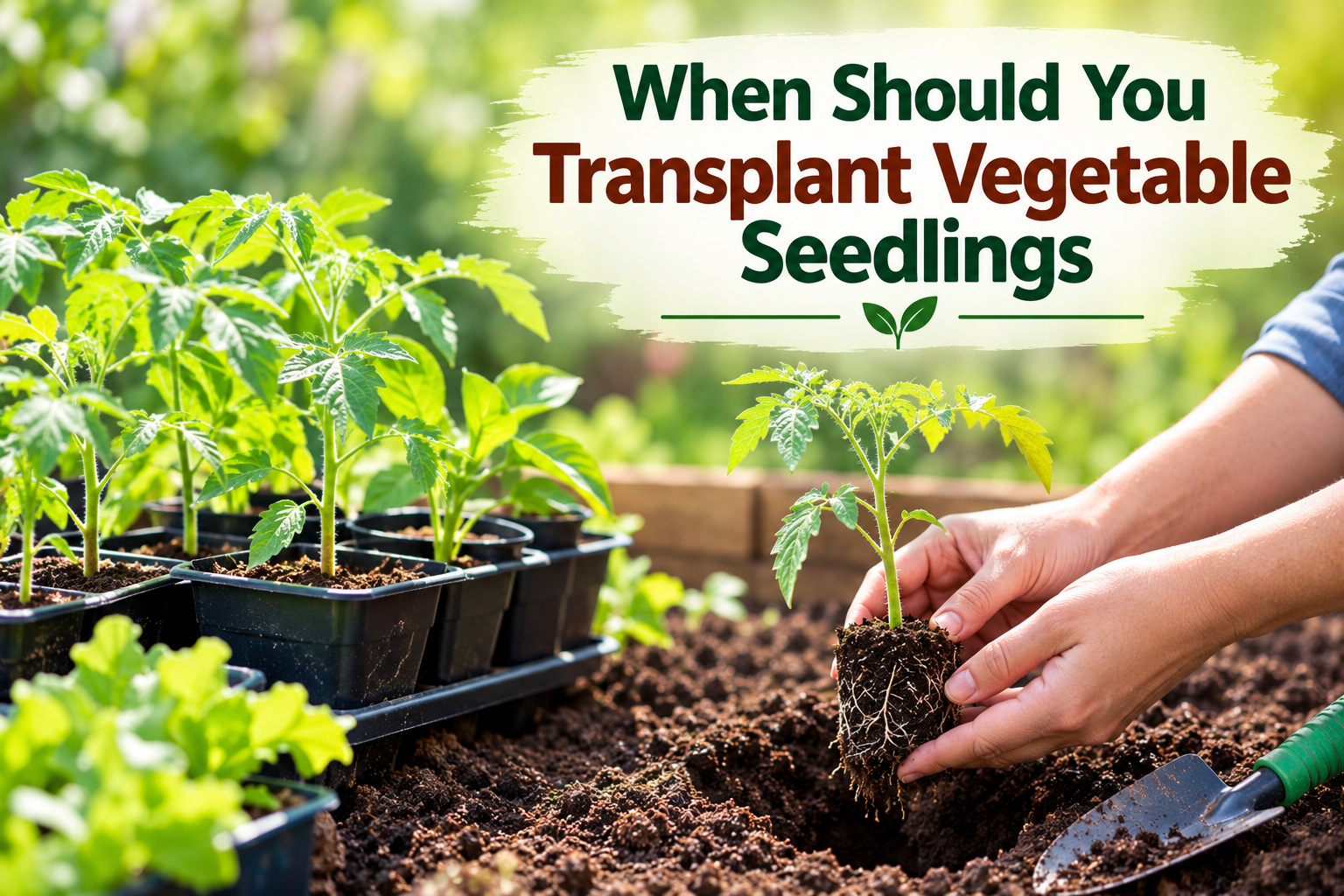
Outdoor seedlings should gradually become accustomed to their growing environment when they have been started indoors.
Avoid Overcrowding
Planting too many seeds in one small space can create problems after germination. Crowded seedlings compete for light, water, nutrients, and growing space.
When several seedlings emerge close together, thin them according to the recommendations for that vegetable. Removing weaker seedlings may feel difficult, but giving the remaining plants enough room can improve their development.
I prefer giving young plants enough space from the beginning whenever possible. This makes later care much easier.
Test Old Seeds Before Planting
If you are unsure whether older seeds are still viable, you can perform a simple germination test before planting the entire packet.
Place several seeds between damp paper towels and keep them in suitable conditions. Check them periodically to see whether they begin to sprout.
This small test can tell you whether the seeds are likely to germinate before you spend time preparing a larger planting area.
It is particularly useful when you have saved seeds for several seasons and are uncertain about their quality.
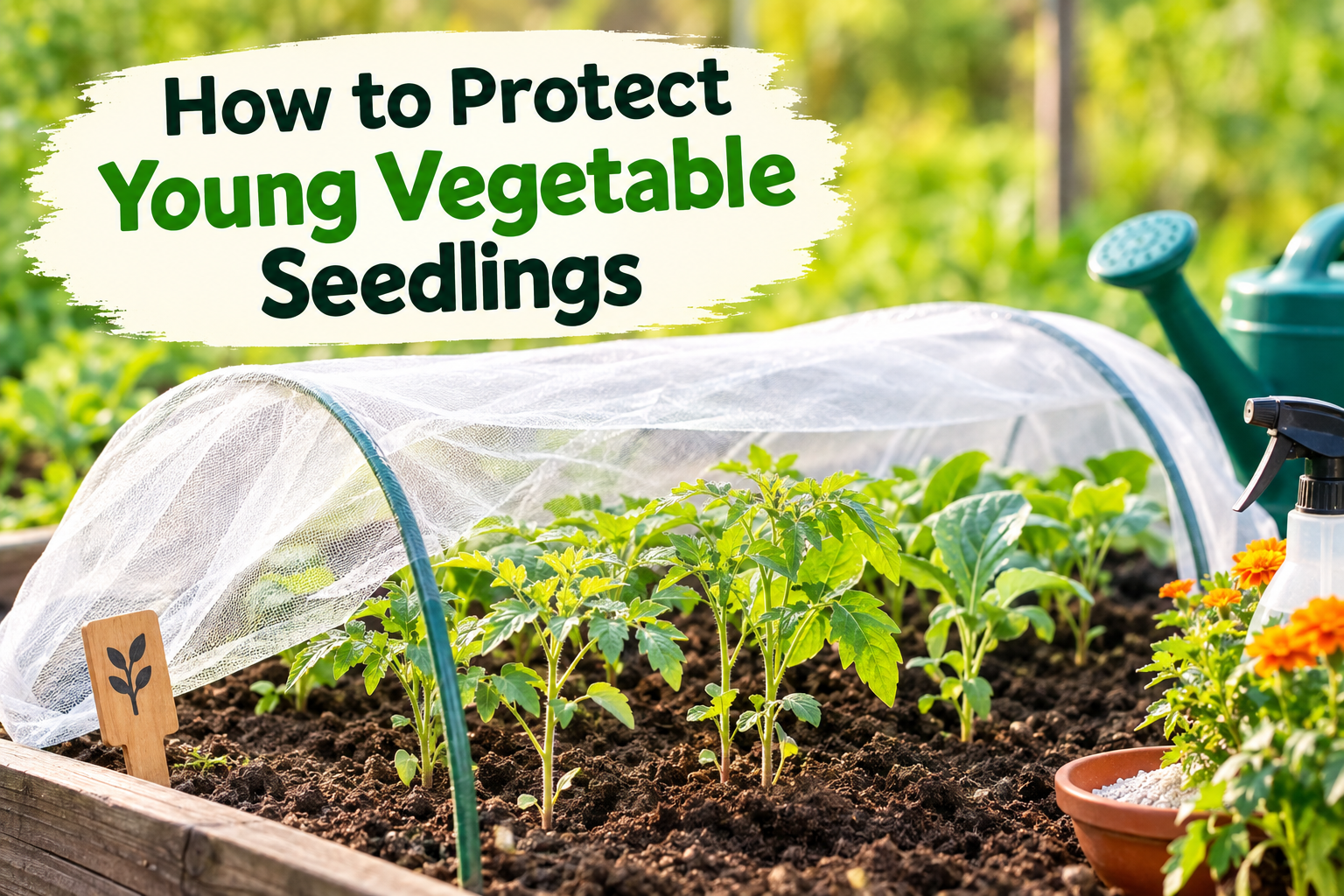
Protect Seeds From Pests and Weather
Outdoor seeds face several challenges that indoor seeds may avoid. Birds, insects, heavy rain, strong sunlight, and sudden temperature changes can interfere with germination.
A light protective covering can help in some situations. However, make sure the seeds still receive adequate air and moisture.
During heavy rain, containers can also become waterlogged. Moving them to a protected location can help maintain better growing conditions.
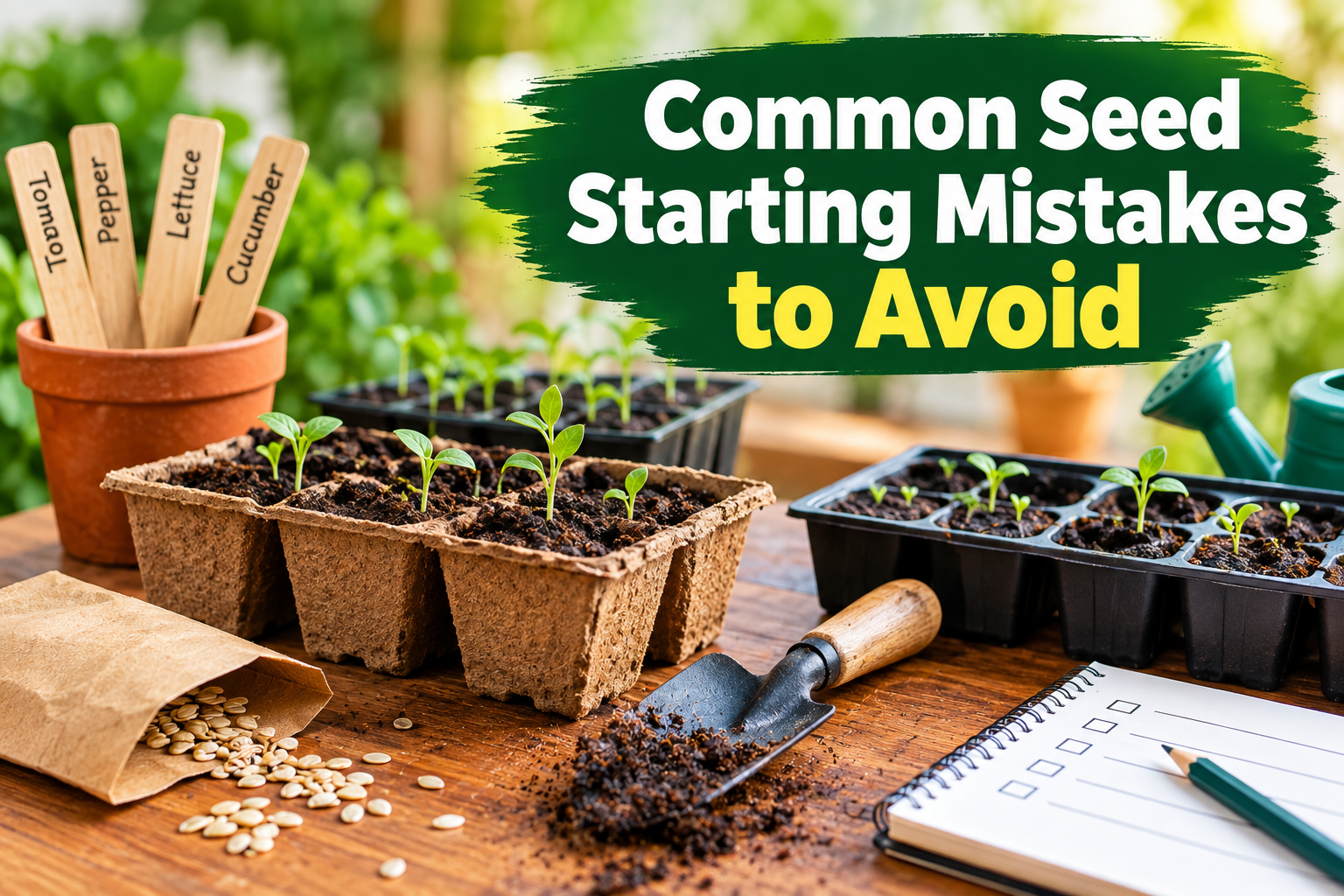
Avoid Common Germination Mistakes
Many germination problems are caused by simple mistakes. Planting too deeply, using poor soil, watering too much, allowing the soil to dry out, and planting at the wrong temperature can all reduce germination success.
Another mistake is expecting every seed to germinate at exactly the same time. Even under good conditions, germination can vary.
Instead of changing everything at once, look at the basic conditions one by one. Check the seed quality, soil moisture, temperature, planting depth, and growing environment.
This approach makes it easier to identify what may be causing the problem.
Give Seeds Time to Germinate
One of the most important vegetable seed germination tips is to be patient. Different vegetables have different germination periods, and environmental conditions can change how quickly they sprout.
If the soil is slightly cooler than recommended, germination may take longer. If moisture levels are inconsistent, seedlings may also emerge unevenly.
Rather than assuming something has gone wrong immediately, give the seeds the appropriate amount of time based on the vegetable variety.
Final Thoughts
Improving vegetable seed germination does not require complicated gardening techniques. In my view, the biggest improvements usually come from getting the basics right. Start with fresh and healthy seeds, use a suitable growing medium, plant at the correct depth, maintain consistent moisture, and provide the right temperature.
Once seedlings emerge, focus on giving them enough light, air, water, and space to develop properly. Keep an eye on the growing conditions and avoid making sudden changes.
Successful vegetable gardening starts with healthy seedlings, and healthy seedlings start with good germination. With a little preparation and patience, you can improve your vegetable seed germination rate and give your garden a much stronger start.