 dolphinshave2stomachs
Related Articles
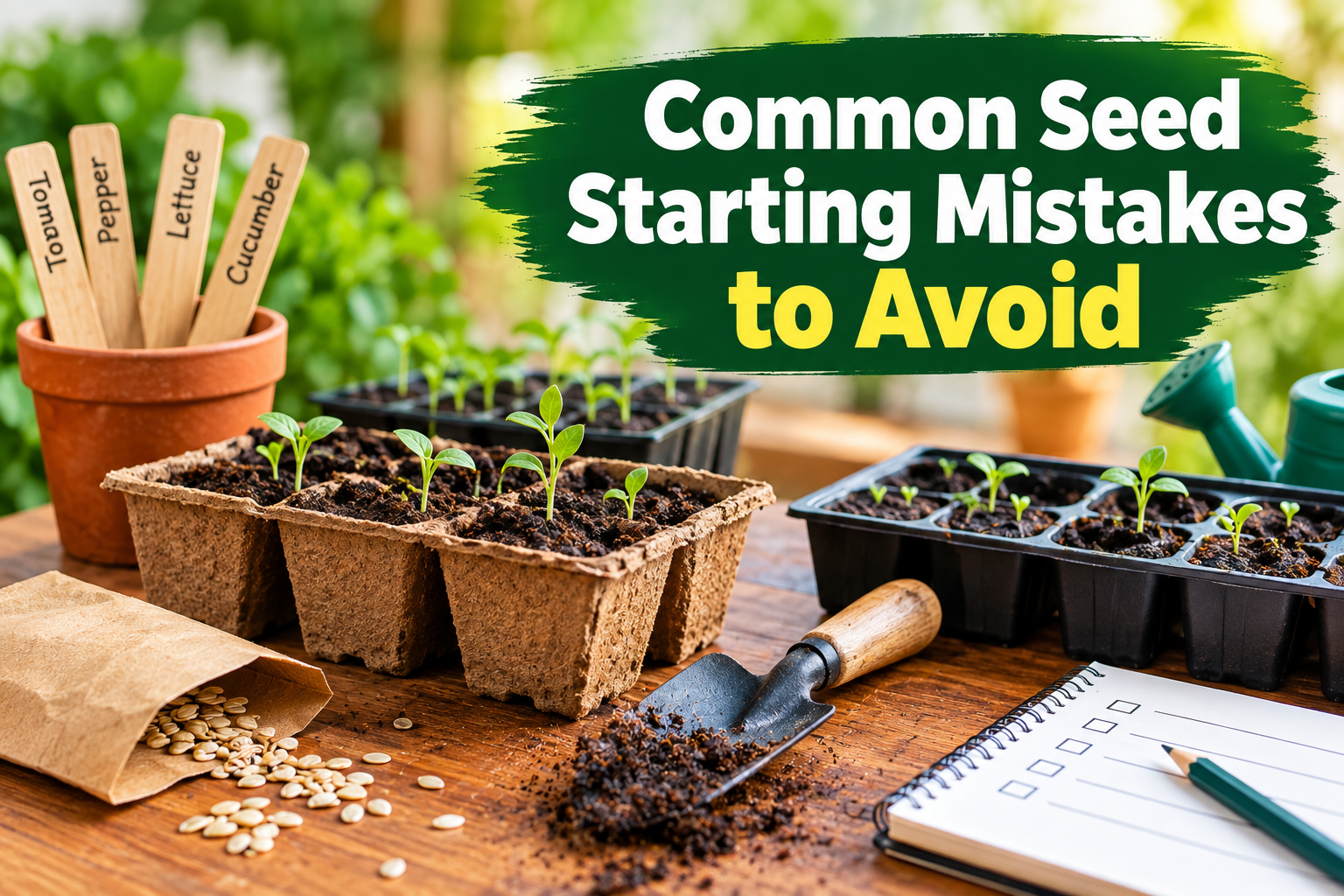
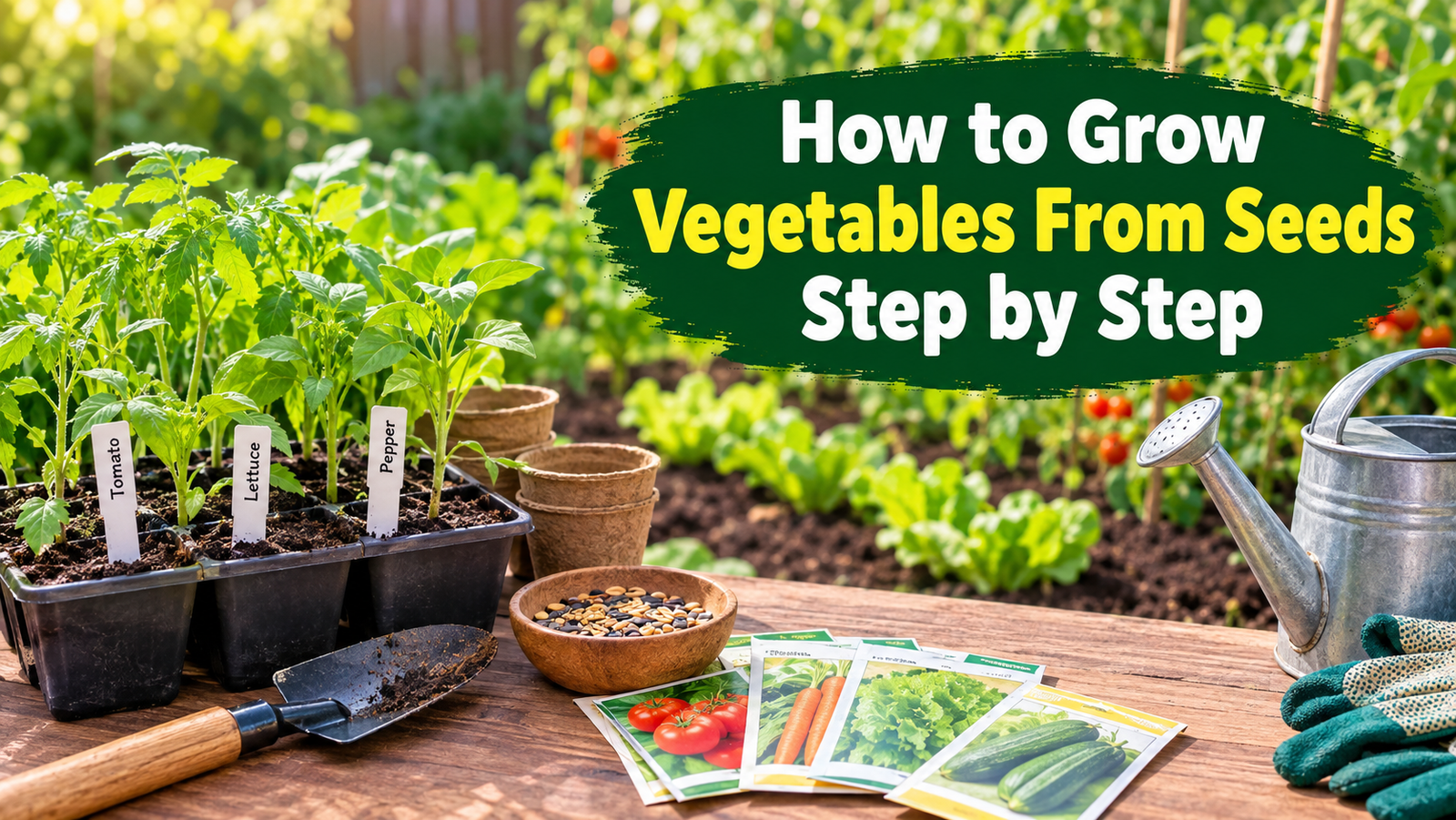
Growing vegetables from seeds can be one of the most satisfying parts of gardening. I always enjoy watching a tiny seed break through the soil and slowly develop into a healthy plant. However, sometimes we plant seeds, water them, wait for several days, and still see nothing happening. This can be frustrating, especially when we believe we have done everything correctly.
If your vegetable seeds are not germinating, there is usually a reason behind it. Seeds need the right combination of moisture, temperature, oxygen, planting depth, and suitable soil conditions. Seed quality and planting time can also make a big difference.
In my experience, understanding these basic requirements makes seed starting much easier. Instead of adding more water or planting more seeds immediately, it is better to identify what may be preventing germination.
What Does Seed Germination Mean?
Seed germination is the process that begins when a living seed absorbs enough moisture and starts growing. The seed first becomes swollen, then the first root begins to emerge. After that, the young shoot moves upward toward the surface.
Different vegetable seeds germinate at different speeds. Radishes, lettuce, and some other vegetables can sprout relatively quickly, while peppers and certain herbs may take longer.
This is why I always recommend checking the expected germination period before deciding that something has gone wrong.
Poor Seed Quality
One of the first things I consider when vegetable seeds are not germinating is seed quality. Seeds do not remain viable forever. Older seeds may have a lower germination rate, especially if they have been stored in warm, humid, or unsuitable conditions.
If you are using leftover seeds from previous gardening seasons, check their age and storage conditions. Seeds stored in a cool, dry, and dark place generally have a better chance of remaining viable.
Buying fresh seeds from a reliable source can also help. I prefer checking the seed packet information before planting because it often provides useful details about the expected germination time and planting conditions.
Incorrect Soil Moisture
Water is essential for seed germination, but too much water can create problems. This is one of the most common reasons vegetable seeds fail to germinate.
When soil stays extremely wet, the tiny seeds may not receive enough oxygen. Excess moisture can also encourage fungal problems and cause seeds to rot.
On the other hand, if the soil dries out after planting, the seed may absorb some moisture and then stop developing.
I try to keep seed starting soil consistently moist rather than soaking wet. A gentle watering method is usually better than pouring large amounts of water directly over newly planted seeds.
Planting Seeds Too Deep
Another common mistake is planting vegetable seeds too deeply. Small seeds usually need only a light covering of soil because their young shoots may not have enough energy to reach the surface from a deep planting depth.
Large seeds can generally be planted deeper than very small seeds, but the exact depth depends on the vegetable.
Before planting, I always check the instructions on the seed packet. Following the recommended depth can make a noticeable difference in germination success.
Soil Temperature Is Too Low
Temperature plays an important role in seed germination. Each vegetable has a preferred temperature range for starting growth.
Warm season vegetables such as tomatoes, peppers, cucumbers, and eggplants generally need warmer conditions than cool season crops such as lettuce, spinach, peas, and radishes.
If you plant warm season vegetables when the soil is still cold, germination can be slow or uneven.
This is why timing matters. I have found that planting according to the local growing season is often more effective than simply planting whenever I have seeds available.
Soil Temperature Is Too High
Extremely high temperatures can also cause germination problems. This is particularly important in hot climates.
When soil becomes very hot and dry, moisture can disappear quickly. Some seeds may struggle to germinate under excessive heat.
If temperatures are high, providing suitable shade during the hottest part of the day and maintaining consistent soil moisture can help, depending on the vegetable being grown.
Poor Quality Soil
Seeds need a suitable growing medium. Heavy, compacted soil can make it difficult for young roots and shoots to develop.
Garden soil that becomes hard after watering may not be ideal for starting small seeds. Poor drainage can also create problems because excess water remains around the seeds.
For seed starting, I prefer loose soil with good drainage and enough moisture holding capacity. The soil should be fine enough to provide good contact around the seed while still allowing air and water to move through it.
Lack of Moisture
Sometimes the problem is simply that the seeds are too dry.
Newly planted seeds need moisture to begin the germination process. If the soil surface dries repeatedly, small seeds may fail to continue developing.
This can happen especially when containers are placed in direct sunlight, where the soil dries much faster.
I check the soil regularly rather than watering according to a fixed schedule. The goal is to maintain suitable moisture without creating waterlogged conditions.
Poor Drainage
Good drainage is just as important as watering.
If a container has no drainage holes, excess water can collect around the seeds. This can reduce oxygen availability and increase the risk of seed rot.
For container gardening, I always make sure excess water has somewhere to escape. Raised beds should also have suitable drainage so that heavy rainfall does not leave the soil saturated for long periods.
Seeds Are Not Getting Enough Oxygen
Although seeds need water to germinate, they also need oxygen. This is one reason overly wet soil can cause problems.
Compacted soil contains fewer air spaces, which can make conditions difficult for germinating seeds.
Avoid pressing the soil down too heavily after planting. Lightly covering the seeds and gently firming the surface is usually enough to provide good seed to soil contact.
Wrong Planting Season
Planting at the wrong time can be another major reason seeds do not germinate.
Vegetables can generally be divided into cool season and warm season crops. Cool season vegetables often perform better during mild temperatures, while warm season vegetables need warmer soil and air.
Instead of following a single planting calendar for every vegetable, I recommend considering your local climate and the specific needs of each crop.
Birds and Other Garden Problems
Sometimes seeds actually germinate but disappear before we notice them.
Birds, insects, and other garden pests can disturb freshly planted seeds or eat young seedlings. Heavy rain can also wash seeds away from their original position.
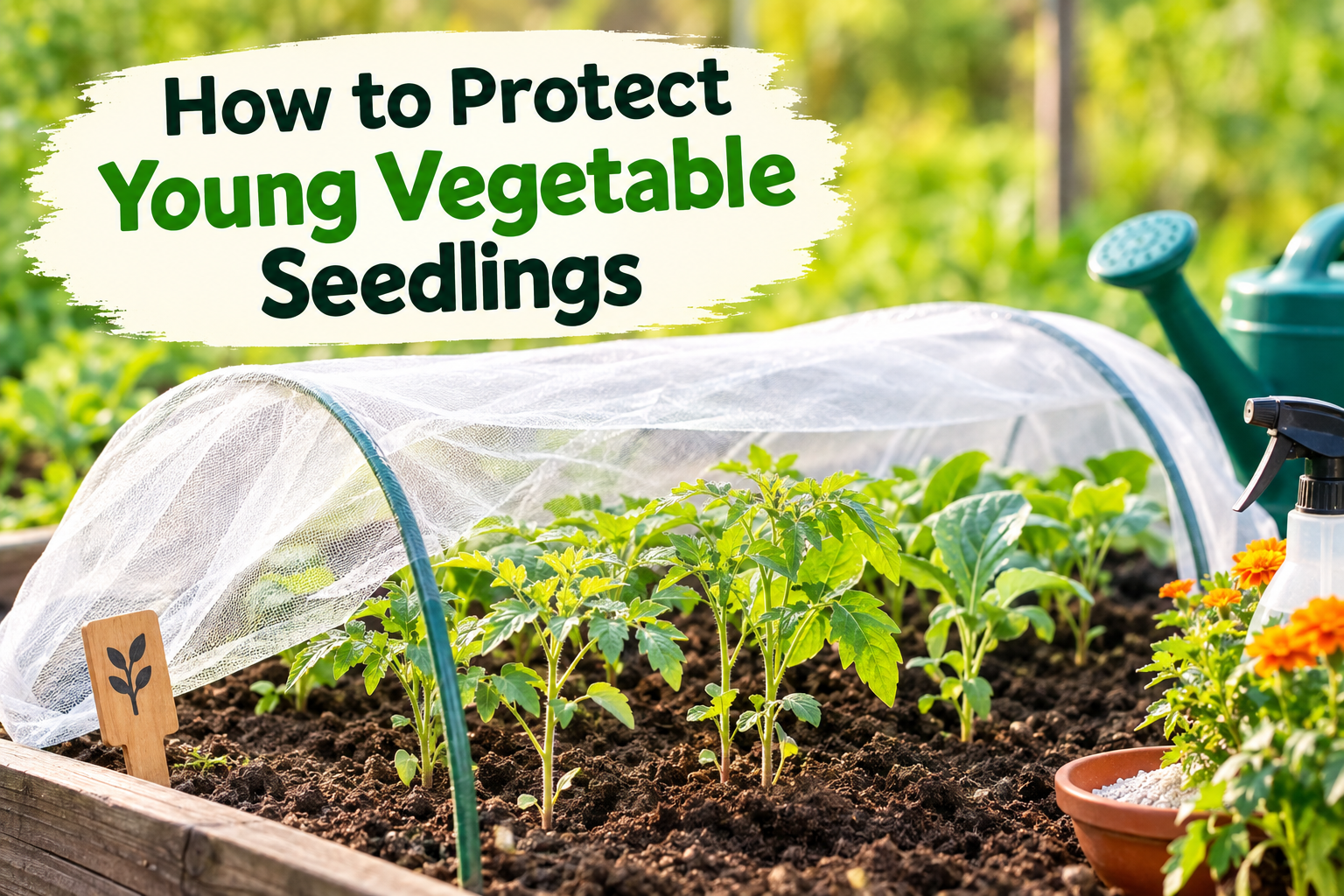
If this is a recurring problem, covering newly planted areas with a light protective material can help while the seeds are getting established.
Seeds May Need Light
Not every seed has exactly the same germination requirements. Some seeds can germinate under darkness, while others benefit from exposure to light.
This is another reason I find seed packet instructions useful. Planting every type of seed in exactly the same way can lead to disappointing results.
For very small seeds, avoid automatically burying them deeply. Some are better placed close to the soil surface with only a very thin covering.
How Long Should You Wait for Seeds to Germinate?
Patience is important when growing vegetables from seed.
Some vegetable seeds can appear within a few days, while others may require a week or longer under suitable conditions. Germination time depends on the vegetable variety, seed age, temperature, moisture, and growing medium.
Before replanting, check the expected germination period for your particular vegetable. If the normal germination window has not passed, giving the seeds more time may be the best approach.
What I Do When Seeds Are Not Germinating
When I notice that seeds are not coming up, I try not to immediately disturb the soil. First, I check the moisture level. Then I consider the temperature, planting depth, seed age, soil quality, and planting date.
If everything appears suitable, I give the seeds additional time.
If the expected germination period has passed, I carefully inspect a small area to see what happened. A seed that has swollen but not produced a root may indicate a problem with conditions or seed viability. A completely dry seed may indicate insufficient moisture.
This simple checking process can help identify the problem without disturbing the entire planting area.
How to Improve Vegetable Seed Germination
There are several simple steps that can improve germination success.
Use fresh, properly stored seeds whenever possible.
Choose soil that drains well and remains lightly moist.
Plant seeds at the recommended depth.
Check the temperature requirements of each vegetable.
Avoid overwatering.
Protect newly planted seeds from heavy rain and pests.
Plant vegetables during their suitable growing season.
Avoid compacting the soil.
Give seeds enough time to germinate before assuming they have failed.
Keeping these points in mind can make starting a vegetable garden much more predictable.
Final Thoughts
When vegetable seeds are not germinating, it does not always mean that the seeds are bad. In many cases, the problem comes from moisture, temperature, soil conditions, planting depth, timing, or storage.
I believe the best approach is to look at the basic requirements before changing everything at once. Small adjustments can make a big difference. Once you understand what a particular vegetable needs, growing it from seed becomes much easier.
Seed germination is also a learning process. Every failed planting can teach you something about your soil, weather, watering habits, or timing. With patience and a little observation, you can improve your results and eventually grow strong, healthy vegetable plants from seed.
Whether you are starting a small container garden or planting a larger backyard vegetable garden, paying attention to the early stages can give your plants a much better start.