 dolphinshave2stomachs
Related Articles
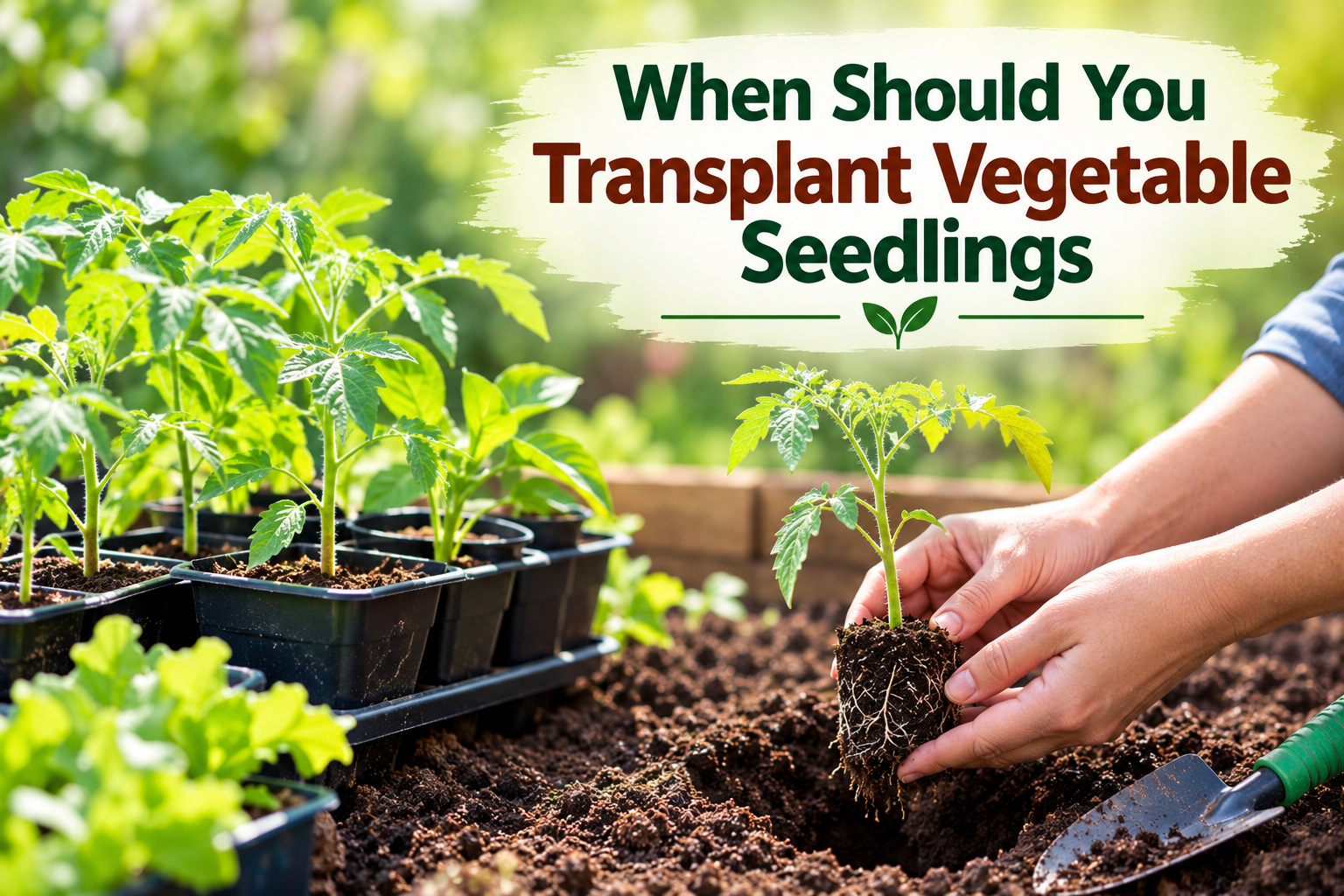
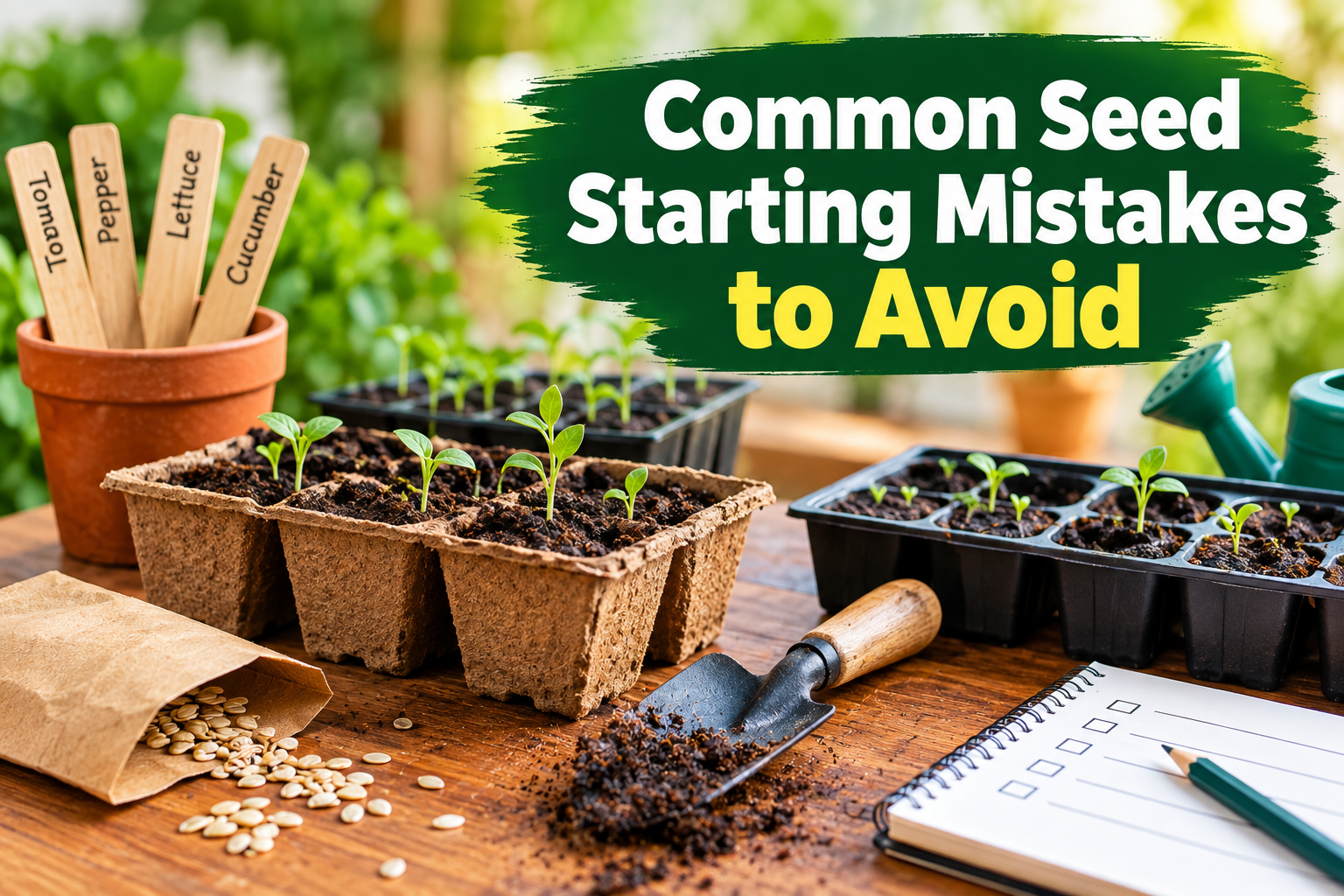
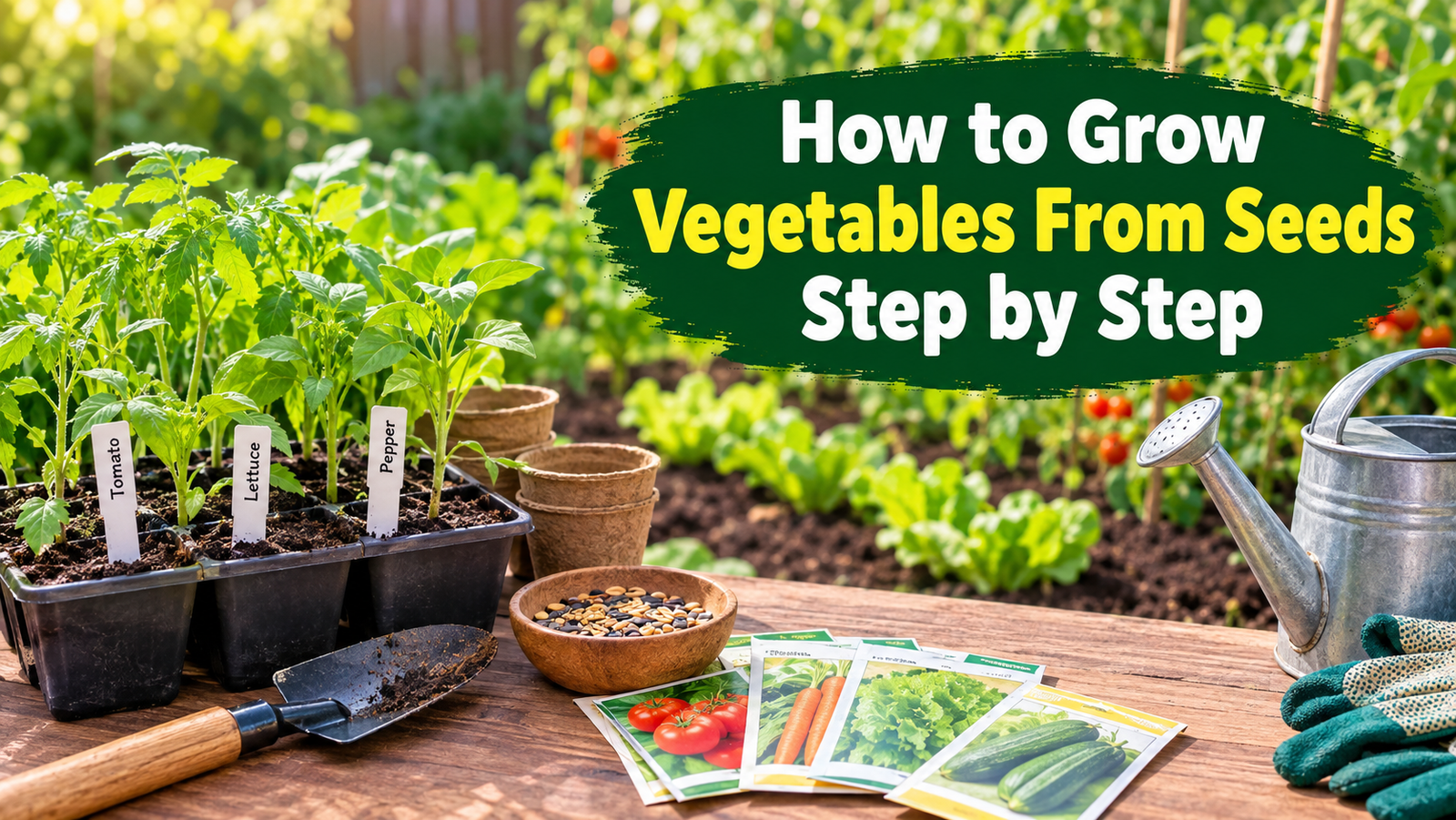
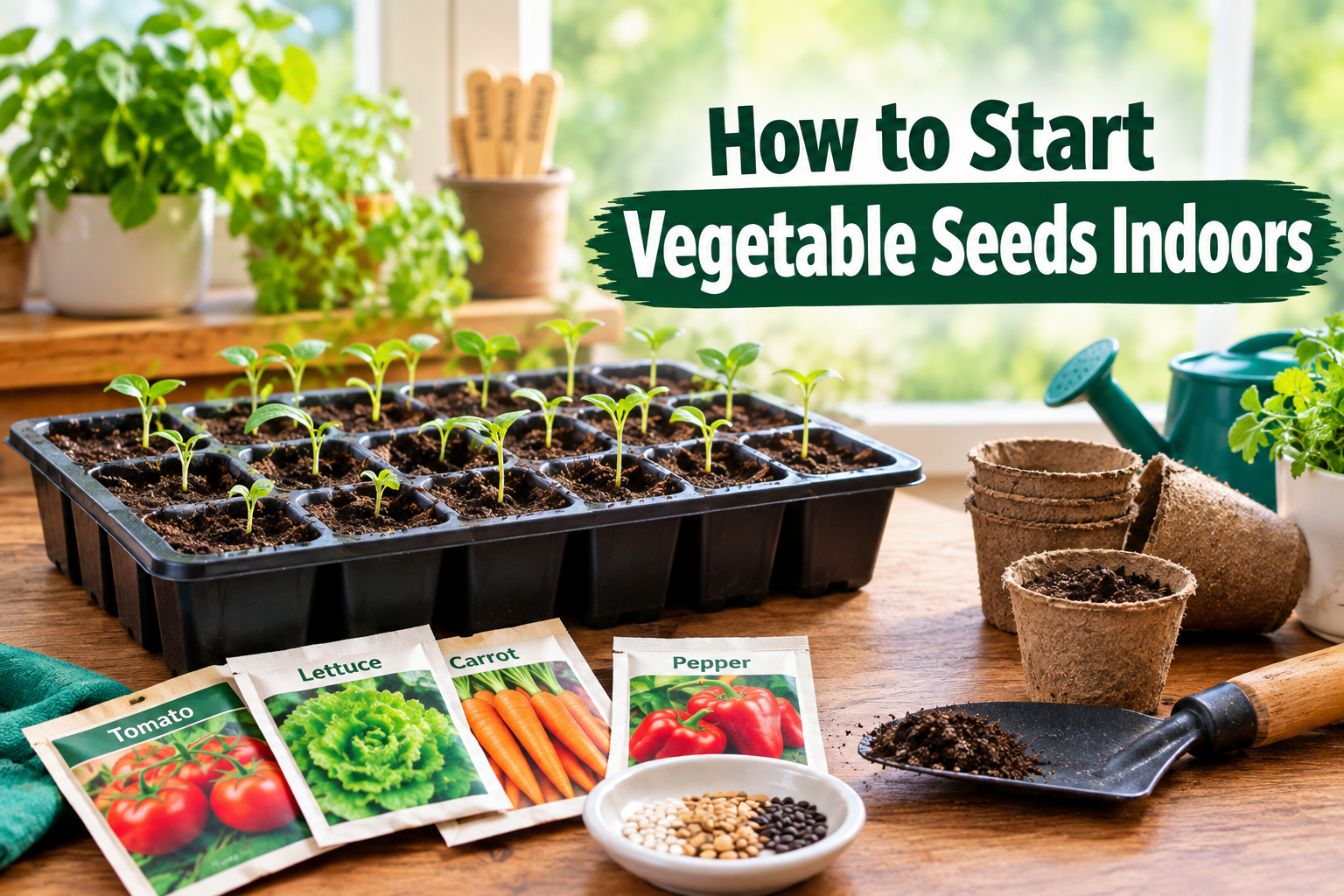
Growing vegetables from seeds is exciting, but I have learned that the hardest part is often protecting young seedlings after they appear. Small vegetable plants can look healthy one day and become weak or damaged the next if they are exposed to harsh weather, pests, poor watering, or too much sunlight.
Young seedlings are much more delicate than mature vegetable plants. Their roots are still developing, their stems are thin, and their leaves can be easily damaged. This is why protecting vegetable seedlings should be an important part of every home vegetable garden.
In my experience, the best approach is not to make gardening complicated. Simple daily observation, proper watering, suitable sunlight, good soil, and basic protection can make a big difference. In this guide, I will share practical ways to protect young vegetable seedlings and help them develop into strong and productive plants.
Choose a Suitable Growing Location
The location of your seedlings can have a major effect on their health. Before planting seeds or moving seedlings outdoors, think about sunlight, wind, rain, temperature, and nearby plants.
Young vegetable plants usually need plenty of light, but newly emerged seedlings may not tolerate intense conditions as well as established plants. If the sunlight is extremely strong, providing temporary shade during the hottest part of the day can help.
For indoor seedlings, place containers near a bright window where plants can receive adequate light. If the seedlings become very tall and weak, they may not be receiving enough light.
I also try to avoid locations where strong winds can constantly shake young plants. A sheltered area can help seedlings develop stronger stems.
Water Young Seedlings Carefully
Watering is one of the most important parts of protecting young vegetable seedlings. Both too much water and too little water can cause problems.
Seedlings have small root systems, so they can dry out faster than mature plants. At the same time, their roots can suffer if the soil stays constantly saturated.
I prefer checking the soil before watering instead of following the same schedule every day. If the surface feels dry, I provide enough water to keep the growing medium evenly moist.
Use a gentle stream or watering can when possible. Strong water pressure can disturb the soil and damage delicate stems.
Containers should also have drainage holes. Good drainage allows excess water to escape and helps maintain healthier roots.
Protect Seedlings From Strong Sunlight
Sunlight is essential for vegetable growth, but very young plants may need some protection when conditions become extreme.
If seedlings were grown indoors, they may need time to adjust before being placed outside in strong sunlight. Moving them outdoors gradually can help them adapt to the new environment.
A simple shade cloth or a partially shaded location can provide temporary protection during particularly hot periods.
Watch the leaves carefully. Wilting, scorched edges, or faded leaves can indicate that the plants are experiencing environmental stress.
The exact amount of sunlight needed depends on the vegetable. Always consider the requirements of the specific plant you are growing.
Protect Plants From Heavy Rain
Heavy rain can be surprisingly damaging to young seedlings. Strong drops can splash soil onto leaves, bend delicate stems, or even bury small plants.
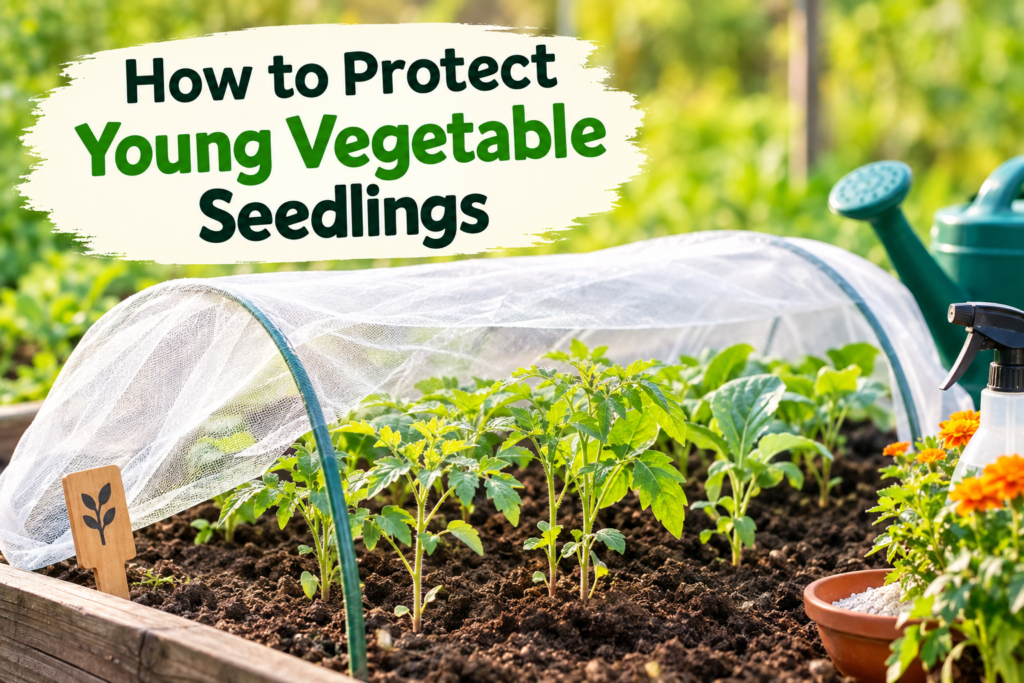
If heavy rain is expected, containers can be moved to a protected area. For garden beds, a temporary cover can provide additional protection.
Avoid placing covers directly on the plants. A simple support structure can keep the material above the seedlings while still allowing air to circulate.
After heavy rain, inspect the garden. Check whether seedlings have been pushed over or whether soil has collected around their stems.
Protect Young Plants From Strong Wind
Wind can quickly damage young vegetable seedlings. Thin stems may bend, break, or become stressed when exposed to strong winds.
If you grow seedlings in containers, place them in a sheltered area during periods of strong wind. In outdoor beds, temporary protection can reduce exposure.
As plants become stronger, they can usually handle more natural airflow. Good airflow is actually useful for healthy plant development, so the goal is not to completely block air around the plants.
Instead, provide protection from severe wind while allowing normal air movement.
Watch for Garden Pests
Pests can be a serious problem when seedlings are young. Insects may feed on tender leaves or stems, and some pests can damage plants before they have a chance to become established.
Check your seedlings regularly. Look at both the upper and lower surfaces of leaves and inspect the soil around the stems.
Common signs of pest activity include holes in leaves, chewed edges, discoloration, and insects around the plants.
I believe regular inspection is better than waiting until the damage becomes severe. When you notice a problem early, you have more options for managing it.
Use pest control methods that are appropriate for the specific plant and situation. Always follow product instructions carefully if you choose a commercial garden product.
Keep the Garden Area Clean
A clean garden can make seedling care easier. Remove dead leaves, damaged plant material, and unnecessary debris from around your young vegetables.
Weeds should also be managed because they compete with seedlings for water, light, nutrients, and growing space.
I try to keep the area around young plants reasonably tidy without disturbing the soil too much. A clean growing environment also makes it easier to notice pests and other problems.
Do not overcrowd seedlings with unnecessary plants or containers. Good spacing improves access to sunlight and airflow.
Use Mulch Carefully
Mulch can help protect soil moisture and reduce weed growth, but it should be used carefully around very young seedlings.
A thin layer of suitable organic mulch can help reduce moisture loss as plants become established. However, placing thick or wet mulch directly against delicate stems can create unwanted conditions.
Leave some space around the base of young plants. As seedlings grow, you can adjust the mulch layer according to the needs of the vegetable.
Mulching is especially useful in gardens where the soil dries quickly during warm weather.
Protect Seedlings From Temperature Changes
Young vegetable plants can be sensitive to sudden temperature changes. Some vegetables tolerate cool conditions, while others prefer warmer weather.
Before moving indoor seedlings outside, check the expected weather and consider the needs of the particular vegetable.
If temperatures are expected to become unusually cold, temporary covers may help protect sensitive plants. During very hot weather, shade and regular soil checks can reduce stress.
It is important to remember that different vegetables have different temperature preferences. Tomatoes and peppers, for example, generally prefer warmer conditions than many cool season vegetables.
Give Seedlings Enough Space
Crowded seedlings often struggle because they compete for light, water, nutrients, and root space.
When several seeds germinate in the same container or area, thin them according to the requirements of the vegetable. Keep the healthiest plants and provide enough room for their roots and leaves to develop.
Spacing information on the seed packet can be very useful. It gives you a starting point for understanding how much room each plant needs.
Good spacing also improves airflow and makes watering and inspection easier.
Support Weak Seedlings
Some seedlings develop thin stems, particularly when they do not receive enough light. Instead of immediately trying to support every weak plant, first look at the growing conditions.
If the plant is stretching toward a window, it may need more light. If the soil is constantly wet, watering habits may need adjustment.
For plants that naturally grow tall, a small support may eventually be helpful. Insert supports carefully so that you do not damage the roots.
As the plant develops, its stem should gradually become stronger when it receives appropriate light and growing conditions.
Avoid Over Fertilizing
Young seedlings usually do not need heavy feeding. Applying too much fertilizer can damage delicate roots and create unnecessary problems.
If you are using a quality seed starting mix, it may already contain some nutrients. Wait until the plants are established and follow the feeding recommendations for the specific vegetable.
When fertilizer is appropriate, use it according to the product instructions. More fertilizer does not automatically mean faster or healthier growth.
I prefer focusing on healthy soil, proper light, appropriate watering, and good growing conditions before worrying about additional feeding.
Check Your Seedlings Every Day
One of the easiest ways to protect young vegetable seedlings is simply to look at them regularly.
You do not need to spend hours in the garden. A few minutes each day can help you notice changes in leaf color, soil moisture, plant position, insects, and overall growth.
If one seedling suddenly wilts while the others look healthy, investigate the reason. If several plants show the same problem, consider whether watering, sunlight, temperature, or soil conditions may be responsible.
Regular observation helps you learn what your plants need instead of relying entirely on a fixed routine.
Protect Seedlings Without Overcomplicating Gardening
It is easy for beginners to buy too many gardening products and make seedling care more complicated than necessary. In my opinion, healthy seedlings mostly need the basics done consistently.
Give them suitable soil, adequate light, appropriate water, reasonable spacing, and protection from extreme weather. Check them regularly and respond when you notice a problem.
Simple protection methods such as temporary shade, garden covers, containers, supports, and sheltered locations can often be enough.
The goal is not to create a completely controlled environment. Plants eventually need to grow in natural conditions. The goal is to help them survive the vulnerable early stage and become strong enough to handle normal garden conditions.
Final Thoughts
Learning how to protect young vegetable seedlings is an important part of successful vegetable gardening. Small plants need more attention than mature plants because their roots and stems are still developing.
Protect your seedlings from extreme sunlight, heavy rain, strong wind, pests, poor watering, overcrowding, and sudden temperature changes. Give them suitable soil and enough light, and check their condition regularly.
From my point of view, patience is just as important as any gardening technique. Not every seedling will grow at exactly the same speed, and some plants will need more attention than others.
When you observe your garden regularly and make small adjustments when necessary, your young vegetable seedlings have a much better chance of becoming healthy plants. With consistent care, those tiny seedlings can eventually turn into a productive home vegetable garden that provides fresh and satisfying harvests.