 dolphinshave2stomachs
Related Articles
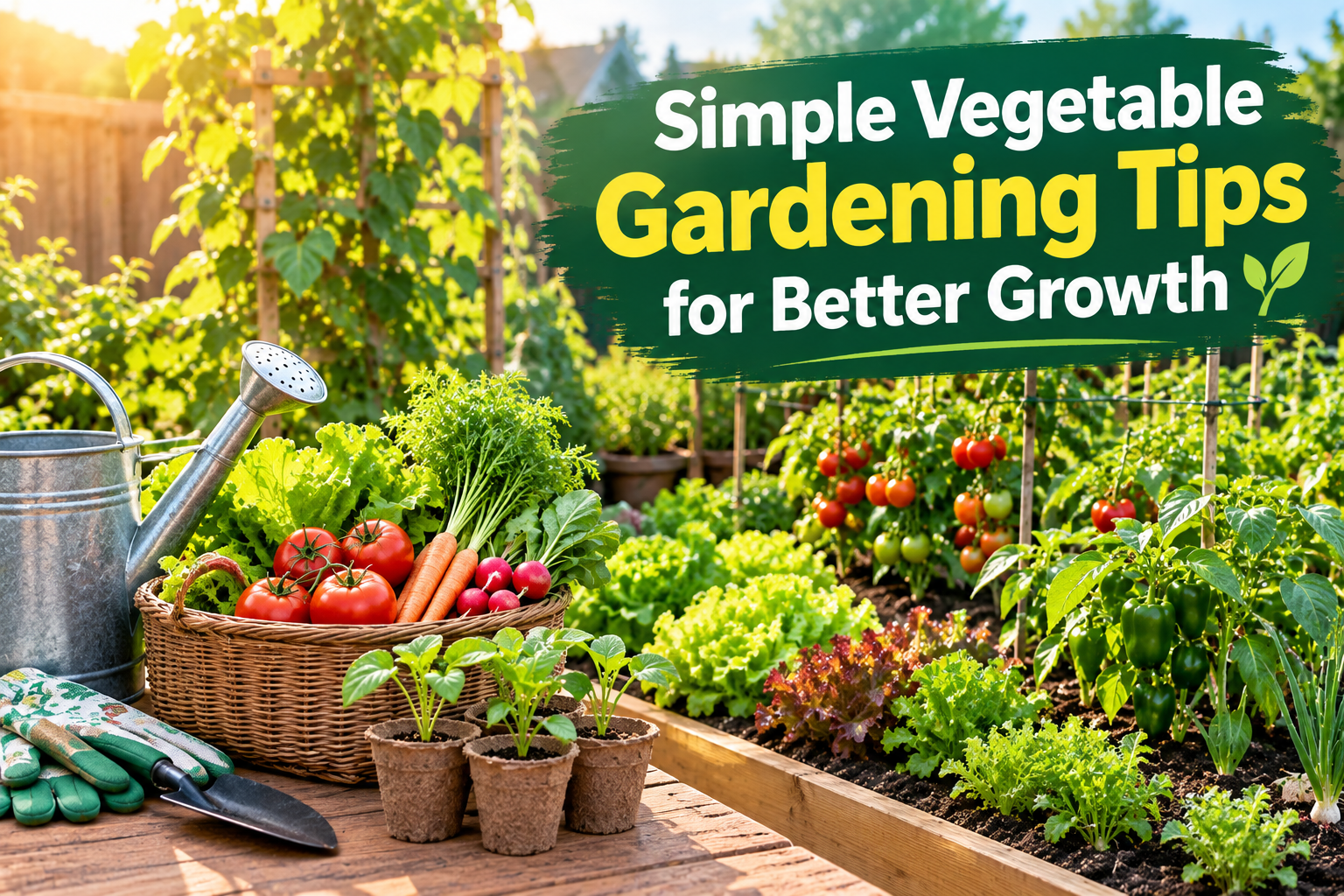
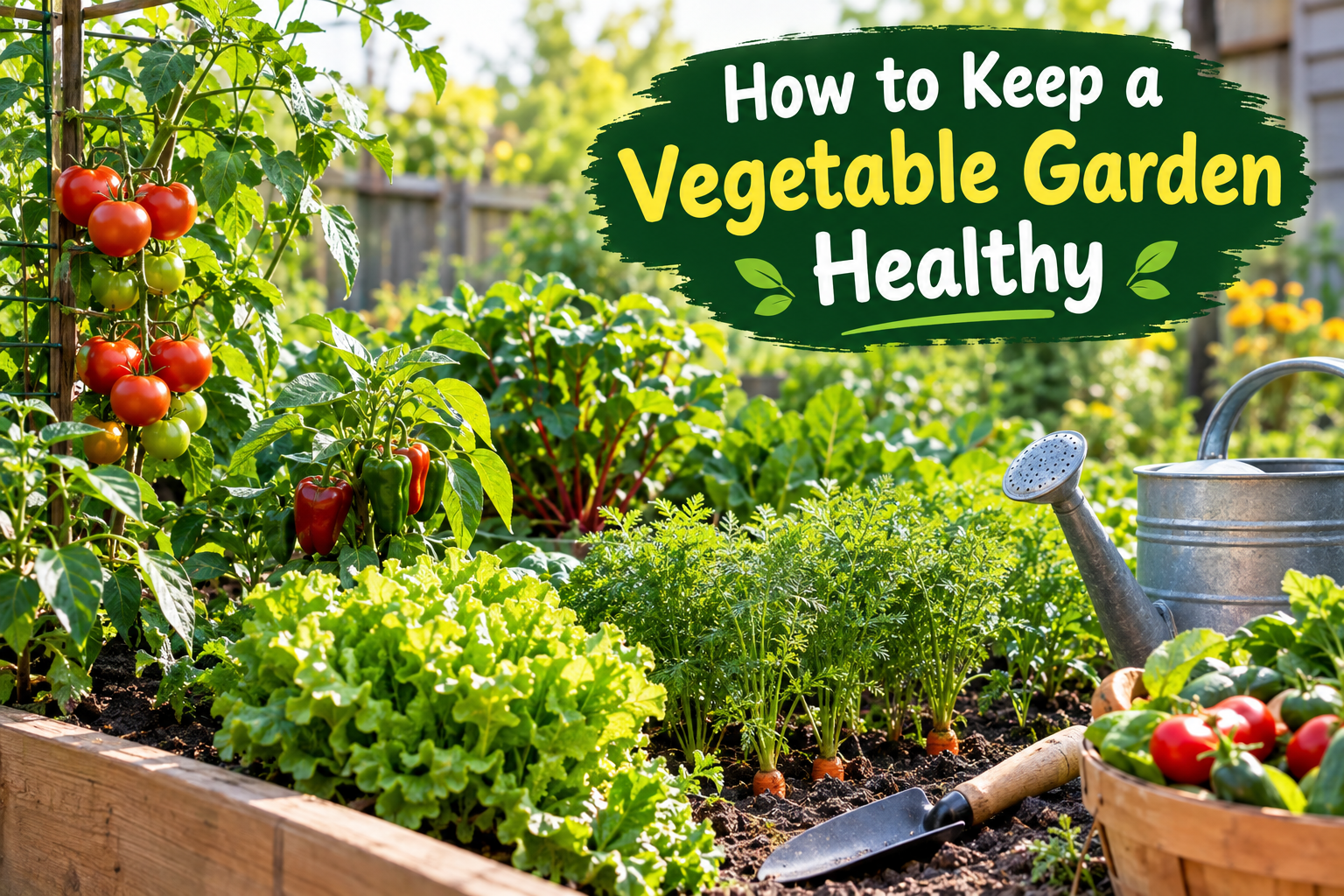
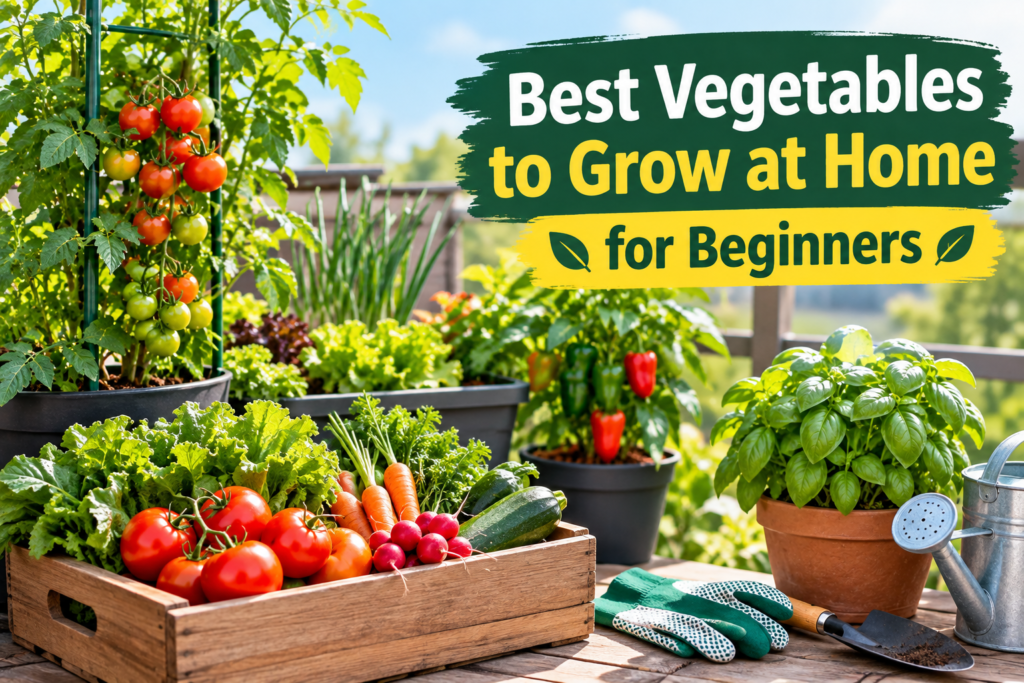
Growing vegetables at home is one of the easiest ways to enjoy fresh food while spending more time outdoors. You do not need a large garden or years of gardening experience to get started. With a few containers, good soil, sunlight, water, and the right vegetables, beginners can create a productive home garden even in a small space.
In my experience, the best vegetables to grow at home are the ones that are easy to care for, grow reasonably quickly, and do not require complicated gardening techniques. Starting with simple vegetables also gives beginners confidence before they move on to plants that need more attention.
If you are planning your first vegetable garden, choosing the right crops is an important first step. Here are some of the best vegetables to grow at home for beginners.
1. Tomatoes
Tomatoes are one of the most popular vegetables for home gardeners. Although botanically they are a fruit, they are commonly grown and used as vegetables in the kitchen.
Tomatoes can grow well in garden beds, large containers, and pots. They need plenty of sunlight and regular watering. Cherry tomatoes are especially useful for beginners because they can produce a good amount of fruit from relatively small plants.
I recommend starting with one or two tomato plants instead of planting too many at once. Give each plant enough room and provide a simple support such as a stake or cage as it grows.
Fresh tomatoes picked directly from your garden can taste much better than many store bought varieties, which makes them a rewarding choice for a first garden.
2. Lettuce
Lettuce is another excellent vegetable for beginners because it can grow quickly and does not require a lot of space. It can be grown in containers, raised beds, or directly in the ground.
One advantage of lettuce is that you can harvest individual leaves instead of removing the entire plant. This allows the plant to continue producing leaves for a longer period.
Lettuce generally prefers cooler conditions, so choosing the right growing season is important. Keep the soil consistently moist but avoid keeping it waterlogged.
For a small balcony or patio garden, lettuce can be one of the easiest vegetables to try.
3. Radishes
If you want a vegetable that grows quickly, radishes are worth considering. They are usually grown directly from seeds and can produce harvestable roots in a relatively short time.
Radishes do not need deep containers, making them suitable for small gardens. They prefer loose soil because compacted soil can prevent the roots from developing properly.
Another benefit is that radishes allow beginners to see results fairly quickly. This can be encouraging when you are learning how gardening works.
Sow a small number of seeds every few weeks during a suitable growing season rather than planting everything at once. This can give you a more continuous harvest.
4. Green Beans
Green beans are productive plants that can be a good choice for a beginner vegetable garden. Depending on the variety, they can grow as compact bush plants or climbing plants.
Bush beans are particularly convenient if you want a simple garden without building a tall support structure. Pole beans need something to climb, but they can make excellent use of vertical space.
Beans generally need sunlight, regular watering, and reasonably fertile soil. Once the plants begin producing pods, regular harvesting can encourage continued production.
For beginners with limited garden space, growing vegetables vertically can be a smart way to use the available area.
5. Cucumbers
Cucumbers can be very rewarding because a few healthy plants may provide plenty of cucumbers during the growing season.
They need warm conditions, sunlight, consistent moisture, and enough space for their vines. If you have limited ground space, you can use a trellis to encourage the plant to grow upward.
Container growing is also possible when you choose a suitable variety and use a sufficiently large container.
One thing I have learned about growing cucumbers is that regular watering is important. Irregular watering can affect plant growth and fruit quality, especially during hot weather.
6. Carrots
Carrots are a great option for beginners who want to grow a root vegetable. They do not require a huge garden, but the soil needs to be loose and free from large stones.
A deep container can work well for carrots as long as it provides enough room for the roots to develop. Seeds should be planted fairly shallowly and kept moist while they are germinating.
Carrots may take longer than radishes, so patience is important. The exciting part is pulling a mature carrot from the soil and seeing the result for yourself.
There are also different carrot varieties with different sizes and colors, giving home gardeners plenty of options.
7. Green Onions
Green onions are among the easiest vegetables to grow at home. They require relatively little space and can be grown in containers or garden beds.
They are useful in many everyday meals, including salads, soups, rice dishes, and stir fries. Because they are used frequently in cooking, having a small supply growing at home can be convenient.
Plant them in a sunny location and keep the soil reasonably moist. Depending on the variety and how you harvest them, you may be able to enjoy fresh green growth more than once.
8. Peppers
Peppers can be a good choice for beginners who have a warm, sunny growing location. They can be grown in garden beds or suitable containers.
Pepper plants generally need warmth, sunlight, regular watering, and fertile soil. They can take some time to produce fruit, but once they begin producing, they can provide a useful harvest.
You can choose from sweet peppers or hot pepper varieties depending on what you normally use in your kitchen.
If you are growing peppers in containers, choose a container large enough to support the plant’s root system and provide good drainage.
9. Spinach
Spinach is another useful vegetable for a home garden, particularly when temperatures are suitable. It can be grown in containers and does not require a large amount of space.
The leaves can be harvested when they are young for salads or allowed to grow larger for cooking. Regular harvesting can help you enjoy fresh leaves while encouraging continued growth.
Spinach generally prefers cooler growing conditions, so beginners should pay attention to local weather when deciding when to plant it.
10. Zucchini
Zucchini can be surprisingly productive, which makes it an interesting option for home gardeners. A healthy plant can produce several fruits during its growing period.
The main consideration is space. Zucchini plants can become large, so they are more suitable for a garden bed or a large container than a very small pot.
Give the plant plenty of sunlight and water consistently. Check the plant regularly because zucchini can grow quickly once production begins.
How to Choose Vegetables for Your Home Garden
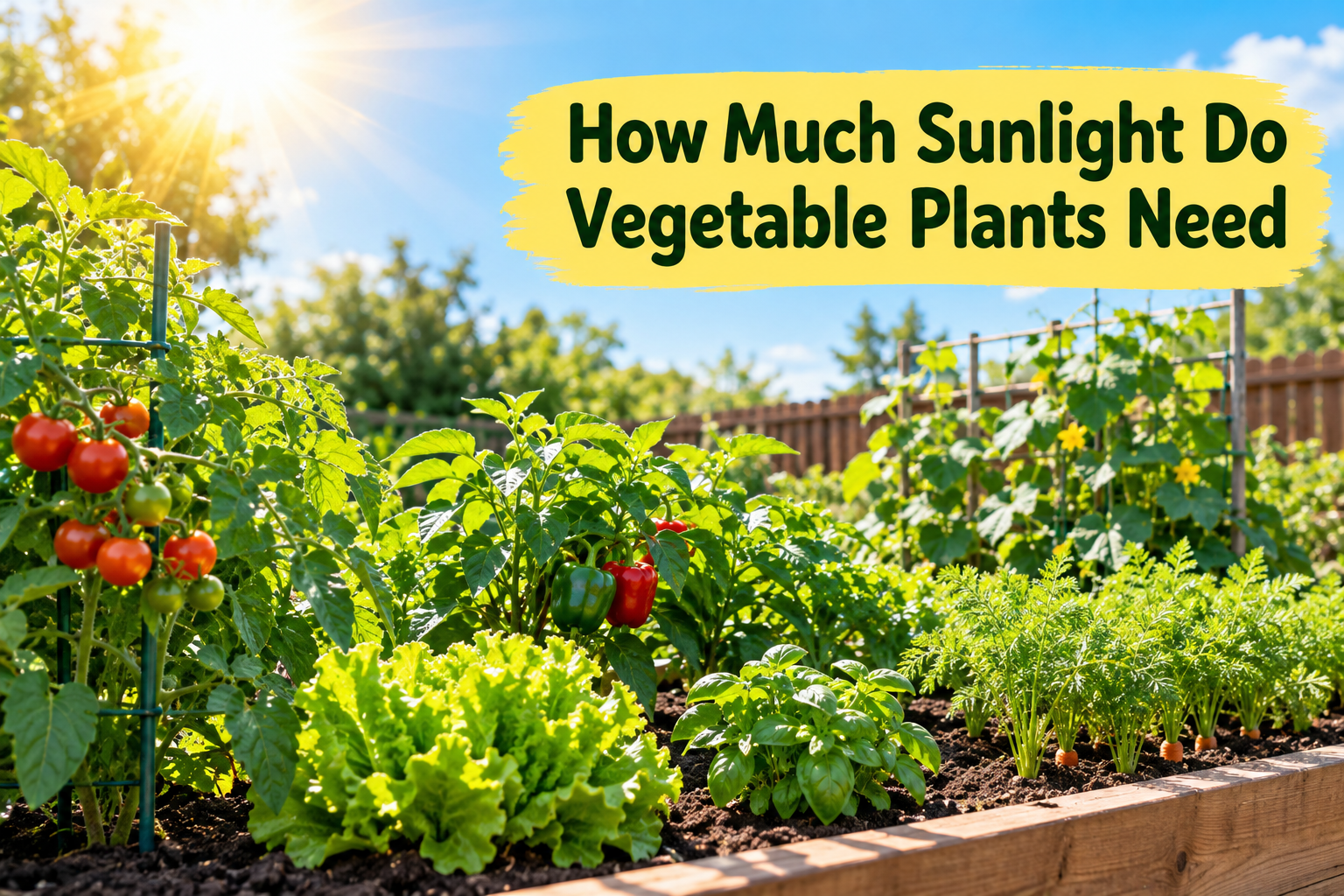
The best vegetables for your garden depend on more than personal taste. Before buying seeds or plants, look at the amount of sunlight your garden receives.
Most common vegetable plants need several hours of direct sunlight each day. If your garden receives limited sunlight, consider vegetables that can tolerate less intense light rather than choosing crops that require strong sunlight all day.
You should also consider the amount of available space. Tomatoes, cucumbers, and zucchini can take more room than lettuce, radishes, carrots, or green onions.
Your local climate is another important factor. A vegetable that grows easily in one region may struggle during a different season somewhere else. Check the recommended planting season for your area before starting.
Growing Vegetables in Containers
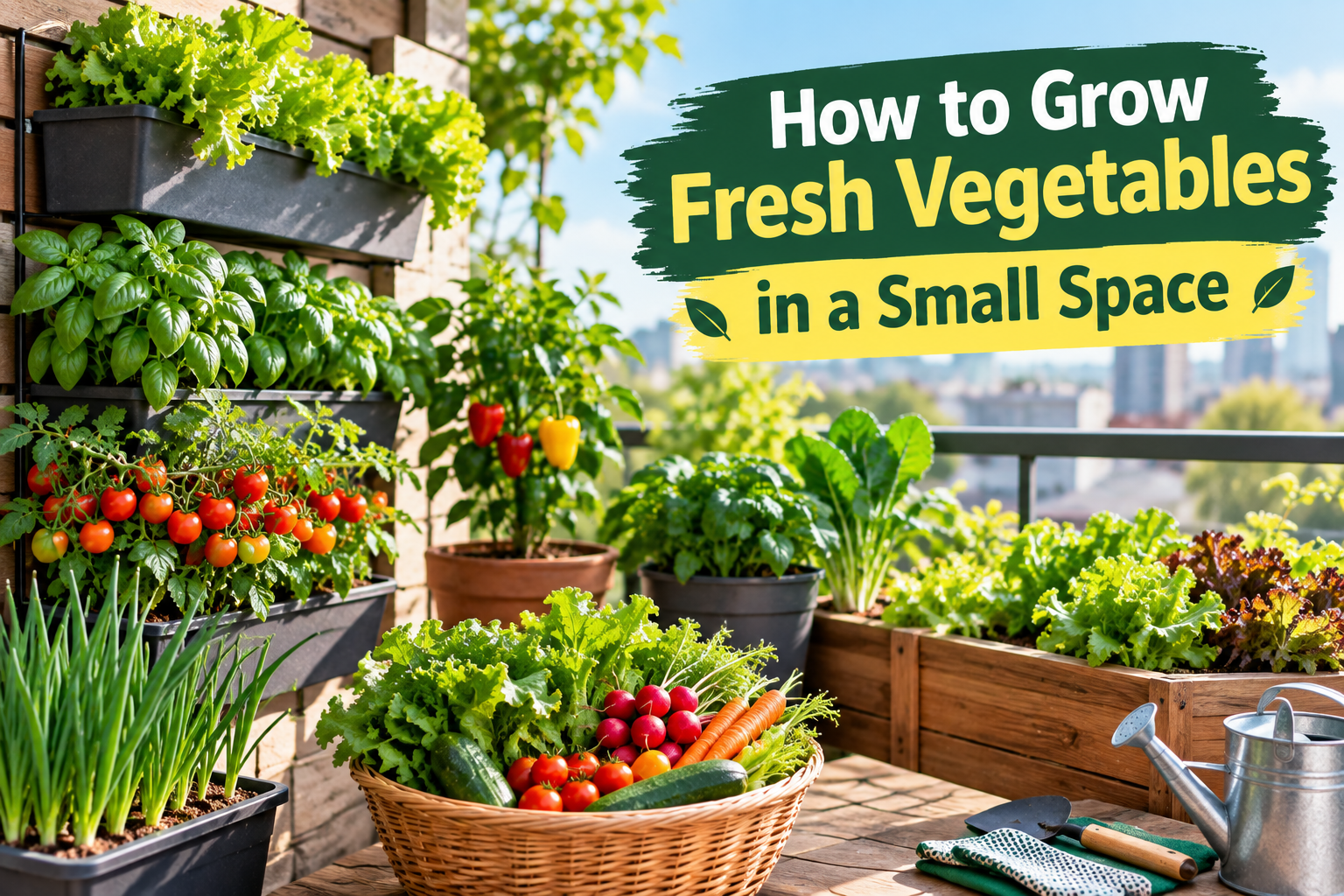
You do not need a traditional backyard garden to grow vegetables. Containers can be an excellent solution for apartments, balconies, patios, and small outdoor areas.
Choose containers with drainage holes so excess water can escape. Use good quality potting soil and select a container size that matches the vegetable you want to grow.
Lettuce, radishes, green onions, carrots, peppers, and some tomato varieties can work particularly well in containers.
Remember that containers can dry out faster than garden soil, especially during hot weather. Check the moisture regularly and water when necessary.
Common Beginner Gardening Mistakes
One of the biggest mistakes beginners make is planting too many vegetables at once. It is better to start with a few easy crops and learn how they respond to your growing conditions.
Overwatering is another common problem. Plants need water, but constantly wet soil can cause root problems. Good drainage is therefore very important.
Planting in poor soil can also limit growth. Vegetables need access to nutrients, so preparing the growing medium before planting can make a noticeable difference.
Finally, do not expect every plant to grow perfectly. Gardening involves learning from experience. Some plants may struggle because of weather, pests, disease, or watering problems. Each season gives you another opportunity to improve.
Tips for a Successful Beginner Vegetable Garden
Start small and choose vegetables that your household actually enjoys eating. There is little benefit in growing a large crop that nobody wants to use.
Keep your plants in a location where you can easily see and care for them. A garden that is close to your home is often easier to maintain because watering and harvesting become part of your normal routine.
Keep an eye on your plants several times a week. Look for yellow leaves, damaged foliage, insects, and changes in soil moisture. Finding problems early can make them much easier to manage.
It is also useful to keep simple notes about what you plant, when you plant it, and how the plants perform. Over time, these notes can help you understand which vegetables work best in your particular garden.
Final Thoughts
Growing vegetables at home does not have to be complicated. The key is to begin with vegetables that are relatively easy to grow and match them with your available space, sunlight, soil, and climate.
Tomatoes, lettuce, radishes, green beans, cucumbers, carrots, green onions, peppers, spinach, and zucchini are all useful choices for beginners when grown under suitable conditions.
My advice is to start with just a few vegetables, learn how they respond to your garden, and gradually expand your collection. Gardening becomes much easier once you understand your plants and develop a simple routine for watering, feeding, checking, and harvesting them.
With a little patience and regular care, even a small home garden can provide fresh vegetables and a satisfying gardening experience.