 dolphinshave2stomachs
Related Articles
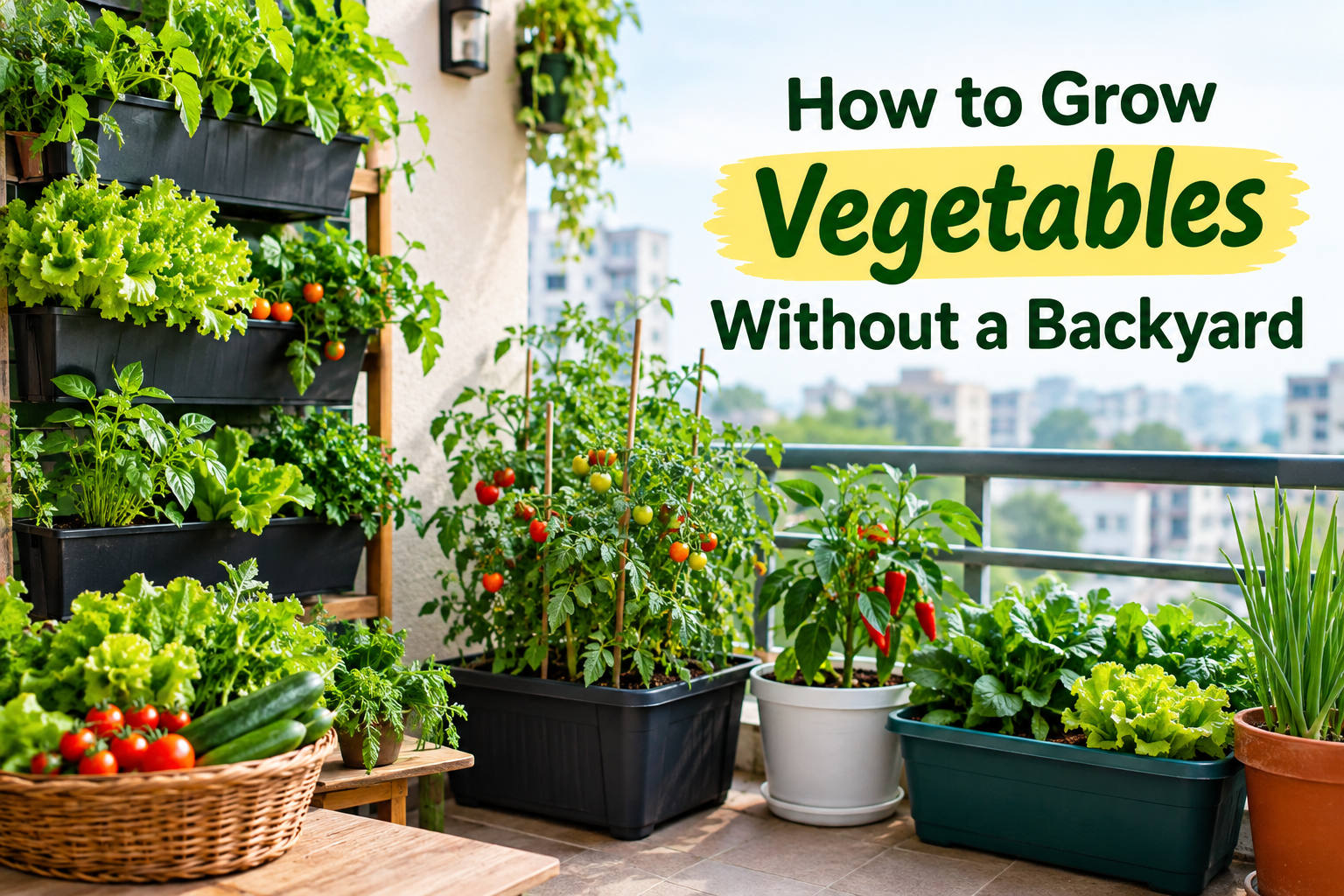
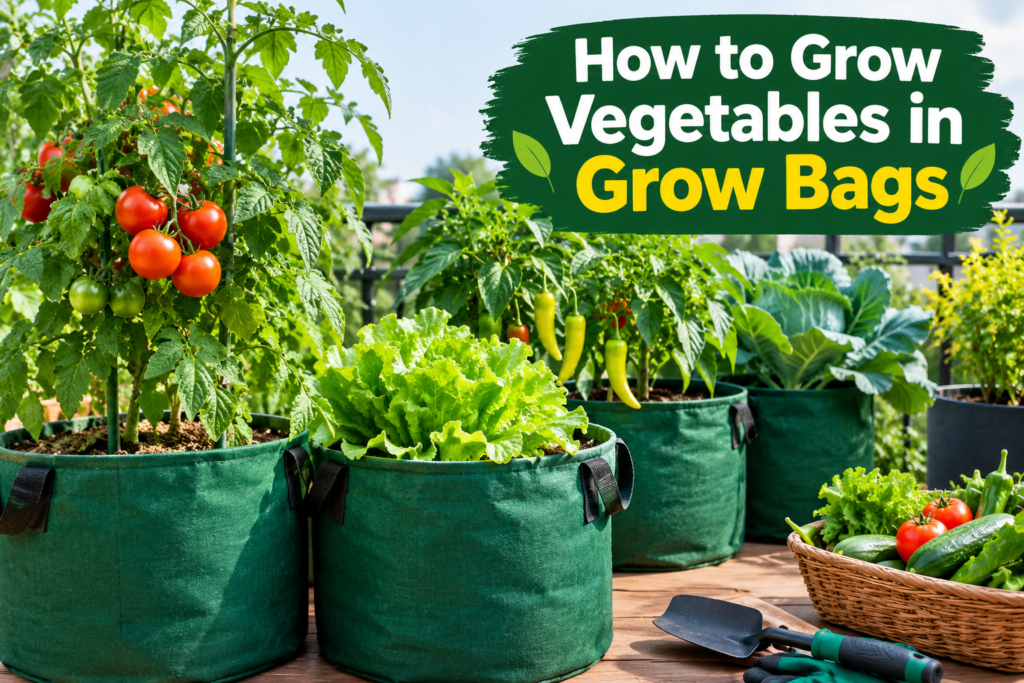
Growing vegetables in grow bags is one of the easiest ways to start a small home garden, especially when you do not have a large backyard. I personally find grow bags very useful because they take up less space, are easy to move, and allow me to control the soil much better than traditional garden beds.
Whether you have a balcony, rooftop, patio, terrace, or a small outdoor area, you can grow a surprising number of vegetables in grow bags. With the right grow bag, good quality soil, proper watering, and enough sunlight, you can enjoy fresh vegetables at home throughout the growing season.
In this guide, I will explain how to grow vegetables in grow bags step by step, including choosing the right bags, preparing the soil, selecting vegetables, watering, feeding, and avoiding common mistakes.
What Are Grow Bags?
Grow bags are flexible containers made from materials such as fabric or other breathable materials. They are designed to hold soil and provide a suitable environment for growing plants.
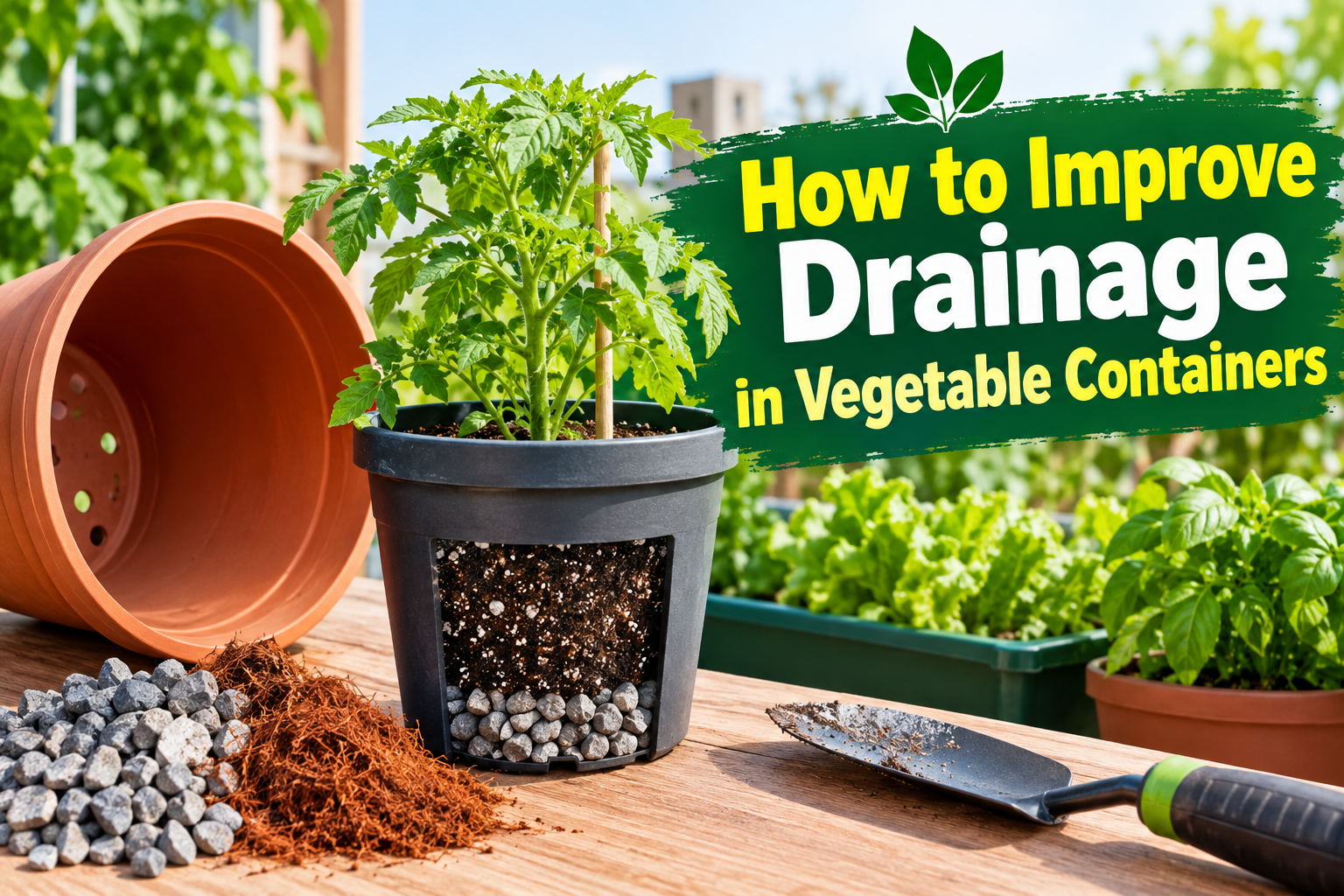
Unlike traditional plastic pots, fabric grow bags allow better airflow around the roots. They also provide good drainage, which is important because excess water can damage vegetable roots.
One of the biggest advantages I have noticed with grow bags is their flexibility. You can place them almost anywhere that receives enough sunlight. When necessary, you can also move them to another location.
Choose the Right Grow Bag Size
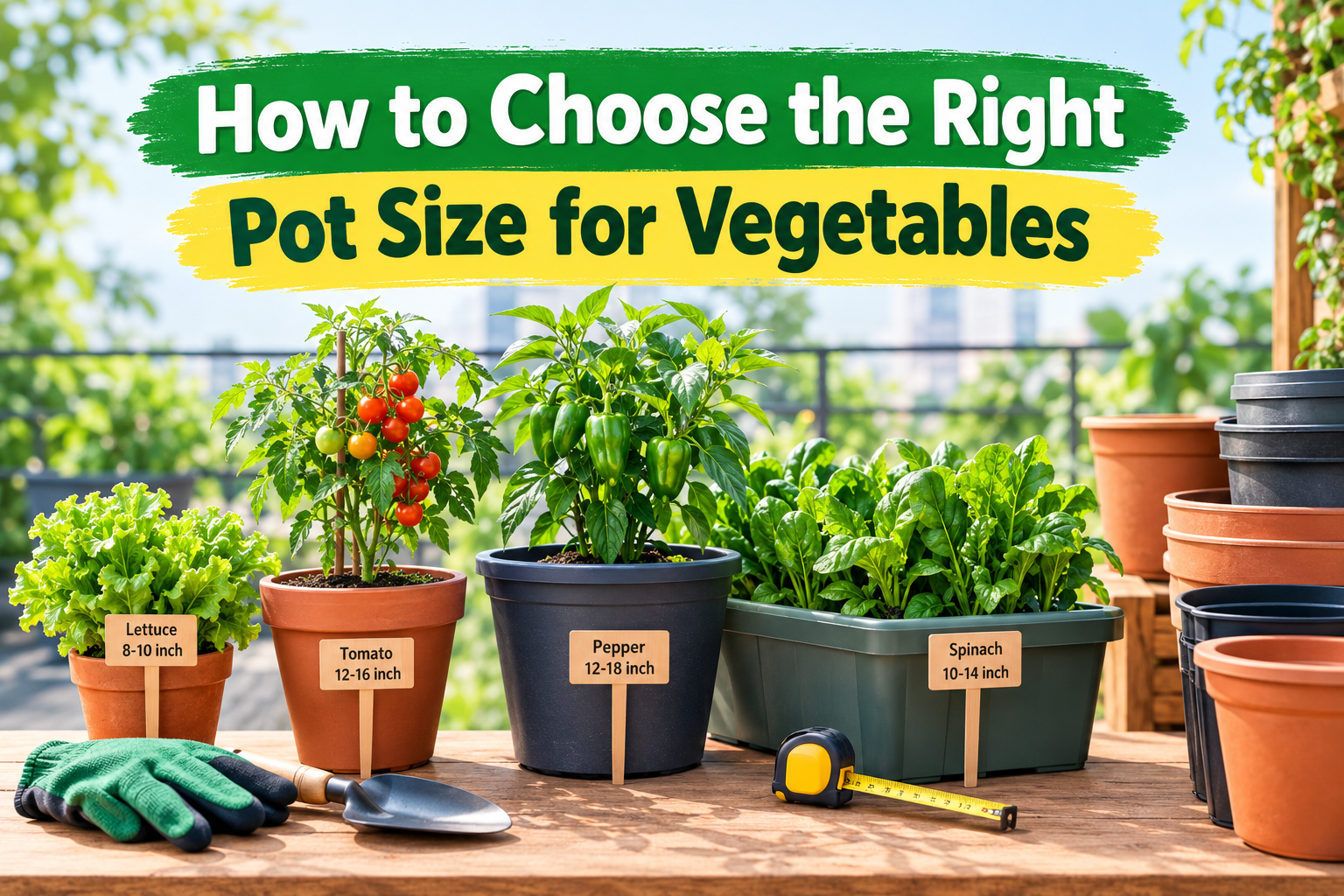
The size of the grow bag is very important. Different vegetables require different amounts of space for their roots.
Small grow bags can work well for herbs, radishes, green onions, and some leafy vegetables. Medium sized bags are suitable for lettuce, spinach, carrots, peppers, and similar crops.
Larger grow bags are better for tomatoes, eggplants, cucumbers, potatoes, and other vegetables that develop larger root systems.
For tomatoes, I recommend using a deep and wide grow bag because tomato plants can become large and heavy. A larger container also holds more moisture and nutrients, which can help support healthy growth.
Select a Good Location
Before planting vegetables in grow bags, choose the right location. Most vegetables need several hours of sunlight every day.
Tomatoes, peppers, cucumbers, and eggplants generally perform well when they receive plenty of direct sunlight. Leafy vegetables such as lettuce and spinach can tolerate slightly less sunlight.
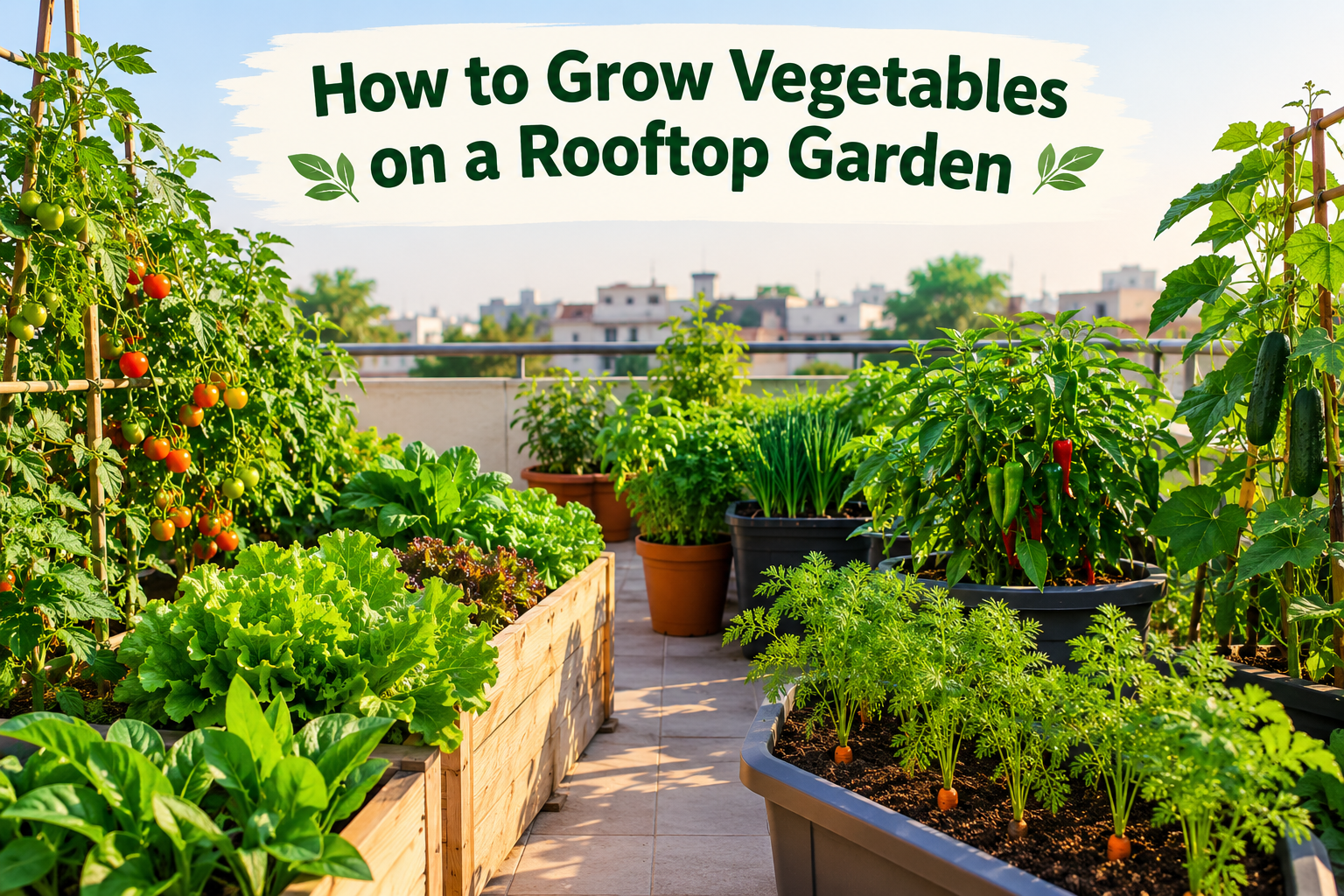
If you are growing vegetables on a rooftop or balcony, pay attention to strong winds. Tall plants can become unstable when growing in lightweight bags. Place the bags somewhere protected or provide support for taller plants.
Prepare the Soil
Good soil is one of the most important parts of successful container gardening.
I avoid using heavy garden soil alone in grow bags because it can become compacted and may not provide enough drainage. Instead, use a good quality potting mix that is loose, well drained, and rich in organic matter.
You can combine quality potting soil with compost and another material that improves drainage and aeration. The exact mixture can depend on the vegetables you want to grow and the materials available in your area.
The goal is to create soil that holds enough moisture for the plant while allowing excess water to drain away.
Fill the Grow Bags Properly
Place your grow bags in their final location before filling them. This makes the process much easier because a filled grow bag can become surprisingly heavy.
Fill the bag with your prepared growing mix, leaving a little space near the top. Avoid packing the soil down too tightly.
Loose soil allows roots to spread more easily and gives them access to air and moisture.
Once the bag is filled, water the soil thoroughly. This helps settle the growing mix and shows you whether the drainage is working properly.
Choose Vegetables That Grow Well in Bags
One of the best things about grow bag gardening is the wide variety of vegetables you can grow.
Tomatoes are among the most popular choices. They grow particularly well in larger grow bags when they receive enough sunlight and support.
Peppers and chilies are also excellent options. They do not require extremely large containers and can produce a good harvest when properly cared for.
Lettuce, spinach, and other leafy greens are suitable for smaller grow bags. They can also be harvested gradually, allowing you to enjoy fresh leaves over a longer period.
Radishes are another good choice because they grow relatively quickly. Carrots can also be grown successfully if the grow bag is deep enough.
Cucumbers can grow in grow bags as well, but they usually need a trellis or another support structure because their vines spread quickly.
Potatoes are another interesting option. A large and deep grow bag can provide enough room for several potato plants, depending on the variety and growing conditions.
Plant Seeds or Seedlings
You can start vegetables from seeds or purchase young seedlings.
Growing from seeds is usually cheaper and gives you more choices. However, seedlings can save time because the plants have already completed their earliest growth stage.
When planting seeds, follow the depth instructions provided on the seed packet. Avoid planting too deeply because small seeds may struggle to reach the surface.
If you are transplanting seedlings, handle their roots carefully. Make a hole in the soil, place the seedling inside, and gently cover the roots with soil.
After planting, water gently so that the seeds or young plants are not disturbed.
Watering Vegetables in Grow Bags
Watering is one of the most important parts of grow bag gardening.
Grow bags can dry out faster than plants growing directly in the ground, particularly during hot weather. This means you need to check the soil regularly.
I usually check the top layer of soil with my finger. If it feels dry, the plant may need water. However, avoid watering automatically without checking the soil because overwatering can also create problems.
Water slowly until you see some water draining from the bottom of the bag. This helps moisten the growing medium throughout the container.
During very hot weather, plants may need more frequent watering. During cooler or rainy periods, they may need less.
Feed Your Plants Regularly
Vegetables grown in containers depend on the nutrients available inside the grow bag. Unlike plants growing in a large garden bed, they have access to a limited amount of soil.
Adding compost or using a suitable vegetable fertilizer can help maintain plant growth.
Always follow the instructions for the fertilizer you choose. Applying too much fertilizer does not necessarily produce better plants. Excess fertilizer can damage roots and cause other problems.
I prefer to focus on healthy soil first and then provide additional nutrients when the plants need them.
Provide Support for Tall Plants
Some vegetables need support as they grow.
Tomatoes can become tall and heavy, particularly when they start producing fruit. A sturdy stake or cage can help keep the plant upright.
Cucumbers can benefit from a trellis that allows their vines to climb upward. This saves space and can also improve airflow around the foliage.
Supporting plants early is easier than trying to add support after the plant has become large.
Protect Plants From Pests
Growing vegetables at home does not mean your plants will never experience pests.
Check your plants regularly. Look underneath leaves and around new growth because some pests can remain hidden.
If you notice damaged leaves, small insects, or unusual marks, identify the problem before taking action. Remove badly damaged leaves when appropriate and keep the growing area clean.
Good airflow, proper watering, healthy soil, and regular observation can help reduce many common gardening problems.
Common Grow Bag Gardening Mistakes
One common mistake is choosing a grow bag that is too small. When roots do not have enough space, plant growth can become limited.
Another mistake is poor drainage. Make sure your grow bags allow excess water to escape.
Overwatering is also common among beginners. More water does not always mean healthier plants.
Using poor quality soil can create another problem. Vegetables need a growing medium that provides moisture, nutrients, drainage, and enough space for roots.
Finally, do not overcrowd your grow bags. Every plant needs sufficient space for its roots and leaves. Giving plants enough room can improve airflow and reduce competition for nutrients.
How Often Should You Replace the Soil?
You do not necessarily need to throw away your growing medium after every season. Much of it can often be reused if the plants were healthy and the soil remains in good condition.
Before starting another crop, remove old roots and plant debris. Add fresh compost and other suitable materials to improve the growing medium.
If a previous crop had a serious disease problem, it is better to be more cautious about reusing the same soil for susceptible plants.
Final Thoughts
Growing vegetables in grow bags is a simple and practical way to create a productive home garden without needing a large piece of land. In my experience, the most important things are choosing the correct grow bag size, using good quality soil, providing enough sunlight, watering carefully, and checking the plants regularly.
You do not need to start with a huge garden. Begin with a few vegetables that you enjoy eating. Tomatoes, peppers, lettuce, spinach, radishes, cucumbers, and carrots can all be good choices depending on your available space and growing conditions.
The best part of grow bag gardening is watching the plants develop from small seedlings into productive vegetable plants. Once you understand the basic requirements, you can gradually add more grow bags and experiment with different crops.
With a little patience and regular care, even a small balcony, patio, or rooftop can become a useful vegetable garden. Grow bags make gardening more accessible, flexible, and manageable, which is why I think they are an excellent choice for beginners and experienced home gardeners alike.