 dolphinshave2stomachs
Related Articles
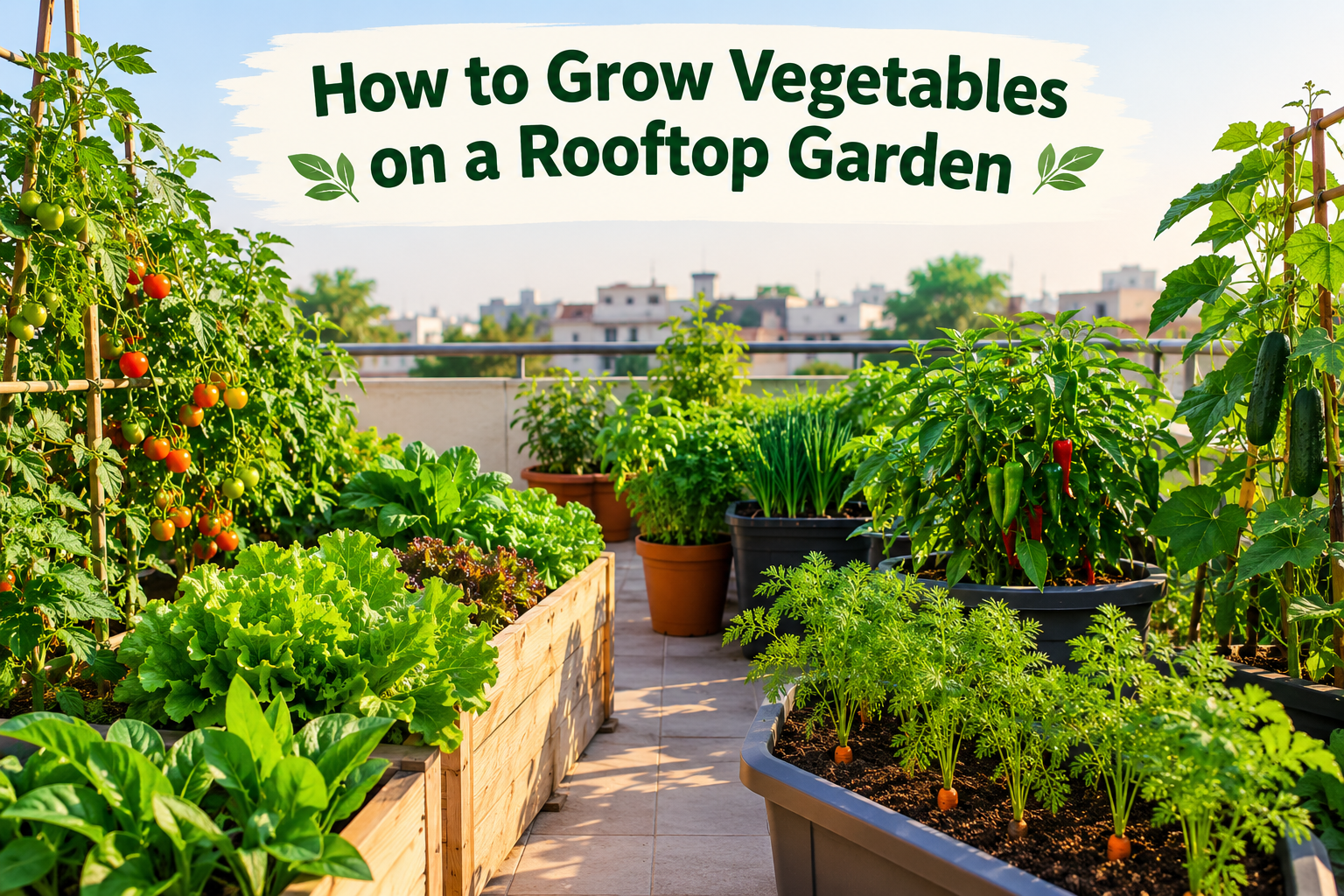
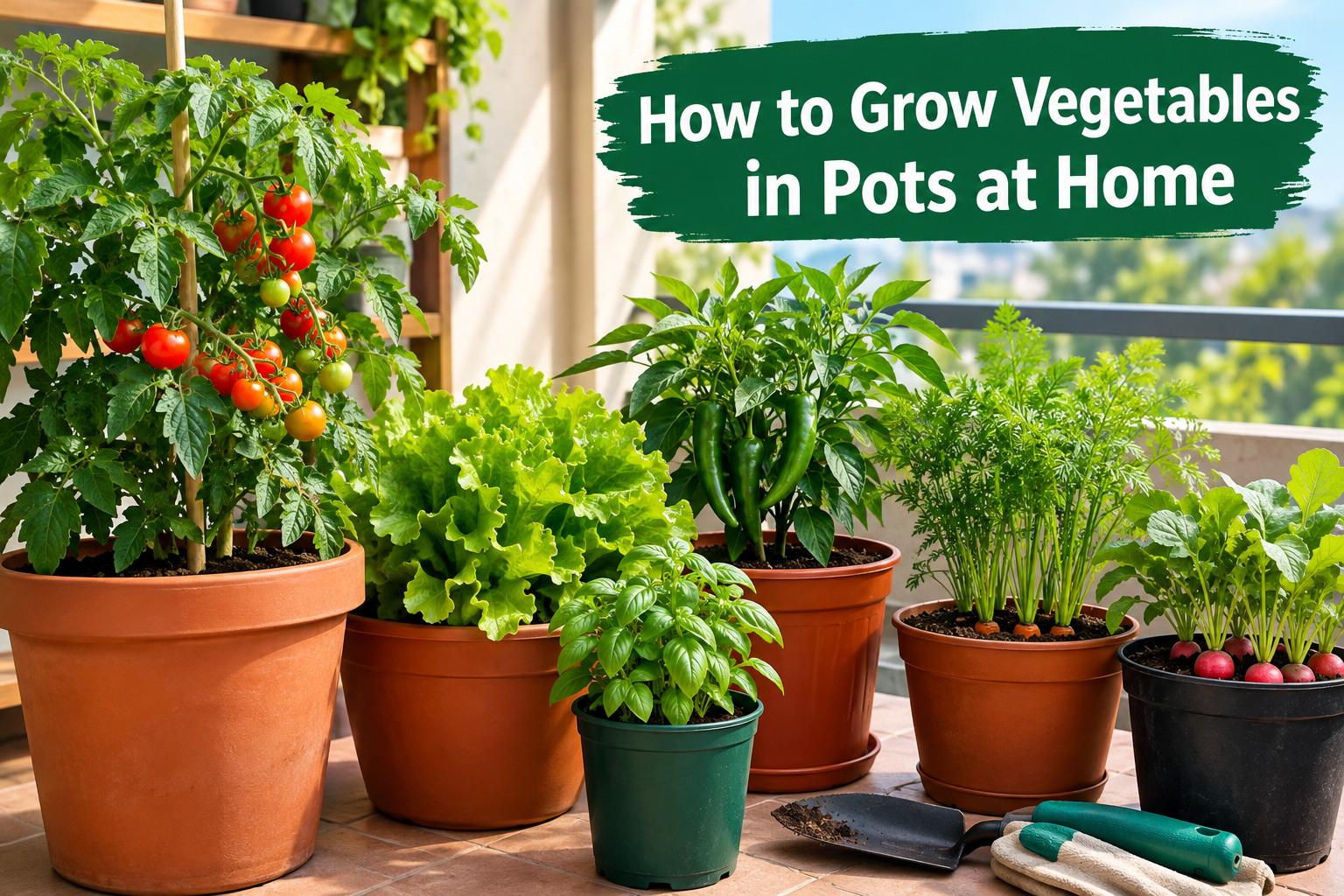
Many people think growing vegetables requires a large backyard, but I have found that this is not true at all. You can grow fresh vegetables in a balcony, terrace, patio, rooftop, windowsill, or even a small corner near a sunny window. With the right containers, soil, sunlight, and regular care, a small space can become a productive vegetable garden.
Learning how to grow vegetables without a backyard is especially useful for people who live in apartments or houses with limited outdoor space. You do not need a large garden to enjoy homegrown tomatoes, peppers, lettuce, spinach, herbs, and other vegetables. The key is to use the space you already have wisely.
In this guide, I will explain the methods I use and recommend for growing vegetables in small spaces. These ideas are simple, affordable, and suitable for beginners.
Choose the Right Growing Space
The first step is to look around your home and identify the places that receive enough sunlight. Most vegetables need several hours of direct sunlight every day. A balcony, rooftop, patio, or sunny windowsill can work well.
Before choosing plants, observe the area for a few days. Notice how much sunlight it receives in the morning and afternoon. If the space receives strong sunlight, you can grow vegetables such as tomatoes, peppers, cucumbers, and beans.
If the area receives less sunlight, choose vegetables that can tolerate partial shade. Lettuce, spinach, some herbs, and certain leafy greens can perform reasonably well with less direct sunlight.
I also recommend choosing a location that is easy to access. If your plants are difficult to reach, watering and harvesting can quickly become a chore.
Start With Containers
Containers are one of the easiest solutions when you do not have a backyard. You can use traditional plant pots, grow bags, wooden boxes, or other suitable containers with drainage holes.
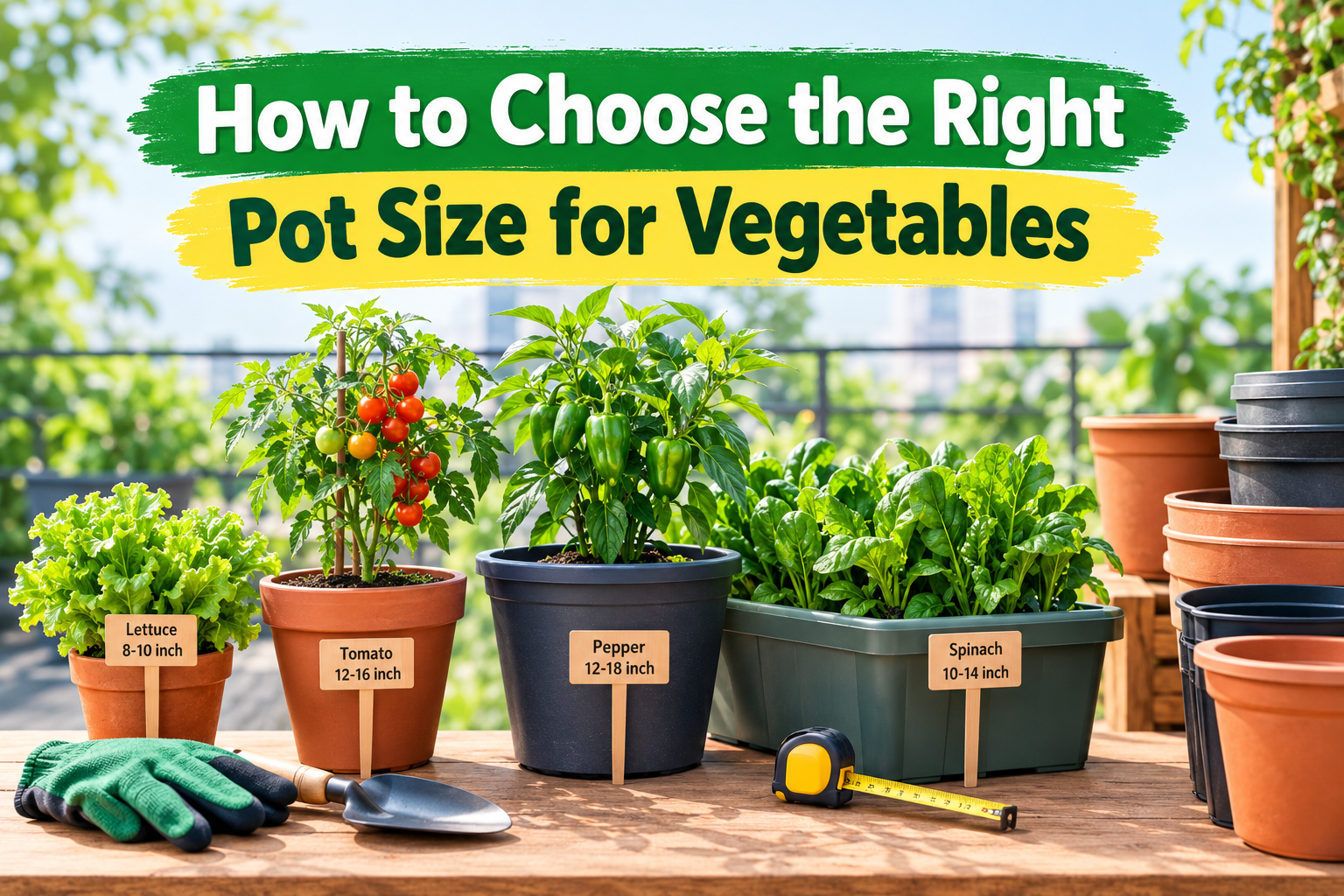
The size of the container should match the plant. Small leafy greens can grow in relatively shallow containers, while tomatoes and peppers need deeper containers for their roots.
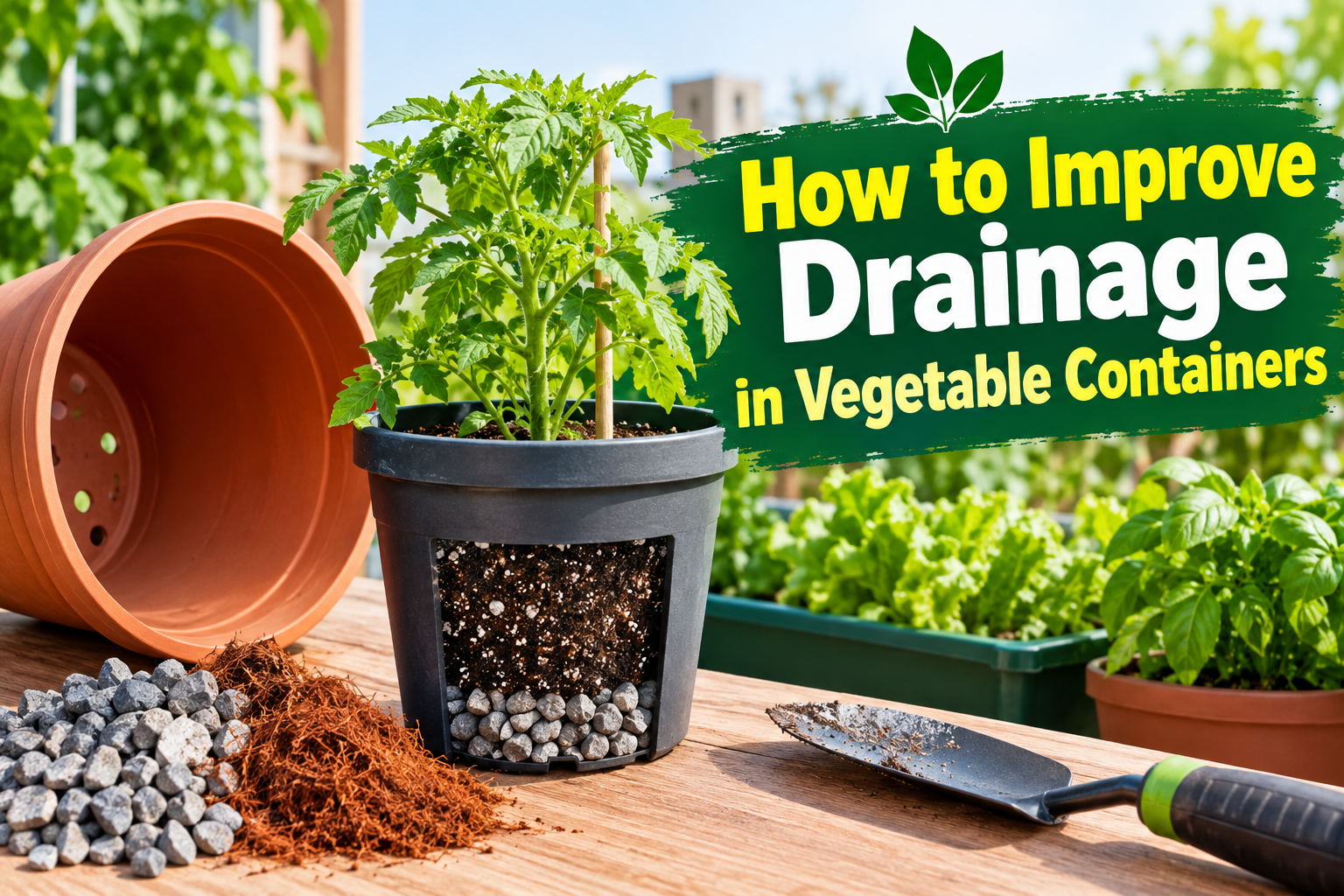
Always make sure excess water can escape from the bottom. Poor drainage can cause root problems and may eventually damage the plant.
I prefer using containers that are easy to move because sunlight conditions can change throughout the year. Lightweight grow bags are also useful when you want to rearrange your small vegetable garden.
Use Good Quality Soil
Good soil makes a major difference when growing vegetables in containers. Garden soil can become heavy and compact inside pots, which can make it difficult for roots to receive enough air and water.
A quality potting mix is generally a better choice for container gardening. Look for a growing medium that drains well while still holding enough moisture for the plants.
Adding organic matter such as compost can also improve the growing environment. Compost provides nutrients and helps maintain healthy soil structure.
One mistake I often see beginners make is filling a container with poor quality soil and then expecting excellent growth. Plants depend on their growing medium, so it is worth giving them a good foundation from the beginning.
Pick Vegetables That Grow Well in Small Spaces
When learning how to grow vegetables without a backyard, choosing suitable plants is extremely important. Some vegetables need a lot of room, while others are naturally better suited to containers.
Tomatoes are a popular choice, especially compact varieties. Peppers can also grow very well in pots. Lettuce, spinach, radishes, green onions, carrots, and herbs are other practical choices.
You can also grow beans and cucumbers if you provide vertical support. Instead of allowing the plants to spread across the floor, train them upward using a trellis or another safe support.
I recommend starting with two or three vegetables rather than filling every available space immediately. Once you understand how your plants respond to sunlight, watering, and feeding, you can expand your garden.
Grow Vegetables Vertically
Vertical gardening is one of my favorite techniques for small spaces. When floor space is limited, the easiest solution is often to grow upward.
You can use shelves, trellises, hanging containers, or vertical planters to make better use of available space. Climbing vegetables such as beans and cucumbers can be trained upward instead of taking up valuable floor area.
Vertical gardening can also make your space look more organized. Instead of having pots scattered everywhere, you can arrange plants at different heights.
However, make sure shelves and supports are stable. Containers filled with wet soil can become surprisingly heavy, so safety should always come first.
Water Your Plants Correctly
Container vegetables usually need more attention to watering than vegetables growing directly in the ground. Pots can dry out quickly, particularly during hot weather.
I recommend checking the soil with your finger before watering. If the upper layer feels dry, the plant may need water. If the soil is still damp, there may be no need to water immediately.
Avoid following a fixed watering schedule without checking the plants. Weather, container size, plant type, and sunlight can all affect how quickly soil dries.
When watering, apply enough water to moisten the root area and allow excess water to drain through the bottom. At the same time, avoid leaving containers sitting in stagnant water.
Feed Your Vegetables Regularly
Vegetables growing in containers have limited access to nutrients because their roots are restricted to a small amount of soil. Over time, the available nutrients can decrease.
A suitable vegetable fertilizer or compost can help support healthy growth. Always follow the instructions on the fertilizer package instead of assuming that more fertilizer will produce faster results.
Too much fertilizer can harm plants and may cause excessive leafy growth without good vegetable production.
I prefer a simple feeding routine and watching the plants for signs of nutrient problems. Yellowing leaves, slow growth, or poor production can sometimes indicate that the plant needs better nutrition, although these symptoms can have other causes as well.
Make the Most of Small Spaces
One of the biggest advantages of growing vegetables without a backyard is that you can become creative with space.
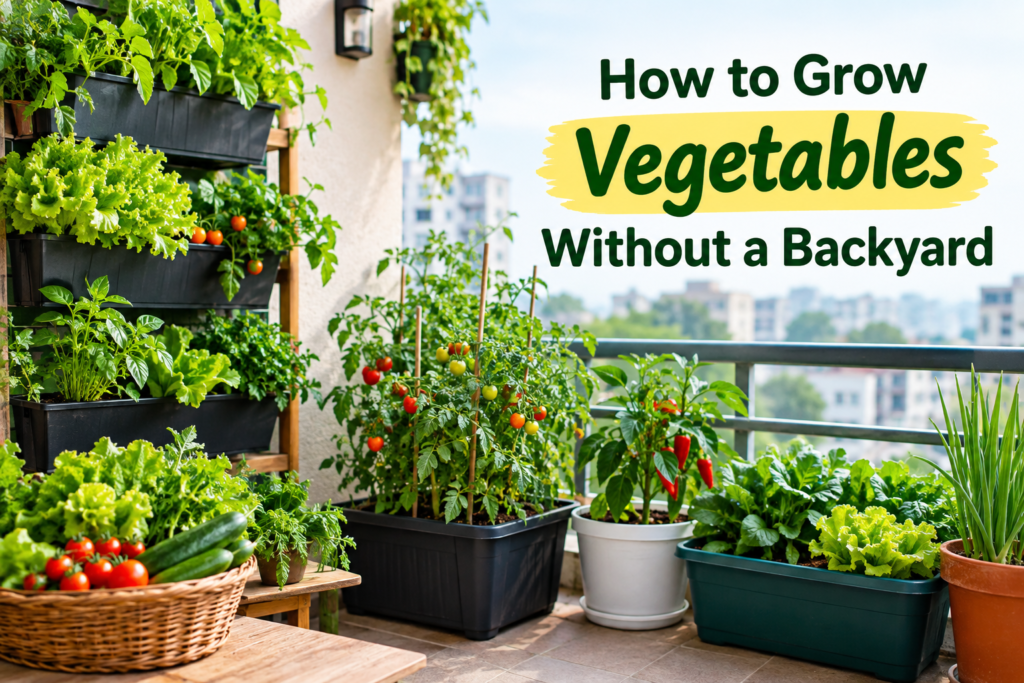
For example, a balcony railing may provide room for suitable containers, while a sunny wall can be used for vertical gardening. A small table can hold several herb pots. Hanging planters can provide additional growing space when safely installed.
You can also practice succession planting. Instead of planting everything at the same time, sow small amounts of fast growing vegetables at different times. This can provide a more continuous harvest.
Do not overcrowd your plants just because you have limited space. Each vegetable needs enough room for healthy roots, leaves, and airflow.
Protect Plants From Weather
Small container gardens can be more exposed to extreme weather than plants growing in the ground. Strong wind can knock over pots, while intense heat can dry the soil quickly.
During very hot weather, you may need to provide temporary shade during the strongest afternoon sunlight, depending on the vegetable and local conditions.
If heavy rain is expected, make sure containers have good drainage. You may also need to move smaller pots to a protected location.
Wind protection is particularly important for taller plants such as tomatoes. A sturdy support can prevent stems from bending or breaking.
Grow From Seeds or Seedlings
You have two main options when starting a container vegetable garden. You can grow vegetables from seeds or purchase young seedlings.
Seeds are usually affordable and give you access to many varieties. However, seedlings can be easier for beginners because the early stage of plant growth has already been completed.
For my first small garden, I would recommend starting with a mixture of both. Grow easy vegetables from seed while using a few healthy seedlings for vegetables that take longer to establish.
When buying seedlings, choose plants that look healthy and strong. Avoid plants with obvious damage, severe yellowing, or signs of pests.
Harvest Vegetables at the Right Time
Harvesting is one of the most enjoyable parts of growing vegetables at home. Regular harvesting can also encourage some plants to continue producing.
Leafy greens can often be harvested gradually rather than removing the entire plant. Herbs can be trimmed regularly to encourage new growth.
Tomatoes and peppers should generally be harvested according to the variety and the stage of ripeness you prefer. Radishes and other root vegetables should be harvested when they reach a suitable size.
I recommend harvesting in the morning when possible. Freshly picked vegetables can taste noticeably better than vegetables that have been stored for a long time.
Common Mistakes to Avoid
Growing vegetables without a backyard is simple, but beginners can still make a few common mistakes.
The first is choosing plants that are too large for the available space. Always consider the mature size of the vegetable before planting.
Another mistake is using containers without drainage holes. This can lead to waterlogged soil and unhealthy roots.
Overwatering is also common. More water does not automatically mean healthier plants. Check the soil before watering.
Finally, do not expect every plant to grow perfectly. Gardening involves experimentation. Some plants may struggle because of temperature, sunlight, pests, or other conditions. I consider each unsuccessful plant a learning opportunity for the next growing season.
Final Thoughts
Learning how to grow vegetables without a backyard is much easier than many people expect. You can start with a few containers, a sunny location, quality soil, and vegetables that match your available space.
You do not need expensive equipment or a huge garden. A small balcony, rooftop, patio, or sunny window can provide enough room to grow useful amounts of fresh produce.
My advice is to start small and learn as you go. Choose easy vegetables, give them enough sunlight, water them carefully, provide good soil, and pay attention to how they respond. As your experience grows, you can add more containers and experiment with different vegetables.
The most important thing is to make gardening enjoyable. Even a small collection of pots can give you fresh vegetables, useful gardening experience, and the satisfaction of growing something yourself. With a little planning and regular care, growing vegetables without a backyard can become a rewarding part of everyday life.