 dolphinshave2stomachs
Related Articles
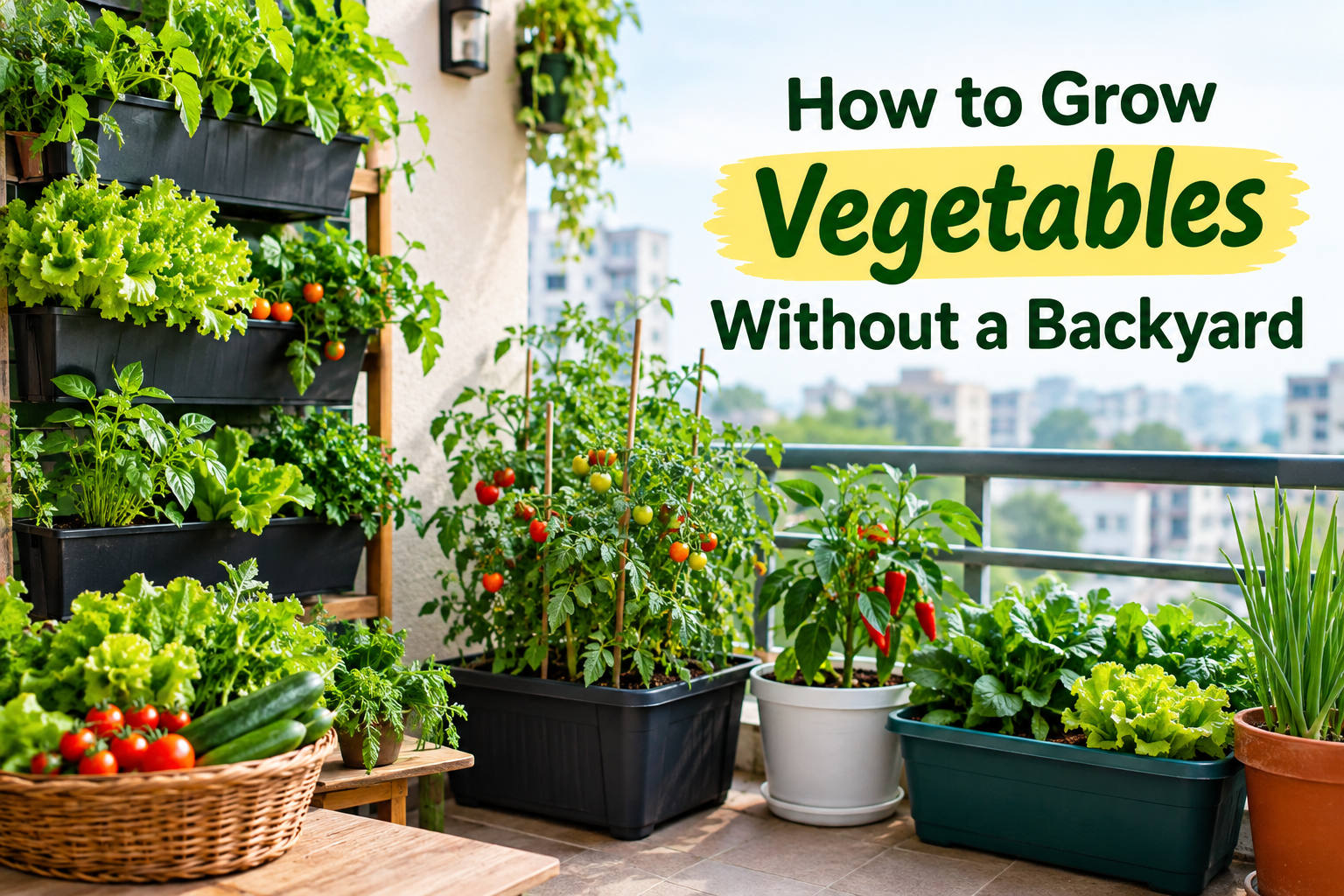
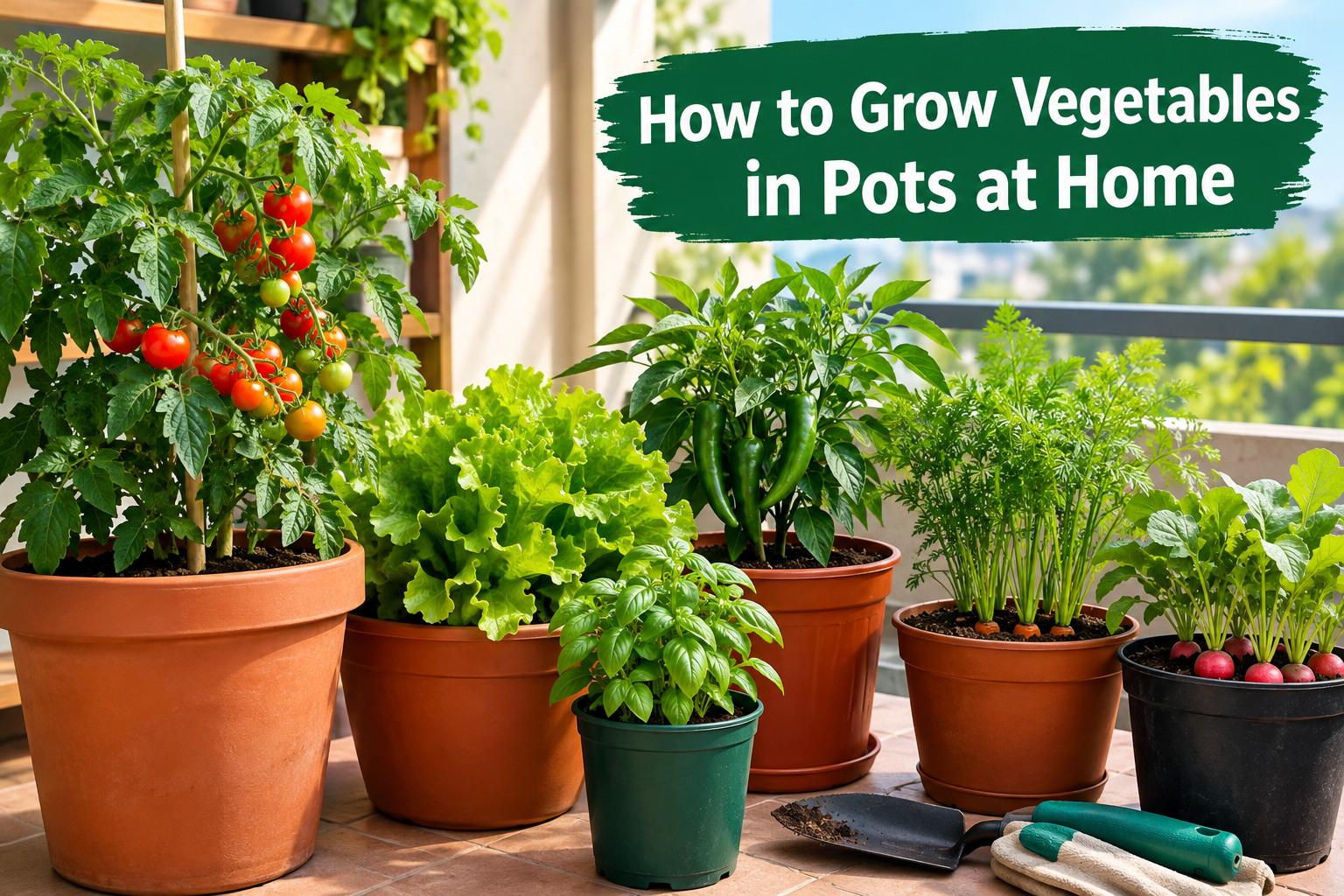
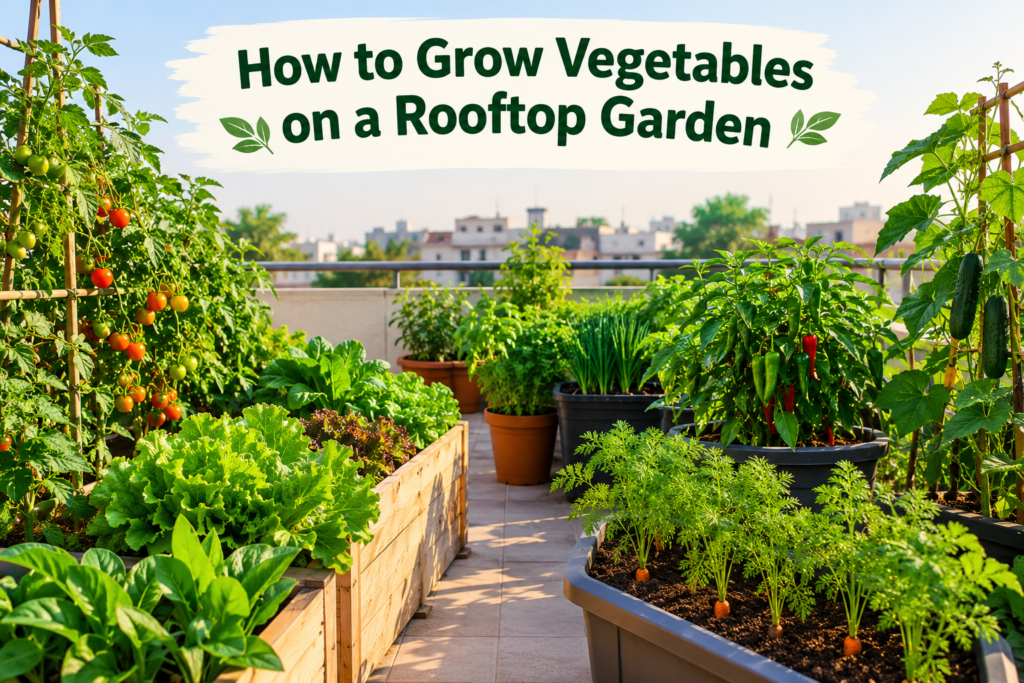
Growing vegetables on a rooftop garden is one of the best ways to make use of unused space at home. I believe you do not need a large backyard or a traditional garden to grow fresh vegetables. With the right containers, good soil, enough sunlight, and regular care, a rooftop can become a productive vegetable garden.
A rooftop vegetable garden can also be a relaxing place where you can spend time with plants while growing food for your family. I have found that starting small is usually better than trying to grow too many vegetables at once. Once you understand how your rooftop space works, you can slowly expand your garden.
In this guide, I will explain how to grow vegetables on a rooftop garden, which vegetables are suitable, how to choose containers, how to prepare soil, and how to take care of plants throughout the growing season.
Check Your Rooftop Before Starting
Before bringing pots and soil to the rooftop, I recommend checking whether the space is suitable for gardening. A rooftop needs enough sunlight and should have proper drainage. Most vegetables need several hours of direct sunlight every day, so observe your rooftop at different times.
You should also think about wind. Rooftops can be much windier than ground level gardens. Strong wind can damage young plants, dry out soil quickly, or knock over lightweight containers.
Another important point is the strength of the rooftop structure. Soil, water, containers, and mature plants can become surprisingly heavy. If you plan to create a large rooftop vegetable garden, it is sensible to confirm that the roof can safely support the additional weight.
Choose the Right Containers
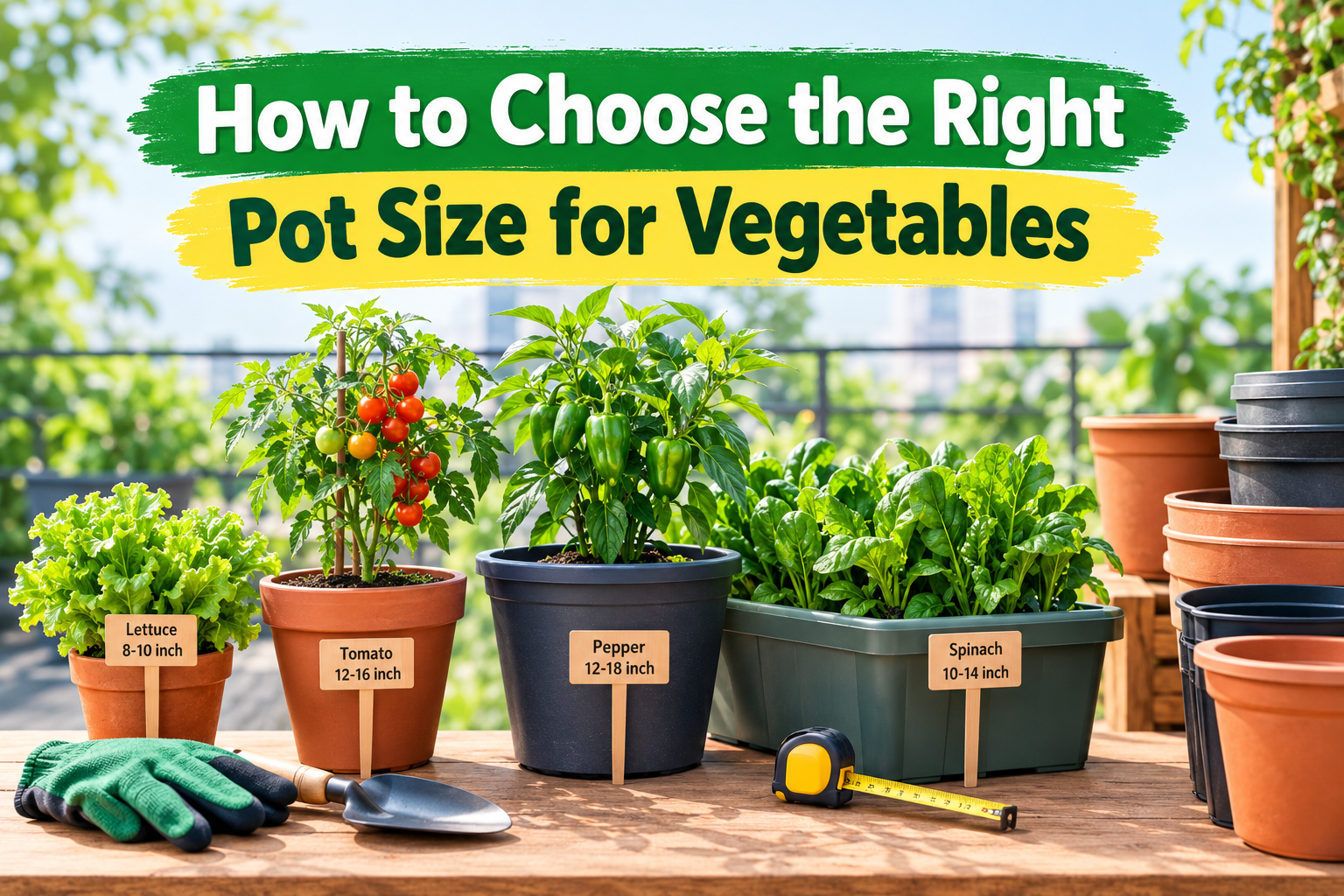
Containers are the foundation of a rooftop garden. I prefer using containers that are strong, lightweight, and have drainage holes at the bottom.
You can use plastic pots, fabric grow bags, wooden planters, recycled food safe containers, or raised beds designed for gardening. The size depends on the vegetable you want to grow.
Leafy vegetables such as lettuce and spinach can grow in relatively shallow containers. Tomatoes, peppers, eggplants, and other larger plants need deeper containers because their roots require more space.
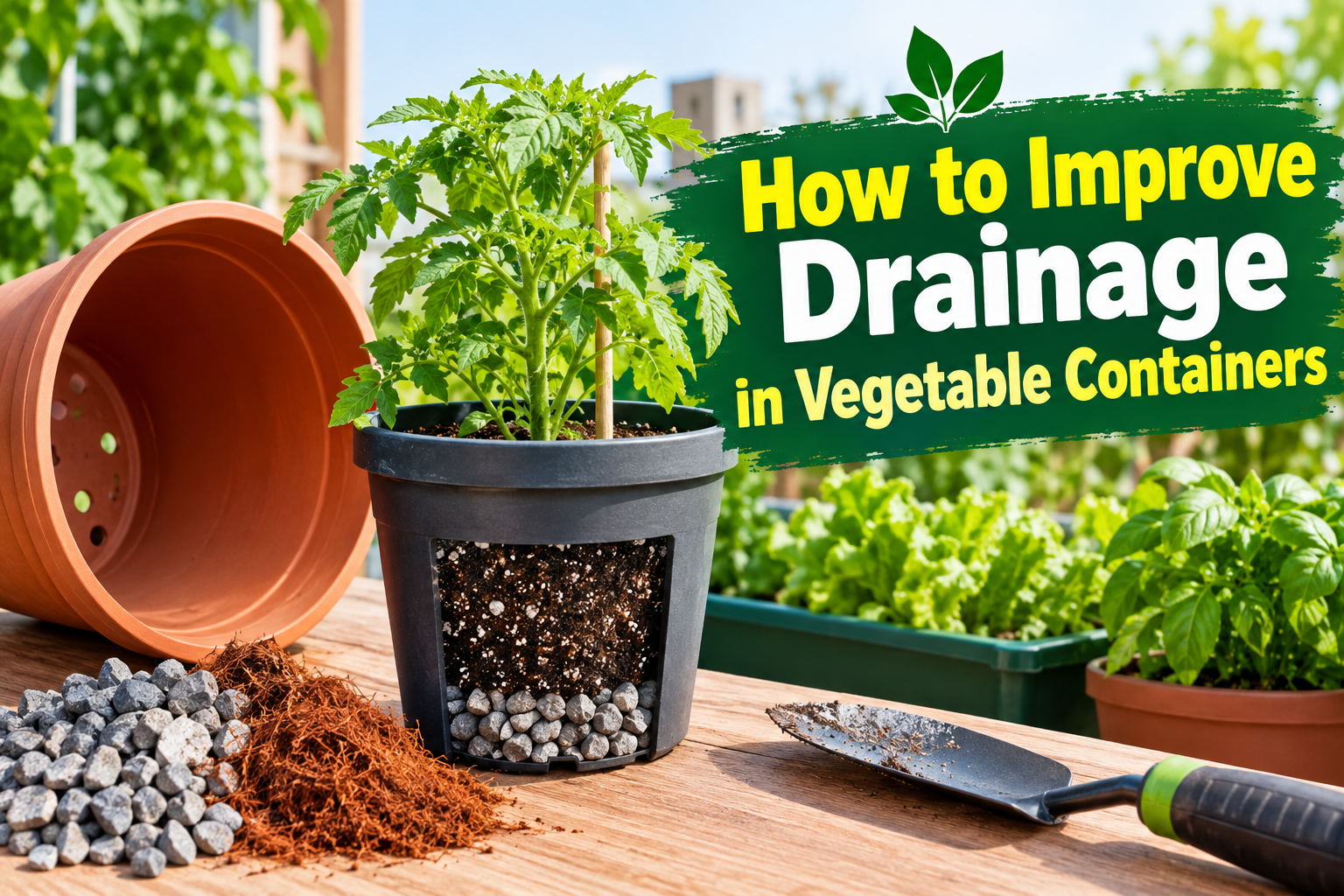
Always make sure excess water can escape. Poor drainage can cause root problems and may damage plants even when you are watering them carefully.
Use Good Quality Soil
Choosing the right soil is one of the most important steps when learning how to grow vegetables on a rooftop garden. Ordinary garden soil can become heavy in containers and may not provide the drainage that vegetables need.
I prefer a lightweight potting mixture containing quality growing medium along with compost or another suitable organic material. The goal is to create soil that holds enough moisture while still allowing excess water to drain away.
Good soil also gives vegetable plants access to nutrients. If the soil becomes compacted, roots may struggle to receive air and water. For this reason, I avoid using very dense soil in rooftop containers.
Select Vegetables That Suit Your Space
Not every vegetable is equally suitable for rooftop gardening. I recommend starting with vegetables that grow well in containers and do not require excessive space.
Some excellent choices include tomatoes, green chilies, peppers, lettuce, spinach, radishes, carrots, beans, cucumbers, onions, and herbs.
Tomatoes are especially popular because they can produce a good harvest from one or two plants when given proper support. Leafy greens are also useful because they can be harvested gradually.
Radishes are another good choice for beginners because they grow relatively quickly. Herbs such as coriander, mint, basil, and parsley can also make excellent additions to a rooftop garden.
Give Your Vegetables Enough Sunlight
Sunlight is essential for a successful rooftop vegetable garden. Many fruiting vegetables need plenty of direct sunlight to grow properly and produce a good harvest.
Before placing your containers permanently, observe where sunlight falls during the day. Put vegetables that need the most sunlight in the brightest areas.
If some parts of the rooftop receive less sunlight, use those spaces for vegetables and herbs that can tolerate partial shade. Arranging plants according to their sunlight requirements can make a noticeable difference.
Water Your Rooftop Garden Properly
Watering is one area where rooftop gardens can require extra attention. Containers usually dry out faster than garden beds, especially during hot and windy weather.
I recommend checking the soil with your finger before watering. If the upper layer feels dry, the plant may need water. However, avoid watering automatically every day without checking the soil because excessive moisture can create other problems.
During very hot weather, plants may need more frequent watering. Morning is generally a convenient time because plants can use the moisture during the day.
Make sure water reaches the root area rather than simply wetting the leaves. Good drainage is equally important because plants should not remain in standing water.
Protect Plants From Strong Wind
Wind is one of the challenges that makes rooftop gardening different from gardening at ground level. Tall plants can bend or break when exposed to strong winds.
I like to use stakes, cages, or other suitable supports for plants such as tomatoes and climbing beans. Heavy containers can also provide more stability.
Avoid placing very lightweight pots in exposed locations. If possible, position containers near safe structures that provide some protection without blocking necessary sunlight.
Feed Your Plants Regularly
Vegetables grown in containers depend on the limited nutrients available in their soil. As plants grow, they use these nutrients, so occasional feeding may be necessary.
Compost can be useful for improving soil quality and supplying organic matter. A suitable vegetable fertilizer can also be used according to its label instructions.
I believe it is better to provide nutrients consistently rather than applying excessive fertilizer at once. Too much fertilizer can damage roots and may cause unhealthy plant growth.
Manage Pests Naturally
Rooftop vegetable gardens can still attract insects. Check your plants regularly, especially the undersides of leaves and new growth.
Common garden pests can include aphids, caterpillars, whiteflies, and other insects. Early detection makes problems much easier to manage.
I recommend removing badly affected leaves when appropriate and keeping the garden clean. Encourage beneficial insects where possible and avoid using strong chemicals unnecessarily, especially when growing food for your family.
If a pest problem becomes serious, identify the insect first and then choose an appropriate gardening treatment. Always follow product instructions carefully.
Give Climbing Vegetables Proper Support
Some vegetables naturally want to climb. Cucumbers, beans, and certain tomato varieties can benefit from trellises or other supports.
Using vertical space is especially useful on a rooftop because it allows you to grow more plants without covering the entire floor with containers.
A strong trellis can also improve air circulation around plants and keep leaves and fruits away from the ground. Make sure the structure is securely positioned because rooftop winds can be strong.
Keep Your Rooftop Garden Organized
A well organized rooftop garden is easier to maintain. I recommend leaving enough space between containers so you can walk around comfortably and inspect every plant.
Group plants with similar water and sunlight requirements together. Keep taller plants where they will not unnecessarily shade smaller vegetables.
It is also helpful to label containers when growing several varieties. This can make it easier to remember what you planted and when you planted it.
Start Small and Learn From Experience
One mistake I often see beginners make is trying to create a huge garden immediately. A rooftop vegetable garden does not need to be large to be successful.
Start with a few containers and grow vegetables that your family actually enjoys eating. Learn how much sunlight your rooftop receives, how quickly containers dry out, and which vegetables perform well in your local conditions.
Once you become comfortable with the routine, you can add more containers and experiment with different vegetables.
Harvest Vegetables at the Right Time
Harvesting is one of the most enjoyable parts of rooftop gardening. Many vegetables taste better when harvested fresh.
Leafy greens can often be harvested gradually rather than removing the entire plant. Beans and cucumbers should generally be picked regularly because frequent harvesting can encourage continued production.
Tomatoes can be harvested when they reach the desired stage of ripeness. Root vegetables such as radishes and carrots can be checked based on their expected maturity and size.
Regular harvesting also gives you an opportunity to inspect plants and notice problems early.
Final Thoughts
Learning how to grow vegetables on a rooftop garden is easier when you focus on the basics. Choose a safe location, use suitable containers, prepare quality soil, provide enough sunlight, and develop a consistent watering routine.
In my experience, rooftop gardening is not about having a perfect garden from the beginning. It is about observing your plants, learning from small mistakes, and improving your routine over time.
Even a few containers can provide fresh tomatoes, peppers, leafy greens, herbs, or other vegetables. With patience and regular care, an unused rooftop can become a productive green space and a rewarding source of fresh homegrown food.
If you are planning your first rooftop vegetable garden, I suggest starting with two or three easy vegetables. Once you see your first successful harvest, you will have more confidence to expand your garden and try new crops.