 dolphinshave2stomachs
Related Articles
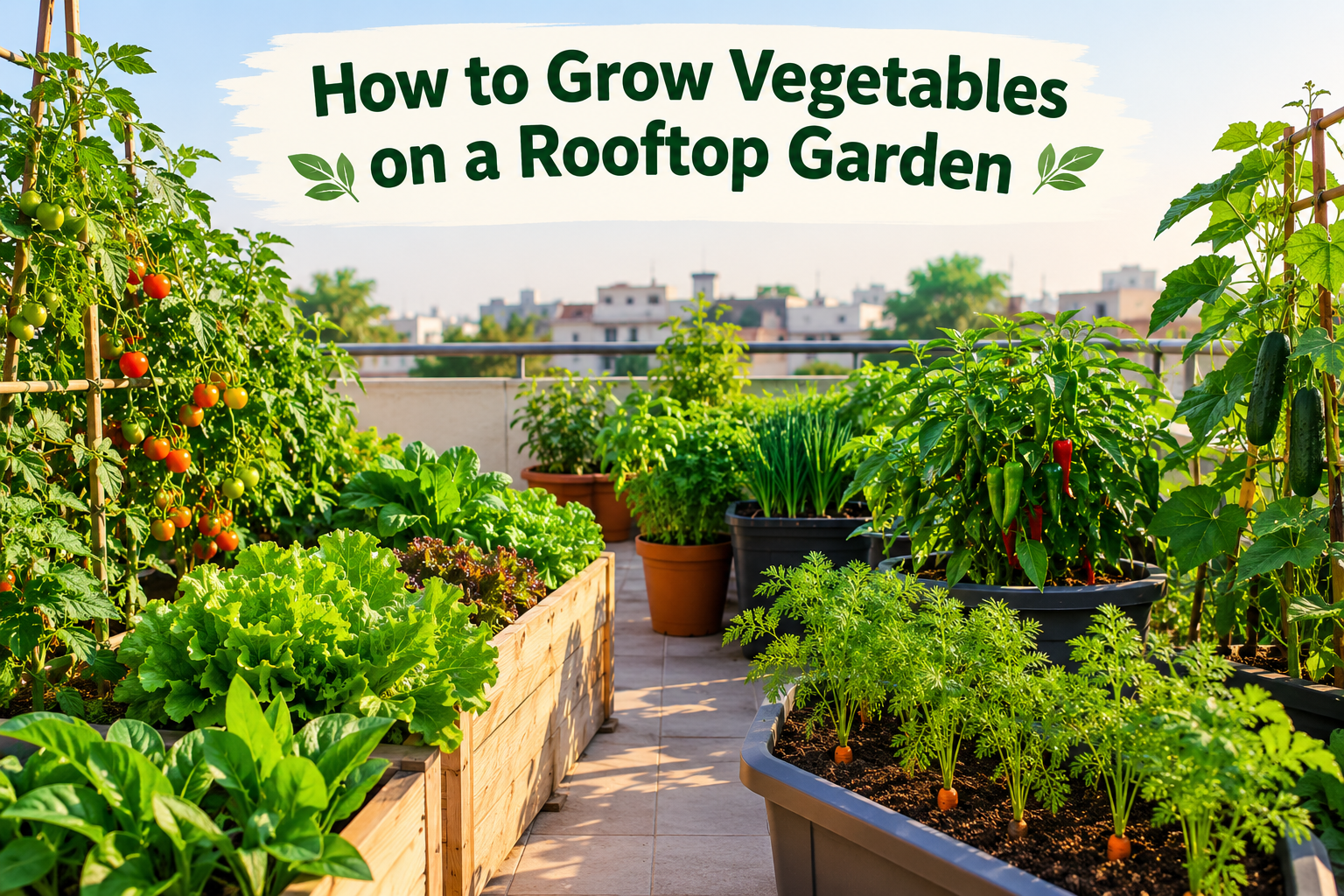
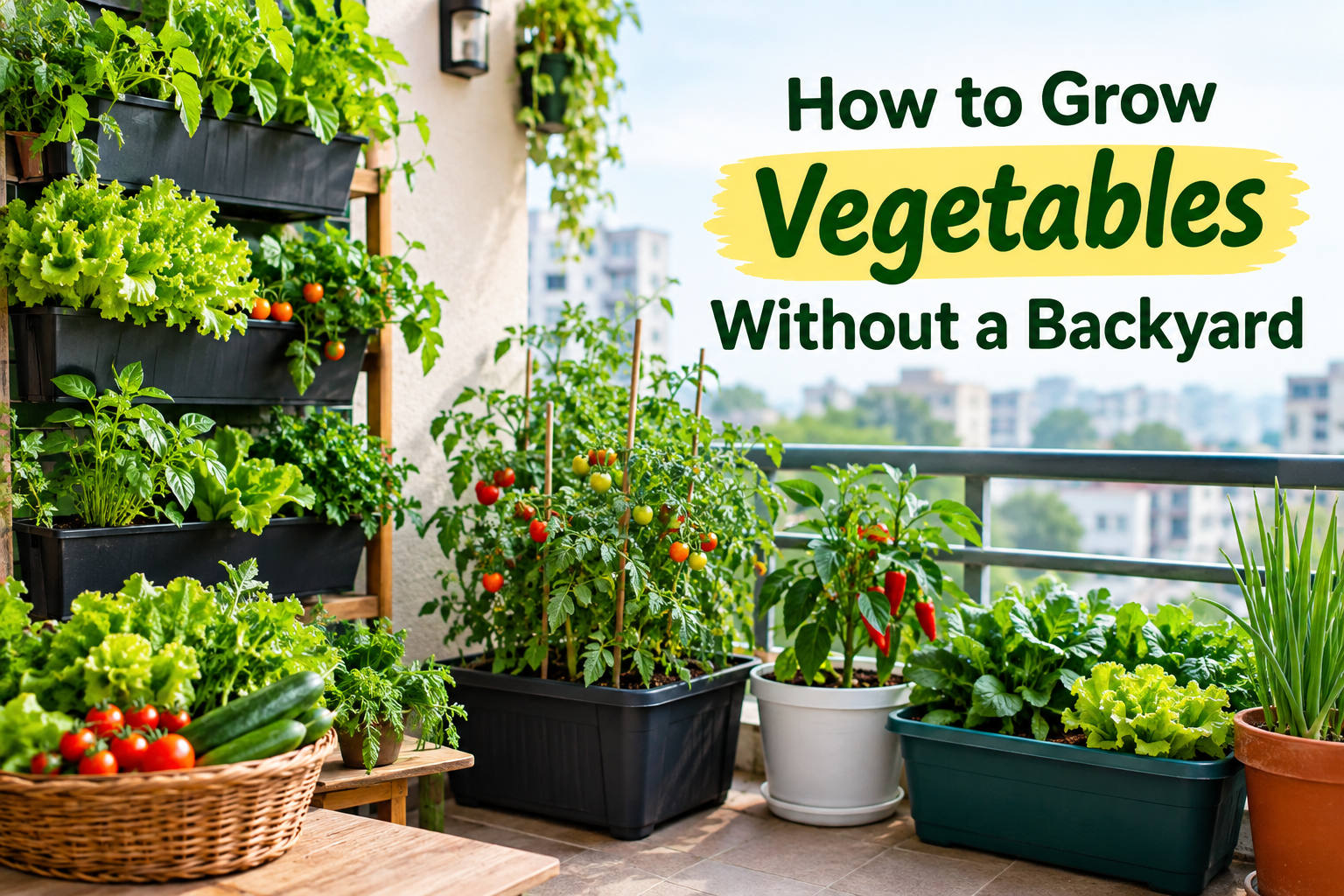
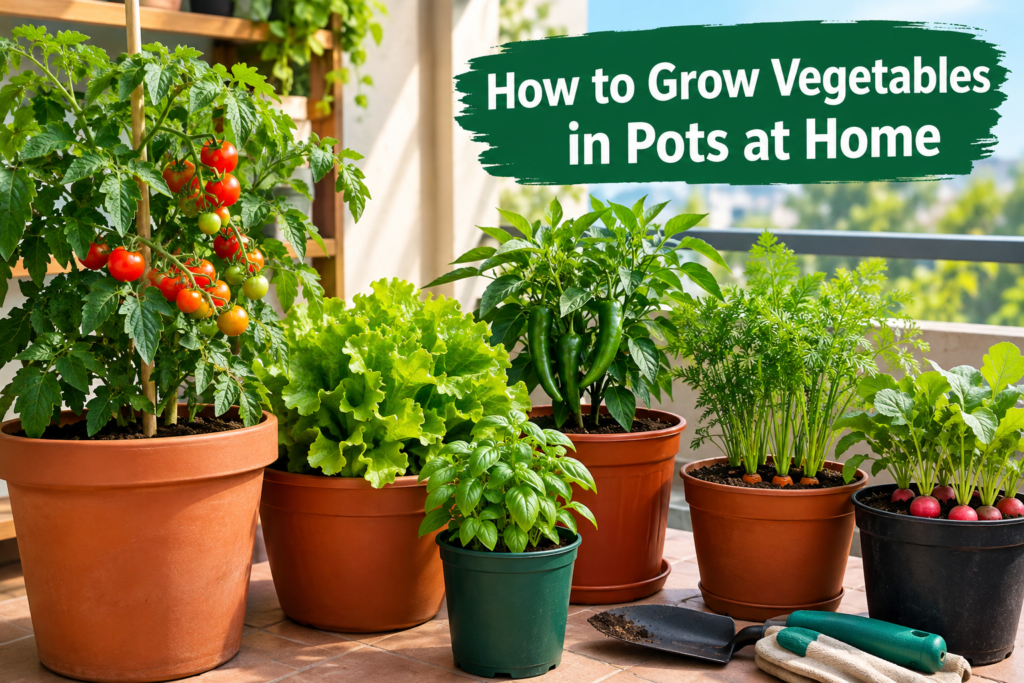
Growing vegetables at home does not always require a large garden. In my experience, even a small balcony, terrace, patio, or sunny window area can become a productive vegetable garden when you use pots correctly. Container gardening is one of the easiest ways to grow fresh vegetables, especially for beginners who do not have access to a traditional garden.
When I first started thinking about growing vegetables in pots, I realized that the process is much simpler than it looks. The most important things are choosing suitable containers, using good soil, providing enough sunlight, watering properly, and selecting vegetables that grow well in containers.
In this guide, I will explain how to grow vegetables in pots at home and share practical tips that can help beginners grow healthy plants successfully.
Why Grow Vegetables in Pots at Home?
There are several reasons why growing vegetables in containers is a great option. The biggest advantage is that you do not need a large outdoor space. A few good sized pots can produce a surprising amount of fresh vegetables.
Container gardening also gives you better control over the growing environment. You can move pots when the weather changes, improve the soil easily, and place plants where they receive better sunlight.
Another advantage is convenience. You can keep your vegetable pots close to your kitchen, making it easy to harvest fresh produce whenever you need it.
For me, one of the most satisfying parts of growing vegetables at home is watching a small seed develop into a healthy plant that eventually produces something I can use in my meals.
Choose the Right Pots
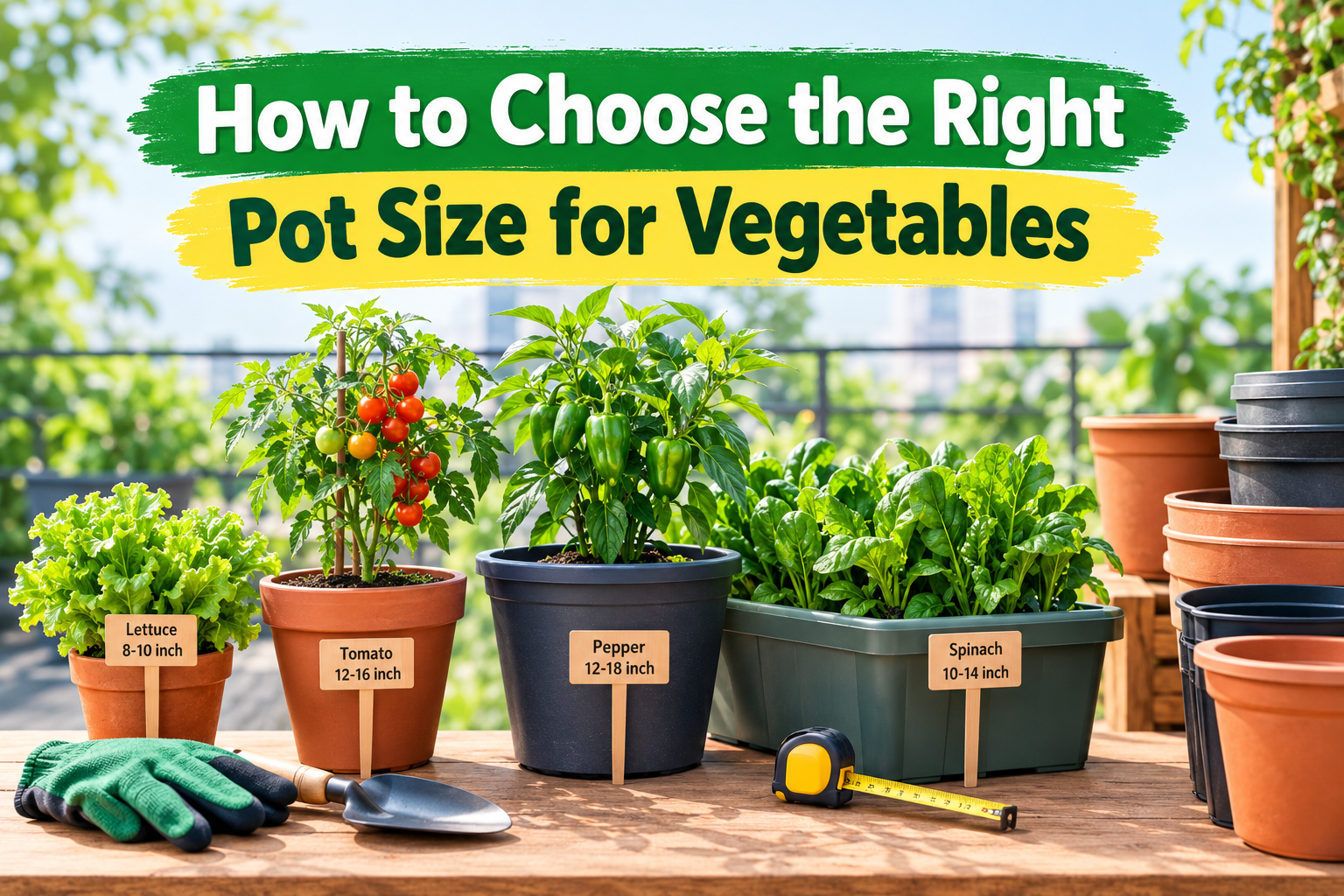
Choosing the right pot is one of the first steps in successful container vegetable gardening. The size of the container should match the vegetable you want to grow.
Small vegetables such as radishes, lettuce, green onions, and herbs can grow in relatively shallow containers. Tomatoes, peppers, eggplants, and larger plants usually need deeper and wider pots because their roots require more space.
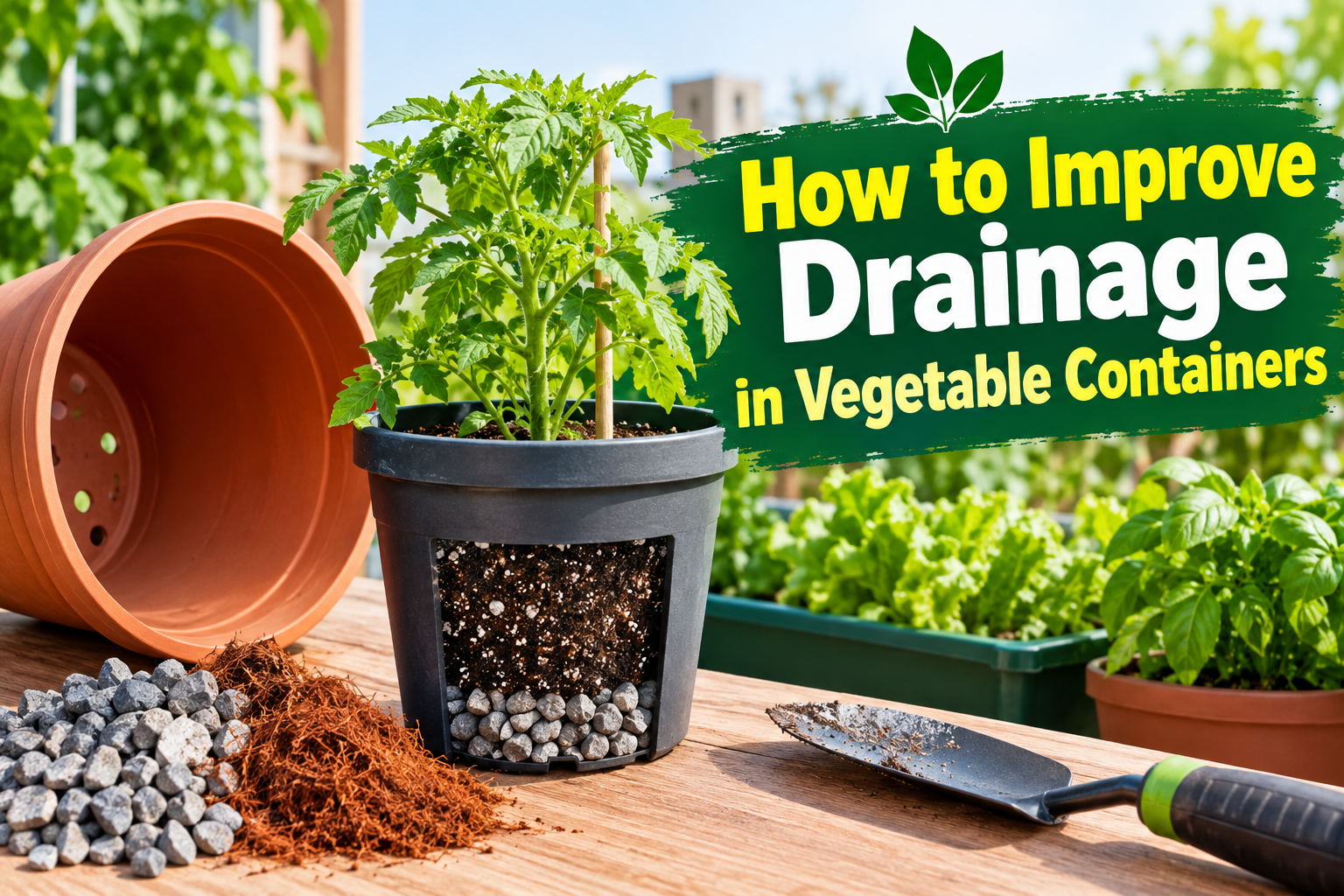
Always make sure the container has drainage holes at the bottom. Excess water needs somewhere to escape. Without proper drainage, the soil can remain too wet and the roots may become damaged.
You can use plastic pots, clay pots, fabric grow bags, wooden containers, or other suitable gardening containers. The important thing is that they are clean, strong enough to hold the soil, and have proper drainage.
Select the Best Vegetables for Containers
Not every vegetable is equally suitable for growing in pots. If you are a beginner, I recommend starting with vegetables that are relatively easy to manage.
Some good choices include tomatoes, chilies, lettuce, spinach, radishes, carrots, green onions, beans, peas, and herbs.
Tomatoes are especially popular in home container gardens. Choose compact or dwarf varieties if you have limited space. Chilies can also perform very well in pots and do not usually require a huge container.
Leafy vegetables such as lettuce and spinach are excellent choices because they can grow relatively quickly. Radishes are another good option for beginners because they do not require a very long growing period.
Use Good Quality Soil
Healthy soil is extremely important when growing vegetables in pots. Garden soil taken directly from the ground may become too compact inside a container and may not provide the ideal growing environment.
I prefer using a good quality potting mix designed for containers. A suitable mix should be loose enough to allow air and water to move through it while still holding enough moisture for the roots.
You can also improve container soil by adding suitable organic matter or compost. Compost can provide nutrients and improve the overall structure of the growing medium.
Avoid using extremely heavy soil because compacted soil can make it difficult for roots to develop properly.
Give Your Plants Enough Sunlight
Sunlight is another major factor when growing vegetables at home. Most vegetable plants need several hours of sunlight each day to grow well.
Before placing your pots permanently, observe your balcony, terrace, patio, or other growing area. Find the location that receives the most suitable sunlight.
Tomatoes, peppers, and many other fruit producing plants generally benefit from plenty of direct sunlight. Leafy vegetables can sometimes tolerate slightly less sunlight, depending on the variety and growing conditions.
If your home does not receive enough natural sunlight, you may need to consider an appropriate grow light for certain plants.
Plant Seeds or Seedlings
Once you have your pots, soil, and location ready, you can start planting.
You can grow vegetables from seeds or purchase young seedlings. Seeds are usually inexpensive and give you the experience of watching the complete growing process. Seedlings can be easier for beginners because the early germination stage has already been completed.
When planting seeds, follow the depth and spacing recommendations on the seed packet. Avoid placing too many seeds in one small container because overcrowded plants compete for sunlight, water, nutrients, and root space.
If you are planting seedlings, handle the roots gently when transferring them into their new containers.
Water Your Vegetable Plants Correctly
Watering sounds simple, but it is one of the areas where beginners often make mistakes.
The goal is to keep the soil appropriately moist without keeping it constantly soaked. Check the surface of the soil before watering. If it feels dry, the plant may need water.
Water slowly until some water begins to drain from the bottom of the pot. This helps moisten the growing medium more evenly.
However, avoid creating a fixed watering schedule without checking the soil. Weather, pot size, plant size, sunlight, and soil type can all affect how quickly a container dries.
During hot weather, pots can dry out much faster than plants growing in the ground. Therefore, container vegetables may need more frequent attention during warm periods.
Feed Your Plants With Nutrients
Vegetables growing in pots have access to a limited amount of soil. As plants grow, they use nutrients from that soil.
This is why container vegetables may benefit from appropriate fertilizer or compost during the growing season.
Follow the instructions on any fertilizer product you use and avoid applying more than recommended. Too much fertilizer can damage plants instead of helping them.
I generally believe that a simple approach is best for beginners. Start with healthy soil and provide additional nutrients only when needed.
Protect Plants From Pests
Growing vegetables at home does not completely eliminate pest problems. You may still notice insects feeding on leaves, stems, or young vegetables.
Check your plants regularly. Look underneath leaves as well as on top because some pests can remain hidden.
If you notice a small pest problem early, it is usually easier to manage than a serious infestation. Remove heavily affected leaves when appropriate and use gardening methods that are suitable for the particular pest and plant.
Avoid using unnecessary chemical products, especially on vegetables that you plan to eat. Always follow the label instructions for any garden product.
Provide Support for Taller Plants
Some container vegetables need support as they grow. Tomatoes, beans, peas, and certain pepper varieties can benefit from stakes, cages, or other suitable supports.
It is better to provide support early rather than waiting until the plant becomes large and difficult to manage.
A simple stake placed near a young tomato plant can help guide its growth. Climbing vegetables can be trained onto a suitable trellis or support structure.
Give Each Plant Enough Space
One common mistake in container gardening is trying to grow too many vegetables in a single pot.
Although it can be tempting to fill every available space, overcrowding can create problems. Plants may compete for water, nutrients, sunlight, and root space.
Always consider the mature size of the vegetable before planting. A small seedling can eventually become a much larger plant.
Proper spacing also improves air circulation around the leaves, which can help create a healthier growing environment.
Harvest Vegetables at the Right Time
Harvesting is one of my favorite parts of growing vegetables at home. The correct harvesting time depends on the vegetable and variety.
Leafy greens can often be harvested gradually by removing outer leaves while allowing the plant to continue growing. Radishes and carrots can be harvested when their roots reach an appropriate size.
Tomatoes and peppers can be harvested according to the stage of ripeness you prefer.
Regular harvesting can also encourage some plants to continue producing. Instead of allowing vegetables to become overly mature, check your plants frequently and harvest when they are ready.
Common Mistakes to Avoid
If you are learning how to grow vegetables in pots at home, try to avoid a few common mistakes.
Do not use containers without drainage holes. Do not place large vegetables in very small pots. Avoid watering plants simply because it is part of your routine. Check the soil first.
Another mistake is choosing a location with very little sunlight for vegetables that require plenty of light.
Overcrowding is also a frequent problem. Give plants enough space to develop naturally.
Finally, do not become discouraged if your first attempt is not perfect. Gardening is a learning process. Different plants respond differently to temperature, sunlight, water, soil, and feeding.
Final Thoughts
Learning how to grow vegetables in pots at home can be a rewarding experience, even if you have very limited space. You do not need an expensive setup or a huge garden to begin. A few containers, suitable soil, healthy seeds or seedlings, sunlight, water, and regular care can be enough to get started.
My advice for beginners is to start small. Choose two or three easy vegetables instead of trying to grow everything at once. Once you understand how your plants respond to your home’s sunlight, temperature, and watering conditions, you can gradually expand your container garden.
With patience and regular attention, your balcony or patio can become a productive little vegetable garden. The best part is that you can enjoy fresh vegetables that you have grown yourself right at home.