 dolphinshave2stomachs
Related Articles
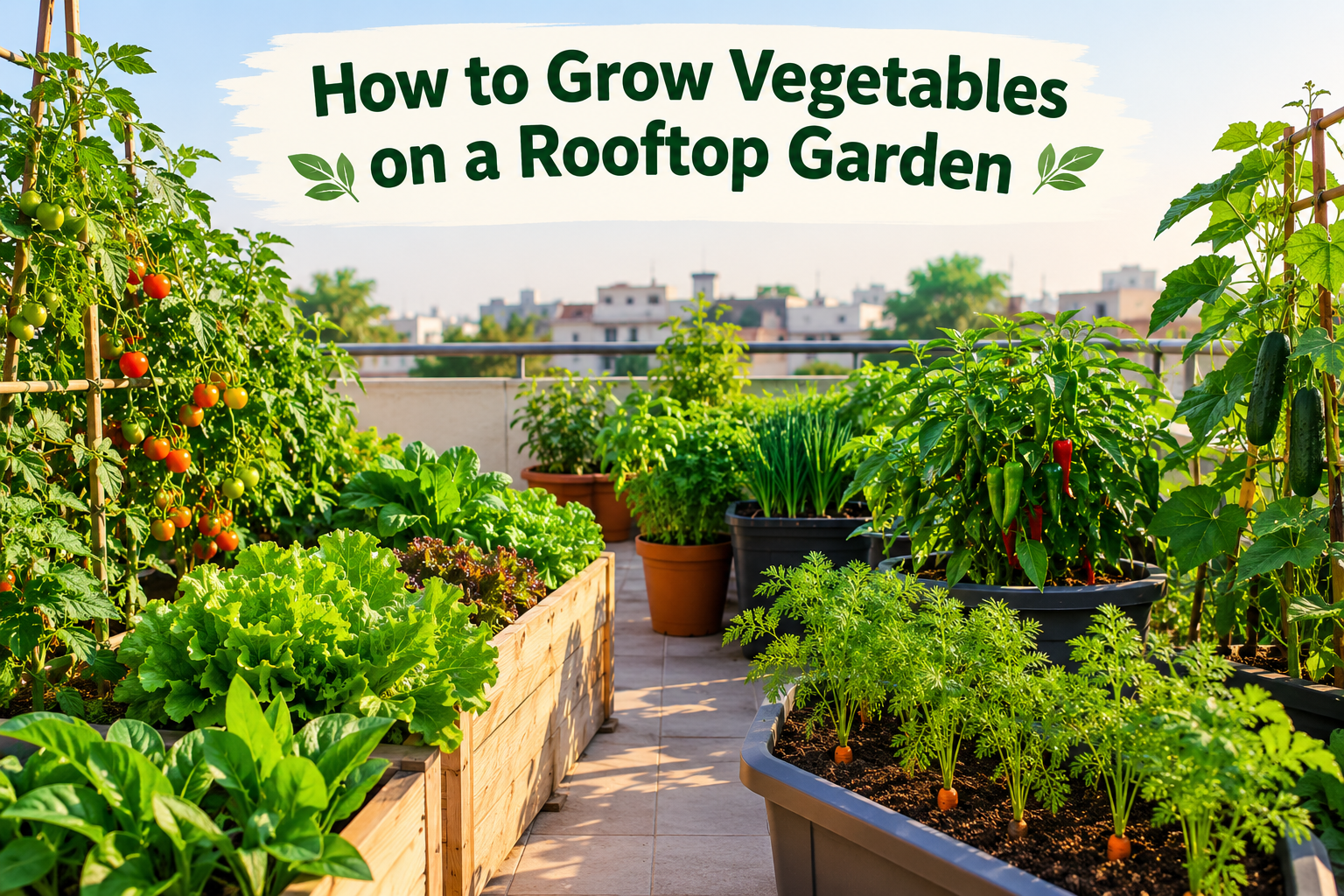
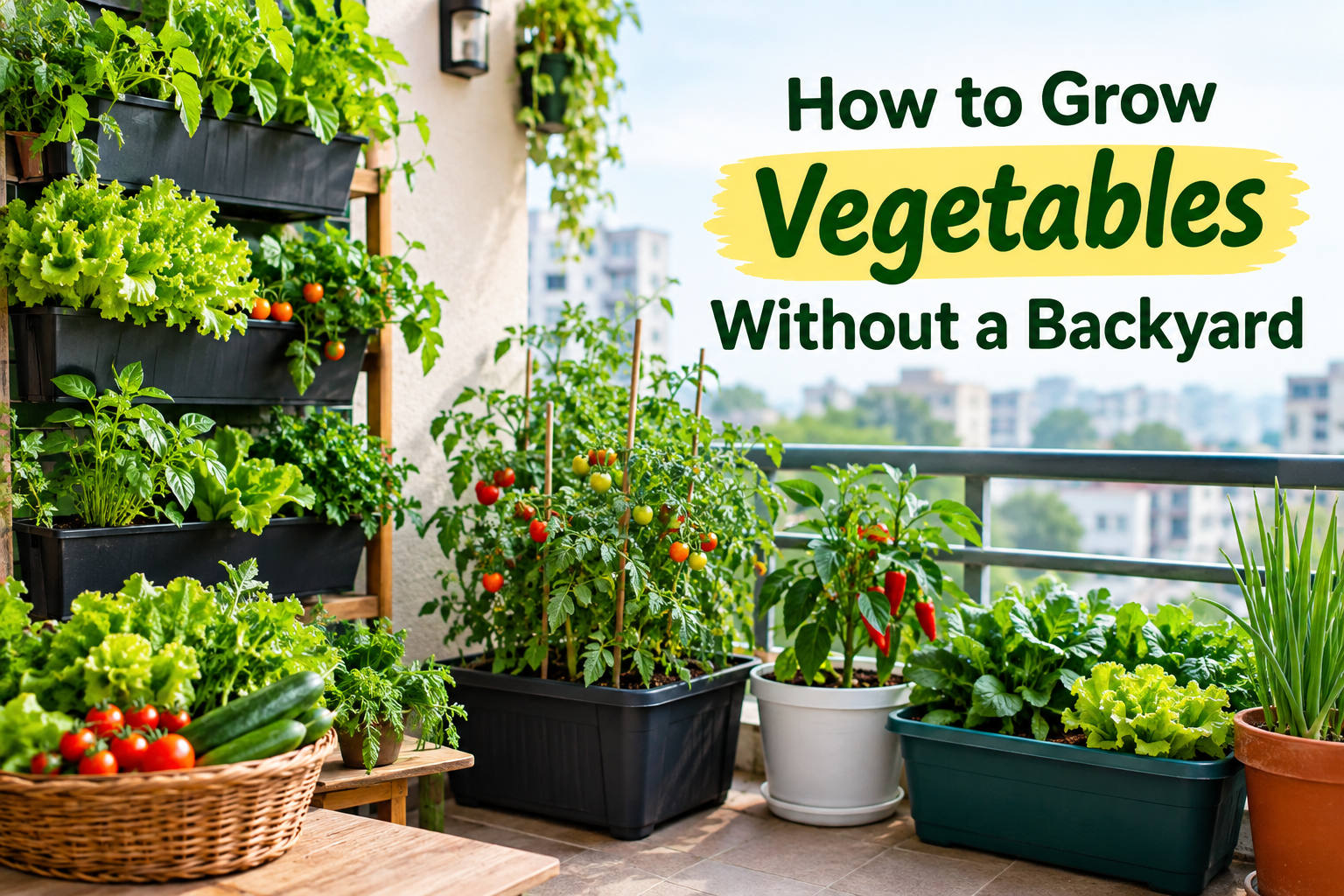
Growing vegetables in containers is one of the easiest ways to enjoy fresh produce when you do not have a large garden. In my experience, container gardening is especially useful for people who have a balcony, patio, rooftop, small yard, or even a sunny window area.
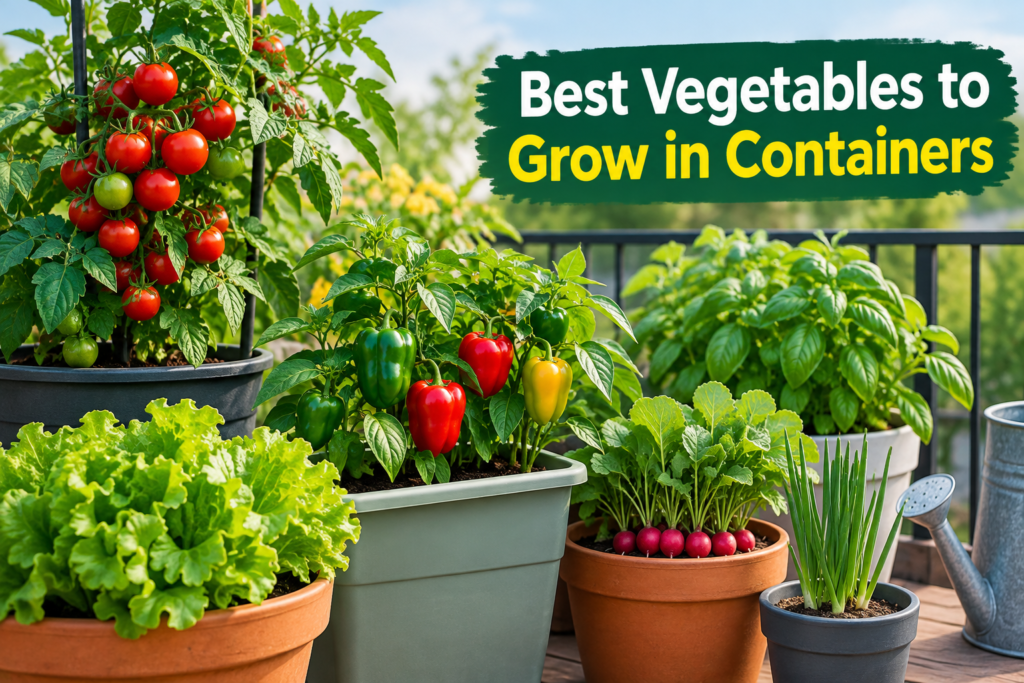
The best vegetables to grow in containers are usually those that do not require a huge amount of root space and can adapt well to pots. Tomatoes, lettuce, peppers, radishes, carrots, green onions, spinach, beans, and many leafy greens can all produce excellent results when grown in the right containers.
What I like most about container gardening is the control it gives you. You can choose the soil, move plants when necessary, control watering more easily, and keep your vegetables closer to your home. However, choosing the right vegetable and container size makes a big difference.
Why Grow Vegetables in Containers?
Container gardening is a practical option for gardeners who have limited space. You do not need a traditional garden bed to grow useful amounts of fresh vegetables.
Containers can also make gardening easier because you can place them where plants receive the right amount of sunlight. If the weather becomes too hot or cold, some containers can be moved to a more suitable location.
Another advantage is that containers can provide better control over soil quality. Instead of dealing with poor garden soil, you can start with a good quality potting mix that provides proper drainage and supports healthy root growth.
For beginners, I think container gardening is also a great way to learn. You can start with two or three pots and gradually increase your collection as you become more comfortable.
1. Tomatoes
Tomatoes are among the best vegetables to grow in containers. They are productive, relatively easy to care for, and there are many varieties suitable for pots.
For container gardening, I recommend choosing compact, dwarf, or determinate tomato varieties. These plants generally have a more manageable growth habit than very large indeterminate varieties.
A tomato plant needs a reasonably large container because its roots require space. Good drainage is also important. Place the container somewhere that receives plenty of direct sunlight.
Tomatoes need regular watering, especially when the weather is hot. I have found that inconsistent watering can cause problems such as poor fruit development and cracked tomatoes.
2. Lettuce
Lettuce is another excellent choice for container gardening. It has a relatively shallow root system, so you do not need a very deep pot.
One of the best things about growing lettuce is that you can harvest the outer leaves while allowing the plant to continue producing. This makes it particularly useful for people who want a regular supply of fresh salad greens.
Lettuce generally performs better in cooler conditions. During very hot weather, afternoon shade can help prevent the plants from becoming stressed or developing a bitter taste.
3. Radishes
If you want a vegetable that grows quickly, radishes deserve a place on your list. They are compact and do not require a large container.
The most important thing is choosing a container that is deep enough for the variety you are growing. Loose soil allows the roots to develop more easily.
Radishes are also suitable for beginners because you can see results relatively quickly. This makes them a fun vegetable for children and new gardeners.
4. Carrots
Carrots may seem like vegetables that require a traditional garden bed, but many varieties grow surprisingly well in containers.
The key is selecting the right variety and providing sufficient soil depth. Shorter or round carrot varieties are often easier to grow in pots because they do not require as much depth as long varieties.
Use loose, stone free soil and avoid compacting the potting mix. If the soil is too hard or filled with obstacles, carrot roots may become distorted.
5. Peppers
Peppers are excellent container vegetables because the plants can remain relatively compact while producing plenty of fruit.
Both sweet peppers and hot peppers can be grown in containers. They prefer warm conditions and plenty of sunlight.
I recommend using a container with good drainage and keeping the soil consistently moist without making it waterlogged. During the growing season, feeding the plants occasionally can help support healthy growth and fruit production.
Peppers are particularly attractive when grown in containers because the plants can look decorative as well as productive.
6. Spinach
Spinach is a great choice for gardeners who want leafy greens without needing much space. It can be grown in containers and harvested gradually.
Like lettuce, spinach generally prefers cooler conditions. You can harvest individual leaves as needed instead of removing the entire plant.
A container placed in a location with suitable sunlight and protection from extreme afternoon heat can provide a steady supply of fresh spinach.
7. Green Onions
Green onions are one of the simplest vegetables to grow in containers. They do not require much space and can be planted relatively close together.
You can grow them in small pots or larger containers alongside other suitable plants. Their narrow shape also means they do not take up much valuable growing space.
For anyone starting a container vegetable garden for the first time, I think green onions are an excellent choice because they are simple, useful, and require relatively little room.
8. Bush Beans
Bush beans can be very productive in containers. Unlike large climbing varieties, bush beans generally have a more compact growth habit.
A reasonably deep container with good drainage can provide enough space for the roots. Give the plants plenty of sunlight and water them consistently.
Beans can also be rewarding because you can often harvest fresh pods repeatedly during the productive period.
9. Cucumbers
Cucumbers can grow in containers, but they require a little more planning than lettuce or radishes. Some varieties produce long vines that need support.
If you want to grow cucumbers in pots, look for compact or container friendly varieties. Adding a trellis or other suitable support can help keep the vines organized and save space.
Cucumbers need regular moisture because their fruits contain a lot of water. Containers can dry out quickly during hot weather, so check the soil regularly.
10. Swiss Chard
Swiss chard is an excellent leafy vegetable for containers. It can provide attractive green leaves and colorful stems, depending on the variety.
It can also be harvested gradually, allowing the plant to continue producing new leaves. This makes it a useful option when container space is limited.
I particularly like leafy vegetables such as Swiss chard because they can provide a long harvest without requiring the amount of space needed by large root crops.
Choosing the Right Container
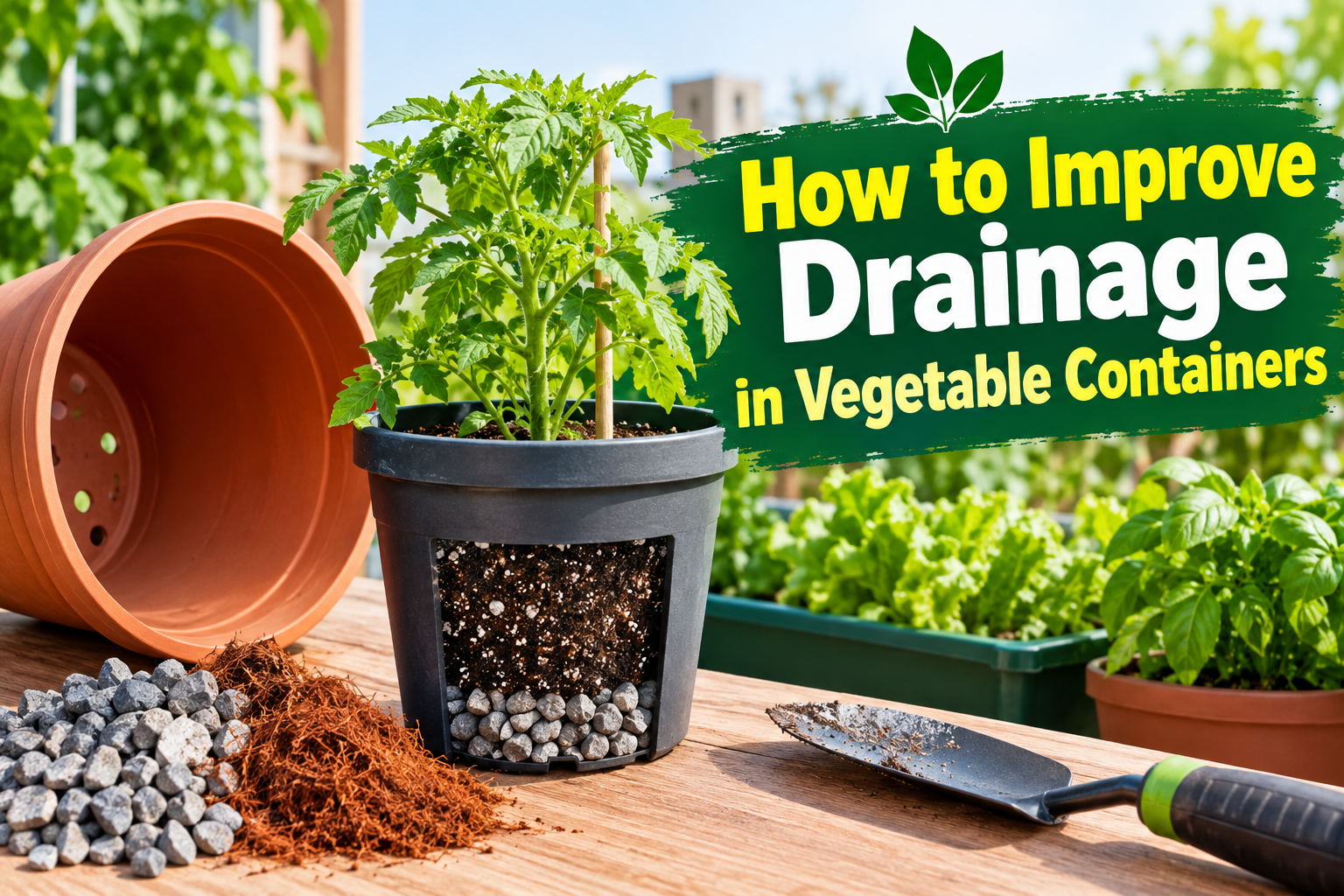
Choosing the right container is just as important as choosing the vegetable. A container should have drainage holes so excess water can escape.
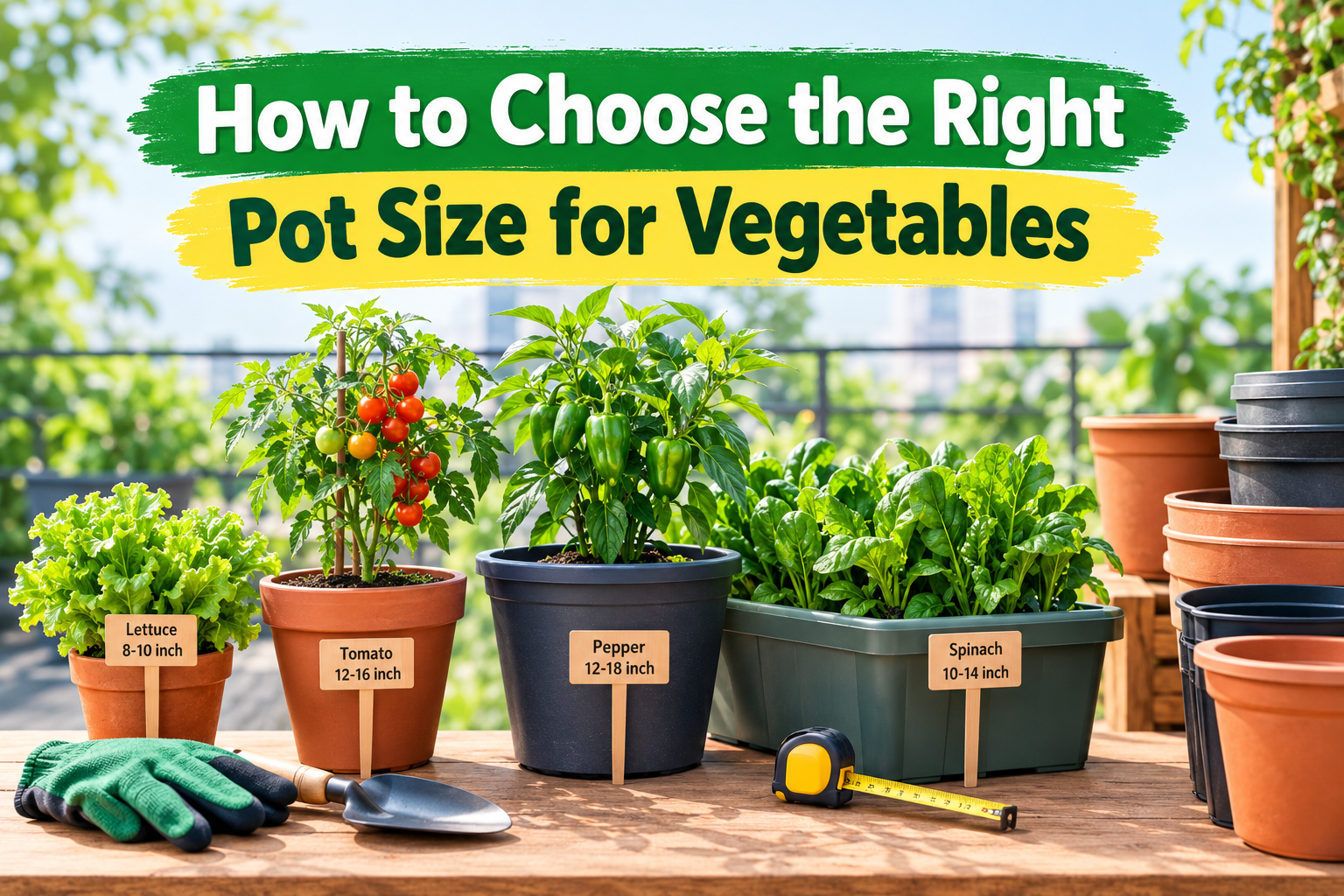
Small vegetables such as lettuce, green onions, and radishes can usually grow in smaller containers. Tomatoes, peppers, carrots, cucumbers, and beans generally need more room.
Avoid choosing a container simply because it looks attractive. Always consider the mature size of the plant and its root requirements.
You should also remember that containers can become heavy after being filled with soil and water. Make sure balconies, shelves, and other elevated areas can safely support the weight.
Use Good Potting Soil
One of the biggest mistakes beginners make is using heavy garden soil in containers. Regular garden soil can become compacted and may not provide the drainage that container vegetables need.
A quality potting mix is usually a better choice. The growing medium should provide good drainage while still holding enough moisture for healthy plant growth.
Adding organic matter according to the requirements of the plants can also help maintain healthy growing conditions.
Give Your Vegetables Enough Sunlight
Most fruiting vegetables, including tomatoes and peppers, perform best when they receive plenty of sunlight. Leafy vegetables such as lettuce and spinach can tolerate somewhat less intense light.
Before placing your containers, observe your space throughout the day. A location that looks sunny in the morning may become shaded later.
If possible, arrange containers so taller plants do not block sunlight from smaller vegetables.
Watering Container Vegetables
Watering is one of the most important parts of successful container gardening. Pots can dry out faster than garden beds, particularly during hot and windy weather.
Check the soil regularly rather than following a rigid watering schedule. If the upper layer of soil feels dry, the plant may need water.
At the same time, avoid constantly keeping the soil saturated. Excess water can reduce oxygen around the roots and contribute to root problems.
Fertilizing Container Vegetables
Plants grown in containers have access to a limited amount of nutrients. Over time, watering can also move nutrients out of the growing medium.
For this reason, container vegetables may benefit from regular feeding with a suitable fertilizer. Always follow the instructions on the fertilizer label because applying too much can damage plants.
I prefer keeping feeding simple rather than adding many different products. Healthy soil, proper watering, sunlight, and suitable containers usually make the biggest difference.
Common Container Gardening Mistakes
A few common mistakes can make container gardening more difficult than it needs to be.
The first is choosing a container that is too small. Plants may survive, but their growth and production can suffer.
The second is poor drainage. Containers without adequate drainage holes can hold too much water.
Another common mistake is overcrowding. It can be tempting to put many plants into one pot, but vegetables need sufficient space for their roots, leaves, and airflow.
Finally, do not ignore your plants after planting them. Regularly check for pests, dry soil, yellowing leaves, and other signs of stress.
Final Thoughts
The best vegetables to grow in containers depend on your available space, climate, sunlight, and gardening experience. However, tomatoes, lettuce, radishes, carrots, peppers, spinach, green onions, bush beans, cucumbers, and Swiss chard are all excellent options to consider.
My advice for beginners is to start small. Choose a few vegetables that match your available space instead of trying to grow everything at once. Use suitable containers, quality potting soil, proper drainage, and consistent watering.
Container gardening can turn a small balcony, patio, rooftop, or corner of a yard into a productive growing space. With the right vegetables and a little regular care, you can enjoy fresh homegrown produce without needing a large traditional garden.