 dolphinshave2stomachs
Related Articles
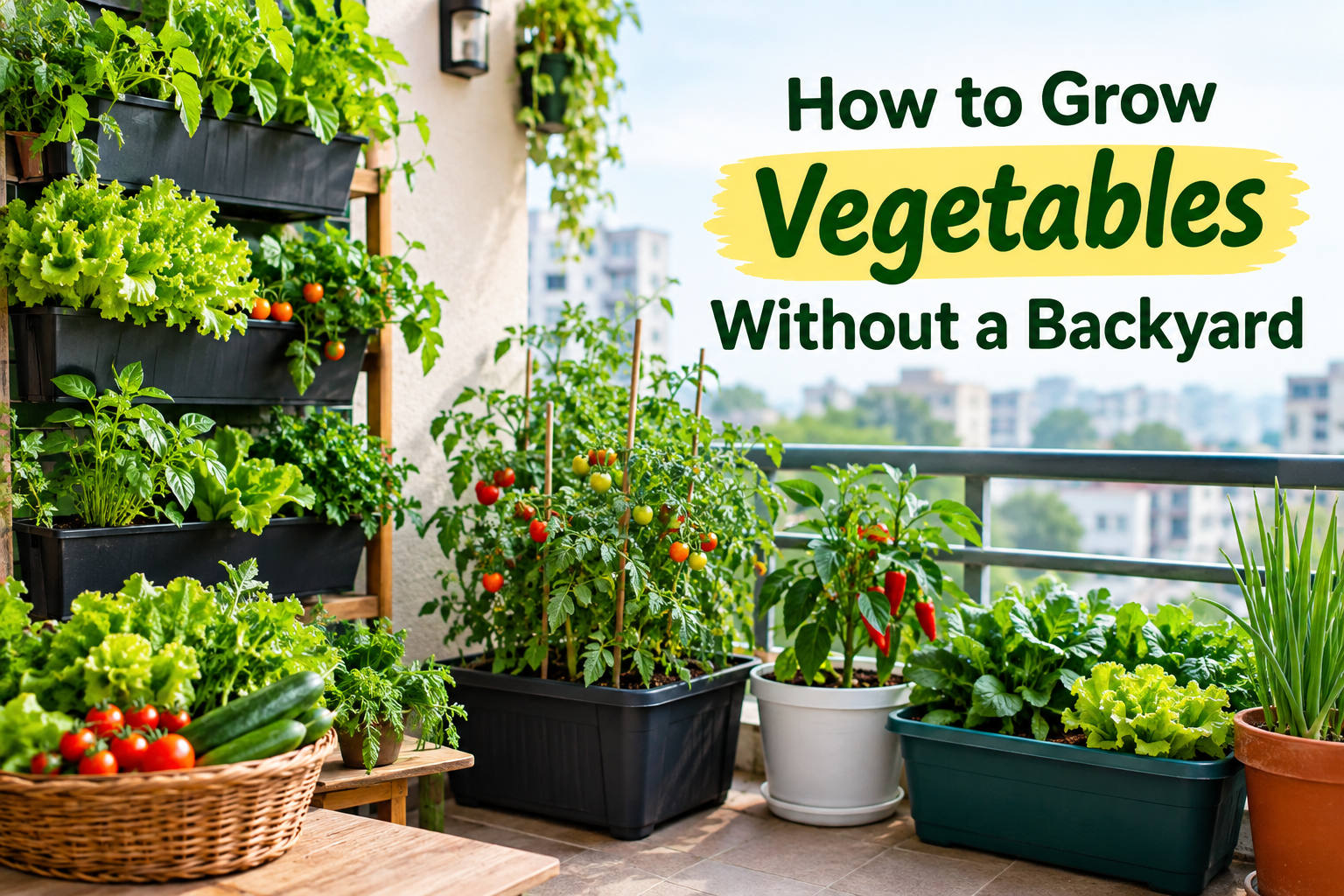
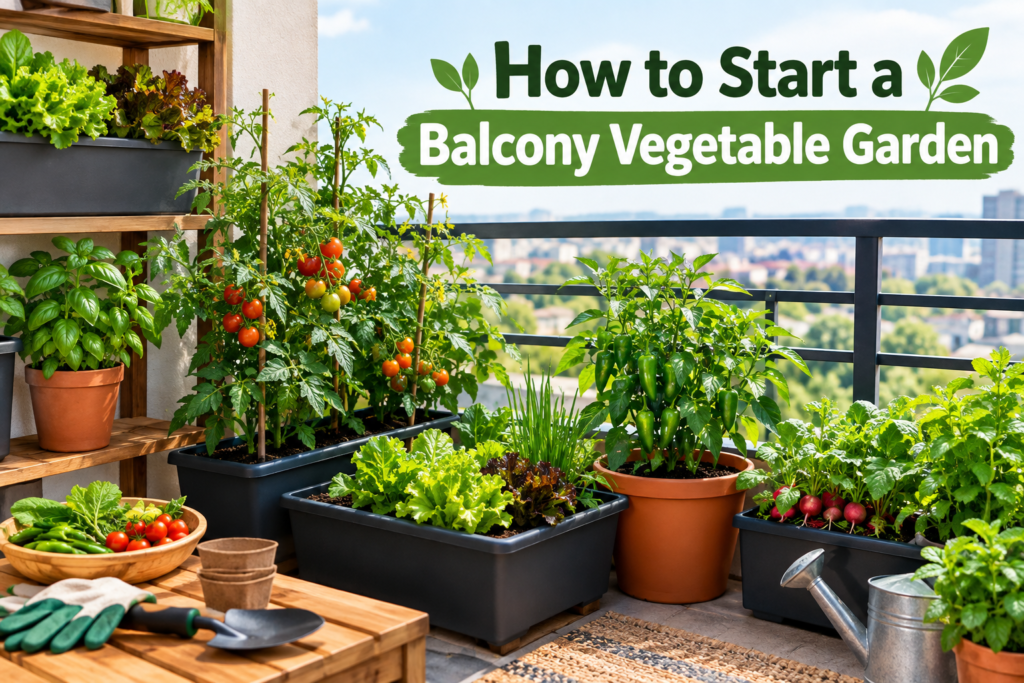
Starting a balcony vegetable garden is one of the easiest ways to grow fresh food when you do not have a backyard or large outdoor space. I have found that even a small balcony can become a useful growing area when it gets enough sunlight and the plants are placed in the right containers. You do not need expensive equipment or advanced gardening knowledge to get started.
A balcony vegetable garden can also be a relaxing hobby. Watching a small seed develop into a healthy plant and eventually produce vegetables is surprisingly rewarding. With the right containers, soil, sunlight, water, and a little patience, you can grow several useful vegetables right outside your home.
Choose the Right Spot on Your Balcony
Before buying seeds or containers, I recommend looking at your balcony carefully. The amount of sunlight you receive will have a major effect on your vegetable garden.
Most vegetables need several hours of sunlight every day. Tomatoes, peppers, cucumbers, and eggplants generally prefer plenty of direct sunlight. Leafy vegetables such as lettuce, spinach, and some herbs can tolerate slightly less sunlight.
Spend a day observing your balcony and notice which areas receive morning and afternoon sunlight. Also consider strong winds because balconies can sometimes be more exposed than gardens at ground level.
If your balcony receives limited sunlight, do not give up. Start with vegetables and herbs that can handle partial shade and see how they perform.
Select Vegetables That Grow Well in Containers
One mistake I often see beginners make is trying to grow too many large vegetables immediately. A balcony garden has limited space, so choosing compact plants is important.
Some vegetables that are suitable for container gardening include:
- Tomatoes
- Green peppers
- Radishes
- Lettuce
- Spinach
- Carrots
- Green onions
- Bush beans
- Chilies
- Herbs such as basil and coriander
Tomatoes and peppers are especially popular because they can produce a good amount of food from a relatively small area.
If you are completely new to gardening, I suggest starting with three or four plants instead of filling the entire balcony. This makes watering and maintenance much easier.
Pick Suitable Containers
Choosing the right containers is another important part of starting a balcony vegetable garden. You can use traditional plant pots, fabric grow bags, wooden planters, or other suitable containers.
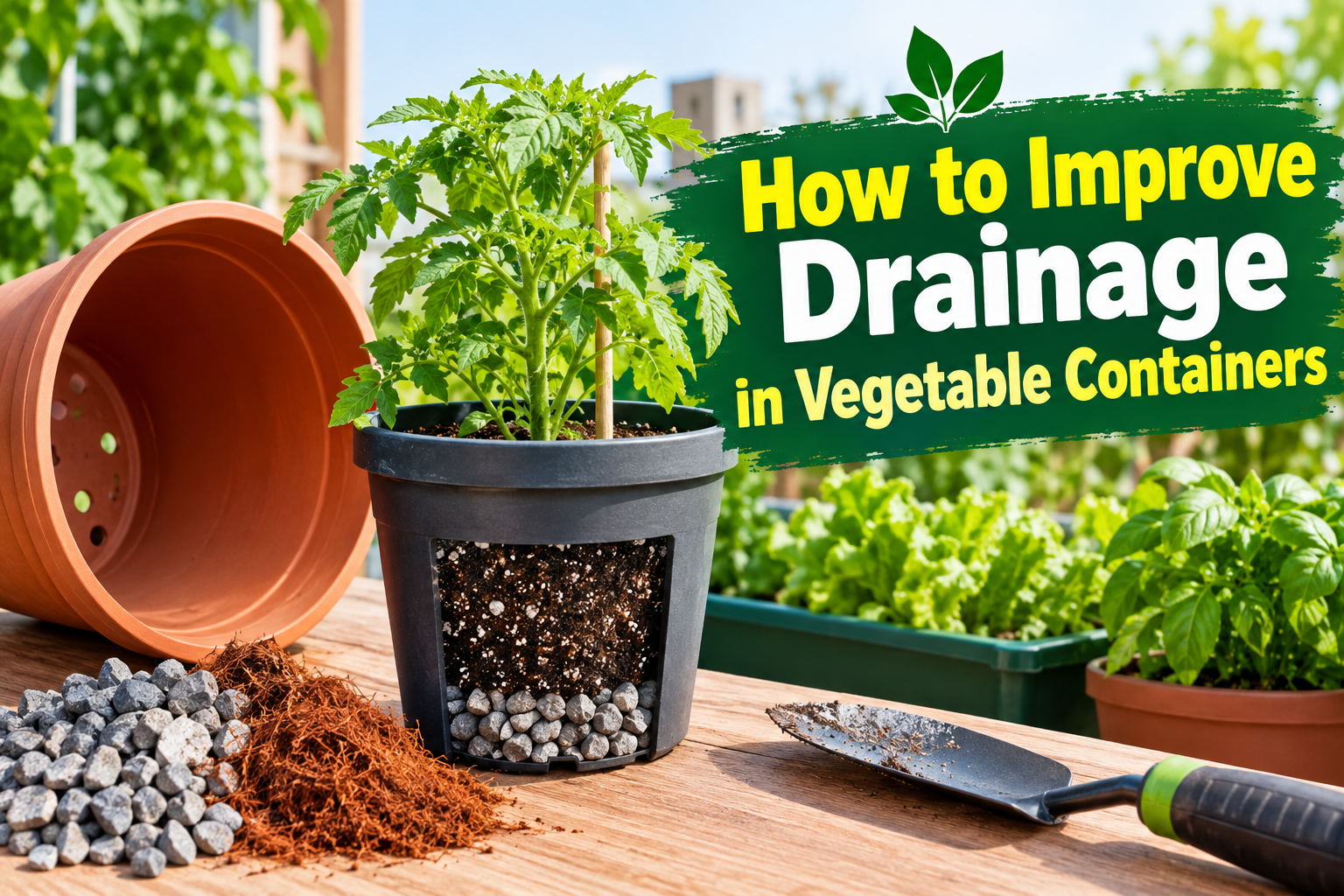
The container should have drainage holes at the bottom. Without proper drainage, excess water can remain around the roots and cause problems.
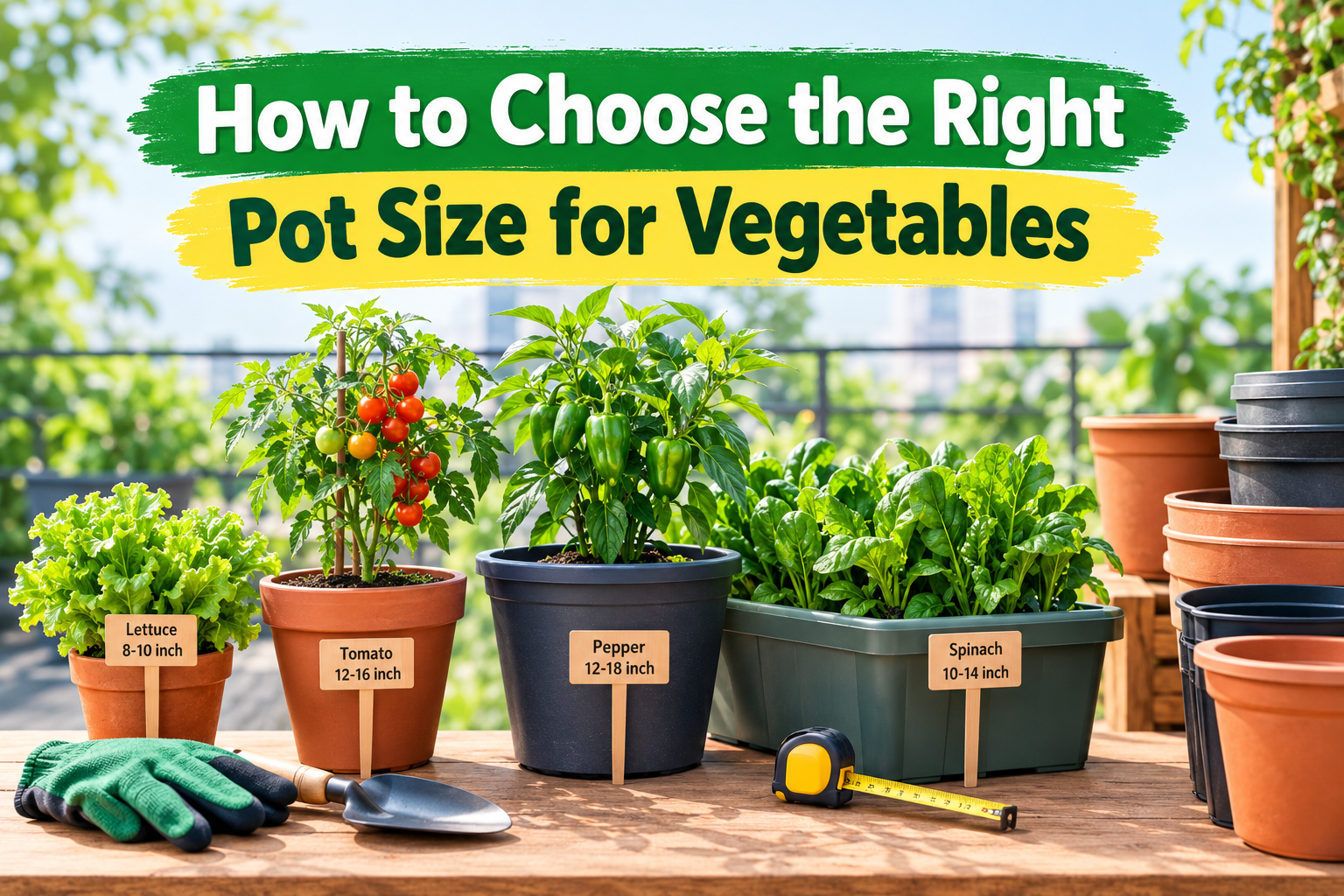
The size of the container should also match the plant. Small vegetables such as radishes and green onions can grow in relatively shallow containers. Tomatoes, peppers, and other larger plants need more room for their roots.
I also recommend thinking about the weight of your containers. Wet soil can become surprisingly heavy. Avoid placing an excessive number of large containers on a balcony without considering its load limits. If you have concerns about the structural safety of your balcony, consult a qualified professional.
Use Good Quality Potting Soil
Regular garden soil is not always the best option for container gardening because it can become compacted inside pots. I prefer using a quality potting mix designed for containers.
Good potting soil should allow water to drain while still holding enough moisture for the roots. It should also provide enough air around the root system.
You can find ready made potting mixes at many garden stores. If you prefer preparing your own mix, you can combine suitable growing materials such as compost and other components intended for container gardening.
The main goal is to give your vegetables a healthy environment where their roots can spread and receive air, water, and nutrients.
Start With Seeds or Young Plants
You have two simple options when starting a balcony vegetable garden. You can grow plants from seeds or purchase young plants from a local nursery.
Growing from seeds can be cheaper and gives you a wider selection of vegetables. However, it requires more patience because you have to wait for germination and early growth.
Young plants are easier for beginners because you can immediately place them into suitable containers and focus on helping them grow.
For my first balcony garden, I would recommend using a combination of both. Grow a few easy vegetables from seeds and purchase a couple of healthy young plants. This gives you experience with different stages of gardening.
Give Plants Enough Sunlight
Sunlight is one of the most important requirements for a healthy balcony vegetable garden. Without enough light, plants may become weak, grow slowly, or produce fewer vegetables.
Try to position sun loving plants where they receive the most direct sunlight. Taller plants can sometimes block smaller plants, so think about their placement before arranging your containers.
You can also rotate containers occasionally if one side of a plant is receiving much more light than the other side.
Remember that sunlight requirements vary between vegetables. Always check the growing instructions for the specific plant or seed variety you are using.
Water Your Balcony Vegetable Garden Properly
Watering seems simple, but it is one of the areas where beginners often make mistakes. Some people water their plants too frequently, while others allow the soil to become completely dry.
I usually recommend checking the soil before watering. If the upper layer feels dry, the plant may need water. However, the exact watering schedule depends on the weather, container size, plant type, soil, and amount of sunlight.
During hot weather, containers can dry out quickly. You may need to check them more often.
Always make sure excess water can escape through the drainage holes. The goal is to keep the soil appropriately moist without leaving the roots sitting in water.
Feed Your Plants With Nutrients
Plants growing in containers have limited access to nutrients because they cannot spread their roots through a large area of soil. As a result, they may benefit from appropriate fertilizer during the growing season.
Compost can also be useful for improving soil and supplying organic matter. If you use commercial fertilizer, follow the instructions on its label and avoid applying more than recommended.
Too much fertilizer does not automatically mean faster growth. In fact, excessive fertilizer can damage plants. I prefer following a simple feeding schedule and observing how the plants respond.
Make the Most of Limited Space
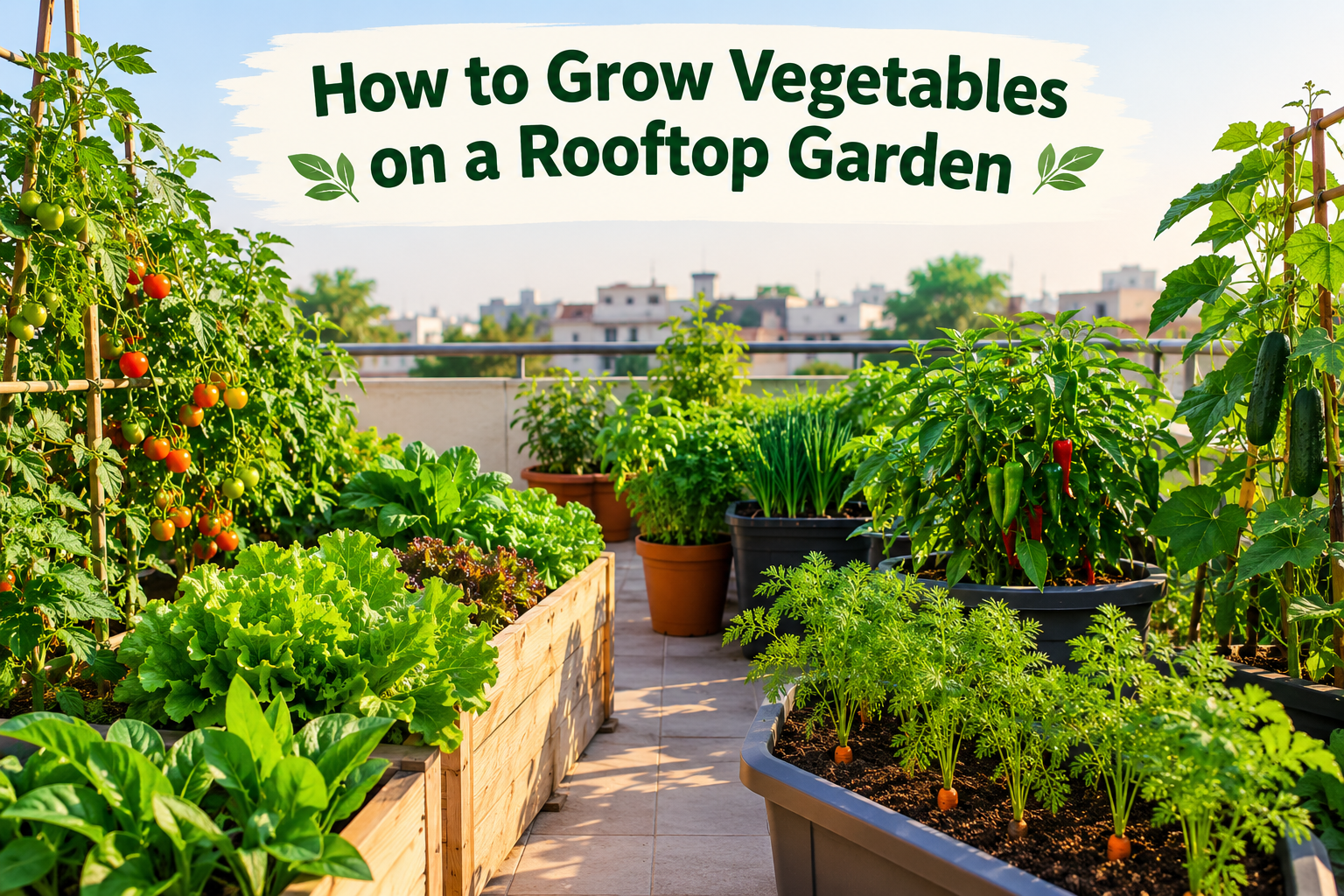
A small balcony does not have to limit your creativity. Vertical gardening can help you grow more plants without taking up much floor space.
You can use shelves, vertical planters, or suitable hanging containers. Trellises can also support climbing plants such as beans and some cucumber varieties.
However, always make sure anything attached to railings or walls is secure. You do not want containers falling or creating a safety hazard.
Arrange plants according to their height. Place taller plants where they will not unnecessarily shade smaller vegetables.
Protect Plants From Pests
Even a balcony garden can attract insects. Check your plants regularly for damaged leaves, holes, discoloration, or visible insects.
Early detection makes pest problems easier to manage. Remove badly damaged leaves when appropriate and keep the growing area clean.
Avoid immediately using strong chemical products when you notice a small number of insects. First identify the problem and consider appropriate gardening methods for that particular pest.
Good airflow, healthy plants, clean containers, and regular inspection can help reduce many common garden problems.
Harvest Vegetables at the Right Time
One of the best parts of growing vegetables on a balcony is harvesting something you have grown yourself.
Harvesting time depends on the vegetable. Leafy greens can often be harvested gradually, while vegetables such as tomatoes and peppers should be picked according to their variety and maturity.
Regular harvesting can also encourage some plants to continue producing. Instead of allowing vegetables to become overly mature, check your plants frequently.
I find that harvesting small amounts regularly makes a balcony garden feel much more productive.
Common Balcony Gardening Mistakes
There are several mistakes worth avoiding when starting a balcony vegetable garden.
The first is overcrowding. Giving every plant more space than necessary can make the garden difficult to manage and reduce airflow.
The second is choosing containers without drainage holes. This can create serious root problems.
Another common mistake is inconsistent watering. Plants need a reasonably consistent supply of moisture, especially during hot weather.
Using the wrong amount of sunlight is another issue. A plant that requires full sun will not perform well in a dark corner.
Finally, beginners sometimes try to grow too many varieties at once. Starting small gives you time to understand how your balcony conditions affect different plants.
Create a Simple Balcony Gardening Routine
A regular routine makes vegetable gardening much easier. I recommend spending a few minutes checking your plants every day or every couple of days.
Look at the soil, leaves, stems, and overall growth. Check whether plants need water and look for early signs of pests or disease.
Remove dead leaves and weeds when necessary. Rotate or reposition containers if needed.
Keeping a simple gardening notebook can also be helpful. You can write down when you planted seeds, when plants started flowering, and when you harvested your first vegetables.
Over time, this information can help you understand what grows best on your balcony.
Final Thoughts
Starting a balcony vegetable garden does not require a large space or years of gardening experience. With suitable containers, healthy soil, adequate sunlight, regular watering, and the right vegetables, even a small balcony can become a productive growing area.
My advice for beginners is to start simple. Choose a few vegetables that match your available sunlight and space rather than trying to grow everything at once. Learn how your plants respond to watering, temperature, sunlight, and feeding.
The biggest benefit is not only having fresh vegetables available. Balcony gardening can also teach patience and give you a satisfying connection with the food you grow. Once you successfully harvest your first tomatoes, peppers, lettuce, or herbs, you will probably want to expand your little garden and try something new.
With consistent care and a little experimentation, your balcony can become a green and productive part of your home.