 dolphinshave2stomachs
Related Articles
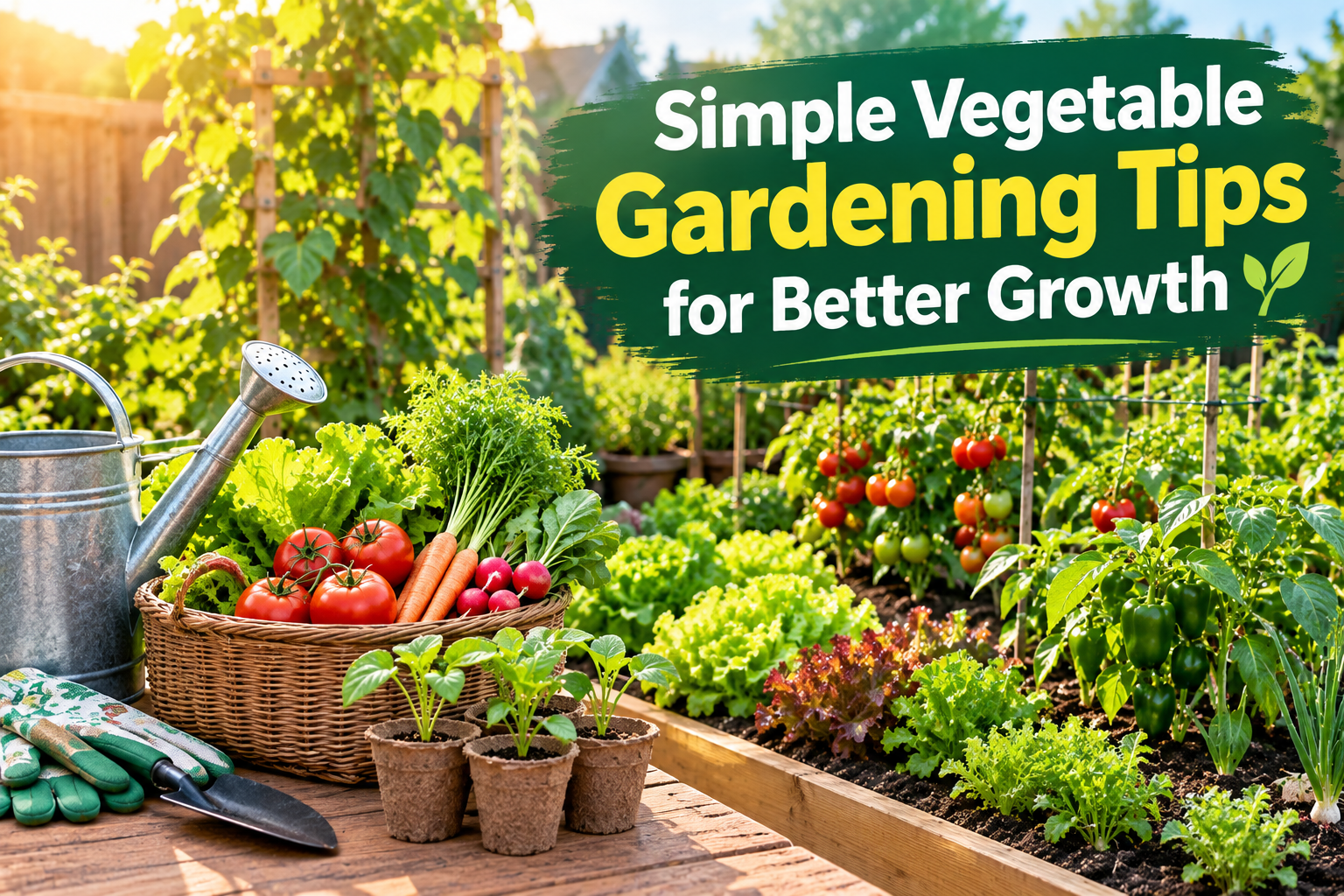
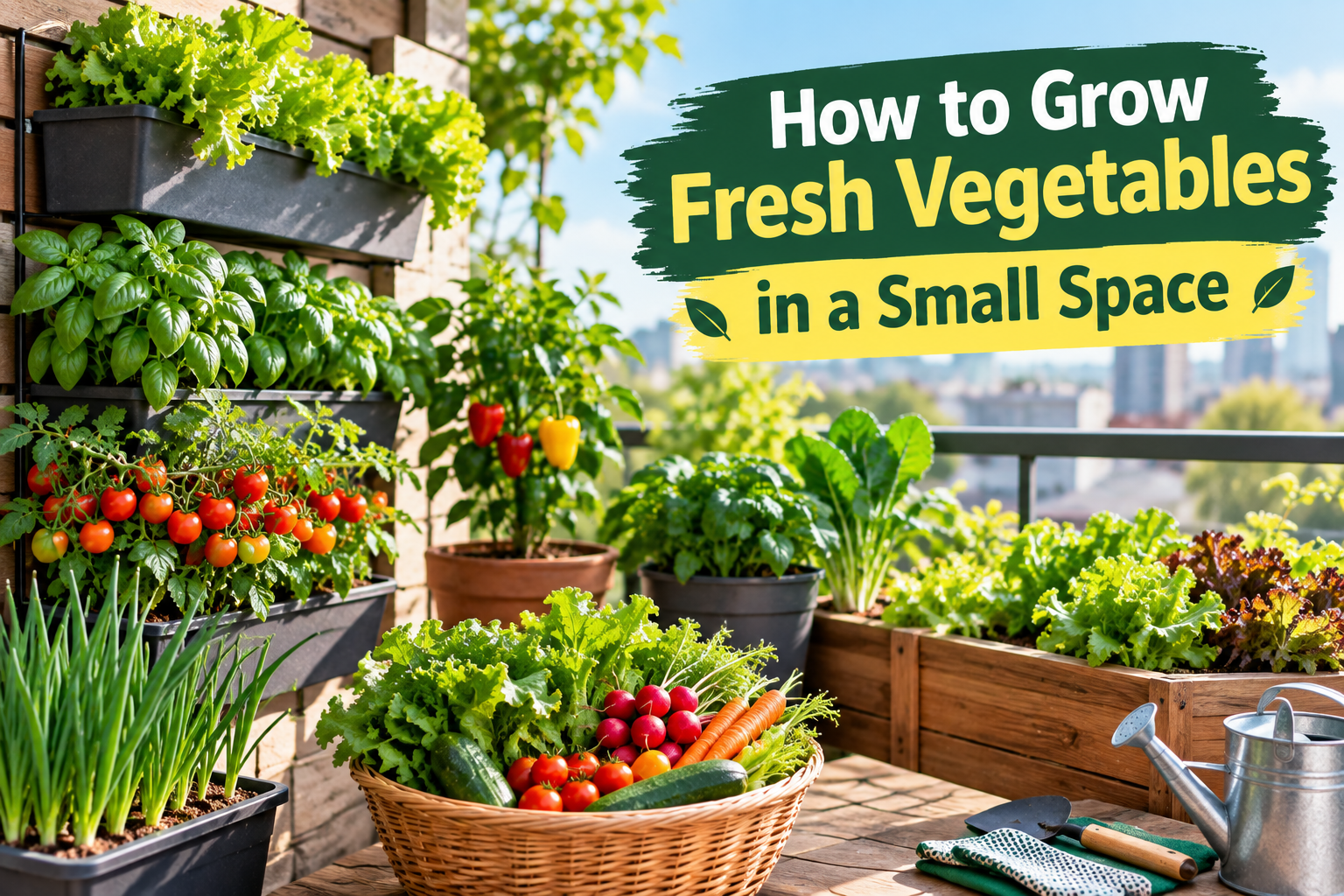
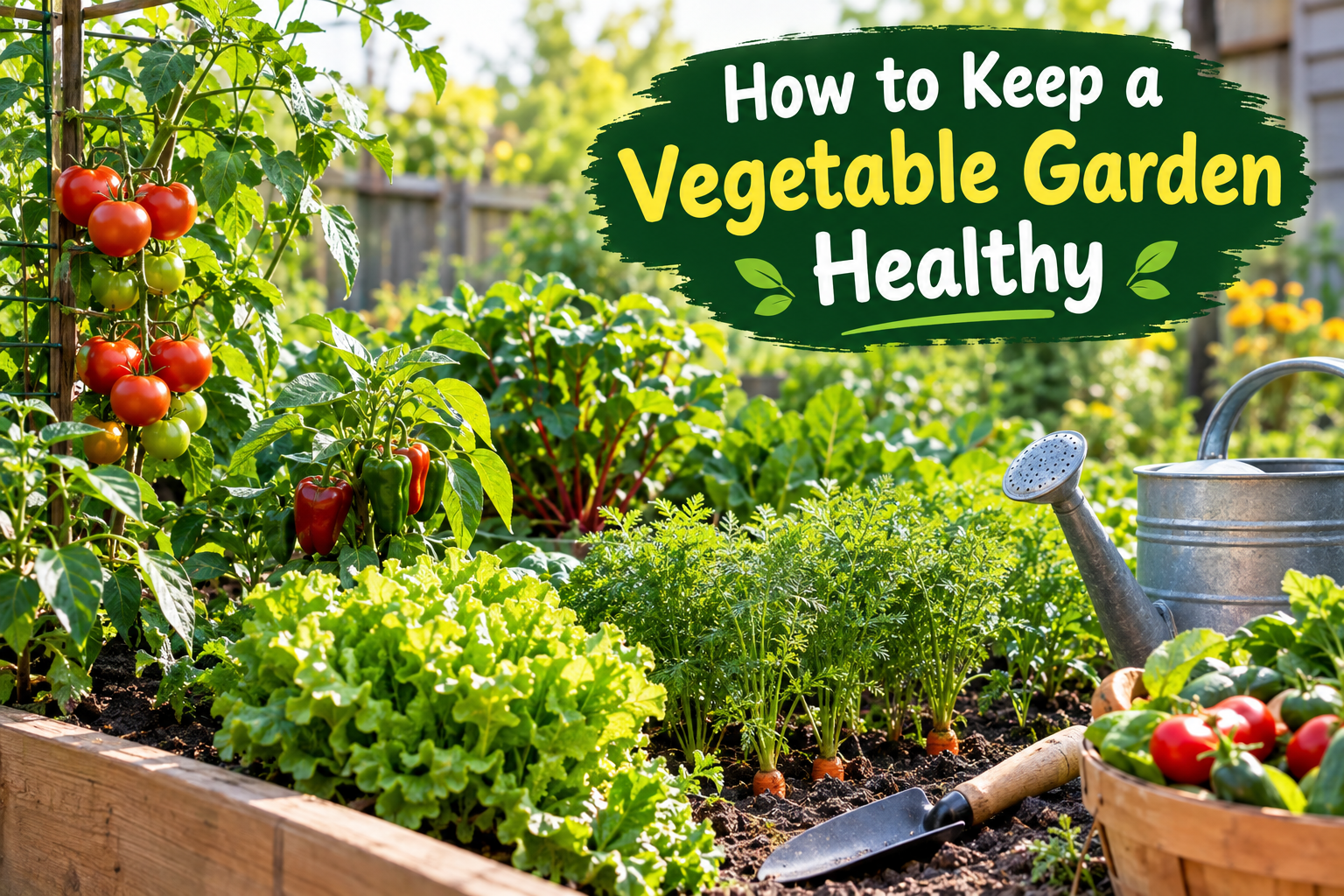
Starting a vegetable garden at home can be exciting, especially when you imagine picking fresh tomatoes, peppers, lettuce, carrots, and herbs from your own garden. However, gardening also comes with a learning curve. When I first started paying attention to vegetable gardening, I realized that many problems can be avoided simply by understanding the basic needs of plants.
Beginners often make small mistakes that can affect plant growth, vegetable production, and overall garden health. The good news is that most of these mistakes are easy to correct once you know what to look for.
In this guide, I will discuss the most common vegetable gardening mistakes beginners should avoid. These practical tips can help you create a healthier garden and make your gardening experience easier and more enjoyable.
Starting With Too Many Vegetables
One of the biggest mistakes beginners make is trying to grow everything at once. It is easy to get excited after seeing different seeds and plants at a garden center, but a large garden requires more time and attention.
I recommend starting with a few vegetables that your family actually enjoys eating. Tomatoes, lettuce, peppers, radishes, green beans, and herbs can be good choices depending on your climate and available space.
A smaller garden allows you to understand watering, sunlight, soil quality, spacing, pests, and harvesting without becoming overwhelmed.
Once you become comfortable with basic gardening tasks, you can gradually increase the size of your vegetable garden.
Choosing the Wrong Location
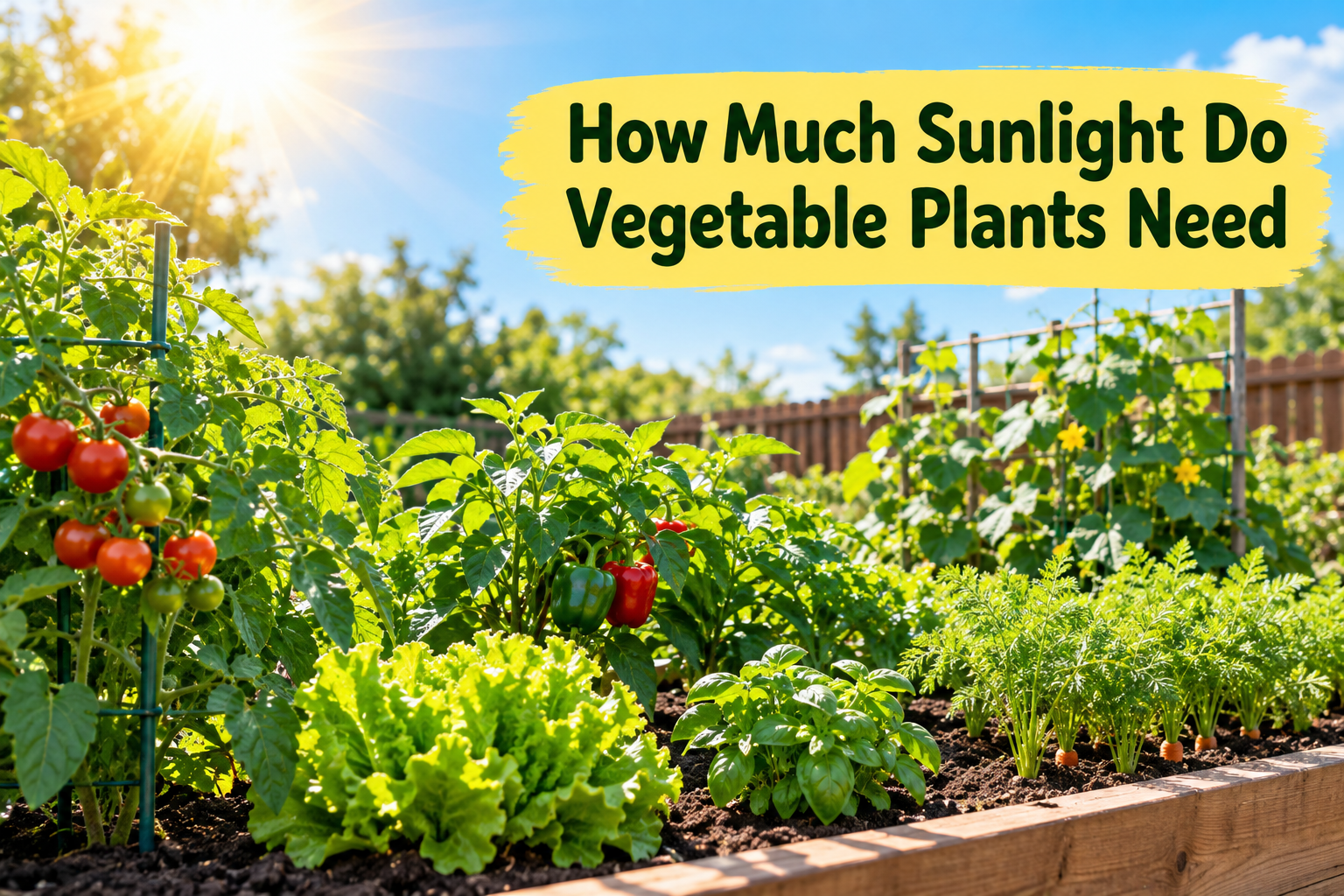
The location of your garden can have a major effect on plant growth. Many vegetables need several hours of direct sunlight every day, while some leafy crops can tolerate partial shade.
Before planting, observe your garden throughout the day. Notice which areas receive strong sunlight and which areas remain shaded.
Avoid choosing a location simply because it looks convenient. A beautiful corner of the yard may not provide enough sunlight for tomatoes or peppers.
Good drainage is also important. Avoid areas where water collects after rain unless you are growing plants that can tolerate those conditions.
Ignoring the Quality of the Soil
Healthy soil provides plants with support, nutrients, air, and moisture. Beginners sometimes focus so much on seeds and watering that they forget about the soil.
Poor soil can make it difficult for vegetables to develop strong roots. Before planting, examine your soil and improve it when necessary.
Adding mature compost or other suitable organic matter can improve soil structure. If you are using containers, choose a good quality potting mix designed for container gardening.
I believe investing some time in soil preparation is much better than trying to fix weak plant growth later.
Planting at the Wrong Time
Every vegetable has preferred growing conditions. Some vegetables perform better during cooler weather, while others need warmer temperatures.
Planting at the wrong time can result in slow growth, poor production, or plants that struggle with heat or cold.
Before planting seeds, check the recommended planting season for your area. Consider local temperatures and the length of your growing season.
This is especially important if you live in a region with very hot summers or cooler winters. The correct planting schedule can make a noticeable difference.
Overwatering Your Plants
Watering seems simple, but overwatering is one of the most common vegetable gardening mistakes.
Many beginners assume that giving plants more water will make them grow faster. In reality, constantly wet soil can create problems for roots and may contribute to root diseases.
Instead of watering according to a fixed routine, check the soil regularly. If the soil is already moist, you may not need to water.
When watering, focus on the soil around the roots. Water thoroughly when needed and allow excess water to drain properly.
Container plants may require more frequent attention because pots can dry out faster than garden beds.
Underwatering Your Garden
The opposite problem is also common. Plants need sufficient moisture to grow, especially during hot weather.
Signs of water stress can include wilting, dry soil, and slow growth. Newly planted seeds and young seedlings can be particularly sensitive to inconsistent moisture.
Try to monitor your garden regularly rather than waiting until plants look severely stressed.
A layer of suitable organic mulch can help reduce moisture loss from the soil and may also reduce weed growth.
Planting Vegetables Too Close Together
Another common mistake is overcrowding plants. Beginners sometimes think that planting more vegetables in a small space will produce a larger harvest.
However, plants need enough room for their roots and leaves. Crowded plants can compete for sunlight, water, nutrients, and air circulation.
Always check the recommended spacing on seed packets or plant labels.
Giving plants enough space may initially make your garden look less full, but it can make maintenance easier and provide better growing conditions as the plants mature.
Not Providing Enough Support
Some vegetables need physical support as they grow. Tomatoes, cucumbers, beans, and certain climbing vegetables can become difficult to manage without appropriate support.
Using stakes, cages, or trellises can keep plants upright and help prevent branches from spreading across the ground.
I recommend installing supports early rather than waiting until the plants become large and difficult to handle.
Make sure the support is strong enough for the mature plant and its fruit.
Planting Vegetables You Do Not Actually Use
Gardening takes time, so it makes sense to grow vegetables that you enjoy.
Sometimes beginners choose plants because they look interesting rather than because they will actually use the harvest.
Before buying seeds, make a short list of vegetables you regularly eat. You can then choose varieties that match your preferences.
Growing food that you enjoy can make gardening more rewarding and reduce unnecessary waste.
Ignoring Pests and Plant Problems
Pests are a normal part of gardening. You may eventually notice insects, holes in leaves, damaged stems, or other signs of plant stress.
A common beginner mistake is ignoring small problems until they become serious.
Check your plants regularly. Look at both the upper and lower surfaces of leaves and inspect the stems.
Early detection can make it easier to understand what is happening and choose an appropriate solution.
Do not immediately use a chemical treatment without identifying the problem. Different pests and plant diseases require different approaches.
Forgetting About Weeds
Weeds compete with vegetables for water, nutrients, sunlight, and growing space.
If weeds are left alone for too long, they can become difficult to remove and may spread throughout the garden.
I prefer dealing with weeds while they are still small. Regularly walking through the garden and removing unwanted plants can save a lot of effort later.
Mulching can also help reduce weed growth while protecting soil moisture.
Using Too Much Fertilizer
Fertilizer can be useful when plants need additional nutrients, but more fertilizer does not automatically mean healthier plants.
Excess fertilizer can damage plants and may create an imbalance in the soil.
Before applying fertilizer, understand what your plants actually need. Follow the instructions on the product and avoid applying more than recommended.
Good soil preparation and compost can provide valuable organic matter, while fertilizers should be used thoughtfully.
Forgetting to Rotate Crops
Growing the same vegetable in exactly the same location year after year can contribute to certain soil and pest problems.
Crop rotation means changing where particular plant families are grown from one season to another.
For a small home garden, you do not need a complicated rotation system. Even moving certain crops around your garden each season can be useful.
Keeping simple notes about where you planted different vegetables can make this easier.
Harvesting Too Late
Many beginners wait too long before harvesting because they want their vegetables to become as large as possible.
However, bigger does not always mean better. Some vegetables taste better and have a better texture when harvested at the appropriate stage.
Check your plants regularly once they begin producing. Read the information provided with your seed variety to understand when the vegetables are normally ready.
Regular harvesting can also encourage some plants to continue producing.
Not Keeping Garden Records
Keeping a simple gardening record is one of the easiest ways to improve your results.
Write down what you planted, when you planted it, how it performed, and any problems you noticed.
You can also record which varieties produced the best harvest.
After a few growing seasons, these notes can become extremely useful. You will have your own reference based on your garden rather than relying only on general gardening advice.
Giving Up After One Bad Season
Perhaps the most important mistake beginners should avoid is giving up too quickly.
Not every vegetable will grow perfectly. Weather conditions, pests, soil problems, watering mistakes, and planting times can all affect results.
If something fails, try to understand why before deciding that you cannot garden.
Maybe the plant needed more sunlight. Perhaps the soil stayed too wet. Maybe the vegetable was planted during the wrong season.
Every unsuccessful attempt can teach you something useful.
Final Thoughts
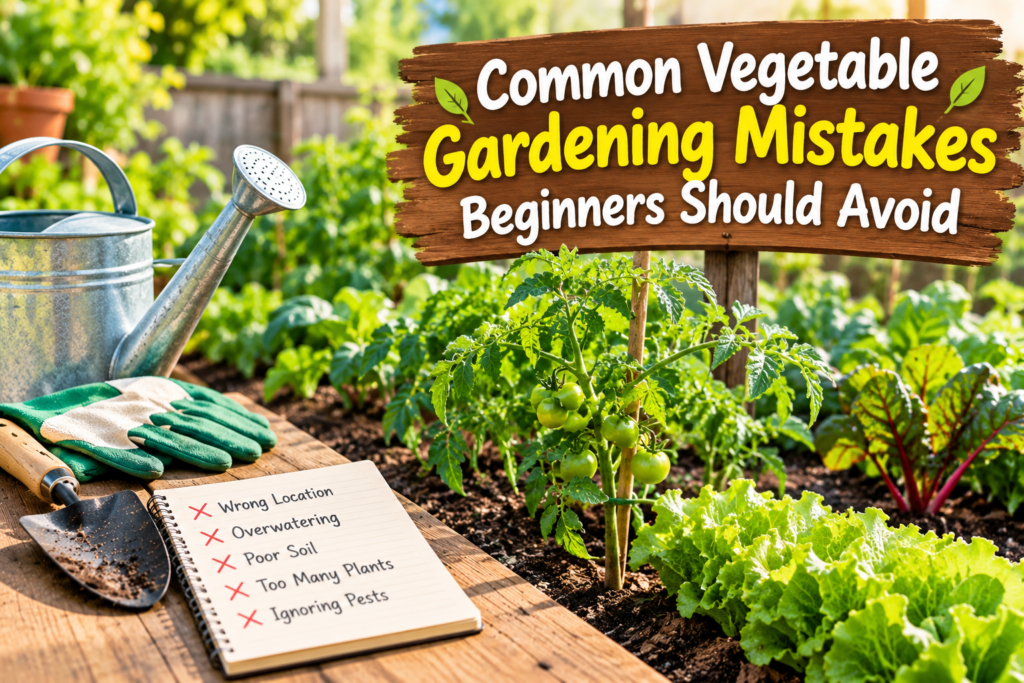
Vegetable gardening becomes much easier when you understand the basic needs of your plants and avoid common mistakes. Starting with too many vegetables, choosing a poor location, ignoring soil quality, overwatering, overcrowding plants, and forgetting about pests are all problems that beginners can prevent with a little planning.
My advice is to start small, observe your plants regularly, and learn from every growing season. You do not need to become an expert before planting your first vegetable garden.
With patience and consistent care, you can gradually develop the skills needed to grow healthy vegetables at home. The goal is not to create a perfect garden immediately. The goal is to keep learning and enjoy the process of growing your own food.