 dolphinshave2stomachs
Related Articles
Starting a vegetable garden is exciting, but choosing the right location is one of the most important decisions to make before planting anything. I have found that even good seeds and quality soil cannot always produce healthy vegetables if the garden is placed in the wrong spot. A location with poor sunlight, standing water, or difficult access can make gardening much harder than it needs to be.
The good thing is that choosing the best location for a vegetable garden does not require complicated tools. With a little observation and planning, you can find a suitable place in your backyard, side yard, balcony, or another available area. In this guide, I will explain the main things I consider when choosing a vegetable garden location so beginners can start with confidence.
Look for Plenty of Sunlight
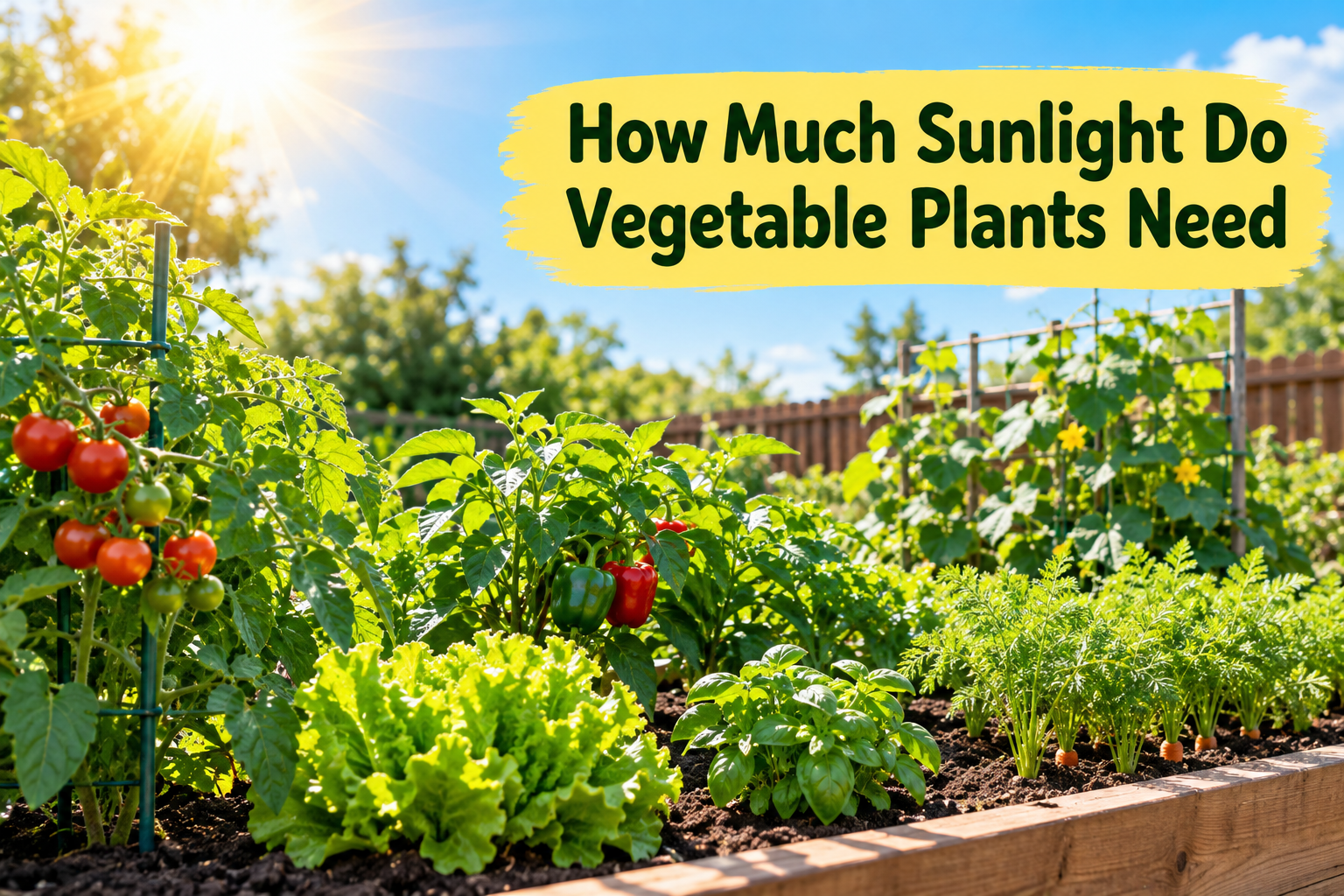
Sunlight is one of the first things I check when choosing a garden location. Most vegetables need several hours of direct sunlight each day to grow properly. Tomatoes, peppers, cucumbers, beans, and many other popular vegetables generally perform better when they receive plenty of light.
Before choosing your garden spot, observe the area throughout the day. A place that looks sunny in the morning may become shaded in the afternoon because of a house, wall, tree, or other structure.
If possible, choose a location that receives around six to eight hours of direct sunlight for vegetables that require full sun. Leafy vegetables such as lettuce and spinach can tolerate somewhat less sunlight, so your choice can also depend on what you plan to grow.
Check the Soil Quality
The soil is another major factor when choosing a vegetable garden location. Healthy soil gives plant roots the support, nutrients, air, and moisture they need.
I recommend checking the soil before creating a large garden. Look at its texture and condition. Very hard soil can make root growth difficult, while extremely sandy soil may lose water quickly. Soil that contains plenty of organic matter is generally easier to work with and can provide a better growing environment.
A soil test can also help you understand the soil pH and nutrient levels. If the existing soil is not ideal, you can often improve it by adding suitable organic matter or using raised garden beds with better soil.
Make Sure the Garden Has Good Drainage
Good drainage is extremely important for a vegetable garden. Plants need water, but their roots also need air. If water remains around the roots for long periods, some plants may struggle or develop root problems.
Avoid locations where rainwater regularly collects. Low areas of the yard may stay wet for a long time after heavy rainfall.
If your property has drainage problems, a raised bed can be a useful option. Raised beds allow you to control the growing medium and can help manage excess moisture. However, even raised beds should be placed in an area where water can drain away naturally.
Choose a Convenient Location
One of the most practical tips I can give beginners is to choose a garden location that is easy to reach. A beautiful garden at the far end of the property may sound good, but you are less likely to check it regularly if getting there is inconvenient.
Vegetable gardens need regular attention. You may need to water plants, remove weeds, check for insects, harvest vegetables, and monitor plant growth.
For this reason, I prefer placing a vegetable garden somewhere close to the house when possible. A location near a kitchen door, patio, or commonly used pathway can make daily gardening much easier.
Consider Access to Water
Water is another important consideration. Carrying heavy watering cans across a large yard can become tiring, especially during hot weather.
When choosing a garden location, consider how easily you can provide water to the plants. A location near an outdoor faucet can be convenient. If you use a hose, make sure it can comfortably reach the garden.
You should also think about how much water your selected vegetables will need. Young plants often require more regular attention, especially during hot or dry periods.
Good water access does not mean the garden should be placed where water constantly collects. The goal is convenient watering combined with good drainage.
Avoid Areas With Too Much Shade
Shade can be helpful for certain plants, but too much shade can limit vegetable production. Buildings, large trees, fences, and other structures can block sunlight during different parts of the day.
When evaluating your garden location, pay attention to seasonal changes as well. A tree may have fewer leaves during one season and create much more shade during another.
If your garden receives only a few hours of direct sunlight, consider growing vegetables that tolerate partial shade. If you want to grow sun loving crops such as tomatoes and peppers, choose the brightest suitable area available.
Keep Distance From Large Trees
Large trees can create several challenges for a vegetable garden. Their branches can block sunlight, while their roots may compete with vegetables for water and nutrients.
Falling leaves can also cover garden beds, although leaves can be useful as compost material when managed properly.
I generally prefer keeping vegetable beds away from large trees whenever possible. A little distance can provide better sunlight and reduce competition from tree roots.
Think About Wind Protection
Wind is an often overlooked factor when choosing a garden location. Strong winds can damage young plants, break stems, dry out soil, and make watering more difficult.
If your property is exposed to strong winds, look for a location that has some natural protection. A fence, wall, hedge, or other suitable structure can reduce the impact of wind.
However, avoid completely blocking airflow. Good air movement can help plants stay healthier. The goal is to protect the garden from harsh winds while still allowing reasonable ventilation.
Consider the Size of Your Garden
You do not need a huge space to grow vegetables. In fact, beginners often benefit from starting with a smaller garden.
Before choosing a location, decide what vegetables you want to grow and estimate how much space they require. Tomatoes, cucumbers, pumpkins, and similar plants can take more room than you might expect.
A small garden can be easier to maintain and can still provide fresh herbs, leafy greens, peppers, tomatoes, and other vegetables.
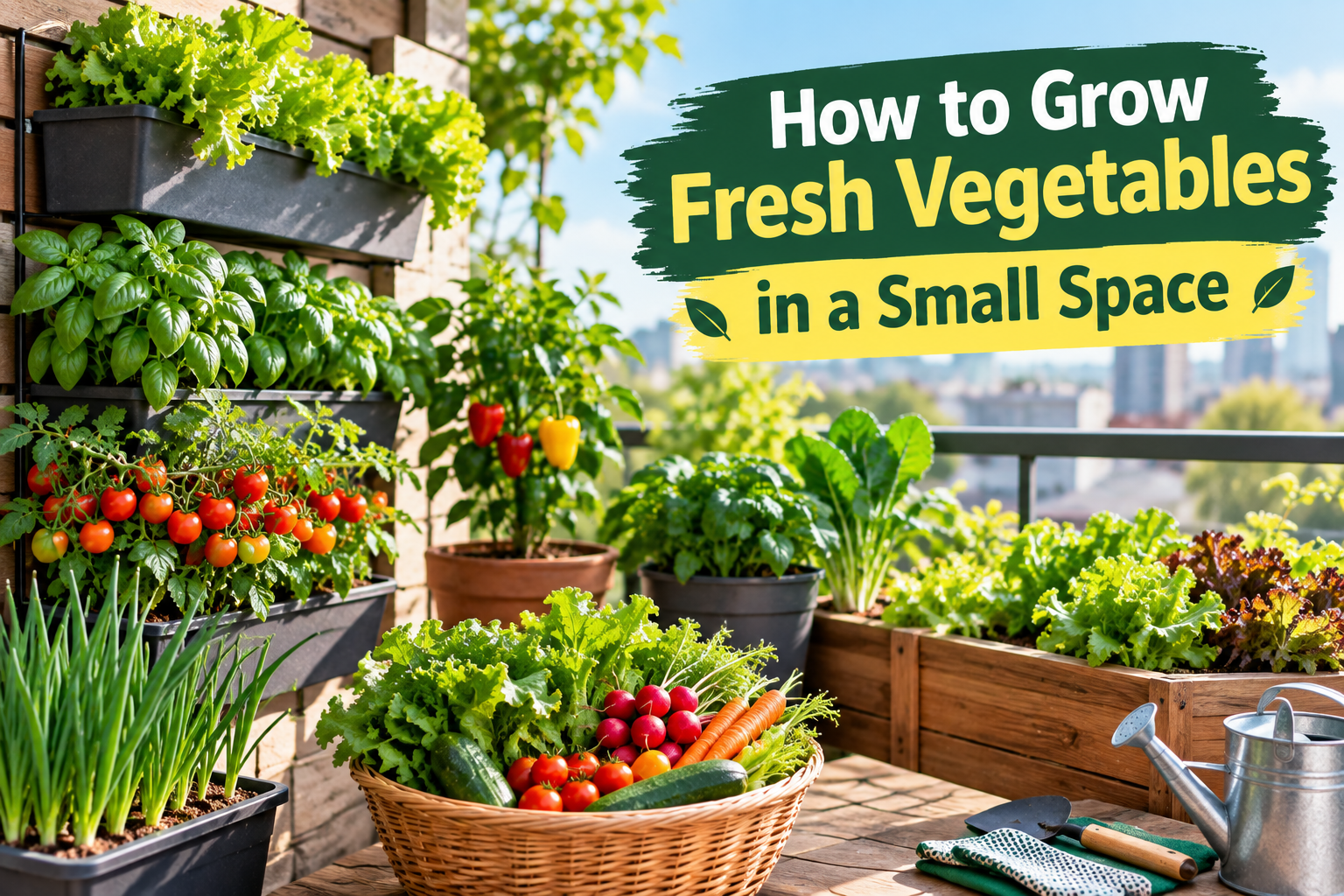
If you have limited space, consider containers or raised beds. These options allow you to grow vegetables in areas where traditional garden beds may not be practical.
Keep the Garden Away From Possible Contaminants
Think carefully about what has previously been used in the area. Avoid locations where soil may have been exposed to harmful chemicals, waste, or other contaminants.
You should also be careful around areas where runoff from roads, driveways, or treated surfaces could enter the garden.
If you are unsure about the history of the soil, a soil test can provide useful information. For new gardeners, using clean soil in raised beds or containers can also provide more control over the growing environment.
Consider Nearby Structures
Houses, sheds, walls, fences, and other structures can affect your garden in several ways. They can provide shade, protect plants from wind, or create areas that become very hot.
Observe how the sun moves around these structures during the day. A garden next to a wall may receive plenty of morning sunlight but become shaded later.
Do not simply choose a location because it looks sunny at one particular time. Spend a day observing the area if possible. This simple step can prevent many problems later.
Think About Future Growth
When planning a vegetable garden, think beyond the first few weeks. Some plants grow much larger than they appear when they are young.
Give vegetables enough space for their mature size. Consider where you will place supports for climbing plants such as cucumbers, peas, and beans.
Planning for future growth also makes harvesting easier. You should be able to reach the plants without stepping on the soil or damaging neighboring vegetables.
Check Your Local Climate
Your local climate should also influence your garden location. Temperature, rainfall, humidity, wind, and seasonal changes can all affect vegetable growth.
In warmer climates, afternoon shade may sometimes be helpful for certain vegetables, particularly during periods of intense heat. In cooler climates, maximizing sunlight can be more important.
Think about the vegetables you want to grow and their preferred growing conditions. The best garden location is not simply the sunniest place. It is the location that matches your plants and local conditions.
Make the Garden Easy to Maintain
I believe a good vegetable garden location should make gardening enjoyable rather than stressful. Leave enough space around beds for walking, watering, harvesting, and maintenance.
If you plan to use a wheelbarrow, compost bin, garden tools, or other equipment, make sure there is enough access.
You should also consider where weeds, plant debris, and harvested vegetables will go. A little planning at the beginning can make routine gardening tasks much easier.
Test the Location Before Planting
If you are still unsure about the best location for your vegetable garden, observe it for several days.
Watch how much sunlight reaches the area in the morning, afternoon, and evening. Notice where rainwater collects. Check whether the soil stays wet or dries quickly. Look at wind conditions and consider how easy it will be to reach the garden with water and tools.
This simple observation period can give you valuable information without spending much money.
Common Mistakes to Avoid
One common mistake beginners make is choosing a location based only on appearance. A spot may look attractive but may not receive enough sunlight.
Another mistake is placing the garden too far from the house. When the garden is difficult to access, regular maintenance can become a chore.
Poor drainage is another problem worth avoiding. Vegetable plants need consistent moisture, but constantly wet soil can cause problems.
I would also avoid creating a garden that is larger than you can comfortably maintain. Starting small gives you an opportunity to learn what works in your particular space.
Final Thoughts
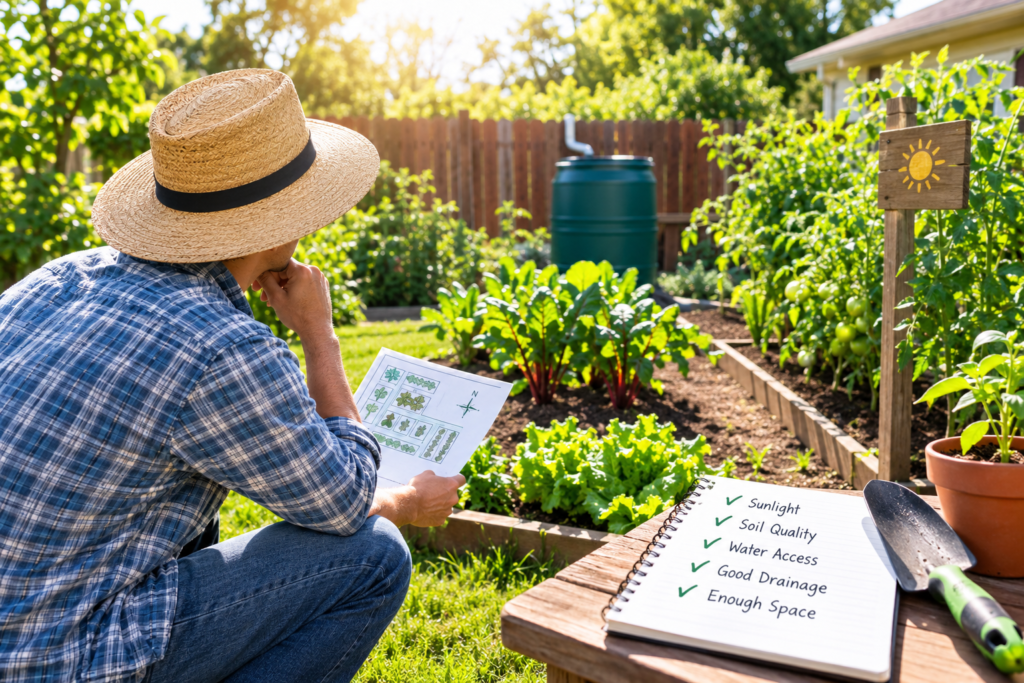
Choosing the best location for a vegetable garden is about finding the right balance between sunlight, soil, drainage, water access, convenience, protection, and available space. You do not need a perfect backyard to grow vegetables. You simply need to understand the conditions in the space you have and choose plants that can grow well there.
In my view, sunlight and drainage should be among the first things you check. After that, consider soil quality, water access, convenience, wind protection, and the mature size of your plants.
Taking a little time to choose your garden location before planting can save you a lot of work later. Once you find a suitable spot, you can prepare the soil, plan your garden beds, select vegetables, and begin growing fresh food at home. A well chosen location gives your vegetable garden a strong foundation and makes the entire gardening experience more enjoyable.