 dolphinshave2stomachs
Related Articles
Watering vegetable plants may seem like one of the easiest gardening tasks, but the way you water can make a big difference in plant health, growth, and harvest. I have found that many vegetable gardening problems are connected to either too much water or too little water. Healthy plants need a steady supply of moisture, but they also need oxygen around their roots.
Learning how to water vegetable plants correctly does not require complicated equipment. You mainly need to understand when plants need water, how much water they need, and where to apply it. Once you develop a simple watering routine, your vegetable garden can become much easier to manage.
Water the Soil Instead of the Leaves
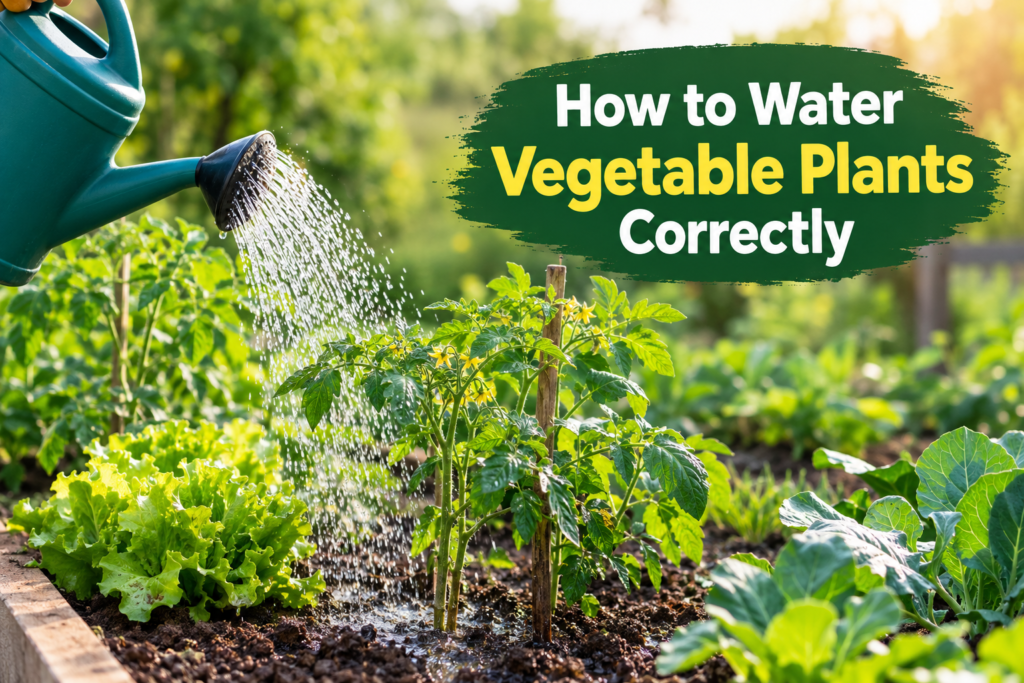
One of the most important vegetable watering tips is to apply water directly to the soil around the roots. The roots are the part of the plant that absorb water, so there is little benefit in constantly spraying the leaves.
When water stays on leaves for long periods, especially in warm and humid conditions, it can create an environment where some fungal problems become more likely. Wet foliage can also dry slowly when plants are crowded together.
I prefer watering near the base of each plant and allowing the water to soak into the soil. This method puts moisture where the plant actually needs it and keeps the leaves relatively dry.
Water Deeply and Less Frequently
A common mistake beginners make is giving vegetable plants a small amount of water every day. The surface of the soil may look wet, but the deeper root zone can remain dry.
Deep watering encourages moisture to reach further into the soil. Depending on the vegetable, soil type, weather, and stage of growth, the exact amount will vary. The goal is to moisten the root zone without leaving the soil constantly saturated.
Instead of watering based only on the calendar, I recommend checking the soil first. Push your finger into the soil a couple of inches. If the soil feels dry at that depth, it may be time to water. If it still feels comfortably moist, you may be able to wait.
Check the Soil Before Watering
The soil itself is one of the best indicators of when to water vegetable plants. Weather conditions can change quickly, so a fixed watering schedule does not always work.
Hot sunny weather can dry soil quickly, while cloudy or rainy conditions can keep it moist for longer. Sandy soil usually drains faster than heavier soil, while soil rich in organic matter can hold moisture for longer.
Before watering, I like to look at the soil around the plants and check its moisture with my finger. This simple habit can prevent unnecessary watering.
Water Vegetable Plants in the Morning
Morning is generally a good time to water a vegetable garden. Plants have access to moisture during the warmer part of the day, and foliage that accidentally becomes wet has more time to dry.
Morning watering can also be easier on the gardener because temperatures are usually more comfortable than during the afternoon.
If morning watering is not possible, watering later in the day can still work. The important thing is to water the root zone properly and avoid creating constantly wet foliage.
Avoid Overwatering Vegetable Plants
More water does not always mean healthier plants. Overwatering can cause problems because plant roots need both water and air. When soil remains saturated for long periods, the spaces that normally contain air can become filled with water.
Signs of overwatering may include yellowing leaves, weak growth, wilting despite wet soil, or soil that stays soggy for an extended period.
If you notice these signs, do not immediately add more water. Check the soil first. Sometimes a wilted plant is suffering from excessive moisture rather than drought.
Good drainage is also important. Containers should have drainage holes, and garden beds should not remain waterlogged after normal watering or rainfall.
Avoid Underwatering Vegetable Plants
Underwatering can be just as damaging. When vegetable plants do not receive enough moisture, their leaves may wilt, growth can slow down, and young plants can struggle to establish strong roots.
During very hot weather, plants may need more frequent watering because moisture is lost quickly through evaporation and plant activity.
Newly planted seedlings are particularly sensitive to drying out. Their root systems are still developing, so I pay closer attention to soil moisture during the early growth stage.
Give Extra Attention to Young Plants
Young vegetable seedlings usually need more careful watering than established plants. Their roots have not yet spread through a large area of soil.
When watering seedlings, use a gentle stream or a watering can with a fine rose. Strong water pressure can disturb the soil, expose roots, or damage delicate stems.
As plants grow, their root systems become larger. At that point, watering can usually be focused over a wider area around the plant rather than directly against the stem.
Adjust Watering for Different Vegetables
Not every vegetable has exactly the same watering needs. Leafy vegetables such as lettuce can become stressed when the soil dries out too much. Root vegetables need consistent moisture for steady development, while fruiting plants such as tomatoes, peppers, cucumbers, and squash also benefit from consistent soil moisture.
The growth stage matters too. Plants may need different amounts of water when they are seedlings compared with when they are producing flowers or vegetables.
Instead of treating the entire garden exactly the same, I find it better to group plants with similar needs together. This makes watering easier and helps avoid giving too much or too little water to individual crops.
Water Container Vegetables More Often
Vegetables growing in containers can dry out faster than plants growing directly in garden soil. A container has a limited amount of soil, and its sides are exposed to air and sunlight.
Check container plants regularly, especially during hot weather. Make sure excess water can escape through the drainage holes.
At the same time, do not keep pouring water into a container simply because the surface looks dry. Check deeper into the pot when possible. The top layer can dry faster than the soil underneath.
Use Mulch to Hold Soil Moisture
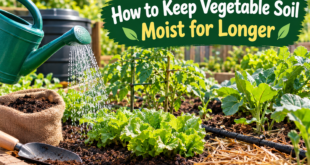
Mulching is one of my favorite ways to make vegetable garden watering easier. A suitable layer of organic mulch can help slow moisture loss from the soil surface.
Materials such as straw, shredded leaves, or other appropriate organic matter can be used around vegetables. Keep mulch slightly away from plant stems to improve airflow and reduce the chance of stem related problems.
Mulch also helps moderate soil temperature and can reduce the amount of time you need to spend watering.
Use a Soaker Hose or Drip System
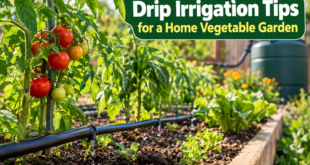
For larger vegetable gardens, hand watering may become time consuming. A soaker hose or drip irrigation system can deliver water close to the root zone.
These systems can be especially useful when you want to reduce water waste and keep foliage dry. They also make it easier to maintain consistent soil moisture.
Even with an irrigation system, I would still check the soil occasionally. Equipment does not automatically know whether your garden has received enough water. Rain, temperature, soil type, and plant growth can all change watering requirements.
Pay Attention to Weather Conditions
Weather should always influence your watering routine. A vegetable garden may need additional attention during hot, dry, and windy periods.
After significant rainfall, you may not need to water at all. Adding more water to already saturated soil can create unnecessary problems.
I recommend checking the garden rather than automatically following a daily schedule. A flexible routine based on actual soil conditions is usually more useful than watering simply because it is a particular day of the week.
Water Slowly
When soil is very dry, pouring a large amount of water quickly can cause runoff. Instead, water slowly and give the soil time to absorb the moisture.
If water begins running away from the planting area, pause for a moment and then continue. This gives the water a better chance to move into the root zone.
Slow watering is particularly useful on slopes, compacted soil, and areas where the surface becomes hard and resistant to water.
Watch Your Plants for Warning Signs
Vegetable plants can give you clues about their watering needs. Wilting leaves, dry soil, slow growth, and crispy leaf edges may indicate that plants are experiencing water stress.
However, wilting does not always mean the plant needs water. Some plants temporarily wilt during intense heat and recover later. Other problems, including root damage and disease, can also cause wilting.
That is why I always check the soil before watering. Looking at the plant and checking the soil together gives you a better idea of what is actually happening.
Create a Simple Watering Routine
A good watering routine does not need to be complicated. Start by checking your vegetable garden regularly. Feel the soil, look at the plants, consider recent rainfall, and pay attention to the weather.
Water when the root zone needs moisture rather than simply watering because your usual schedule says it is time.
I also recommend checking plants individually when possible. A large tomato plant may have very different needs from a small lettuce plant growing nearby.
Final Thoughts
Learning how to water vegetable plants correctly is one of the most useful skills for a successful vegetable garden. The basic idea is simple: provide enough moisture for healthy roots while avoiding soil that stays excessively wet.
Water the soil rather than constantly wetting the leaves, check soil moisture before watering, water deeply when appropriate, and adjust your routine according to weather and plant growth. Young seedlings, container vegetables, and plants growing during hot weather may require extra attention.
With a little observation, watering becomes much easier. Instead of guessing, you can learn to read your soil and plants and respond to what your garden actually needs. Consistent and thoughtful watering can support stronger plants, healthier roots, and a more productive vegetable harvest.