 dolphinshave2stomachs
Related Articles
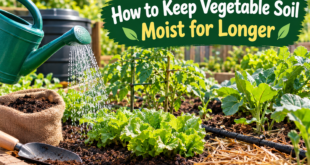
Growing vegetables can be very rewarding, but extreme heat can quickly turn a healthy garden into a stressful place for plants. I have found that hot weather affects vegetables in several ways. The soil dries faster, leaves lose moisture, flowers may drop, and fruits can stop developing properly. Some vegetables can even suffer from sunscald when exposed to intense sunlight for too many hours.
The good news is that you do not need complicated equipment to protect vegetable plants from extreme heat. With proper watering, shade, mulching, soil care, and a little planning, you can help your vegetable garden stay productive during very hot weather.
In this article, I will share the practical methods I would use to protect vegetable plants from extreme heat and reduce heat stress in the garden.
Understand How Extreme Heat Affects Vegetable Plants
Before protecting your plants, it helps to understand what happens during very hot weather. Vegetable plants constantly lose water through their leaves. When the temperature becomes extremely high, this water loss increases significantly.
If the roots cannot replace the lost moisture quickly enough, plants may begin to wilt. Leaves can become dry around the edges, flowers may fall before producing vegetables, and young fruits may stop growing.
Some vegetables are particularly sensitive to heat. Lettuce, spinach, peas, radishes, and other cool season crops can struggle when temperatures remain high. Tomatoes, peppers, cucumbers, eggplants, and beans generally tolerate warmth better, but extreme temperatures can still affect their growth and fruit production.
For me, the most important step is noticing heat stress early instead of waiting until plants look badly damaged.
Water Vegetable Plants Deeply
Proper watering is one of the most important ways to protect vegetable plants from extreme heat. During hot weather, plants usually need more water because moisture evaporates quickly from the soil.
Instead of giving plants a very small amount of water every day, I prefer deep watering when the soil needs it. Deep watering encourages moisture to move down into the root zone, where plants can access it for a longer period.
Water slowly around the base of each plant so that the soil has time to absorb the moisture. Avoid wasting water on leaves when possible, especially during the hottest part of the day.
I also check the soil before watering. The surface can look dry while the soil underneath is still moist. Pushing a finger into the soil can give you a simple idea of whether your plants actually need water.
Water Early in the Morning
The timing of watering can make a noticeable difference during extreme heat. I recommend watering vegetable plants early in the morning whenever possible.
Morning watering gives plants access to moisture before the hottest part of the day arrives. It also allows excess water on the foliage to dry naturally.
Watering during the hottest afternoon hours can result in faster evaporation, meaning less water may reach the roots. Evening watering can also work, but constantly wet foliage overnight may increase the risk of certain fungal problems.
A consistent morning watering routine can therefore help maintain more stable moisture levels in the garden.
Use Mulch Around Vegetable Plants
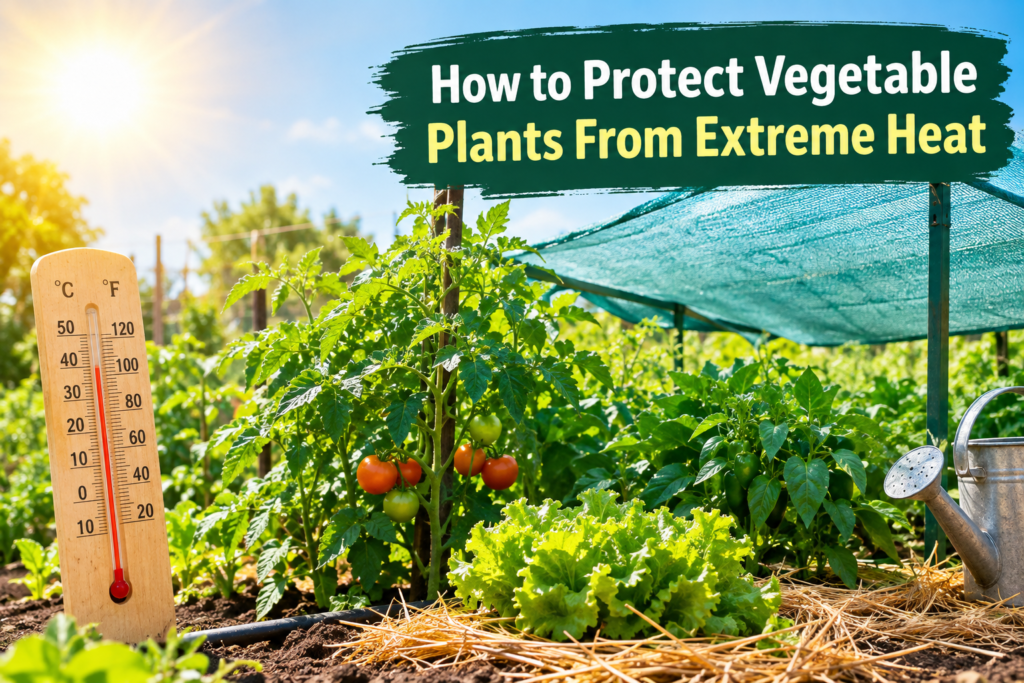
Mulching is one of my favorite ways to protect vegetable plants from extreme heat. A layer of organic mulch helps keep the soil cooler and slows down moisture loss.
You can use materials such as straw, dried leaves, compost, or other suitable organic materials. Spread the mulch around the plants while leaving some space around the main stem.
Mulch provides several benefits at the same time. It reduces evaporation, protects the soil from direct sunlight, helps maintain more consistent soil moisture, and can gradually add organic matter as it breaks down.
During a hot summer, I find that mulched soil generally stays in better condition than bare soil that receives direct sunlight throughout the day.
Provide Temporary Shade
Extreme sunlight can be especially damaging during the hottest hours of the day. Providing temporary shade is another effective method for protecting vegetable plants from heat.
Shade cloth can be placed above plants using simple supports. The goal is not necessarily to keep the garden completely dark. Instead, partial shade during the strongest afternoon sunlight can reduce heat stress.
This is particularly helpful for lettuce, leafy greens, young seedlings, and other vegetables that do not handle intense heat well.
You can also use naturally positioned structures to provide afternoon shade. However, make sure the plants still receive enough sunlight for healthy growth.
Protect Young Seedlings
Young vegetable seedlings are more vulnerable to extreme heat than established plants. Their root systems are smaller, and they can lose moisture very quickly.
When temperatures become unusually high, I pay extra attention to newly planted seedlings. I make sure the soil stays reasonably moist and provide temporary shade when necessary.
It is also better to transplant seedlings during cooler weather when possible. Planting in the early morning or late afternoon gives young plants time to adjust before facing intense sunlight.
A few days of careful attention after transplanting can make a big difference in how successfully seedlings establish themselves.
Improve the Soil With Organic Matter
Healthy soil can help vegetable plants handle hot weather better. Soil rich in organic matter generally has a better ability to hold moisture while still providing suitable conditions for roots.
Adding compost or well decomposed organic material can improve soil structure over time. I prefer improving the soil before the hottest part of the growing season rather than trying to correct poor soil conditions during a heatwave.
Good soil also encourages healthy root development. Strong root systems can help plants access moisture deeper in the soil.
This is one reason I consider soil preparation just as important as watering when preparing a vegetable garden for extreme heat.
Avoid Heavy Pruning During Extreme Heat
Pruning can sometimes be useful for vegetable plants, but extreme heat is not always the best time for major pruning.
Leaves provide shade for stems and developing fruits. Removing too many leaves during a heatwave can expose vegetables to intense sunlight and increase the chance of sunscald.
Tomatoes and peppers, for example, may develop damaged areas when fruits are suddenly exposed to strong sunlight.
During periods of extreme heat, I prefer to avoid unnecessary pruning and focus on keeping the plants hydrated and protected.
Harvest Vegetables Regularly
Regular harvesting can also help plants during stressful weather. When vegetables are ready to pick, removing them allows the plant to focus its energy on continued growth and production.
I try not to leave mature vegetables on plants longer than necessary, particularly when the weather is extremely hot.
Harvesting in the morning is also a good habit because vegetables are often cooler and fresher at that time.
Choose Heat Tolerant Vegetable Varieties
If extreme heat is common in your area, choosing suitable vegetable varieties can make gardening easier. Some varieties are better adapted to warm conditions than others.
When buying seeds, I look for descriptions that mention heat tolerance, drought tolerance, or suitability for warm climates.
Local gardening centers and experienced gardeners can also provide useful information about varieties that perform well in your region.
Choosing vegetables that match your climate can reduce the amount of protection they need during hot weather.
Keep Weeds Under Control
Weeds compete with vegetable plants for water, nutrients, and space. During extreme heat, this competition becomes even more important because available moisture can disappear quickly.
I try to remove weeds before they become large and well established. Mulching can also reduce the number of weeds that appear around vegetables.
Keeping the area around plants reasonably clean allows more of the available water to reach the crops you actually want to grow.
Avoid Fertilizing During Severe Heat
It can be tempting to add fertilizer when plants appear weak during hot weather, but extreme heat can already place significant stress on their roots.
I prefer to avoid unnecessary fertilizing during severe heat and concentrate first on water, shade, and soil moisture.
Once temperatures become more manageable and plants begin actively growing again, normal feeding can be resumed according to the needs of the particular vegetable.
Protect Fruits From Direct Sunlight
Developing fruits can sometimes suffer from direct exposure to intense sunlight. Tomatoes, peppers, cucumbers, and other crops may develop pale or damaged areas when exposed to extreme conditions.
Maintaining healthy foliage is one simple way to provide natural protection. Shade cloth can also be useful if the sunlight is unusually intense.
The goal is to reduce excessive exposure while still allowing enough sunlight for normal plant growth.
Check Your Garden Every Day
During an extreme heat period, I believe daily observation is one of the easiest things a gardener can do. A quick morning inspection can reveal problems before they become serious.
Look for wilting leaves, dry soil, curled foliage, damaged fruits, and young plants that appear stressed.
If a plant looks wilted, check the soil before assuming it needs more water. Sometimes plants wilt temporarily during very hot conditions even when the soil still contains moisture.
Regular observation helps you understand how your particular garden responds to heat and allows you to adjust your routine when necessary.
Final Thoughts
Protecting vegetable plants from extreme heat does not have to be complicated. The main goal is to reduce heat stress while keeping the roots supplied with adequate moisture.
Deep and timely watering, organic mulch, temporary shade, healthy soil, careful pruning, and suitable vegetable varieties can all help your garden cope with very hot weather.
From my point of view, prevention is much easier than trying to revive severely damaged plants. If I know a heatwave is coming, I prepare the garden beforehand by checking the soil, adding mulch, making sure watering equipment is ready, and protecting the most sensitive vegetables.
With a little preparation and regular observation, you can keep your vegetable plants healthier and give them a better chance of producing a good harvest even when temperatures become extremely high.