 dolphinshave2stomachs
Related Articles
Growing vegetables at home becomes much easier when plants receive the right amount of water at the right time. In my experience, watering is one of those gardening tasks that looks simple but can make a big difference in plant growth. Too little water can leave plants weak and stressed, while too much water can create problems with roots and soil.
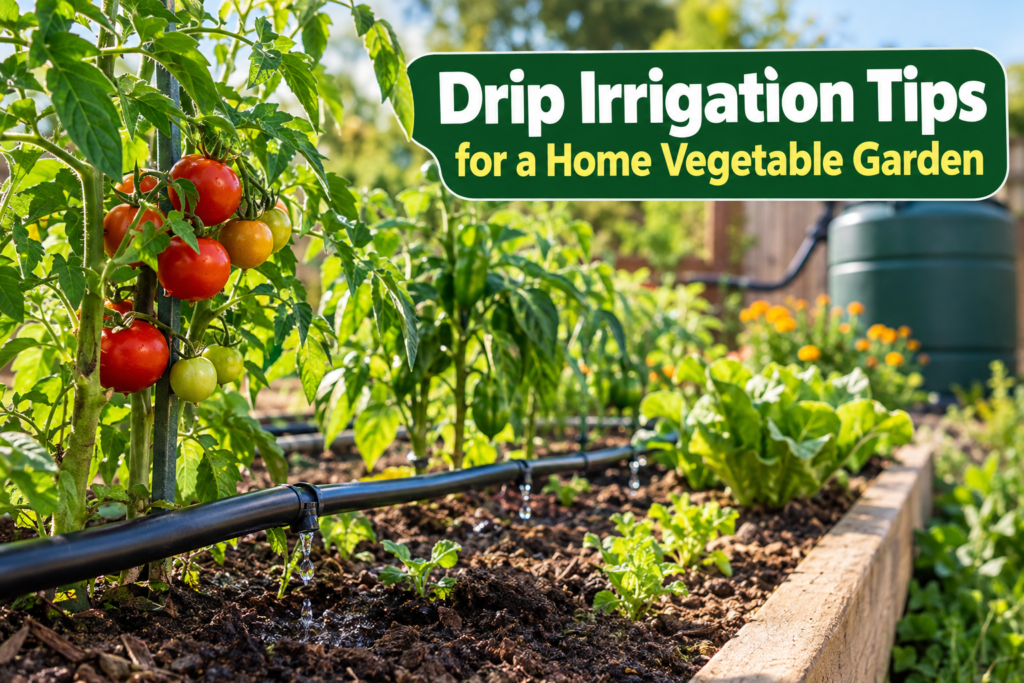
This is where drip irrigation for a home vegetable garden can be very useful. Instead of spreading water over the entire garden, drip irrigation delivers water slowly and directly to the soil around the plants. It can help reduce water waste, keep the soil more evenly moist, and make regular garden care easier.
If you are thinking about installing a drip irrigation system or already have one, these practical tips can help you use it more effectively.
What Is Drip Irrigation?
Drip irrigation is a watering method that uses tubes, pipes, emitters, and connectors to deliver water directly to the soil near plant roots. Water comes out slowly through small openings instead of spraying across the whole garden.
For a home vegetable garden, this system can be especially helpful for plants such as tomatoes, peppers, cucumbers, eggplants, beans, and many other vegetables.
One thing I like about drip irrigation is that it puts water where it is needed. You do not have to wet every part of the garden just to provide moisture to a few plants.
Choose the Right Drip Irrigation System
Before installing anything, consider the size and layout of your vegetable garden. A small raised bed may only need a simple drip line, while a larger garden may require several irrigation zones.
Drip tubing with built in emitters is a convenient option for many home gardeners. You can place the tubing along rows of vegetables and position the emitters close to the plants.
For individual plants, adjustable emitters can also be useful because you can control the amount of water delivered to each area.
The most important thing is to choose a system that matches your garden rather than buying the most complicated setup available.
Place Drip Lines Close to Plant Roots
Correct placement is one of the most important drip irrigation tips for vegetable gardens.
The water should reach the soil around the plant’s root zone. Place the drip line close enough to the plants that moisture can spread toward the roots.
However, avoid placing the emitter directly against the stem. Constantly wet soil around the base of a plant can sometimes contribute to disease problems.
As plants grow, check whether the irrigation line is still positioned properly. A small adjustment can make a noticeable difference.
Water Slowly and Deeply
One of the main benefits of drip irrigation is slow watering. Instead of giving plants a large amount of water all at once, the system can provide moisture gradually.
The goal is to moisten the root zone rather than simply wetting the surface of the soil.
Deep watering encourages roots to use moisture farther down in the soil. This can help plants develop stronger root systems and handle short periods of dry weather better.
The exact watering time depends on your soil, climate, plant size, and irrigation system. Rather than following one fixed schedule, check the soil regularly and adjust your system based on actual conditions.
Check Soil Moisture Regularly
A drip irrigation system does not mean you can forget about your garden.
I recommend checking the soil with your finger before changing the watering schedule. Push your finger into the soil a few inches away from the plant. If the soil feels reasonably moist below the surface, additional watering may not be necessary.
If the soil is dry deeper down, your plants may need more water.
This simple habit can prevent both overwatering and underwatering. Weather conditions can change quickly, so the same irrigation schedule may not work throughout the entire growing season.
Avoid Overwatering Vegetable Plants
More water does not always mean better plant growth. Overwatering can leave the soil constantly wet and may reduce the amount of air available around plant roots.
Some vegetables prefer consistently moist soil, but that does not mean the soil should remain waterlogged.
Watch your plants for signs of watering problems. Wilting can indicate insufficient moisture, but it can also occur when roots are damaged by excessive moisture. Yellowing leaves, slow growth, and constantly wet soil can also suggest that your watering routine needs adjustment.
Good drainage is just as important as good irrigation.
Use a Filter With Your System
If your water contains particles or sediment, a filter can help protect the drip irrigation system.
Small emitters can become clogged over time. Once an emitter becomes blocked, the plant nearby may receive much less water than expected.
Installing a suitable filter and checking it periodically can help keep water flowing properly.
This is especially important if you are using stored water or another water source that may contain small particles.
Check for Clogged Emitters
Even with a filter, it is a good idea to inspect your drip lines.
Walk through the garden occasionally and look at each section of tubing. Make sure water is coming from the expected emitters.
If one area is dry while nearby plants are receiving water, there could be a clogged emitter, damaged tube, or connection problem.
Fixing these small problems early is much easier than discovering them after a plant becomes severely stressed.
Keep Drip Tubing in the Right Position
Garden activities can easily move irrigation tubing. Animals, strong weather, gardening tools, and regular maintenance can pull the lines away from their original positions.
Use landscape staples or similar supports to keep the tubing where you want it.
I also recommend checking the lines after working in the garden. If you move soil, add compost, plant new vegetables, or remove old plants, make sure you have not accidentally damaged or covered an important part of the irrigation system.
Add Mulch Around Vegetable Plants
Mulching works very well with drip irrigation.
A layer of suitable organic mulch can help slow evaporation and keep the soil moist for longer. It can also reduce weed growth and protect the soil surface from extreme temperature changes.
Place the drip line underneath the mulch or position the mulch around the line without blocking the emitters.
Do not pile mulch directly against plant stems. Leave a little space around the base of each plant for better airflow.
Adjust Watering During Hot Weather
Vegetable plants usually need more attention during hot and dry periods. High temperatures can cause moisture to disappear from the soil quickly.
Instead of automatically increasing watering time significantly, check the soil first.
You may need to increase watering frequency during particularly hot weather, but the correct adjustment depends on your soil and plants.
A garden in sandy soil may dry out faster than one in heavier soil. Containers can also lose moisture much faster than garden beds.
Reduce Watering During Rainy Weather
Natural rainfall should be considered when managing your irrigation system.
If your garden receives substantial rain, continuing the normal drip irrigation schedule may result in excess moisture.
After rainfall, check the soil before turning the system on. You can often reduce or skip an irrigation cycle when the soil already contains enough moisture.
A simple rain sensor or smart irrigation controller can also help automate adjustments in some setups.
Create Separate Irrigation Zones
Different vegetables can have different watering requirements. If your garden is large enough, dividing it into irrigation zones can make watering more efficient.
For example, vegetables in one raised bed might require more frequent watering than established plants in another section.
Separate zones give you more control and allow you to adjust watering according to the needs of each part of the garden.
This can be especially useful when growing vegetables with different planting dates or growth stages.
Maintain Your Drip Irrigation System
Regular maintenance keeps a drip irrigation system working properly.
At least occasionally, inspect the tubing, connectors, emitters, filter, and water source. Look for leaks, cracks, loose connections, and clogged emitters.
Flush the lines when appropriate to help remove accumulated debris.
If you live in an area where temperatures can damage irrigation equipment, follow suitable seasonal maintenance practices to protect the system when it is not being used.
A few minutes of maintenance can save you from much bigger watering problems later.
Water Newly Planted Vegetables Carefully
Newly planted vegetables and seedlings have smaller root systems, so their watering needs can be different from mature plants.
After transplanting seedlings, make sure the soil around the root zone stays appropriately moist while the plants become established.
As the plants grow, their roots spread and their water requirements can change.
Do not assume that the irrigation settings you used for young plants should remain unchanged throughout the season.
Final Thoughts
A good drip irrigation system for a home vegetable garden can make watering more convenient and efficient, but the system still needs attention. In my view, the best approach is to combine drip irrigation with regular soil checks, proper plant spacing, mulch, good drainage, and simple maintenance.
Start with a basic system that fits your garden. Place the emitters near the root zones, water slowly, and adjust your schedule according to soil moisture and weather conditions. Check the lines regularly and fix small problems before they affect your plants.
Once you understand how your soil and vegetables respond to water, drip irrigation becomes much easier to manage. With the right setup and a little observation, you can provide consistent moisture while making everyday vegetable gardening more manageable.