 dolphinshave2stomachs
Related Articles
Growing vegetables at home can be a rewarding experience, but I believe one of the most important parts of a successful vegetable garden is often overlooked: the soil. Healthy soil gives vegetables the support, moisture, air, and nutrients they need to grow properly. Even if you have good quality seeds and plenty of sunlight, poor soil can make gardening much more difficult.
In my experience, preparing garden soil before planting is one of the best things a gardener can do. You do not always need expensive products or complicated equipment. With some basic knowledge, organic matter, proper watering, and a little patience, you can create a healthy growing environment for many vegetables.
This guide explains how to prepare soil for growing vegetables and how to improve soil quality for a productive home garden.
Why Soil Preparation Is Important
Vegetables depend heavily on the condition of the soil. Their roots need enough space to grow, access to nutrients, good moisture levels, and enough air circulation. Soil that is extremely hard, compacted, sandy, or poorly drained can create problems for vegetable plants.
When I prepare soil for a vegetable garden, I focus on creating soil that is loose, fertile, and capable of holding moisture without becoming waterlogged.
Good soil preparation can help seeds germinate more successfully and allow young roots to develop easily. It can also support stronger plants throughout the growing season.
Understand Your Existing Soil
Before adding anything to your garden, take some time to understand the soil you already have. Different gardens can have very different soil conditions.
Some soil may contain a lot of clay and become sticky when wet. Other soil may be sandy and drain water very quickly. There can also be areas with dark, rich soil that already contain plenty of organic matter.
I recommend taking a small handful of moist soil and observing its texture. Clay soil tends to form a firm ball, while sandy soil feels gritty and falls apart easily. A balanced garden soil should have a crumbly texture.
Understanding your soil helps you decide what improvements are actually necessary.
Remove Weeds and Garden Debris
The first practical step in preparing soil is clearing the planting area. Remove weeds, old roots, stones, sticks, and other unwanted material.
Weeds can compete with vegetables for water, nutrients, sunlight, and growing space. Removing them before planting can make garden maintenance much easier later.
I prefer removing weeds by the roots whenever possible. If you simply cut the visible part of a persistent weed, it may grow again.
Avoid adding diseased plants or plants containing mature weed seeds to ordinary garden compost.
Loosen Compacted Soil
Compacted soil can prevent vegetable roots from spreading properly. It can also make it difficult for water and air to move through the root zone.
Use a garden fork, spade, or suitable gardening tool to loosen the soil. Work carefully rather than repeatedly turning the soil more than necessary.
The goal is to create a loose growing area rather than completely destroy the natural structure of the soil.
For an existing garden bed, you may only need to loosen the upper layer where vegetables will grow. Avoid working extremely wet soil because it can become compacted again and may form hard clumps as it dries.
Add Organic Matter
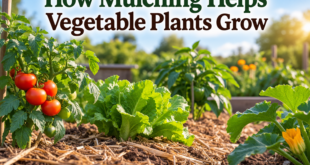
One of the most useful ways to improve garden soil is adding organic matter. Compost is a popular choice because it can improve soil structure while adding organic material.
Well matured compost can help sandy soil hold moisture and can improve the structure of heavier soils. Other suitable organic materials may include well aged manure, leaf compost, and other properly prepared compost materials.
When adding compost, mix it into the upper layer of soil rather than creating a separate thick layer.
I consider compost one of the simplest ways for beginners to improve vegetable garden soil because it supports the overall condition of the growing area.
Improve Clay Soil
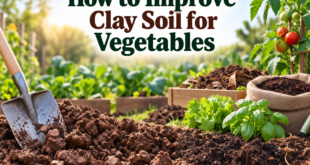
Clay soil can be challenging because it can become sticky when wet and hard when dry. However, clay soil can also contain useful minerals and nutrients.
The key is improving its structure gradually with organic matter.
Adding compost and other suitable organic materials can help create better spaces between soil particles. This can improve drainage and make the soil easier to work.
Avoid trying to fix heavy clay soil by adding large amounts of sand alone. The combination can sometimes create an even more difficult texture.
Instead, focus on adding organic matter consistently over time.
Improve Sandy Soil
Sandy soil has the opposite problem. Water can move through it quickly, and nutrients may not remain available to plants for long.
Adding organic matter can help sandy soil hold more moisture and nutrients.
Compost is particularly useful because it can improve the soil structure while contributing organic material. Adding organic matter regularly can gradually make sandy soil more suitable for vegetable gardening.
Vegetables such as carrots can actually perform well in loose soil, but even these vegetables need adequate moisture and nutrients during their growing period.
Check Soil Drainage
Good drainage is essential for most vegetable gardens. Vegetable roots generally need moisture, but constantly saturated soil can cause root problems.
You can check drainage by digging a small hole and filling it with water. Observe how quickly the water disappears. Very slow drainage may indicate compacted soil or another drainage problem.
If your garden has consistently poor drainage, consider growing vegetables in raised beds or improving the soil structure with organic matter.
Raised beds can also be useful when the existing ground soil is difficult to manage.
Check Soil pH
Soil pH affects the availability of nutrients to plants. Many vegetables grow well in slightly acidic to neutral soil, although the preferred range can vary between plants.
A simple soil test can provide useful information about your garden’s pH and nutrient condition.
I recommend testing before making major changes. Adding materials without knowing the existing soil condition can sometimes create unnecessary problems.
If your soil test shows that the pH needs adjustment, follow the recommendations provided with the test or consult a local gardening professional.
Add Nutrients Carefully
Vegetables require nutrients for healthy growth. Important plant nutrients include nitrogen, phosphorus, and potassium, along with several other nutrients needed in smaller amounts.
Compost can contribute nutrients, but it should not automatically be treated as a complete fertilizer for every crop.
If a soil test identifies a nutrient deficiency, you can select an appropriate fertilizer or soil amendment based on the results.
Avoid using excessive fertilizer. More fertilizer does not always mean better plant growth. Too much fertilizer can damage plants and may create environmental problems.
Create a Good Soil Texture
For many vegetable gardens, the ideal soil is loose and crumbly. It should hold enough moisture while allowing excess water to drain.
You should be able to dig into the soil without encountering large numbers of hard clumps or compacted layers.
Organic matter plays an important role in developing this type of soil structure.
Instead of trying to create perfect soil in one day, I recommend improving it gradually. Soil health is something that develops over time.
Prepare the Soil Before Planting
Once the soil has been cleared, loosened, and improved, level the planting area gently.
Remove large stones and break apart large clumps. Avoid making the soil extremely fine because some structure is beneficial.
For direct sowing, create a reasonably smooth surface so seeds can make good contact with the soil.
For seedlings, prepare planting holes that are large enough for their root systems. Avoid packing the soil too tightly around young plants.
Choose Vegetables According to Your Soil
Not every vegetable has exactly the same growing requirements. Some crops prefer deep, loose soil, while others can tolerate different conditions.
Root vegetables such as carrots and radishes generally benefit from loose soil because their roots need room to expand.
Leafy vegetables often perform well when the soil contains adequate nutrients and remains consistently moist.
Tomatoes, peppers, cucumbers, beans, and other common vegetables also benefit from fertile, well drained soil.
Before planting, check the requirements of the specific vegetables you want to grow.
Avoid Walking on Prepared Soil
Once you have prepared your garden bed, try not to walk directly on the planting area.
Walking over garden soil can compress it and undo some of the work you have completed.
I prefer creating clearly defined paths around vegetable beds. This keeps the growing area accessible while protecting the soil structure.
This simple habit can make soil management easier throughout the season.
Water the Soil Properly
After preparing the soil, water it thoroughly but avoid creating standing water.
The goal is to provide enough moisture for seeds and plants without keeping the soil constantly saturated.
Watering requirements depend on the weather, soil type, vegetable variety, and stage of plant growth.
During hot weather, plants may need more frequent watering. Adding organic matter and mulch can also help the soil retain moisture.
Use Mulch After Planting
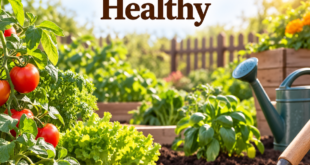
Mulching can be helpful once vegetables are established. Organic mulch can reduce moisture loss, help moderate soil temperature, and reduce weed growth.
Materials such as clean straw, shredded leaves, or suitable organic mulch can be used around plants.
Keep mulch slightly away from the main stem of plants to reduce the risk of excessive moisture around the stem.
Mulching is especially useful during hot or dry weather because it can reduce how quickly the surface of the soil dries.
Keep Improving Your Soil
Preparing soil is not something that happens only once. A vegetable garden changes throughout the year as plants grow, roots develop, organic matter breaks down, and nutrients are used.
After harvesting, remove unhealthy plant material and add suitable organic matter when needed.
Rotating crops can also help you manage the garden more effectively. Planting different types of vegetables in different areas from season to season can reduce some soil and pest related problems.
I believe the best approach is to observe your garden regularly and make small improvements based on what you see.
Common Soil Preparation Mistakes
One common mistake is planting immediately without checking the condition of the soil. Taking time to prepare the garden can make later maintenance easier.
Another mistake is using too much fertilizer. Excess nutrients are not necessarily beneficial and can harm plants.
Working soil when it is extremely wet is another problem. Wet soil can become compacted and lose some of its useful structure.
Some gardeners also remove every natural material from their garden. Instead, suitable organic materials can contribute to long term soil improvement when used properly.
Final Thoughts
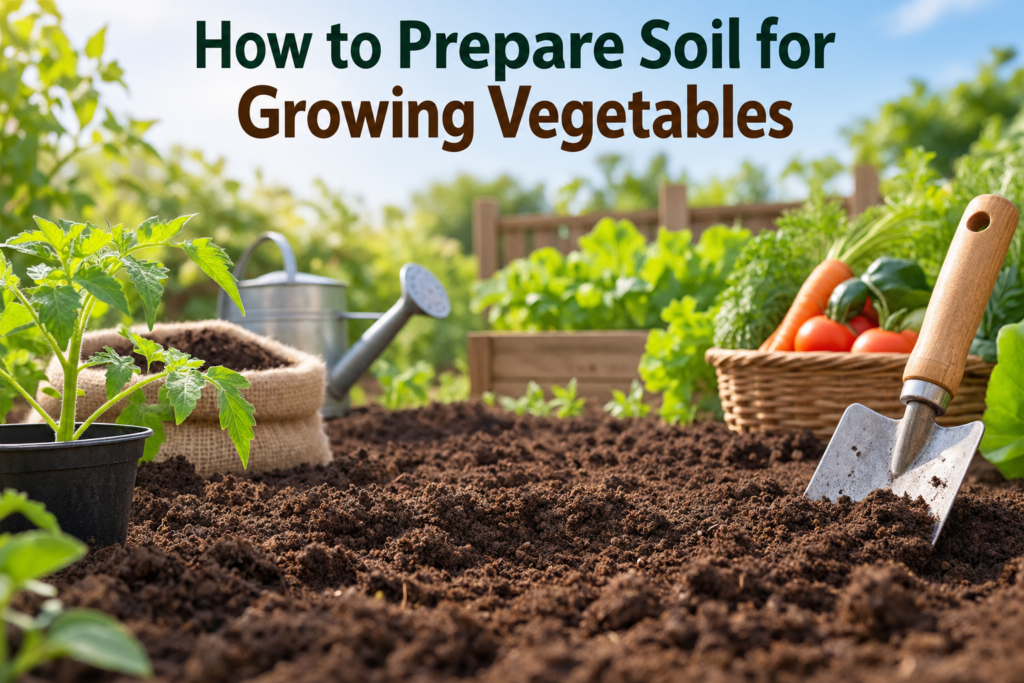
Learning how to prepare soil for growing vegetables does not have to be complicated. Start by understanding your existing soil, remove weeds and debris, loosen compacted areas, add suitable organic matter, and check drainage and pH when necessary.
From my point of view, healthy soil is the foundation of a successful vegetable garden. Good soil preparation gives plants a better environment for root development and can make gardening more enjoyable.
You do not need to create perfect soil overnight. Continue adding organic matter, observe how your plants respond, and adjust your gardening practices as needed. With patience and regular care, even an average garden area can become a productive place for growing fresh vegetables at home.