 dolphinshave2stomachs
Related Articles
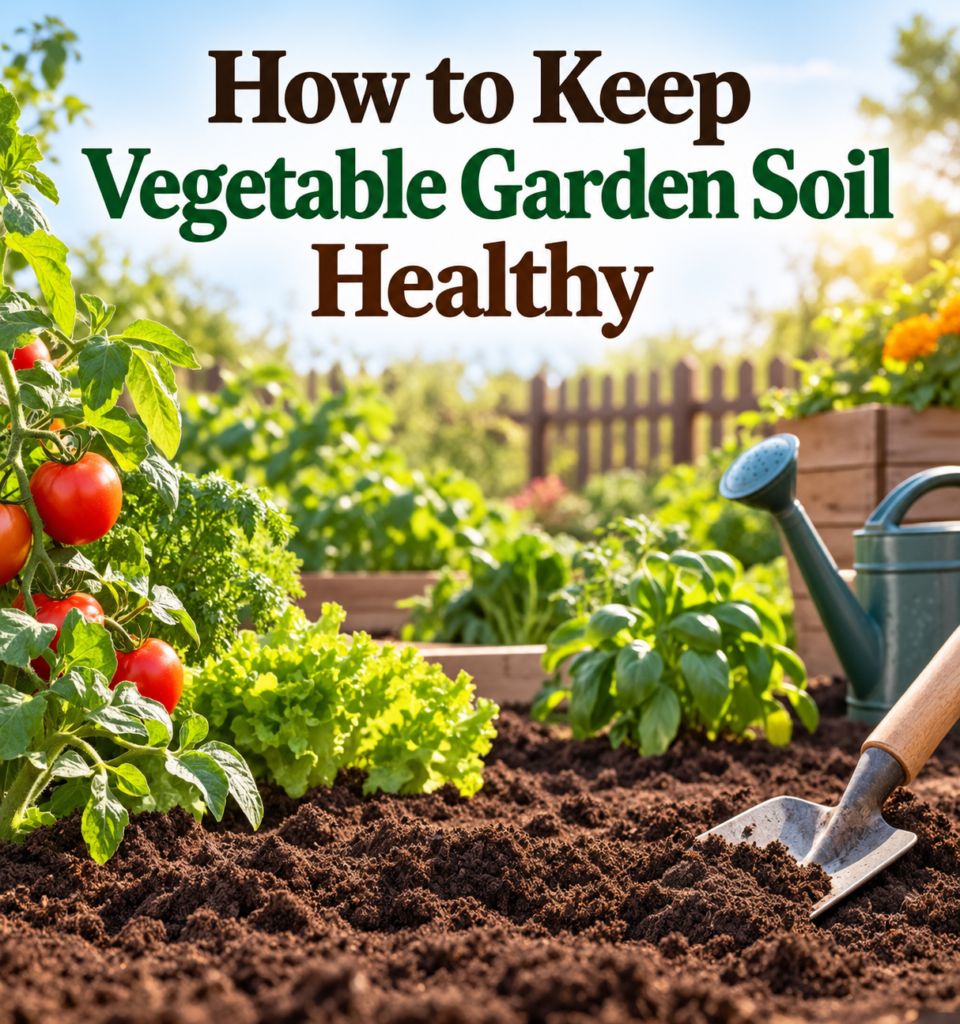
Healthy soil is one of the most important parts of a productive vegetable garden. From my experience, gardeners often focus heavily on watering, sunlight, seeds, and fertilizers while forgetting that the soil is where everything begins. If the soil is healthy, vegetable plants have a much better environment for developing strong roots and producing good growth.
Keeping vegetable garden soil healthy is not something that requires complicated equipment or expensive products. In my opinion, the best approach is to understand your soil, add organic matter regularly, avoid damaging its structure, and give it enough moisture without overwatering.
In this article, I will share some simple and practical ways to keep vegetable garden soil healthy throughout the growing season.
Start With Good Soil
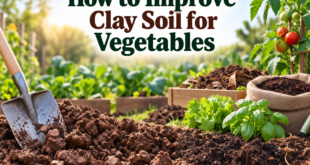
The first step is to understand the condition of your existing garden soil. Soil can differ greatly from one garden to another. Some gardens have sandy soil, while others have heavy clay soil. There are also gardens with naturally rich loamy soil.
Good vegetable garden soil should provide enough support for roots while allowing water and air to move through it. It should also contain organic matter and nutrients that plants can use.
I recommend checking your soil before making major changes. Look at its texture, drainage, moisture, and general condition. A soil test can also provide useful information about nutrient levels and pH.
Knowing what you already have makes it easier to decide what your garden actually needs.
Add Compost Regularly
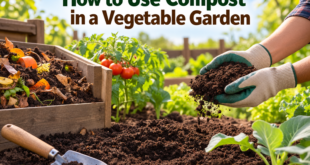
Compost is one of the easiest ways to maintain healthy vegetable garden soil. It adds organic matter and can help improve soil structure.
I like using mature compost because it can be mixed into the soil before planting or added as a layer around established plants. As organic matter continues to break down, it supports the natural activity of organisms living in the soil.
You do not need to add huge amounts at once. Regular additions over time can be more practical for maintaining soil health.
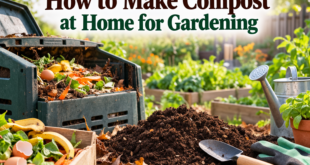
If you make your own compost, use properly decomposed material and avoid adding anything that could introduce diseases, persistent weeds, or harmful contaminants into your garden.
Protect the Soil With Mulch
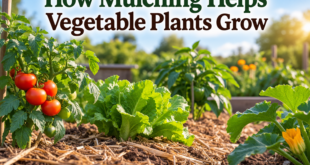
Bare soil can dry out quickly, especially during hot weather. Mulching is a simple way to protect the soil surface.
Organic materials such as shredded leaves, suitable grass clippings, straw, or finished compost can be used as mulch depending on your garden conditions.
Mulch helps reduce moisture loss and can also reduce weed growth. Organic mulch gradually breaks down and contributes organic matter to the soil.
I find mulch particularly useful during warmer months because it helps the soil remain more stable instead of constantly drying and heating up.
Keep mulch away from direct contact with plant stems. This allows better airflow around the base of the plant and reduces moisture related problems.
Avoid Soil Compaction
Soil needs air spaces for healthy root development. When garden soil becomes heavily compacted, roots may have difficulty growing through it.
One of the easiest ways to prevent this problem is to avoid walking on planting beds. Creating clear paths between growing areas can make this much easier.
Raised beds are also helpful because you can reach plants from the sides without stepping into the growing area.
If soil becomes compacted, gently loosening it can help restore some structure. However, I recommend avoiding unnecessary digging and especially avoiding working very wet soil because wet soil can become compacted more easily.
Water Your Garden Correctly
Water is essential for healthy soil and healthy plants, but too much water can be just as problematic as too little.
Overwatering can reduce the amount of air available around roots and may contribute to root problems. Extremely dry soil, on the other hand, can stress plants and slow their growth.
I prefer checking the soil before watering rather than simply watering according to a fixed schedule. Stick your finger into the upper layer of soil and check whether it actually needs moisture.
Your watering routine should depend on the weather, soil type, plant size, and growing conditions.
Deep and appropriate watering can encourage roots to explore the available soil instead of depending only on moisture at the surface.
Feed Soil Instead of Only Feeding Plants
When vegetable plants are growing poorly, it is tempting to immediately reach for fertilizer. Fertilizer can be useful, but healthy soil requires more than individual nutrients.
Adding organic matter helps support the overall soil environment. Compost, properly aged organic materials, and suitable mulch can contribute to long term soil improvement.
I believe it is better to think about feeding the soil as well as feeding the plants. A healthy soil environment can provide a better foundation for vegetable growth.
If you use fertilizer, follow the product directions and avoid applying more than necessary.
Test Your Soil When Needed
A soil test can be extremely helpful when you are unsure why plants are struggling.
A basic soil test may provide information about pH and nutrient levels. This can help identify whether the garden has a nutrient deficiency or whether another issue may be responsible for poor plant growth.
Soil pH is important because it affects how easily plants can access certain nutrients. If the pH is outside a suitable range, plants may struggle even when nutrients are technically present.
Instead of adding lime or other soil amendments based on guesswork, I recommend testing the soil first whenever possible.
Rotate Your Vegetable Crops
Crop rotation is another useful way to maintain vegetable garden soil health.
Growing the same type of vegetable in the same location repeatedly can contribute to certain pest and disease problems. Different vegetable families also have different nutrient requirements.
Rotating crops gives you an opportunity to change where particular vegetables are grown from season to season.
For example, you can divide your garden into several sections and move plant families between those areas each growing season.
Even a simple rotation system can be useful in a home vegetable garden.
Grow Cover Crops
If you have garden areas that will remain unused for part of the year, cover crops can help protect the soil.
Cover crops can reduce the amount of bare soil exposed to wind and rain. Some varieties can also contribute organic material when managed appropriately.
Legumes are sometimes used because they have a relationship with soil bacteria that can help with nitrogen cycling. Other cover crops can provide additional ground cover and biomass.
The right choice depends on your climate and planting schedule, so choose a cover crop that suits your local conditions.
Keep Adding Organic Matter
Soil health is a long term process. Even if your soil is already good, organic matter continues to break down over time.
This means that maintaining healthy vegetable garden soil requires regular attention.
Adding compost before a new growing season, using organic mulch, leaving suitable plant material in place to decompose, and avoiding unnecessary soil disturbance can all contribute to maintaining organic matter.
I would rather improve soil gradually every year than try to make dramatic changes all at once.
Encourage Earthworms and Soil Organisms
Healthy soil contains an entire community of living organisms. Earthworms, bacteria, fungi, and other organisms contribute to decomposition and nutrient cycling.
You can support these organisms by adding organic matter and avoiding unnecessary disturbance.
Earthworms are particularly interesting because their movement can help create channels through the soil. Their activity also contributes to the breakdown and movement of organic materials.
Instead of trying to make the soil completely sterile, I believe a productive vegetable garden should support a healthy soil ecosystem.
Avoid Excessive Chemical Use
Garden products can have a place in gardening, but they should be used carefully.
Applying unnecessary chemicals can affect organisms living in the soil. Before using a product, identify the actual problem and determine whether treatment is necessary.
For example, if a plant is growing slowly, the cause could be poor nutrition, insufficient sunlight, watering problems, compacted soil, pests, or disease.
Identifying the cause first can prevent unnecessary applications.
Do Not Leave Soil Bare for Too Long
Bare soil can be vulnerable to erosion, drying, and weed growth. Whenever practical, protect unused areas with suitable organic mulch or plants.
Vegetable gardens naturally have periods between crops, so planning what happens during those periods can help maintain soil quality.
Cover crops, mulch, and organic matter can all help protect the surface.
Be Careful With Fresh Manure
Manure can provide valuable organic matter and nutrients, but fresh manure is not always appropriate for direct use around growing vegetables.
Fresh manure can be too strong for plants and may contain pathogens or weed seeds depending on its source and handling.
Properly composted or aged manure is generally a better option. Always consider the source and follow appropriate gardening guidance for its use.
Give Your Soil Time
One of the most important things I have learned about gardening is that soil improvement takes time.
If your soil is poor, you may not see dramatic results immediately. Composting, mulching, crop rotation, careful watering, and reducing compaction are habits that work together over time.
Instead of looking for one product that will solve every soil problem, focus on building a consistent routine.
Healthy soil is an ongoing project rather than a one time task.
Final Thoughts
Learning how to keep vegetable garden soil healthy is one of the best things you can do for your garden. Healthy soil supports strong roots, better water management, nutrient availability, and a more active soil ecosystem.
The most useful habits are simple. Add compost and organic matter regularly, protect the soil with mulch, avoid unnecessary compaction, water appropriately, rotate crops, test the soil when necessary, and encourage beneficial soil organisms.
In my view, taking care of the soil is one of the smartest long term investments a vegetable gardener can make. You do not need to make everything perfect. Start with the condition of your existing soil and improve it gradually.
When you build good soil habits season after season, your vegetable garden can become easier to manage and more productive. The plants may get most of the attention, but the soil underneath them is doing much of the important work.