 dolphinshave2stomachs
Related Articles
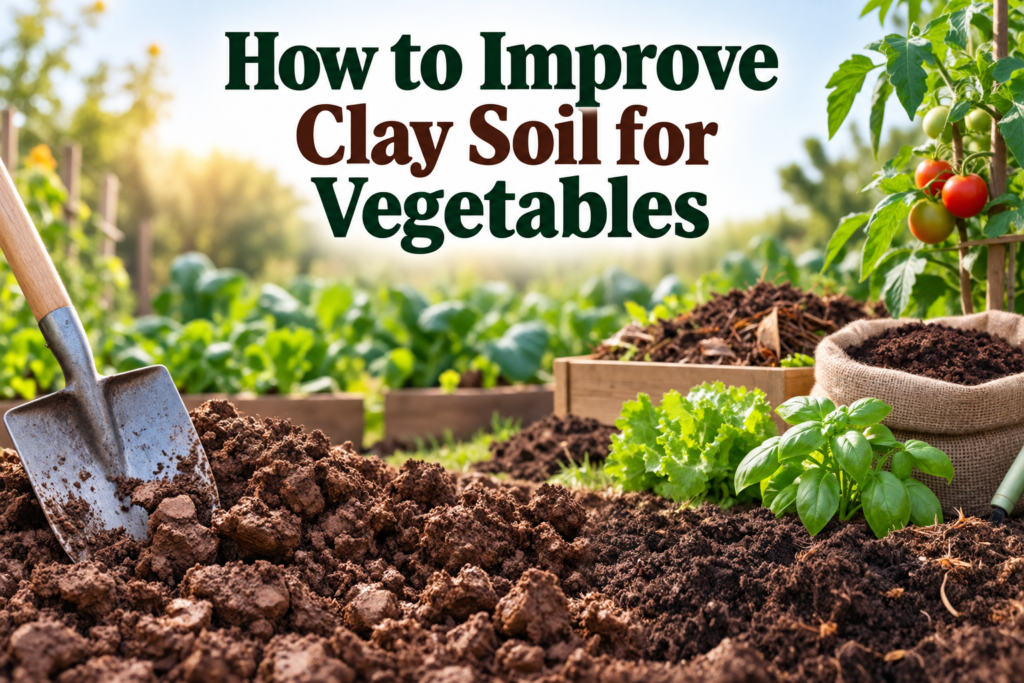
Growing vegetables in clay soil can be challenging, especially when the soil becomes hard and compacted. I have found that clay soil can make gardening feel more difficult because it may hold too much water after rain and become very hard when it dries. However, clay soil is not necessarily bad soil. With the right care and regular improvement, it can become an excellent growing environment for vegetables.
The main goal when learning how to improve clay soil for vegetables is to create better soil structure. Vegetable roots need moisture, nutrients, and air around them. When clay particles are tightly packed, roots may struggle to grow and water may not move through the soil properly.
In this guide, I will share practical ways to improve clay soil for a vegetable garden. These methods are simple, affordable, and suitable for gardeners who want to gradually build healthier soil.
Understand Your Clay Soil
The first step is understanding what you are dealing with. Clay soil contains very small mineral particles that can fit closely together. This gives clay soil its heavy and dense texture.
When clay soil is wet, it can become sticky and difficult to work with. When it dries, it may become hard and form large chunks. This can make planting and root development difficult.
One thing I have learned is that clay soil should not always be treated as a problem that needs to be removed. Clay can hold nutrients and moisture quite well. The real issue is usually poor structure and compaction.
Instead of replacing all the soil, it is usually better to improve the existing soil gradually.
Test the Soil Before Making Major Changes
Before adding large quantities of amendments, consider testing your garden soil. A basic soil test can provide information about pH and nutrient levels.
This is useful because poor vegetable growth is not always caused by clay. Your soil could also have a nutrient imbalance or unsuitable pH.
A soil test can help you make more informed decisions about fertilizer and other soil amendments. I prefer this approach because it prevents unnecessary applications of products that the soil may not actually need.
Once you understand your soil condition, you can create a more targeted plan for improving it.
Add Compost Regularly
Compost is one of the most useful materials for improving clay soil. Adding finished compost can increase organic matter and help create a more favorable soil structure.
I recommend using mature compost rather than fresh organic material. Finished compost should look dark and crumbly and should no longer resemble the original ingredients.
Spread compost over the garden area and incorporate it into the upper layer of soil when conditions are suitable. You do not need to completely dig over the garden every season. Regular additions of organic matter can gradually improve the soil.
The benefit comes from consistency. One application may help, but repeated additions over several growing seasons can make a much bigger difference.
Avoid Working Clay Soil When It Is Too Wet
This is one of the most important things to remember when gardening in clay soil.
When clay soil is very wet, digging, tilling, or walking on it can compress the particles even further. This can create dense areas that are difficult for roots to penetrate.
I try to wait until the soil has dried enough to crumble rather than sticking heavily to my tools. You can test a small handful of soil by squeezing it gently. If it remains a sticky ball and does not break apart easily, it may be too wet to work.
Being patient with clay soil can prevent additional compaction and save you considerable effort later.
Add Organic Matter Over Time
Compost is not the only source of organic matter. Well aged manure, leaf mold, and other properly decomposed organic materials can also contribute to better soil structure.
Organic matter can help create larger spaces between soil particles. These spaces allow better movement of air and water and provide room for vegetable roots to expand.
I prefer adding organic matter gradually rather than trying to change the entire garden in one season.
As organic materials decompose, soil organisms help break them down and incorporate their nutrients into the garden ecosystem.
Do Not Add Sand to Clay Soil Without a Plan
A common gardening suggestion is to add sand to clay soil. However, simply mixing a small amount of sand into heavy clay may not produce the loose soil gardeners expect.
In some situations, the combination can create an extremely dense material. For that reason, I would focus primarily on adding organic matter and improving soil structure rather than relying on small amounts of sand.
If a specific soil amendment is recommended, it is better to understand the quantity and purpose before applying it.
Use Mulch to Protect the Soil
Mulching is a simple way to protect improved clay soil. Organic mulch can help reduce evaporation, protect the soil surface from heavy rain, and reduce temperature changes.
Suitable materials may include shredded leaves, straw, or other appropriate organic materials.
As organic mulch gradually breaks down, some of its material becomes part of the soil. It can also create a more favorable environment for earthworms and microorganisms.
I like using mulch because it provides several benefits while requiring relatively little work after it has been applied.
Keep mulch slightly away from vegetable stems to reduce the chance of excessive moisture around the base of plants.
Improve Drainage Where Necessary
Clay soil can sometimes hold water for a long time. This can create problems for vegetable plants that prefer well drained conditions.
If water consistently collects in your garden, first look at the overall shape and drainage of the area. Adding organic matter may improve soil structure, but severe drainage issues may require additional solutions.
Raised garden beds can be particularly useful when native clay soil remains difficult to manage. You can create a suitable growing environment above the existing ground rather than trying to completely transform heavy soil.
Good drainage does not mean soil should dry out immediately. The goal is to create a balance where soil can hold enough moisture while allowing excess water to move away.
Avoid Soil Compaction
Compaction is a major issue in clay soil because it is already naturally dense.
Try to avoid walking directly on planting areas. Creating permanent paths between vegetable beds can help keep the root zone loose.
I find that this simple change can make garden maintenance easier as well. You know exactly where to walk, where to plant, and where the soil should remain undisturbed.
If you need to reach plants in the center of a large bed, consider using designated paths rather than stepping between rows.
Grow Cover Crops
Cover crops can be useful for improving soil when garden space is available between vegetable growing periods.
Different cover crops provide different benefits. Some can protect soil from erosion, while others contribute organic material when managed correctly.
Certain legume cover crops can also contribute nitrogen to the soil through their relationship with beneficial soil microorganisms.
Cover crops are particularly useful for larger vegetable gardens where some areas can remain planted even when food crops are not growing.
Choose cover crops according to your climate, growing season, and garden requirements.
Consider Raised Garden Beds
If your native clay soil is extremely difficult to work, raised beds can make vegetable gardening much easier.
Raised beds allow you to create a growing medium with better structure and drainage. You can fill them with a mixture containing quality topsoil and compost rather than depending entirely on the existing clay.
This does not mean you have to ignore the soil underneath. Over time, roots, organic matter, and natural soil activity can still improve the ground below.
For gardeners dealing with particularly heavy clay, raised beds can be a practical option for growing vegetables while the surrounding soil improves gradually.
Choose Vegetables Carefully
Some vegetables handle clay soil better than others, especially when the soil has been improved.
Leafy vegetables can sometimes perform well when moisture and nutrients are properly managed. Beans, certain brassicas, and other vegetables may also grow successfully depending on local conditions.
Root vegetables can be more challenging in dense clay because their roots need space to expand. Improving soil structure before planting carrots, beets, radishes, and similar crops can make a noticeable difference.
Choosing vegetables suited to your conditions can make the transition easier while you continue improving the soil.
Use Fertilizer Carefully
Clay soil can hold nutrients well, but that does not mean every clay garden has enough nutrients for healthy vegetable growth.
The best approach is to base fertilizer use on soil testing and the needs of your vegetables.
Too much fertilizer can cause problems and does not automatically produce healthier plants. I prefer focusing on soil health first and then supplementing nutrients when necessary.
Compost and fertilizer serve different purposes. Compost primarily helps build organic matter and improve soil structure, while fertilizer supplies specific plant nutrients.
Using both appropriately can support a productive vegetable garden.
Maintain Soil With Crop Rotation
Crop rotation is another useful practice for maintaining vegetable garden soil.
Instead of planting the same vegetable family in exactly the same place every year, move different crops around the garden when possible.
Crop rotation can help reduce the buildup of certain pests and diseases and can prevent one area of soil from being repeatedly used by the same type of crop.
Even a simple rotation plan can make garden management easier.
Be Patient With Soil Improvement
Improving clay soil is not a one day project. This is probably the most important point I would give to any gardener dealing with heavy soil.
You may notice some improvement after adding compost and mulch, but long term changes come from repeating good practices.
Add organic matter regularly, avoid working wet soil, reduce foot traffic, protect the surface with mulch, manage water carefully, and monitor nutrient levels.
After several seasons, the soil can become noticeably easier to dig and more comfortable for vegetable roots.
Signs Your Clay Soil Is Improving
There are several signs that your soil is becoming healthier.
The soil may become easier to dig and less likely to form large hard clumps. Water may begin moving through it more evenly. You may also notice more earthworms and other signs of soil life.
Vegetable roots can become stronger, and plants may establish more consistently after planting.
Another positive sign is improved crumb structure. Instead of forming one solid mass, the soil begins to break into smaller pieces when handled.
These changes take time, but they show that your soil improvement efforts are working.
Final Thoughts
Learning how to improve clay soil for vegetables is mainly about improving structure, increasing organic matter, protecting the soil, and avoiding compaction.
Clay soil can be challenging, but it also has useful qualities. It can hold moisture and nutrients, which can benefit vegetable plants once the structure has been improved.
For me, the best approach is to work with the soil rather than against it. Add finished compost regularly, use organic mulch, avoid digging when the soil is too wet, create permanent garden paths, and improve drainage where necessary.
You do not need perfect soil before you start growing vegetables. With patience and consistent care, even heavy clay soil can gradually become productive, healthy garden soil that supports strong roots and better vegetable growth.