 dolphinshave2stomachs
Related Articles
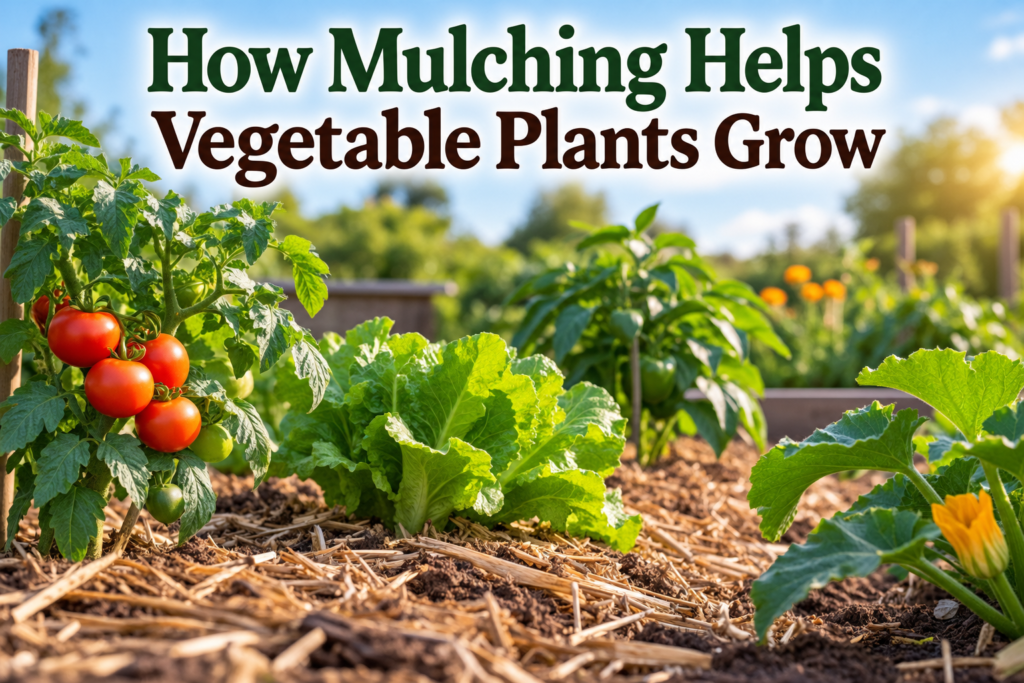
Mulching is one of the simplest gardening practices that can make a noticeable difference in the way vegetable plants grow. I have found that many gardeners focus heavily on watering, fertilizer, sunlight, and seeds, while the soil surface is often overlooked. Adding a suitable layer of mulch around vegetable plants can help protect the soil, conserve moisture, reduce weeds, and create a better environment for healthy roots.
Mulch is simply a material placed on top of the soil around plants. It can be made from organic materials such as straw, dried leaves, grass clippings, compost, or wood chips. Some gardeners also use inorganic materials, depending on the type of garden and the vegetables they are growing.
In my view, mulching is especially useful for home vegetable gardens because it can reduce some of the daily work involved in caring for plants. It does not replace good soil, proper watering, or sufficient sunlight, but it can support all of these things by creating better conditions around the roots.
What Is Mulching?
Mulching means covering the surface of the soil with a layer of material. The purpose is not to bury the vegetable plant. Instead, mulch is placed around the plant while leaving some space around the stem.
Organic mulch is particularly useful in vegetable gardens because it gradually breaks down and adds organic matter to the soil. Straw, shredded leaves, untreated grass clippings, and mature compost are common choices.
The type of mulch you choose depends on what is available, the climate, and the vegetables you are growing. I usually think of mulch as a protective layer between the soil and the outside environment.
Mulch Helps Keep Soil Moist
One of the biggest benefits of mulching is moisture conservation. Bare soil can lose water quickly, especially during hot and dry weather. Sunlight and wind can cause moisture near the surface to evaporate.
A layer of mulch helps slow down this evaporation. As a result, the soil can stay moist for longer after watering or rainfall.
This can be particularly helpful for vegetables that need consistent moisture. Tomatoes, cucumbers, peppers, lettuce, and many other vegetables can benefit from stable soil moisture.
Mulch does not mean you never need to water your plants. Instead, it can help you use water more efficiently. I find this especially valuable during hot periods when the soil can dry out much faster than expected.
Mulching Helps Control Weeds
Weeds compete with vegetable plants for water, nutrients, sunlight, and growing space. When the soil is covered with a suitable layer of mulch, many weed seeds have more difficulty reaching the light and growing successfully.
This can reduce the amount of time you need to spend pulling weeds from your vegetable garden.
Mulch will not stop every weed. Some weeds can grow through thin layers of mulch, and existing weeds may continue growing if they are covered without being removed first. Still, maintaining an appropriate mulch layer can make weed management easier.
For a home gardener, fewer weeds can mean more time enjoying the garden and less time constantly cleaning planting beds.
Mulch Protects Vegetable Plant Roots
Vegetable roots are sensitive to extreme changes in soil conditions. During very hot weather, the soil surface can become extremely warm. During cooler periods, the temperature can change quickly.
Mulch acts as a protective layer between the soil and the outside environment. It can help moderate soil temperature by reducing direct exposure to sunlight and sudden temperature changes.
This creates a more stable environment around the root zone. Healthy roots are important because they absorb water and nutrients and provide support for the entire plant.
I believe this is one of the less obvious benefits of mulching. You may not notice the protection directly, but healthier soil conditions can support better plant development over time.
Organic Mulch Can Improve Soil
Organic mulch has another important advantage. As materials such as leaves, straw, and other suitable plant matter slowly decompose, they can contribute organic matter to the soil.
Organic matter can improve soil structure and support beneficial organisms. Over time, this can help create soil that is easier to work with and better suited to vegetable production.
The process is gradual, so I would not expect a thin layer of mulch to transform poor soil immediately. However, regular use of suitable organic mulch can become part of a long term soil improvement strategy.
This is one reason I prefer organic mulch for many home vegetable gardens.
Mulch Can Reduce Soil Erosion
Heavy rain can disturb bare soil. Water hitting the soil surface can move small particles around and sometimes create crusting or erosion.
A layer of mulch helps protect the soil surface from direct impact. It can slow the movement of rainwater and help keep soil particles in place.
This is particularly useful in vegetable beds that receive heavy rainfall. Protecting the soil also helps maintain a healthier growing environment for plant roots.
Mulching Can Help Prevent Soil Crusting
Some soils can develop a hard surface after repeated watering or heavy rainfall. This can make it more difficult for water to enter the soil evenly and may also make it harder for young seedlings to emerge.
Mulch provides a protective layer over the soil surface. It reduces the direct impact of rainfall and watering, which can help keep the soil surface from becoming as compacted or crusted.
For young vegetable plants, maintaining a suitable soil structure can be particularly important because their roots are still developing.
Mulch Can Keep Vegetables Cleaner
Certain vegetables grow close to the soil surface or produce fruits that rest near the ground. Without mulch, soil can splash onto leaves and fruits when you water or when heavy rain falls.
A layer of clean mulch can act as a barrier between the soil and the plant.
This can help keep vegetables such as cucumbers, squash, melons, strawberries, and other low growing crops cleaner. It can also reduce the amount of soil that gets splashed onto lower leaves.
For me, this is a practical benefit that makes harvesting and garden maintenance more convenient.
Choosing the Right Mulch
There are many types of mulch, and each one has different characteristics.
Straw is a popular choice for vegetable gardens because it is lightweight and can provide good soil coverage. Shredded leaves can also be useful and are often easy to collect in autumn.
Grass clippings can work well when they are free from herbicide contamination and are applied appropriately. They should not be placed in a thick, wet layer because they can become compacted.
Compost can also be used as a surface covering. It provides organic matter and nutrients, although it can be more expensive or less available than leaves or straw.
Wood chips can be useful around pathways and established perennial plants, but gardeners should choose suitable untreated material and avoid creating conditions where the vegetable stems remain constantly damp.
How Much Mulch Should You Use?
The amount of mulch needed depends on the material and the garden conditions. A moderate layer is generally more useful than piling mulch extremely high.
If mulch is too thin, it may not provide enough protection against evaporation and weeds. If it is excessively thick, it can restrict air movement, hold too much moisture, or create problems around plant stems.
When applying mulch, I leave a small open space around the base of each vegetable plant. The stem should not be buried under mulch.
This simple step can help reduce excessive moisture around the stem and gives the plant room to grow naturally.
Avoid Using Poor Quality Materials
Not every material is suitable for a vegetable garden. I recommend being careful about using materials that may contain chemicals, weed seeds, disease infected plant material, or other unwanted substances.
Fresh materials that have not been properly prepared may also create problems as they break down.
For example, grass clippings from a lawn treated with certain herbicides may not be appropriate for a vegetable garden. It is better to know where your mulch came from before spreading it around edible crops.
Using clean, suitable materials is an important part of safe and practical vegetable gardening.
Mulching and Watering Work Together
Mulching can reduce water loss, but it does not eliminate the need for proper irrigation. Vegetable plants still need enough water for their stage of growth and local weather conditions.
I recommend checking the soil before watering rather than following a fixed schedule every day. If the soil is still moist below the surface, adding more water may not be necessary.
When watering, apply enough water to reach the root zone without creating prolonged waterlogging. Good drainage remains important even when mulch is being used.
The goal is to create balanced soil that is moist but not constantly saturated.
Mulching Helps Build a Healthier Garden
One of the things I like most about mulching is that its benefits work together. A mulch layer can conserve moisture, reduce weeds, protect roots, reduce erosion, and gradually contribute organic matter when organic materials are used.
These benefits can make the garden easier to manage while supporting healthier growing conditions.
Mulching is not a magic solution for every vegetable gardening problem. If the soil has serious drainage issues, plants have a disease, or nutrients are severely lacking, those problems still need to be addressed separately.
However, adding suitable mulch can be an excellent part of an overall vegetable garden care routine.
Final Thoughts
Mulching is a simple technique, but it can have a meaningful effect on vegetable plant growth. By covering the soil surface with a suitable material, gardeners can help conserve moisture, control weeds, protect roots, reduce erosion, and improve soil quality over time.
From my point of view, mulch is one of those gardening practices that becomes more valuable as you use it consistently. It can reduce some of the daily effort involved in maintaining a vegetable garden while helping create more stable conditions for plant roots.
The key is to choose a clean and suitable mulch, apply it at a reasonable depth, and keep it away from the direct base of vegetable stems. Combine mulching with healthy soil, proper watering, good drainage, sunlight, and appropriate plant care, and you can create a much better environment for your vegetables to grow.
Whether you are growing tomatoes in a backyard bed, lettuce in a small garden, or peppers in raised beds, mulching can be a practical and affordable way to support healthier plants and make your vegetable garden easier to maintain.