 dolphinshave2stomachs
Related Articles
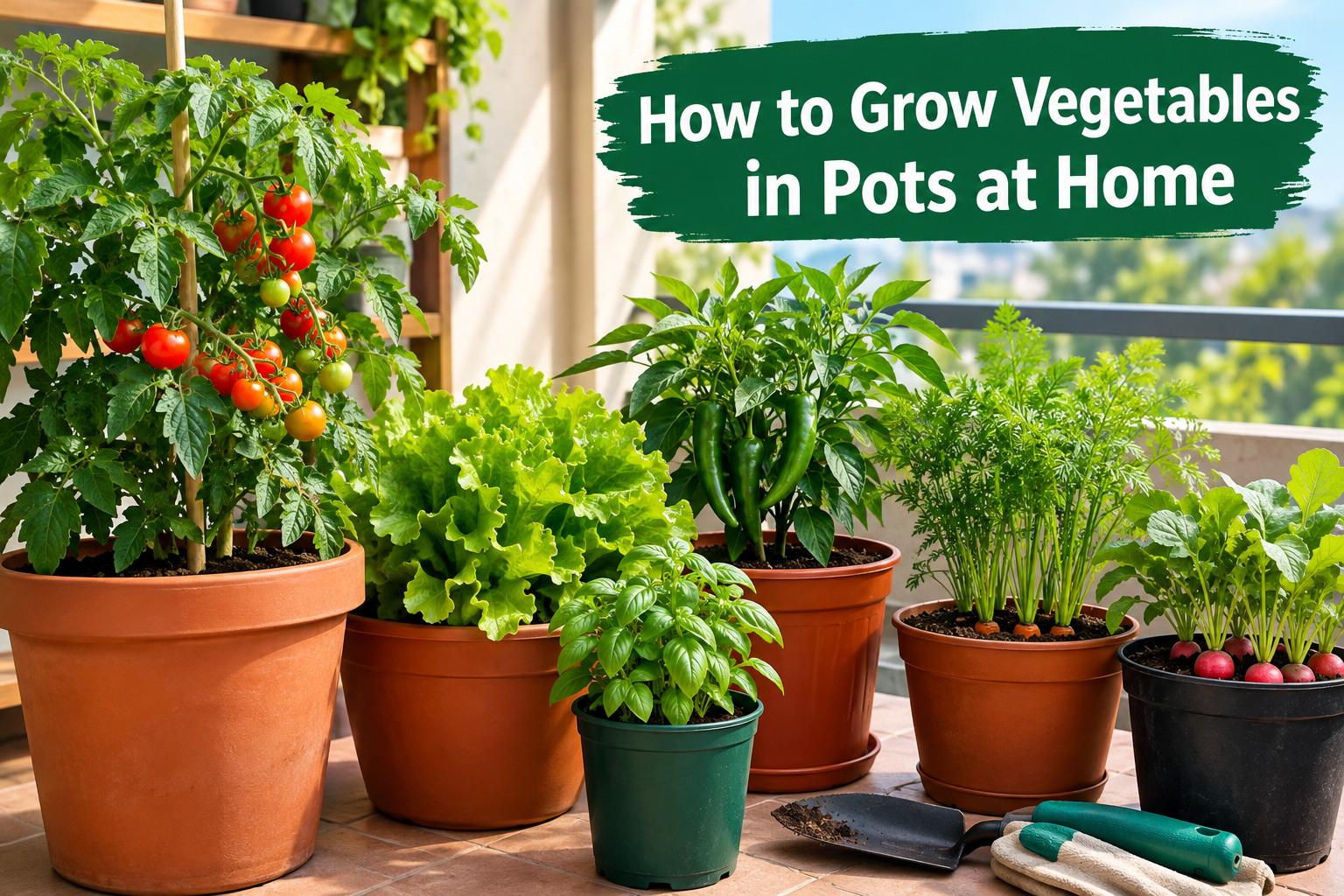
Choosing the right pot size for vegetables is one of the most important things I consider when growing plants in containers. A vegetable may have good soil, enough sunlight, and regular water, but if the container is too small, the plant can still struggle to grow properly.
When I first started paying more attention to container gardening, I realized that pot size affects almost everything. It influences root growth, watering, plant stability, nutrient availability, and eventually the amount of vegetables a plant can produce. This is why I believe choosing a vegetable pot size should be done before planting rather than after a plant has already outgrown its container.
The good thing is that you do not need to make this complicated. Once you understand the basic needs of different vegetables, choosing the right container becomes much easier.
Why Pot Size Matters for Vegetables
Vegetable plants need enough room for their roots to develop. Roots absorb water and nutrients from the growing medium, so restricting them too much can affect the overall health of the plant.
A small pot also tends to dry out faster. During warm weather, a container with limited soil can lose moisture quickly, which means the plant may need more frequent watering.
On the other hand, using an extremely large pot is not always necessary. A large container uses more soil, takes up more space, and can be difficult to move.
For me, the goal is to find a container that provides enough room for the plant without wasting valuable space.
Understand the Root System
Before choosing a pot, I recommend learning a little about the vegetable you want to grow. Different vegetables develop different root systems.
Some plants have relatively shallow roots and can grow successfully in smaller containers. Lettuce, spinach, radishes, and green onions are examples of vegetables that generally do not require extremely deep pots.
Other plants develop larger root systems and need more growing space. Tomatoes, peppers, eggplants, and larger varieties of cucumbers usually perform better in larger containers.
The mature size of the plant matters as well. A small seedling can look perfectly comfortable in a small pot, but that does not mean the container will be suitable once the plant reaches full size.
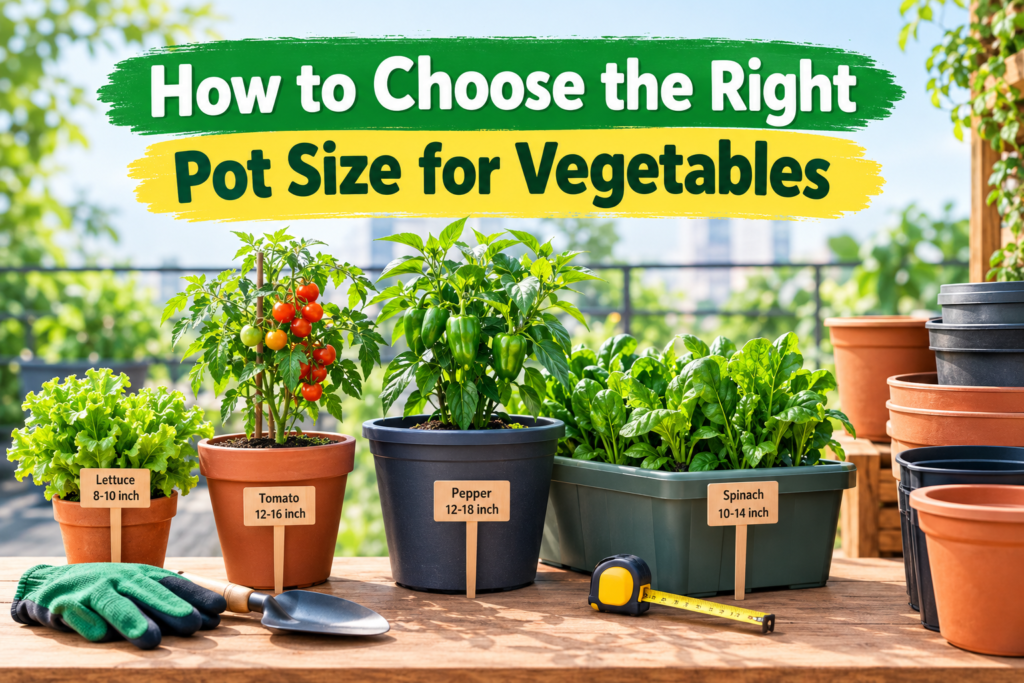
Pot Size for Tomatoes
Tomatoes are among the most popular vegetables for container gardening. However, they can become large plants, so choosing the correct pot size is important.
For many tomato varieties, a container around 12 to 20 inches deep can provide useful growing space. Larger varieties may benefit from even larger containers.
The width of the pot is also important because tomatoes need enough room for their roots. A stable container is particularly useful because mature tomato plants can become tall and heavy.
If you are growing a compact or dwarf tomato variety, you may be able to use a smaller container according to the specific growing instructions for that variety.
I always recommend checking the expected mature size of the tomato before choosing the final pot.
Pot Size for Peppers
Peppers generally work well in containers and are a good choice for beginners. A pot around 10 to 14 inches wide and deep can work well for many pepper plants, although requirements vary by variety.
If the plant grows larger or produces heavy fruit, a bigger container can provide better stability.
One advantage of growing peppers in containers is that you can move them when necessary. This can be useful if you need to protect them from extreme weather or adjust their sunlight exposure.
Pot Size for Lettuce and Spinach
Leafy vegetables are usually easier to grow in smaller containers because they do not require the same root space as large fruiting plants.
A container around 6 to 10 inches deep can be suitable for many lettuce varieties. Spinach can also grow well in relatively shallow containers.
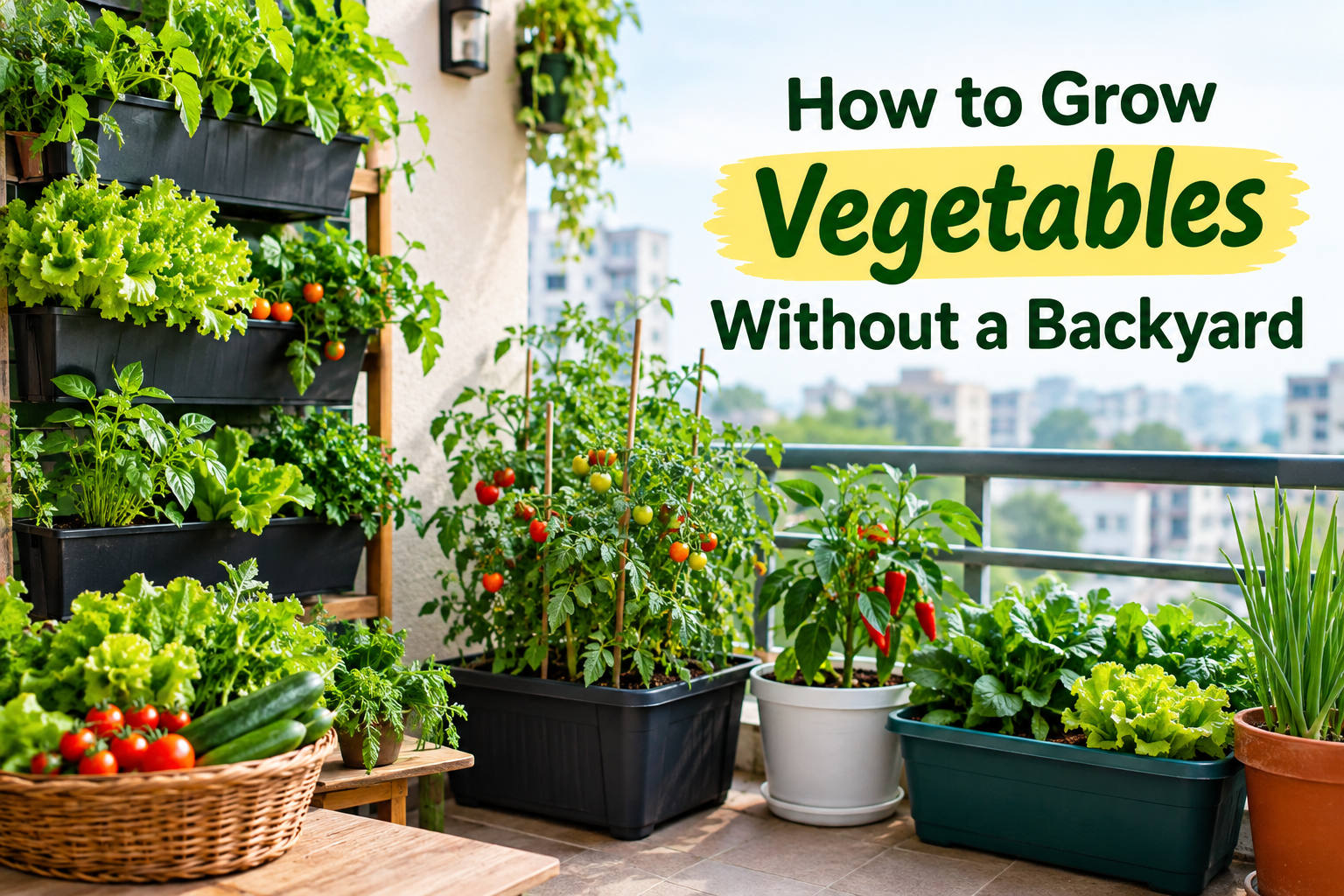
Instead of using one small pot for each plant, you can grow several leafy vegetables together in a wider planter. This is an efficient way to use balcony space, patios, windowsills, or small garden areas.
Just make sure the plants have enough room to grow and that the container provides proper drainage.
Pot Size for Radishes
Radishes are another excellent vegetable for container gardening. Their root vegetables develop below the soil, so adequate depth is important.
A container around 6 to 8 inches deep can work for many radish varieties. If you are growing a longer variety, check its expected root length and choose a deeper container.
Radishes also grow relatively quickly, which makes them a good choice if you want to see results without waiting for a very long growing season.
Pot Size for Carrots
Carrots require special attention because the edible part develops underground. The required pot depth depends heavily on the carrot variety.
Short or round carrot varieties can be grown in shallower containers. Long varieties need deeper pots that allow the roots to develop without hitting the bottom.
Before buying a container, check the expected mature length of your chosen carrot variety. I find this simple step prevents many problems later.
Pot Size for Cucumbers
Cucumbers can grow successfully in containers, but they need enough root space and support.
A container of around 12 inches or more in depth can work for some compact varieties, while larger plants may benefit from bigger containers.
If you grow climbing cucumbers, remember that the plant also needs a trellis or another suitable support. The container should be stable enough to prevent the plant from tipping as it grows.
Pot Size for Green Onions and Herbs
Green onions are among the easiest plants to grow in containers. They do not require extremely deep pots, making them suitable for small spaces.
Many herbs also grow well in containers. Basil, coriander, parsley, and similar herbs can often be grown in smaller pots.
However, avoid overcrowding. Even small plants need enough room for their roots and leaves.
If you are growing several herbs, using a wider planter can be more practical than keeping many individual pots.
Do Not Forget Drainage
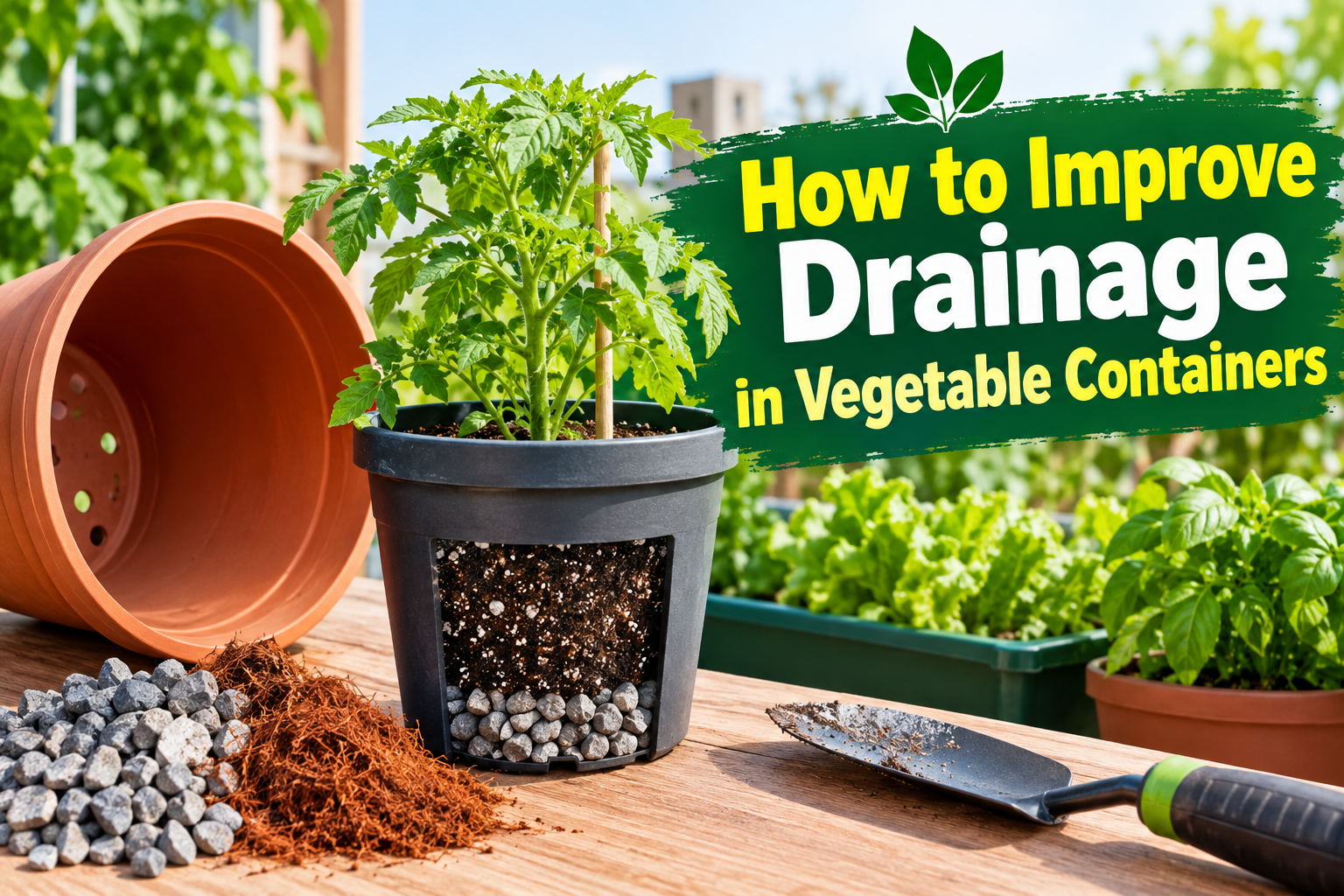
Pot size is important, but drainage is equally important. Every vegetable container should have suitable drainage holes.
Without drainage, excess water can collect around the roots. This can create an unhealthy growing environment and may contribute to root problems.
When choosing a pot, look underneath it before buying. Make sure water has a clear way to escape.
I also like placing containers somewhere where excess water will not damage floors, walls, or furniture.
Consider the Mature Size of the Plant
One of the easiest ways to choose the right vegetable pot size is to think about the plant’s mature dimensions.
Do not choose a container based only on the size of the seedling. A young tomato plant may look tiny, but it can eventually become a large plant.
Read the seed packet or plant label to understand how large the plant is expected to become. This information can help you select a container that will remain useful throughout the growing season.
Using the final container from the beginning can sometimes reduce the need for transplanting.
Avoid Overcrowding Vegetables
Using a large planter does not mean you should fill it with as many plants as possible.
Overcrowding can cause competition for water, nutrients, sunlight, and air circulation. Plants may also become more difficult to inspect and maintain.
Follow the spacing recommendations for the vegetable variety you are growing.
For example, a wide planter may be excellent for lettuce, but that does not mean every available inch should be filled with seedlings.
Good spacing usually makes watering, harvesting, and general plant care much easier.
Think About Container Material
The material of the pot can also affect how quickly the growing medium dries.
Terracotta pots are porous and can lose moisture more quickly than some plastic containers. Plastic pots generally retain moisture longer and are often lightweight.
Fabric grow bags are another popular option for vegetable gardening. They can provide good airflow around the root area and are available in many sizes.
I do not think there is one perfect container material for every gardener. The best choice depends on your climate, available space, budget, and the vegetables you want to grow.
Consider the Weather
Your local weather should also influence your container choice. In hot conditions, smaller containers may dry out particularly quickly because they contain less soil and moisture.
A larger container can hold more growing medium, which may help maintain moisture for longer periods.
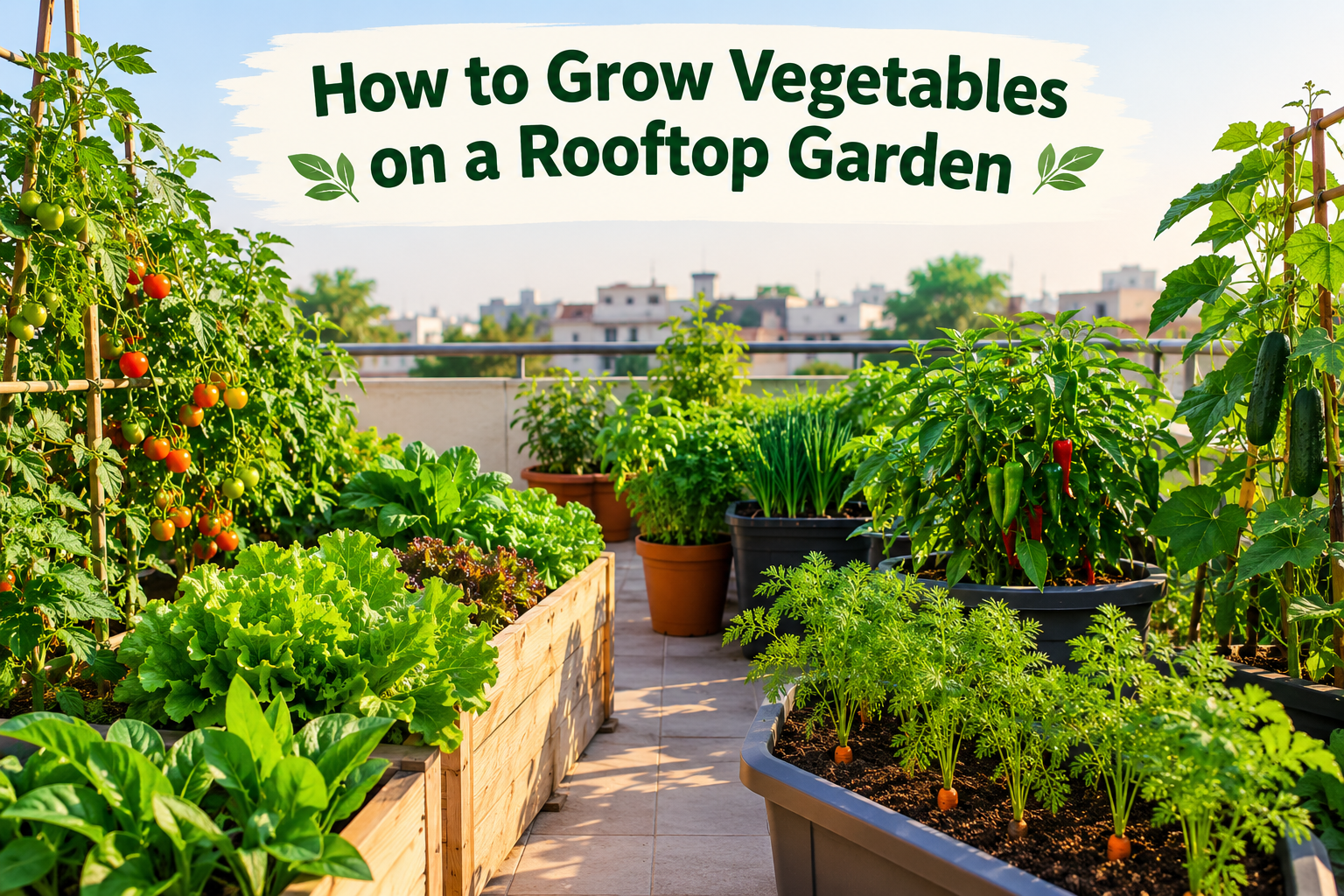
However, larger containers can become heavy when filled with wet soil. This is especially important if you are gardening on a balcony, rooftop, or raised structure.
Always consider the weight and stability of your setup before placing large containers in elevated areas.
My Simple Pot Size Guide
If you want a quick starting point, I would use this general guide:
Small vegetables: Around 6 to 8 inches deep for plants such as radishes, green onions, and some leafy greens.
Medium vegetables: Around 8 to 12 inches deep for many lettuce, spinach, herb, and compact pepper varieties.
Larger vegetables: Around 12 to 20 inches or more for many tomatoes, peppers, cucumbers, and eggplants.
These are general guidelines rather than strict rules. Plant variety, root structure, growing conditions, and mature plant size can change the ideal container size.
What Happens When a Pot Is Too Small?
A vegetable plant growing in a container that is too small may dry out very quickly. You might notice roots growing through the drainage holes, slow growth, yellowing leaves, or a plant that becomes difficult to keep hydrated.
The plant can also become unstable if its upper growth is much larger than its container.
If you notice these signs, the plant may need to be moved into a larger container.
What Happens When a Pot Is Too Large?
A container that is much larger than necessary can also create challenges. It requires more soil and can be harder to move.
If the growing medium stays excessively wet because of poor drainage and watering practices, the roots may also suffer.
This is why I prefer choosing a practical container size rather than automatically buying the biggest pot available.
Final Thoughts
Choosing the right pot size for vegetables is much easier when you understand the plant’s root system, mature size, and growing requirements. Small vegetables such as radishes, green onions, lettuce, and spinach can often grow successfully in relatively shallow containers, while tomatoes, cucumbers, peppers, and eggplants usually need more space.
The most important thing I have learned is not to judge a container by the size of the seedling. Think about how large the plant will become and how much room its roots will need.
Always look for proper drainage, provide suitable soil, and give each vegetable enough space. With a little planning, even a small balcony, patio, or terrace can become a productive vegetable garden.
The right pot does not have to be expensive. It simply needs to provide the plant with enough room, moisture control, stability, and a healthy growing environment. Once you get this part right, caring for container vegetables becomes much more enjoyable and straightforward.