 dolphinshave2stomachs
Related Articles
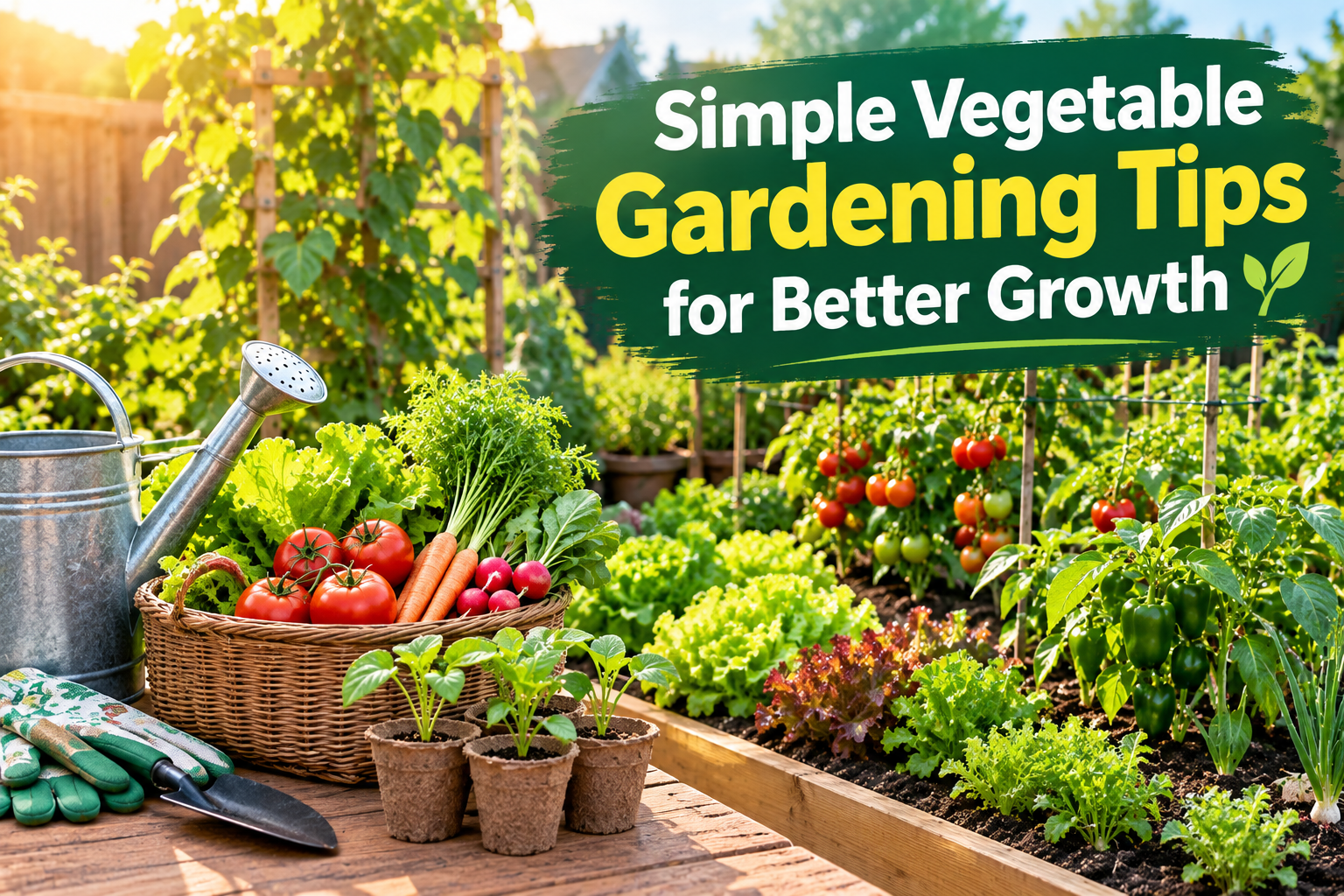
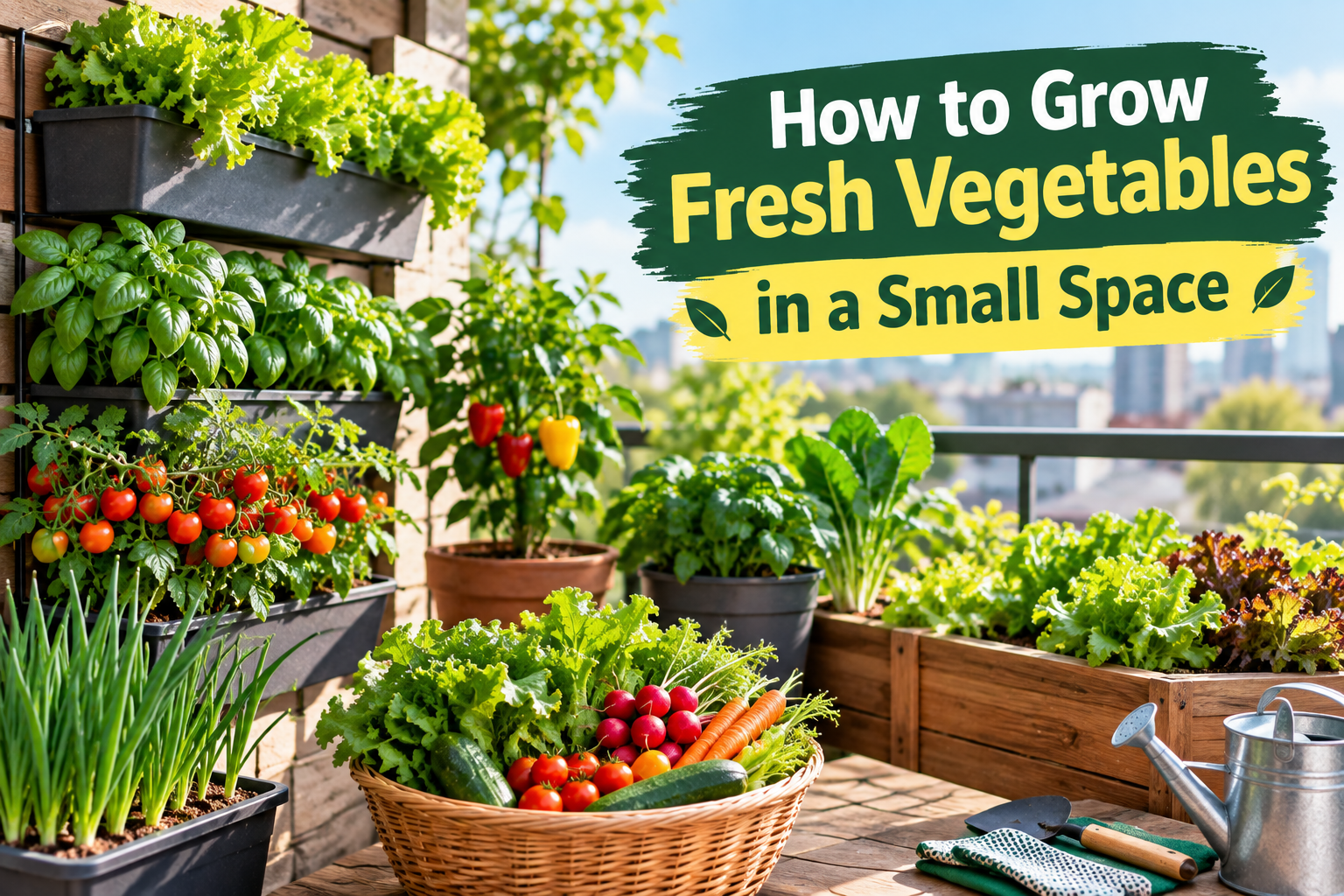
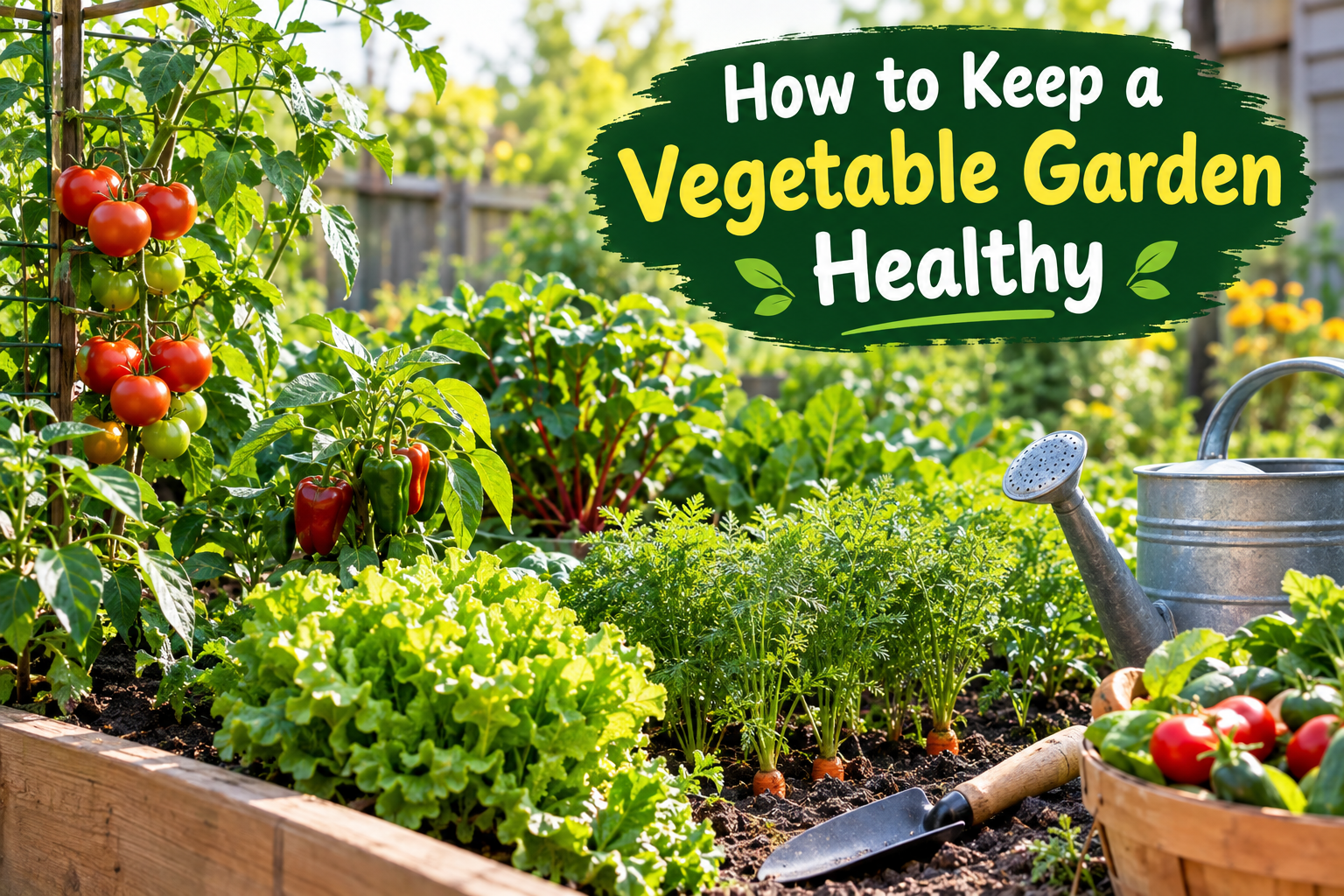
Starting a vegetable garden at home can be one of the most rewarding things you can do with your outdoor space. You do not need a large yard, expensive equipment, or years of gardening experience to grow fresh vegetables. Even a small balcony, patio, rooftop, or corner of the backyard can become a productive home vegetable garden with the right planning.
In my experience, the best way to start gardening is to keep things simple. Many beginners make the mistake of planting too many vegetables at once or buying more supplies than they actually need. A small and manageable garden is much easier to care for and can help you learn what works in your particular space.
If you are wondering how to start a vegetable garden at home for beginners, this guide will walk you through the process from choosing the right location to harvesting your first vegetables.
Choose the Right Location
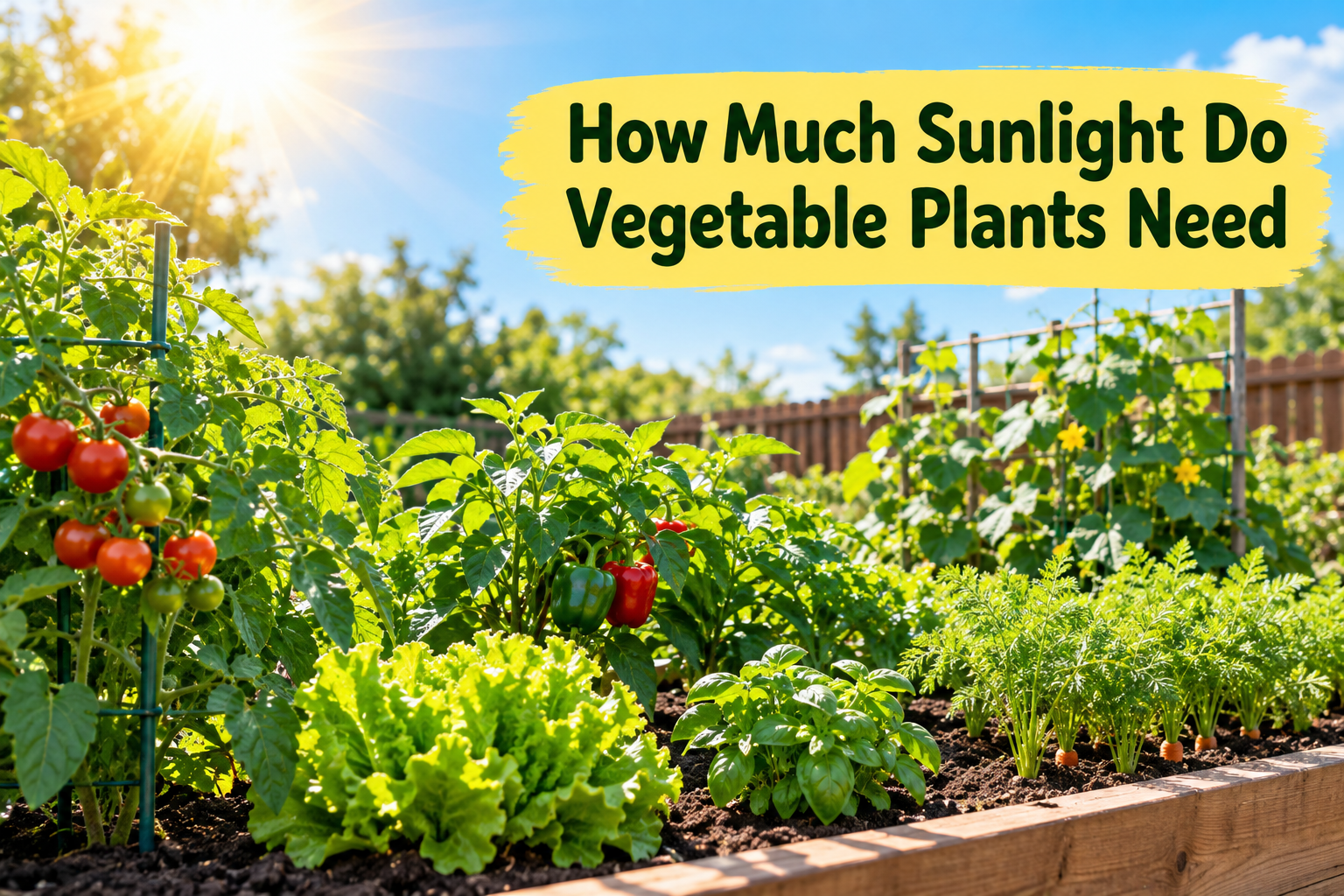
The first step in starting a vegetable garden is choosing a suitable location. Most vegetables need plenty of sunlight to grow properly. Before planting anything, observe your yard, balcony, patio, or garden area throughout the day.
A location that receives around six to eight hours of sunlight is suitable for many popular vegetables. Tomatoes, peppers, cucumbers, beans, and many herbs generally perform well when they receive plenty of direct sunlight.
If your available space receives less sunlight, do not give up on gardening. Some leafy vegetables and herbs can tolerate partial shade better than vegetables that produce fruit.
Another important factor is accessibility. I recommend choosing a place that is easy to reach because regular care becomes much easier when the garden is close to your home.
Decide What Type of Garden You Want
You can grow vegetables directly in the ground, in raised beds, or in containers. The best choice depends on the space available to you.
An in ground garden can provide plenty of room for vegetables, especially if you have a backyard. However, you need to make sure the soil drains well and is suitable for growing plants.
Raised garden beds are another popular option. They allow you to control the soil more easily and can make gardening more comfortable.
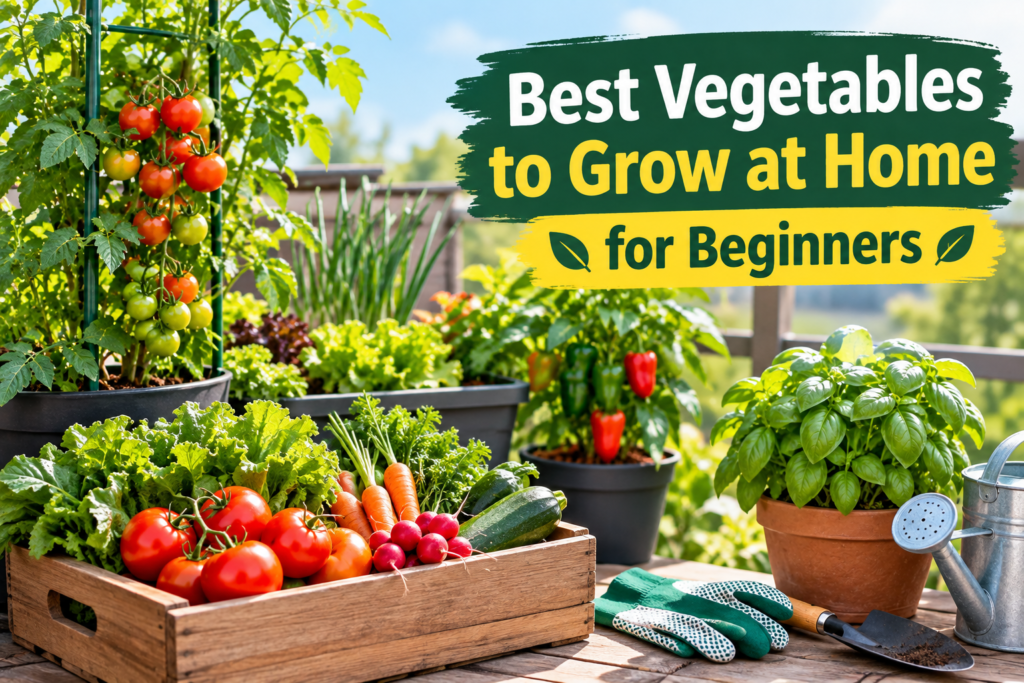
Container gardening is especially useful for beginners with limited space. You can grow tomatoes, peppers, lettuce, radishes, herbs, and other vegetables in suitable pots.
If you are completely new to gardening, I suggest starting with a few containers or a small garden bed rather than creating a large vegetable garden immediately.
Start With Easy Vegetables
Choosing the right vegetables can make your first gardening experience much easier. Some vegetables are more forgiving and do not require complicated care.
Good vegetables for beginners include lettuce, radishes, carrots, green beans, tomatoes, cucumbers, spinach, peppers, and herbs.
Think about the vegetables your family actually enjoys eating. There is little benefit in spending time growing something that nobody wants to use.
I also recommend starting with a small number of plants. Once you understand watering, sunlight, soil, pests, and harvesting, you can gradually add more vegetables.
Prepare the Soil
Healthy soil is one of the most important parts of a successful vegetable garden. Plants need nutrients, moisture, air, and good drainage to develop healthy roots.
If you are planting directly in the ground, remove weeds, grass, stones, and other unwanted material from the area. Loosen the soil so that plant roots can grow more easily.
Adding good quality compost can improve the soil and provide organic matter. Compost can also help improve soil structure and moisture retention.
For container gardening, use a quality potting mix designed for containers rather than simply filling pots with heavy garden soil. Good drainage is also important because excess water can damage plant roots.
Choose Seeds or Seedlings
You can start vegetables from seeds or purchase young plants from a garden center. Both methods have advantages.
Growing from seeds is usually inexpensive and gives you many varieties to choose from. It can also be a satisfying experience because you get to watch your plants develop from tiny seeds.
Seedlings can be easier for beginners because the early stages of growth have already been completed. This can be particularly useful for vegetables that take longer to establish.
Always check the instructions on your seed packet or plant label. Planting depth, spacing, sunlight requirements, and growing times can vary from one vegetable to another.
Plant at the Right Time
Timing is extremely important when starting a vegetable garden. Different vegetables prefer different temperatures and growing conditions.
Before planting, check the recommended planting season for your local climate. A vegetable that grows well during cooler weather may struggle during extreme heat, while warm season vegetables may not perform well during cold weather.
If you live in a hot climate, pay particular attention to heat tolerant varieties and watering needs. Local gardening centers and agricultural extension resources can also provide useful information about suitable planting times.
Give Plants Enough Space
It can be tempting to plant many vegetables close together, especially when your garden is small. However, overcrowding can create problems.
Plants need enough space for their roots, leaves, and branches. Crowded plants can also have poorer air circulation, which may increase the risk of certain plant diseases.
Follow the spacing recommendations provided on seed packets or plant labels. Proper spacing may make your garden look less full at first, but the plants will have room to grow.
Learn How to Water Properly
Watering is one of the most important parts of vegetable garden care. Both too little water and too much water can cause problems.
Instead of watering automatically every day, check the soil first. If the surface is dry and the plants need moisture, water them thoroughly.
Morning is often a convenient time to water because plants can use the moisture during the day. Try to water the soil around the roots rather than constantly wetting the leaves.
Container plants may require more frequent watering because containers can dry out faster than garden soil.
The goal is to maintain appropriate moisture without leaving the soil constantly soaked.
Protect Your Vegetable Garden From Pests
Garden pests are a normal part of growing vegetables. You may eventually notice insects feeding on leaves or other signs of plant damage.
The first thing I recommend is checking your plants regularly. Early detection can make problems much easier to manage.
Look underneath leaves and around stems for insects, eggs, or unusual damage. Remove larger pests by hand when practical.
Keeping the garden clean can also help. Remove dead leaves and damaged plant material instead of allowing them to accumulate around your vegetables.
Avoid using garden chemicals without understanding how they should be used. Always follow the product label and consider appropriate non chemical approaches when they are suitable.
Keep Weeds Under Control
Weeds compete with vegetables for water, nutrients, sunlight, and space. A small amount of regular maintenance can prevent weeds from becoming a major problem.
Check your garden frequently and remove weeds while they are still small. Pull them carefully so you do not disturb the roots of nearby vegetables.
Organic mulch can also help reduce weed growth while helping the soil retain moisture. Keep mulch appropriately spaced around plant stems.
Give Your Plants Support
Some vegetables need additional support as they grow. Tomatoes, cucumbers, beans, and climbing plants can benefit from stakes, cages, trellises, or other suitable supports.
Providing support early can make it easier to manage the plants later. It can also keep fruits and leaves away from the ground.
When choosing supports, make sure they are strong enough for the mature size of the plant.
Pay Attention to Your Plants
One of the best ways to become a better gardener is simply to observe your plants.
Look at the leaves, stems, flowers, and soil regularly. Changes in leaf color, growth, or appearance can sometimes indicate that something needs attention.
For example, wilting may be related to water stress, while yellow leaves can have several possible causes. Avoid immediately assuming that every problem requires fertilizer or a treatment.
Gardening is largely a learning process. Your plants can teach you a lot about the conditions in your garden.
Harvest Vegetables at the Right Time
Harvesting is probably the most enjoyable part of having a home vegetable garden. Many vegetables taste best when harvested at the appropriate stage.
Leafy greens can often be harvested gradually instead of removing the entire plant. Beans and cucumbers are usually picked while they are still young and tender.
Tomatoes can be harvested when they reach the desired level of ripeness. Root vegetables such as carrots and radishes can be checked periodically to determine whether they have reached a suitable size.
Harvest regularly when vegetables are ready. Frequent harvesting can encourage some plants to continue producing.
Common Beginner Gardening Mistakes
There are several mistakes that new gardeners commonly make. One is starting with a garden that is too large. A large garden can quickly become difficult to maintain.
Another mistake is watering without checking the soil. More water does not always mean healthier plants.
Poor sunlight is another common problem. Before planting, make sure your chosen vegetables match the amount of sunlight available.
It is also important not to ignore plant spacing. Giving vegetables enough room can make maintenance easier and support healthier growth.
Finally, do not become discouraged if everything does not grow perfectly the first time. Gardening involves experimentation, and even experienced gardeners have unsuccessful seasons.
How to Make Your Vegetable Garden More Successful
Keeping a simple gardening notebook can be surprisingly useful. Write down what you planted, when you planted it, how often you watered, and how the plants performed.
Over time, you will build a personal record of what works in your garden.
You can also experiment with different vegetables and varieties. If one vegetable does not perform well, try another variety during the next growing season.
Using compost, maintaining healthy soil, providing enough sunlight, watering appropriately, and checking plants regularly can all contribute to better results.
Final Thoughts
Starting a vegetable garden at home does not have to be complicated. With a suitable location, healthy soil, the right vegetables, and consistent care, beginners can successfully grow fresh produce at home.
My biggest advice is to start small and learn as you go. You do not need to create a perfect garden on your first attempt. Begin with a few vegetables that you enjoy eating, understand their basic requirements, and gradually expand your garden as your confidence grows.
A home vegetable garden can provide more than fresh food. It can become a relaxing hobby and a practical way to spend time outdoors. Once you harvest vegetables that you have grown yourself, you may find that gardening becomes something you genuinely look forward to.
With patience and regular attention, your small vegetable garden can eventually become a productive part of your home.