 dolphinshave2stomachs
Related Articles
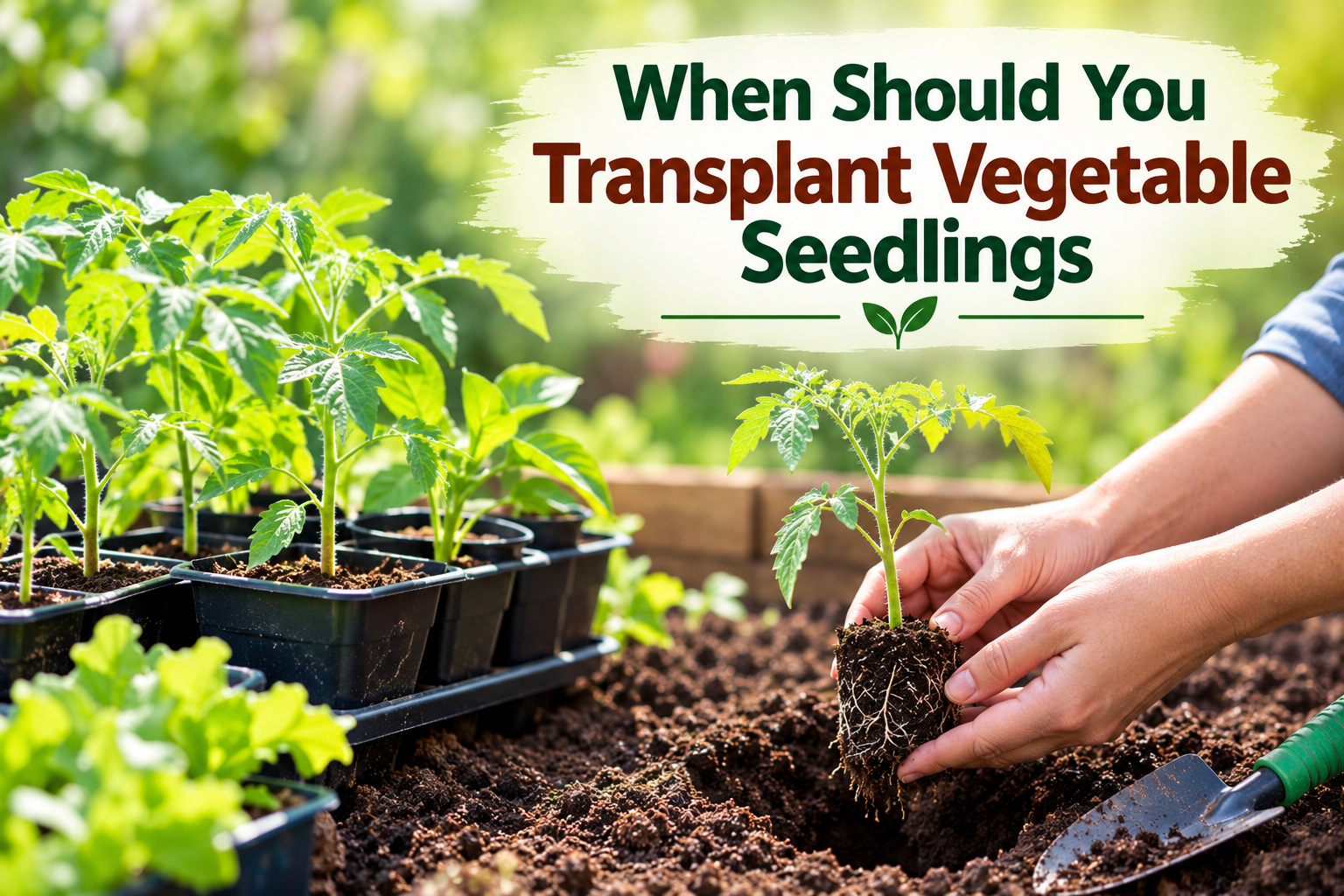
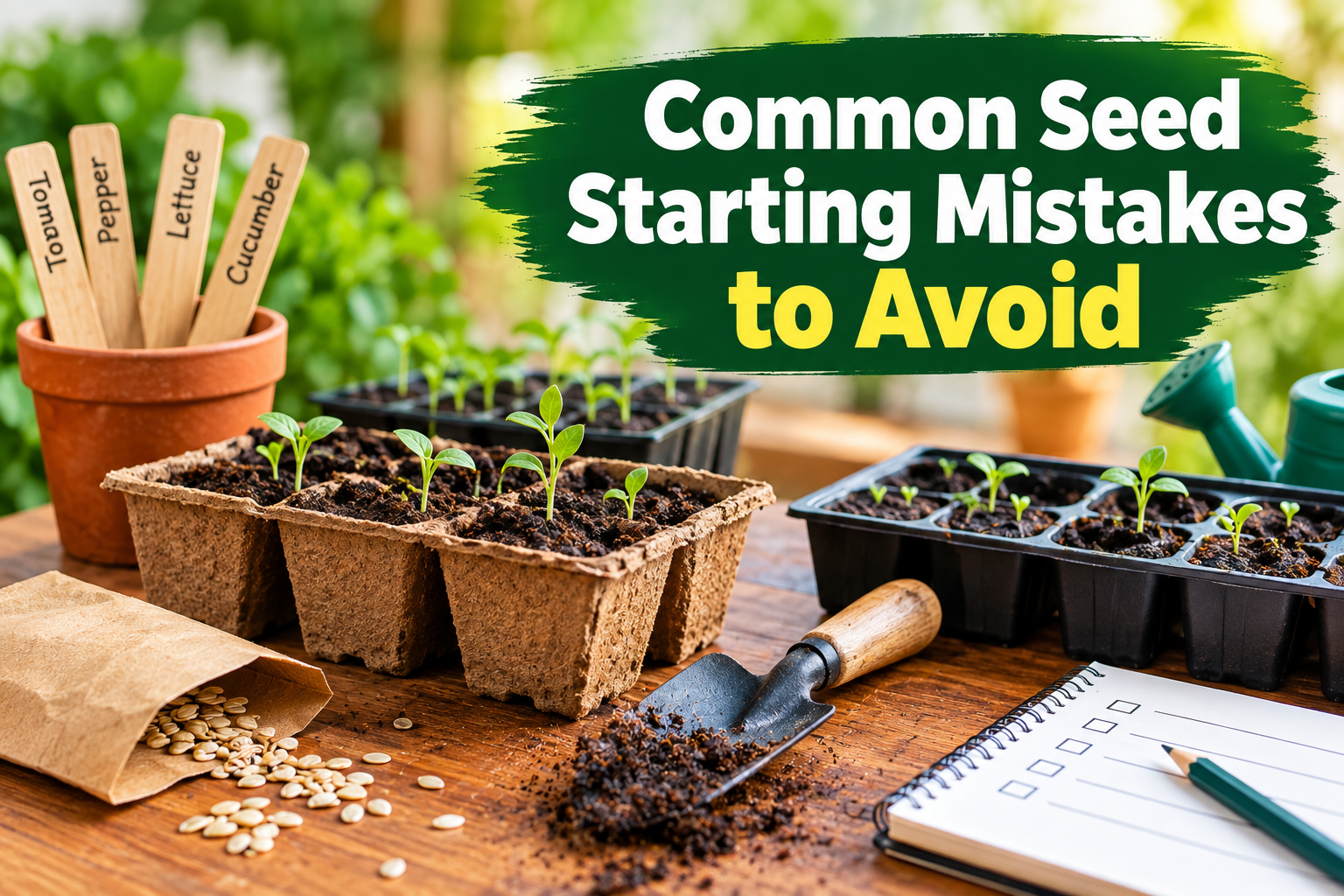
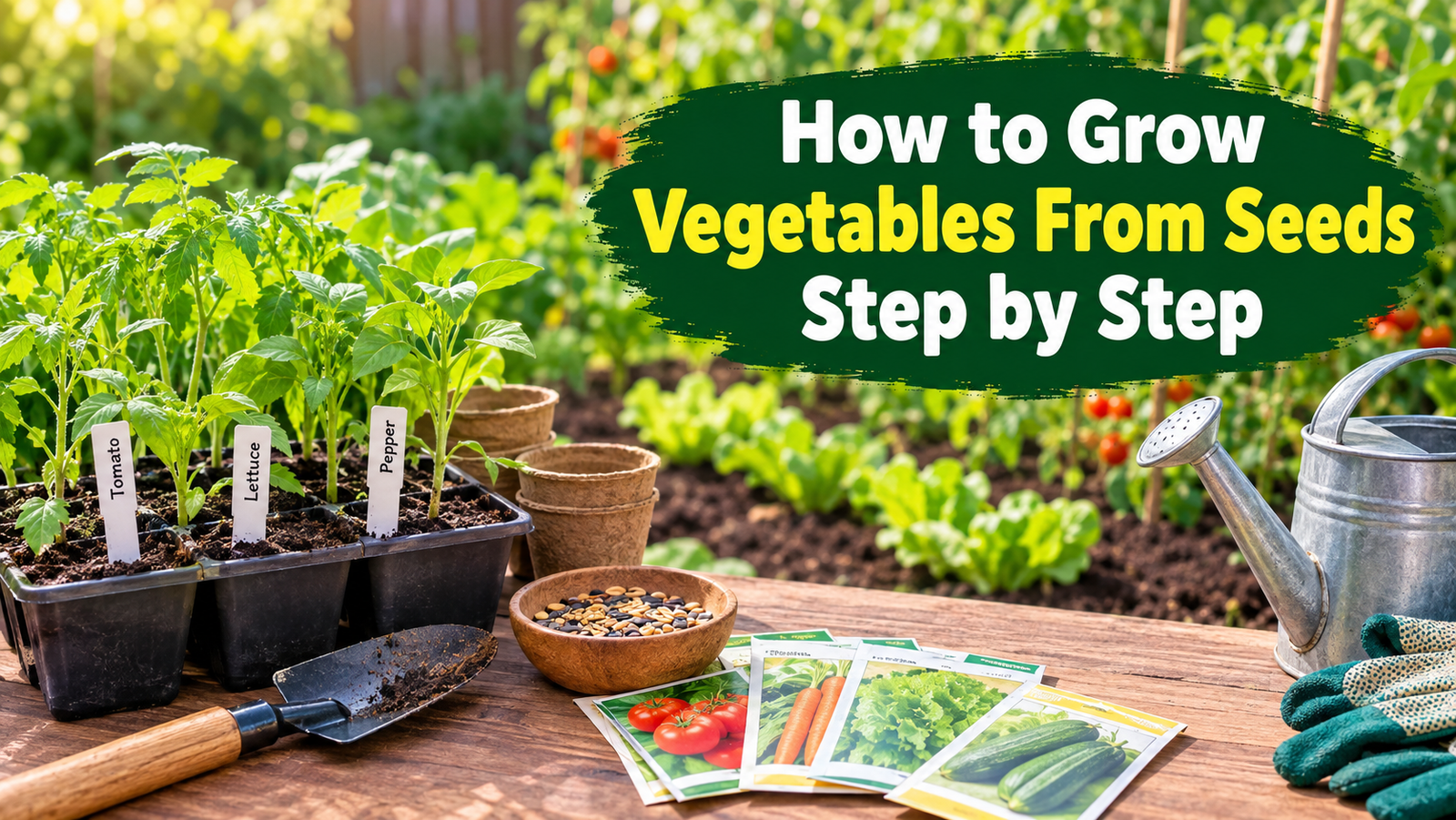
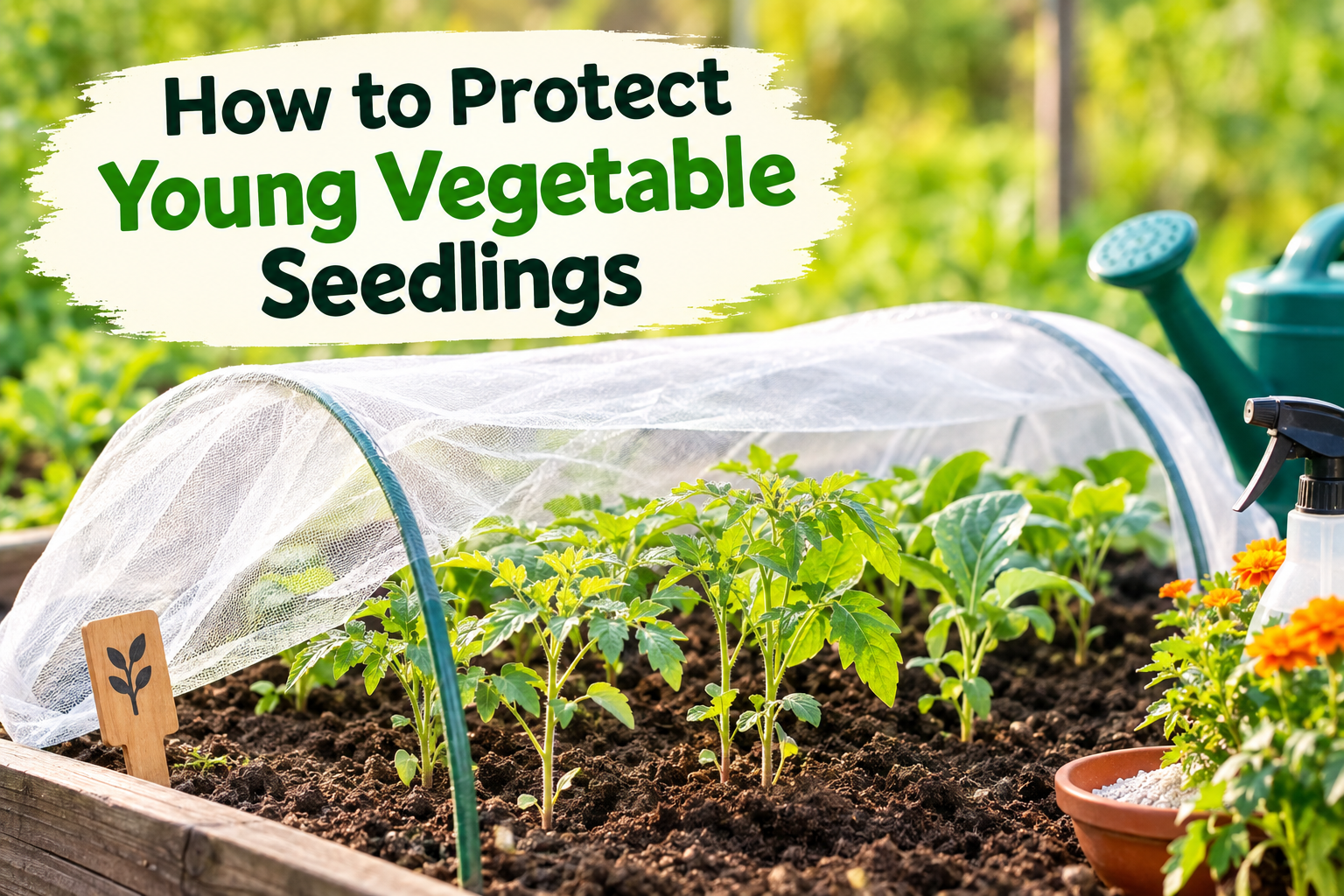
Planting vegetable seeds at the right depth is one of the simplest things you can do to improve germination and encourage healthy plant growth. In my experience, many gardening problems actually begin at planting time. A seed may be healthy and the soil may be good, but if the seed is planted too deeply or too shallowly, it may struggle to emerge.
The good news is that you do not need complicated equipment to get seed depth right. With a little attention and an understanding of the needs of different vegetables, you can plant seeds with much more confidence.
In this guide, I will explain how deep to plant vegetable seeds, why planting depth matters, and what you should consider when planting common vegetables in your garden.
Why Seed Planting Depth Matters
Every vegetable seed contains the energy needed to begin its early growth. However, that stored energy is limited. The young plant needs enough strength to push its stem through the soil and reach sunlight.
If a seed is planted too deeply, the developing seedling may run out of energy before reaching the surface. This is especially common with very small seeds that naturally have less stored energy.
On the other hand, planting a seed too close to the surface can also cause problems. The seed may dry out quickly, become exposed to birds, or fail to develop a strong connection with moist soil.
The goal is to place the seed deep enough to remain protected and moist while still allowing the young seedling to reach the surface easily.
The General Rule for Planting Vegetable Seeds
A useful general rule is to plant most vegetable seeds at a depth of about two to three times the seed’s diameter.
This is only a general guideline because different vegetables have different requirements. Large seeds such as beans and peas can usually be planted deeper than tiny seeds such as lettuce and carrots.
For many common vegetables, planting depths range from about one eighth of an inch to one inch. Larger seeds may sometimes be planted up to two inches deep.
I recommend checking the seed packet whenever possible because the instructions provided for a particular variety can be more accurate than a general rule.
How Deep Should You Plant Small Seeds?
Small vegetable seeds usually need very shallow planting.
Vegetables such as lettuce, carrots, radishes, and some leafy greens have small seeds. These seeds generally need only a light covering of soil.
If you bury small seeds too deeply, they may have difficulty reaching the surface. In some cases, gardeners press the seeds gently into the soil and cover them with only a thin layer of fine soil.
The most important thing with small seeds is consistent moisture. Since they are planted near the surface, they can dry out quickly during warm or windy weather.
When watering these seeds, I prefer gentle watering rather than a strong stream that can wash the seeds away.
How Deep Should You Plant Medium Sized Seeds?
Many popular vegetables have medium sized seeds and can be planted around one half inch deep, although the exact depth depends on the vegetable and variety.
Examples include beets, Swiss chard, cucumbers, squash, and some beans.
These seeds have more stored energy than tiny seeds, so they can usually handle slightly deeper planting. Still, planting them excessively deep can delay germination or prevent seedlings from emerging.
A shallow trench made with your finger or a garden tool is often enough. After placing the seeds, cover them lightly and gently firm the soil.
How Deep Should You Plant Large Vegetable Seeds?
Large seeds generally tolerate deeper planting because they contain more stored energy.
Peas and beans are common examples. Depending on the variety and soil conditions, they are often planted around one to two inches deep.
Planting large seeds too shallowly can leave them vulnerable to drying out. Birds may also disturb seeds that are close to the surface.
When planting larger seeds, I like to make a small hole at the recommended depth, place the seed inside, and cover it with loose soil. Avoid pressing the soil down too hard because young roots need access to air and moisture.
Vegetable Seed Planting Depth Chart
Here is a simple guide to help you understand the approximate planting depth for common vegetables.
| Vegetable | Approximate Seed Depth |
|---|---|
| Lettuce | 1/8 inch |
| Carrots | 1/8 to 1/4 inch |
| Radishes | 1/4 to 1/2 inch |
| Spinach | 1/2 inch |
| Beets | 1/2 inch |
| Swiss chard | 1/2 inch |
| Cucumber | 1 inch |
| Squash | 1 inch |
| Corn | 1 to 1.5 inches |
| Peas | 1 to 1.5 inches |
| Beans | 1 to 1.5 inches |
| Pumpkin | 1 inch |
| Sunflower | 1 to 1.5 inches |
These depths are general recommendations. Always compare them with the instructions on your seed packet because varieties and growing conditions can differ.
Soil Type Can Affect Planting Depth
Your soil also matters when deciding how to plant vegetable seeds.
In loose, sandy soil, water can move through the soil relatively quickly. Seeds may need to be planted according to the recommended depth while receiving consistent moisture.
Heavy clay soil is different. It can become compacted and difficult for small seedlings to push through. In this situation, I avoid burying seeds deeper than necessary.
Good seed starting soil should be loose, reasonably fine, and able to hold moisture without becoming waterlogged. Preparing the soil before planting can make a noticeable difference in germination.
Do Not Pack Soil Too Tightly
One mistake I often see beginners make is pressing the soil down heavily after planting seeds.
Seeds need moisture, oxygen, and suitable temperatures to germinate. Extremely compacted soil can reduce the spaces between soil particles and make it harder for roots and seedlings to develop.
After covering the seeds, gently firm the soil rather than compressing it. The surface should remain loose enough for the emerging seedling to push through.
Watering After Planting Seeds
Watering is just as important as planting depth.
Freshly planted seeds need consistent moisture to begin germination. However, the soil should not remain excessively wet.
A strong flow of water can move seeds away from their intended positions, especially when planting shallow seeds. A gentle watering method is usually better.
During warm weather, check the soil regularly. The surface may appear dry while the soil underneath still has enough moisture, so avoid watering automatically without checking the conditions.
Once seedlings emerge, adjust your watering routine according to the vegetable, weather, and soil.
Temperature Also Affects Germination
Planting depth is important, but it is not the only factor that determines whether seeds germinate.
Different vegetables prefer different soil temperatures. Cool season vegetables can often germinate in cooler soil, while warm season vegetables generally need warmer conditions.
For example, planting warm season seeds too early can result in slow or uneven germination even when the seeds are planted at the correct depth.
Before planting, I recommend checking the recommended growing conditions for the vegetable you are growing. Good timing combined with proper seed depth can give your plants a much better start.
What Happens If Seeds Are Planted Too Deep?
Seeds planted too deeply may take longer to emerge or may fail to emerge at all.
The young seedling has to push through more soil before it can access sunlight. If the distance is too great, the seedling may use most of its stored energy before reaching the surface.
You may notice delayed germination, weak seedlings, or empty areas where seeds were planted.
If this happens, do not immediately assume that the seeds were bad. Planting depth, moisture, temperature, soil compaction, and seed quality can all affect germination.
What Happens If Seeds Are Planted Too Shallow?
Very shallow seeds can dry out quickly, especially in hot weather.
They can also become exposed after heavy watering or rain. Birds and other garden visitors may disturb them as well.
However, some tiny seeds actually need light or very shallow planting, so covering every seed deeply is not a good approach.
This is why identifying the vegetable and checking its planting instructions is important.
A Simple Way to Measure Seed Depth
You do not need special gardening tools to measure seed depth.
For shallow seeds, the tip of your finger can help create a small indentation. For deeper seeds, you can use a ruler or the handle of a garden tool to make a consistent trench.
I find it helpful to make all planting holes approximately the same depth when planting a row. This can encourage more even emergence.
If you are new to vegetable gardening, measuring the first few holes can also help you develop a better sense of planting depth.
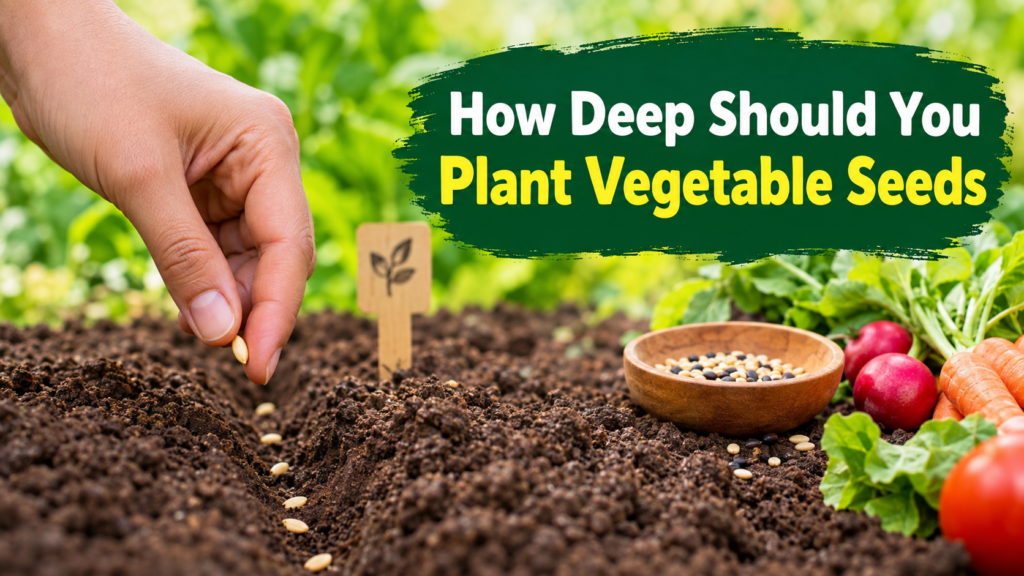
Should You Cover Seeds Completely?
Most vegetable seeds should be covered according to their recommended depth.
The covering protects the seed and helps maintain contact with moist soil. However, the covering should not form a hard crust.
Use fine, loose soil when possible. Large clumps can create uneven coverage and make it harder for small seedlings to emerge.
After planting, gently water the area and keep an eye on moisture until the seedlings appear.
My Simple Approach to Planting Vegetable Seeds
When I plant vegetable seeds, I try not to make the process more complicated than it needs to be.
First, I prepare the soil and remove large stones and debris. Then I check the seed packet for the recommended depth and spacing. I make a shallow trench or individual holes, place the seeds, and cover them with loose soil.
After that, I water gently and keep the soil consistently moist.
I also label different rows when planting several vegetables. This makes it easier to remember what was planted and monitor germination.
This simple routine works well because it focuses on the basic needs of the seed rather than trying to control every small detail.
Final Thoughts
Knowing how deep to plant vegetable seeds can make vegetable gardening easier and more successful. The right depth protects the seed while giving the young seedling enough room and energy to reach the surface.
As a general rule, small seeds need shallow planting, while larger seeds can usually be planted deeper. Soil condition, moisture, temperature, and the specific vegetable also play important roles.
If you are unsure, start with the instructions on the seed packet and use the seed size as a helpful guide. With practice, you will quickly develop a natural understanding of how deep different vegetable seeds should be planted.
Good planting depth is a small detail, but it can have a big effect on germination, seedling strength, and the overall health of your vegetable garden.