 dolphinshave2stomachs
Related Articles
Water is one of the most important things a vegetable garden needs to grow well. From my experience with gardening, I have learned that watering is not simply about giving plants water every day. The real goal is to understand when your vegetable plants actually need more water and how much moisture the soil can hold.
Different vegetables have different watering needs, and weather conditions can also change how quickly the soil dries. Hot days, strong sunlight, dry winds, sandy soil, and plants growing in containers can all increase the need for water. If you learn to recognize the signs of water stress early, you can help your vegetable plants recover before their growth and harvest are seriously affected.
In this article, I will explain the most common signs your vegetable plants need more water and share simple watering tips that can help keep a vegetable garden healthy.
1. Wilting Leaves Are a Common Warning Sign
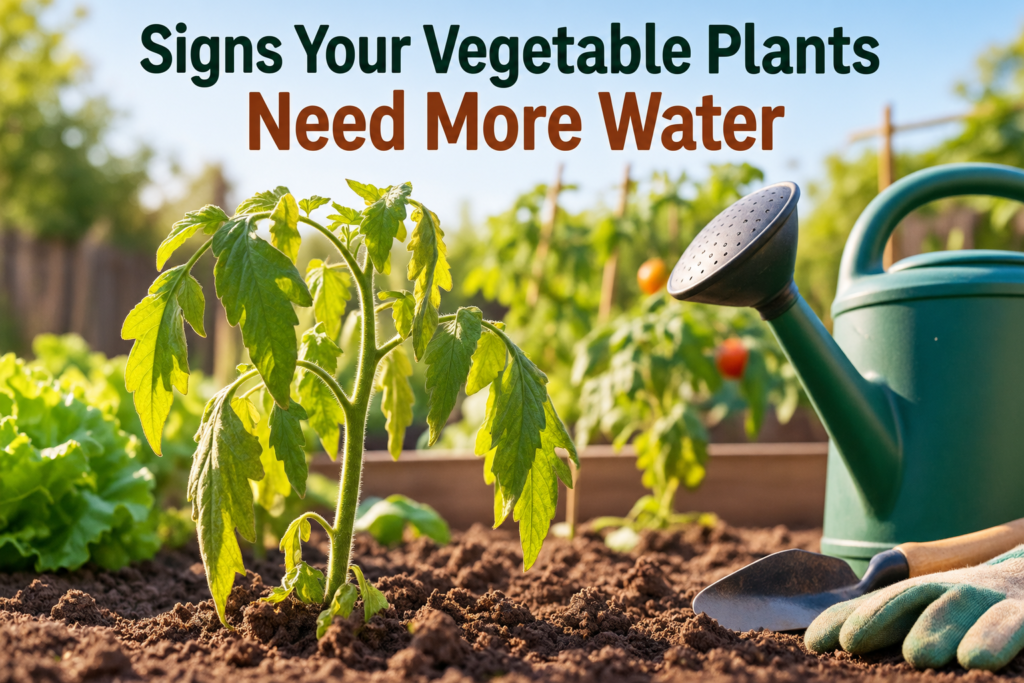
One of the easiest signs to notice is wilting. When vegetable plants do not receive enough water, their leaves may become soft, weak, and droopy. The stems can also lose their firmness.
Plants such as tomatoes, cucumbers, peppers, beans, and squash can show wilting quite clearly when they are thirsty.
However, wilting does not always mean the plant needs water. Some plants naturally wilt temporarily during very hot afternoons and recover when temperatures become cooler. This is why I prefer checking the soil before watering instead of relying only on the leaves.
If the soil is dry several inches below the surface and the plant remains wilted, it is a strong indication that watering is needed.
2. Dry Soil Around the Plant
Checking the soil is one of the simplest ways to know whether your vegetable plants need water.
I usually recommend pushing your finger into the soil near the plant. If the top layer feels dry, check a little deeper. If the soil several inches down also feels dry, the plant may need a thorough watering.
Very dry soil can sometimes become hard and compacted. In this condition, water may run away from the root area instead of soaking into the soil properly.
Rather than giving the plant a very small amount of water, water slowly so moisture has time to move down toward the roots.
3. Leaves Become Dry or Crispy
Another sign of water stress is leaves that become dry, brittle, or crispy around the edges.
When plants do not receive enough moisture, the leaves can lose their normal healthy appearance. The edges may turn brown, and eventually larger sections of the leaf may become damaged.
This problem can become worse during hot weather because plants lose water more quickly through a natural process called transpiration.
If you notice dry leaf edges along with very dry soil, check your watering routine. Increasing the frequency or improving how deeply you water may help.
4. Slow or Stunted Growth
Water is essential for plant growth. When vegetable plants consistently receive too little water, their growth can slow down.
You may notice that new leaves are appearing slowly or that plants are not becoming as large as expected. Young plants are especially vulnerable because their root systems are still developing.
For me, this is an important reason to monitor soil moisture regularly. A plant that receives enough sunlight and nutrients can still struggle if there is not enough water available around its roots.
Consistent moisture is especially important during periods of rapid growth.
5. Flowers and Young Fruits May Drop
Water stress can also affect flowering and fruit production. Vegetables such as tomatoes, peppers, cucumbers, beans, and squash need adequate water during flowering and fruit development.
When a plant experiences significant water stress, flowers may drop before producing fruit. Young fruits may also stop developing normally.
This does not mean every flower drop is caused by underwatering. Temperature, pollination, plant health, and other growing conditions can also play a role. However, if flower drop happens together with dry soil and wilted leaves, water stress is worth considering.
6. Vegetables May Stay Small
Another sign that plants may need more water is poor vegetable development.
For example, cucumbers may remain small, beans may not develop properly, and leafy vegetables may produce less growth. Root vegetables can also be affected when soil moisture is consistently inadequate.
Water supports many important processes inside plants. When moisture is limited, plants often focus on survival instead of producing strong new growth.
If your plants look healthy but their harvest is unusually small, I would check the soil moisture before assuming that fertilizer is the solution.
7. Leaves May Turn Yellow
Yellow leaves can sometimes indicate underwatering, although yellowing has many possible causes.
When a plant experiences prolonged water stress, leaves can lose their healthy green appearance. Older leaves may be affected first, especially when the plant is struggling to maintain growth.
Before adding fertilizer, I suggest checking the soil. If it is extremely dry, water the plant properly and observe its condition over the following days.
If the leaves remain yellow after the soil moisture improves, other causes such as nutrient problems, pests, disease, or root damage may need to be considered.
8. Container Vegetable Plants Dry Out Quickly
Vegetables growing in containers often need more frequent watering than vegetables planted directly in the ground.
Containers have a limited amount of soil, and they can lose moisture quickly, especially in hot weather. Small pots can dry even faster.
I have found that checking container plants regularly is much better than following a fixed watering schedule. A container that feels moist today may become dry tomorrow depending on temperature, sunlight, wind, and plant size.
Make sure the container has drainage holes and water thoroughly when the soil becomes dry enough to require watering.
9. Plants Look Better After Watering
Sometimes the plant itself provides a very useful clue. If a wilted plant becomes noticeably stronger and its leaves return to a healthier position after watering, lack of moisture may have been contributing to the problem.
This response can help you understand your garden.
Still, I would not use temporary recovery as the only test. It is better to look at the soil, weather, plant type, and watering pattern together.
How Often Should Vegetable Plants Be Watered?
There is no single watering schedule that works for every vegetable garden.
The amount of water your plants need depends on several factors, including temperature, rainfall, soil type, plant size, plant variety, container size, and stage of growth.
Instead of automatically watering every morning, I prefer checking the soil first.
During hot and dry weather, vegetables may need water more frequently. During cool or rainy periods, they may need much less.
The goal is to keep the root zone adequately moist without keeping the soil constantly saturated.
Water Deeply Instead of Lightly
One of the most useful vegetable garden watering tips is to water deeply rather than giving plants tiny amounts of water frequently.
Light watering may only wet the upper layer of soil. This can encourage roots to remain close to the surface, where they are more vulnerable to drying.
Deep watering allows moisture to reach a larger portion of the root zone. Water slowly and give it enough time to soak into the soil.
If water begins running across the surface, slow down or pause and allow the soil to absorb it.
Water at the Right Time
The timing of watering can also make a difference.
Morning is generally a convenient time to water vegetable plants because the plants have access to moisture during the day. Watering early can also help avoid leaving foliage wet for long periods compared with watering late in the evening.
During extremely hot weather, plants may show temporary afternoon wilting even when the soil still contains enough moisture. This is another reason to check the soil before immediately adding more water.
Use Mulch to Maintain Soil Moisture
Mulching is one of my favorite ways to help vegetable garden soil retain moisture.
Organic mulch such as straw, shredded leaves, or suitable compost can cover the soil surface and reduce moisture loss. Mulch can also help keep soil temperatures more stable.
Leave some space around the plant stem instead of piling mulch directly against it.
A good layer of mulch can be especially useful during hot weather when water evaporates quickly from exposed soil.
Avoid Overwatering
Seeing wilted plants can make gardeners think they need to add a large amount of water immediately. However, overwatering can create its own problems.
Roots need access to oxygen as well as water. Soil that stays excessively wet can create poor conditions around the roots.
Before watering, check the soil. If it is already moist several inches below the surface, adding more water may not be necessary.
Good vegetable garden watering is about balance. The soil should provide enough moisture without remaining waterlogged.
Pay Extra Attention During Hot Weather
Hot weather is one of the biggest reasons vegetable plants may suddenly need more water.
High temperatures increase moisture loss from both soil and plants. Strong sunlight and dry wind can make the situation even more challenging.
During hot periods, I recommend checking your garden more frequently rather than waiting for obvious signs of stress.
Young seedlings, newly transplanted vegetables, and container plants deserve particular attention because they can dry out quickly.
Final Thoughts
Learning the signs your vegetable plants need more water can make a big difference in the health of your garden. Wilting leaves, dry soil, crispy leaf edges, slow growth, flower drop, small vegetables, and yellowing leaves can all indicate that a plant is experiencing water stress, although some of these signs can also have other causes.
From my point of view, the best approach is to observe the whole plant and check the soil before watering. Do not depend only on a fixed schedule because weather and growing conditions can change from one day to another.
Water deeply when the soil needs it, use mulch to help retain moisture, pay extra attention during hot weather, and avoid keeping the soil constantly saturated.
With regular observation and a little practice, you can become much better at understanding what your vegetable plants are telling you. Healthy watering habits can support stronger growth, better flowering, and a more productive vegetable garden throughout the growing season.