 dolphinshave2stomachs
Related Articles
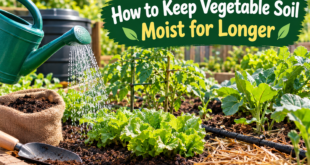
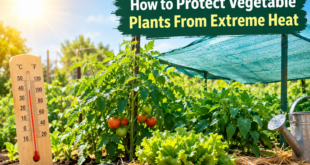
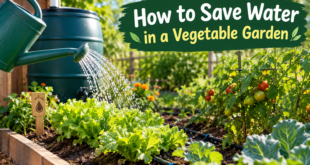
Watering is one of the simplest parts of vegetable gardening, but the time of day when you water can make a noticeable difference in how well your plants grow. From my experience, watering at the right time helps the soil stay moist for longer, gives plant roots better access to water, and can also reduce unnecessary water loss.
Many gardeners wonder whether vegetables should be watered in the morning, afternoon, or evening. The short answer is that early morning is usually the best time of day to water vegetable plants. However, there are situations when evening watering can also be useful.
In this article, I will explain the best watering time for a vegetable garden, why timing matters, how weather affects watering, and some simple watering habits that can help vegetables grow healthier.
Why Watering Time Matters
Vegetable plants need water for several important processes, including nutrient absorption, photosynthesis, and healthy growth. However, simply adding water to the garden is not always enough.
If you water during the hottest part of the day, some of the water can evaporate quickly before it reaches the deeper soil. If you water late at night and regularly leave plant leaves wet for many hours, you can create conditions that encourage some plant diseases.
This is why I prefer to think about watering as more than just giving plants water. The goal is to get moisture into the root zone while losing as little water as possible.
The best watering schedule depends on your soil, climate, vegetable plants, and weather conditions, but timing remains an important part of good garden care.
The Best Time to Water Vegetable Plants
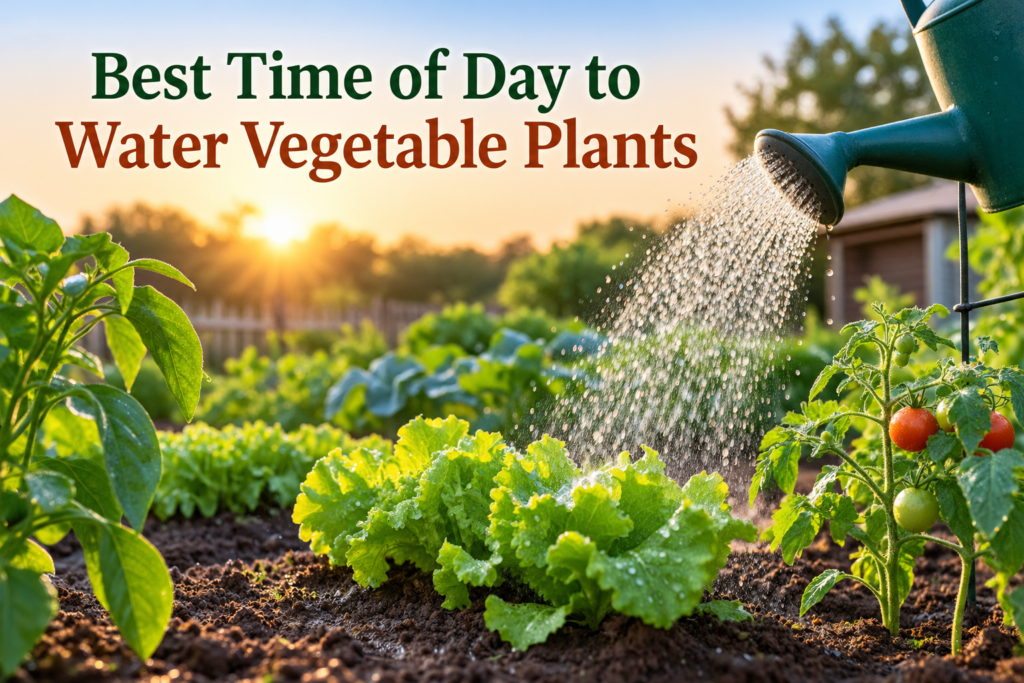
For most vegetable gardens, early morning is the best time to water plants.
Morning watering allows the soil to absorb moisture before the temperature becomes too high. Plants can then use that moisture throughout the day when sunlight and normal plant activity increase.
I find morning watering especially useful during warm weather. The soil gets a good supply of moisture, and plants have access to water before the hottest part of the day arrives.
Another advantage is that if some water reaches the leaves, they usually have plenty of time to dry during the day. Keeping foliage dry for much of the night can be helpful for reducing conditions that favor certain fungal diseases.
If you have time in the morning, watering around sunrise or soon afterward is generally a practical choice.
Why Early Morning Watering Works Well
There are several reasons why early morning watering is beneficial for vegetable plants.
First, temperatures are normally lower in the morning than during the afternoon. This means less water is immediately lost through evaporation.
Second, the soil has time to absorb water before strong sunlight and high temperatures increase evaporation.
Third, plants have water available during the daytime. This can be particularly important during hot weather when vegetables may lose water through natural processes.
Finally, morning watering gives wet foliage time to dry. This is one reason I prefer morning watering whenever my schedule allows it.
Of course, morning watering does not mean you need to water at exactly the same minute every day. Consistency and checking the actual moisture level of the soil are more important than following a rigid clock.
Is Evening a Good Time to Water Vegetable Plants?
Evening can be the second best option when morning watering is not possible.
Watering in the evening has one obvious benefit. Temperatures are usually lower, so less water may be lost to evaporation compared with watering during a hot afternoon.
However, I would focus on watering the soil rather than spraying the leaves. If leaves remain wet throughout the night, some plants may become more vulnerable to fungal problems, especially in humid conditions.
Using a watering can, soaker hose, or drip irrigation system to direct water toward the soil can make evening watering more practical.
If your garden is very dry and your plants are showing signs of water stress, I would not wait until the next morning simply because morning is considered the ideal time. Supplying needed water is more important than following a perfect schedule.
Why Midday Is Usually Not the Best Time
The middle of the day is generally not my first choice for watering vegetable plants.
During hot weather, sunlight and high temperatures can cause water to evaporate quickly. Some water may disappear from the soil surface before it has a chance to move deeply into the root zone.
That does not mean midday watering is always harmful. If plants are seriously thirsty or beginning to wilt because of heat, watering them is better than leaving them without water.
Still, if you are planning your normal garden watering routine, early morning is usually more efficient.
For gardeners who work during the day, an automatic irrigation system can also make early morning watering easier.
How Much Water Do Vegetable Plants Need?
Knowing the best time to water is only part of the process. You also need to provide enough water to reach the roots.
Instead of giving vegetables a small amount of water every day, I generally prefer deeper watering when the soil needs it. The exact amount depends on the vegetable, soil type, temperature, rainfall, and stage of plant growth.
The goal is to moisten the root zone without keeping the soil constantly saturated.
Shallow watering can encourage roots to remain close to the soil surface. Deeper watering can encourage plants to develop a more useful root system, particularly when combined with suitable soil conditions.
However, avoid creating waterlogged soil. Vegetable roots need both moisture and air around them. Poor drainage can cause serious root problems.
Check the Soil Before Watering
One of the easiest gardening habits is to check the soil before reaching for the hose.
Put your finger into the soil near the plant, avoiding direct contact with the stem. If the soil feels reasonably moist below the surface, the plant may not need more water yet.
If the upper soil is dry and the deeper soil is also becoming dry, it may be time to water.
This simple check is more useful than watering automatically every morning without considering actual conditions.
Different areas of the same garden can also dry at different speeds. A sunny raised bed may need water sooner than a partially shaded area.
Water the Soil, Not Just the Leaves
When watering vegetable plants, I try to direct the water toward the soil around the root zone.
Roots are where plants take up most of their water, so soaking the soil is generally more useful than simply wetting the leaves.
Watering at soil level also helps keep foliage drier. This is particularly useful for vegetables that are susceptible to leaf diseases.
A slow and steady application is often better than a fast splash. Water applied too quickly can run away from the planting area instead of soaking into the soil.
Best Watering Time During Hot Weather
Hot weather changes how often you may need to water your vegetable garden.
During periods of high temperature, plants can lose water faster and soil can dry out more quickly. Morning watering becomes particularly useful because it supplies moisture before the heat of the day.
You should also pay attention to signs of water stress. Wilting leaves, dry soil, and slowed growth can indicate that plants need attention. However, some plants naturally droop during intense heat and recover later, so checking the soil is still important.
Adding a layer of organic mulch around plants can also help the soil retain moisture and reduce evaporation.
Best Watering Time After Rain
After rainfall, do not automatically water your vegetable garden again.
Rainfall may have provided enough moisture for the plants, especially if the soil is still damp below the surface. Check the soil before adding more water.
Light rain may wet only the surface, while a longer period of rainfall can provide moisture deeper into the root zone.
This is another reason why I prefer checking the soil instead of following a watering routine without considering weather conditions.
Watering Different Vegetable Plants
Not every vegetable has exactly the same water requirements.
Leafy vegetables such as lettuce and spinach generally benefit from consistent soil moisture. Root vegetables also need suitable moisture for steady development.
Tomatoes, peppers, cucumbers, and similar warm season vegetables can require regular watering during periods of active growth and hot weather.
Newly planted seedlings usually need more frequent attention because their root systems are still developing. Established plants may be able to access moisture from a larger area of soil.
Because of these differences, I think it is better to learn the basic needs of each crop rather than treating the entire garden exactly the same.
Common Watering Mistakes to Avoid
One common mistake is watering only the visible surface. A quick splash may make the soil look wet while leaving deeper roots relatively dry.
Another mistake is watering according to a fixed schedule regardless of weather. A rainy week and a hot dry week obviously do not require the same approach.
Overwatering is another problem. More water does not automatically mean healthier plants. Constantly saturated soil can create poor conditions for roots.
I also avoid regularly spraying vegetable leaves with water late in the evening. Watering the soil directly is usually a more practical approach.
Finally, do not ignore young plants. Seedlings can dry out much faster than established plants, especially in containers or small garden beds.
Simple Tips for Better Vegetable Garden Watering
A few simple habits can make watering much easier.
Check the soil before watering.
Water deeply enough to reach the root zone.
Choose early morning whenever possible.
Use mulch to help reduce moisture loss.
Direct water toward the soil instead of constantly wetting leaves.
Adjust your watering routine after rainfall.
Pay extra attention to newly planted seedlings.
Watch plants for signs of both underwatering and overwatering.
Improve soil with suitable organic matter so it can hold moisture while still draining properly.
These habits can help you use water more efficiently while keeping vegetable plants in better growing conditions.
Final Thoughts
From my point of view, early morning is the best time of day to water vegetable plants because it gives the soil time to absorb moisture before the hottest part of the day. It also provides plants with water when they are beginning their daytime growth and gives wet foliage plenty of time to dry.
Evening watering can work when morning watering is not practical, especially when water is directed toward the soil. Midday watering is generally less efficient during hot weather because evaporation can be higher, but plants that are genuinely suffering from heat and dryness should not be left waiting for a perfect watering time.
The most important thing is to pay attention to your garden. Check the soil, consider the weather, understand your vegetables, and water according to actual need. With a consistent approach, proper watering can become one of the easiest ways to support healthy vegetable plant growth.
A good watering routine does not need to be complicated. In my experience, observing the soil and plants regularly is often more useful than following a strict schedule. When you combine proper watering time with healthy soil, mulch, good drainage, and suitable sunlight, your vegetable garden has a much better foundation for steady growth.