 dolphinshave2stomachs
Related Articles
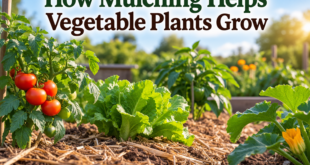
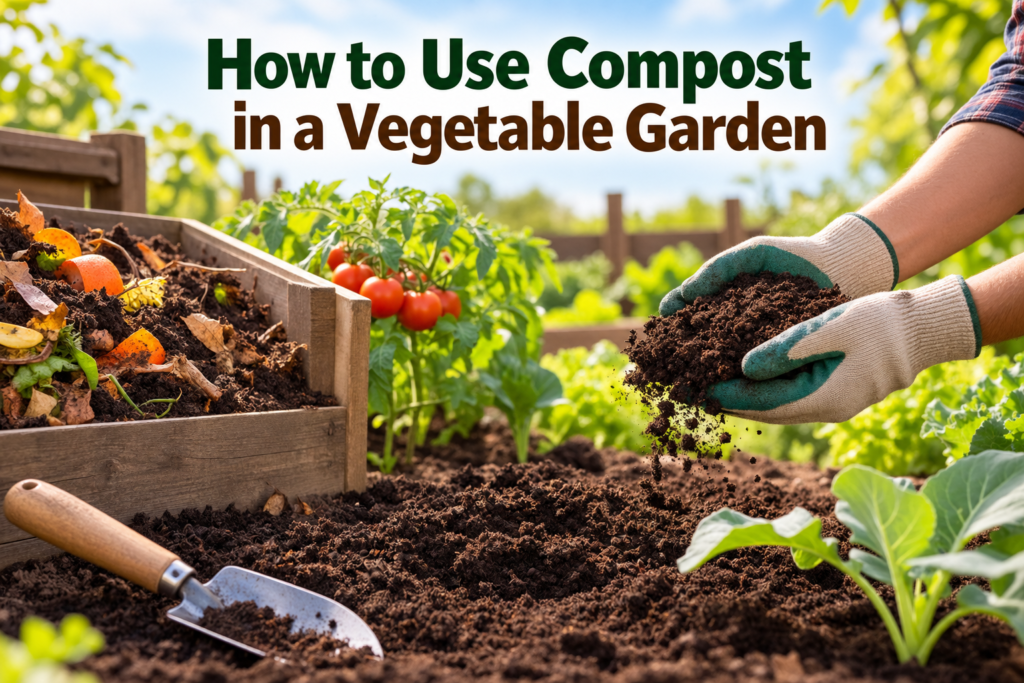
Compost is one of the simplest and most useful additions you can make to a vegetable garden. I have always found compost interesting because it turns everyday organic material into something that can improve the soil and support healthy plant growth. Instead of treating compost as just another garden product, I think of it as a natural way to build better soil over time.
Learning how to use compost in a vegetable garden does not require complicated gardening skills. You can use compost when preparing a new garden bed, before planting seeds, around established plants, and after harvesting. The important thing is knowing how much compost to use and how to apply it correctly.
In this article, I will explain the practical ways I would use compost in a vegetable garden, along with some common mistakes to avoid.
What Is Compost?
Compost is made from organic materials that have broken down over time. Common compost ingredients include vegetable scraps, fruit peels, dry leaves, grass clippings, plant material, and other suitable organic matter.
When these materials decompose properly, they become a dark, crumbly material with an earthy smell. Mature compost can be mixed into garden soil to improve its overall condition.
Compost contains organic matter and can provide some nutrients, but I would not think of it as a complete fertilizer for every vegetable. Its biggest value is often in improving soil structure and supporting a healthy growing environment.
Why Use Compost in a Vegetable Garden?
There are several reasons gardeners add compost to vegetable soil. Compost can improve the structure of different soil types and help create a more favorable environment for roots.
In sandy soil, organic matter can help the soil retain moisture and nutrients. In heavy clay soil, compost can help improve the structure and make the soil easier to work.
Compost also contributes organic material that supports soil organisms. A healthy soil ecosystem is important because many microorganisms participate in the natural processes that make nutrients available to plants.
For me, the biggest advantage of compost is that it focuses on improving the soil itself rather than simply feeding the plant for a short period.
Use Mature Compost
One of the first things I would check is whether the compost is properly finished. Mature compost should generally be dark, crumbly, and earthy smelling.
Partially decomposed compost can still contain recognizable pieces of organic material and may continue breaking down after being added to the garden.
Using mature compost is particularly important when working around young plants or preparing an area for direct seed sowing.
If you make your own compost, give it enough time to decompose properly before using it in your vegetable garden.
Prepare the Garden Soil First
Before adding compost, clear weeds and large pieces of debris from the garden bed. Loosen compacted soil if necessary.
Then spread a layer of mature compost across the surface.
The compost can be gently incorporated into the upper layer of soil. You do not need to dig extremely deeply or disturb the entire garden bed.
The purpose is to mix organic matter into the root zone where vegetables can benefit from improved soil conditions.
How Much Compost Should You Use?
The amount of compost needed depends on your existing soil, the type of garden, and the condition of the compost.
For a typical vegetable bed, a moderate layer of mature compost worked into the upper soil can be useful. Many gardeners use approximately one to two inches of compost over the soil surface before planting.
You should avoid assuming that more compost is always better. Excessive amounts can change soil properties and may contribute more nutrients or salts than your plants need.
I prefer starting with a reasonable amount and observing the condition of the soil and plants over time.
Adding Compost Before Planting
One of the easiest ways to use compost is to add it before planting.
Spread mature compost over the garden bed and mix it lightly with the existing soil. Then level the bed and prepare it for seeds or seedlings.
This method gives the soil time to settle before the plants become established.
For a new vegetable garden, compost can be especially helpful because the existing soil may have been neglected or depleted.
Preparing the soil before planting also gives you an opportunity to remove stones, weeds, and other unwanted materials.
Using Compost When Planting Seeds
Compost can be useful when preparing a vegetable bed for direct sowing. However, I would avoid filling a seed row entirely with compost.
Seeds generally need appropriate moisture, air, and good contact with the surrounding soil. Very different soil conditions inside a narrow seed trench can sometimes create uneven growing conditions.
Instead, mix compost into the general planting area before creating your seed rows.
This creates a more consistent soil environment while allowing young roots to grow naturally into the surrounding soil.
Using Compost Around Vegetable Seedlings
Compost can also be used around established vegetable seedlings.
When transplanting tomatoes, peppers, eggplants, cabbage, or other vegetables, you can incorporate a small amount of mature compost into the planting area.
The compost should be mixed with the surrounding soil rather than placed as a thick concentrated layer directly against the roots.
After planting, water the seedlings thoroughly and keep the soil consistently moist while they become established.
Compost for Tomatoes
Tomatoes are popular vegetables for home gardens and can benefit from healthy, organic matter rich soil.
Before planting tomatoes, I would prepare the soil with mature compost and make sure the garden bed has good drainage.
A small amount of compost can also be incorporated into the soil around the planting area during the growing season.
However, tomatoes need more than compost alone. They also require appropriate sunlight, water, nutrients, support, and suitable growing conditions.
Compost for Leafy Vegetables
Leafy vegetables such as lettuce, spinach, kale, and similar crops generally appreciate fertile soil with good moisture retention.
Adding mature compost before planting can help improve the soil environment.
For leafy crops, I prefer using compost as part of an overall soil management plan rather than depending on it as the only source of plant nutrition.
Regular observation is important. If plants show unusual growth or nutrient problems, a soil test can help identify what the soil actually needs.
Compost as a Soil Top Dressing
Another simple method is top dressing. This means spreading a thin layer of compost over the soil surface around established plants.
You can apply compost carefully around the root area without piling it directly against the plant stem.
Rain and watering gradually move some of the organic material into the upper soil.
Top dressing can be useful when you do not want to disturb plant roots or dig around established vegetables.
Use Compost With Mulch
Compost and mulch serve different purposes, although they can work together.
Compost is primarily used to add organic matter and improve the soil. Mulch is generally placed on the surface to help conserve moisture, reduce weeds, and protect the soil.
You can apply compost around established vegetables and then add an appropriate layer of organic mulch above it.
Leave some space around plant stems so they are not surrounded by constantly damp material.
Compost in Raised Vegetable Beds
Raised beds are another excellent place to use compost.
When filling or refreshing a raised vegetable bed, compost can be combined with suitable topsoil and other organic materials.
Avoid creating a bed made entirely of compost. Vegetables benefit from a balanced growing medium with appropriate structure, drainage, and nutrient availability.
Adding compost regularly over several growing seasons can help maintain organic matter in the bed.
Compost for Container Vegetable Gardening
Compost can also be useful when growing vegetables in containers.
However, container plants require a suitable potting mix rather than ordinary garden soil alone. Heavy garden soil can drain poorly in containers.
A quality container growing medium can be combined with an appropriate amount of finished compost.
Because containers have limited space, avoid adding excessive compost. The goal is to maintain a balanced growing medium that provides good drainage and enough moisture retention.
Homemade Compost or Purchased Compost?
Both options can work.
Homemade compost allows you to recycle suitable kitchen and garden materials. It can also be economical if you have enough organic material and space for a compost pile or bin.
Purchased compost can be convenient when you need compost quickly or do not have the space to make your own.
If buying compost, I recommend choosing a reputable product intended for garden use. Check the packaging for information about the ingredients and intended application.
Common Compost Mistakes
One common mistake is using unfinished compost. If organic material has not decomposed properly, it may not be suitable for immediate use around vegetables.
Another mistake is applying too much compost. More organic matter is not automatically better.
Using compost with contaminated or unsuitable materials can also create problems. Avoid composting materials that may contain persistent chemicals or diseased plant material unless you have an appropriate composting system.
Another mistake is expecting compost to solve every soil problem. If your soil has serious drainage, pH, or nutrient issues, you may need additional solutions.
How Often Should You Add Compost?
There is no single schedule that works for every vegetable garden.
Many gardeners add compost before a new growing season, while others apply smaller amounts between crops or as a top dressing.
Your soil condition is the best guide.
If the soil is becoming compacted, low in organic matter, or difficult to work, adding compost may help improve it over time.
I prefer making compost part of regular garden maintenance instead of adding a huge amount once and then ignoring the soil for years.
Final Thoughts
Learning how to use compost in a vegetable garden is fairly simple once you understand what compost can and cannot do. Mature compost can improve soil structure, add organic matter, support soil organisms, and contribute some nutrients.
I believe the best approach is to use compost as part of a complete vegetable gardening routine. Prepare the soil before planting, use moderate amounts, mix compost properly, and avoid placing large quantities directly against plant stems or roots.
Whether you make compost at home or purchase it from a reliable source, consistent use can help maintain healthier garden soil. Over time, good soil management can make vegetable gardening easier and create better conditions for growing tomatoes, peppers, leafy greens, root vegetables, herbs, and many other crops.
The main lesson I would keep in mind is simple: focus on improving the soil gradually. Healthy soil provides the foundation for a healthy vegetable garden, and compost can be one of the most practical tools for building that foundation.