 dolphinshave2stomachs
Related Articles
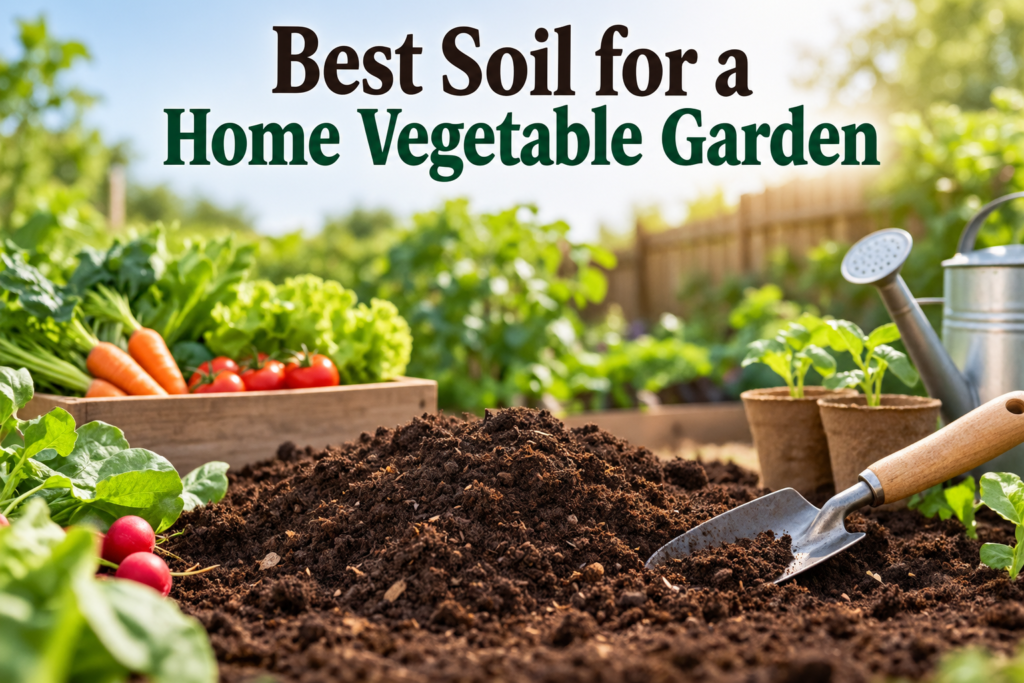
Growing vegetables at home can be a rewarding experience, but in my view, one of the most important things to get right is the soil. Many beginners focus mainly on seeds, fertilizers, watering, and sunlight while overlooking the foundation where plants actually grow. The best soil for a home vegetable garden gives roots the right combination of nutrients, moisture, air, and support.
Good garden soil does not necessarily mean buying the most expensive soil available. With the right approach, ordinary soil can often be improved with organic matter and proper care. In this guide, I will explain what makes good vegetable garden soil, which soil types are useful, how to improve poor soil, and what I would look for when preparing a home vegetable garden.
Why Soil Matters for a Vegetable Garden
Healthy vegetables need healthy roots. Roots take up water and nutrients from the soil, so the quality of the soil directly affects plant growth.
When soil is too compacted, roots can struggle to spread. When it holds too much water, roots may remain constantly wet and become vulnerable to problems. On the other hand, soil that drains too quickly may not provide enough moisture for growing plants.
The best soil for a vegetable garden should therefore provide a balanced growing environment. It should hold enough moisture for plants while allowing excess water to drain away.
It should also contain organic matter and nutrients that support healthy plant development.
What Is the Best Soil for a Home Vegetable Garden?
In my experience, a good vegetable garden soil is usually a loose, fertile loam that contains plenty of organic matter. Loamy soil provides a useful balance between sand, silt, clay, organic material, air, and water.
The exact soil available in your garden may be different, and that does not mean you cannot grow vegetables successfully. Most garden soils can be improved.
The ideal soil should have these characteristics:
Good drainage
Good moisture retention
Plenty of organic matter
A loose texture
Adequate nutrients
Suitable pH
Good air movement around the roots
These qualities create an environment where vegetable roots can develop naturally.
Understanding Different Soil Types
Before improving your garden, it helps to understand the soil you already have.
Sandy Soil
Sandy soil contains larger particles and usually drains water quickly. This can be helpful because vegetables generally do not like sitting in waterlogged soil.
However, sandy soil can lose moisture and nutrients quickly. If your garden has very sandy soil, adding compost and other organic matter can improve its ability to retain moisture and nutrients.
Clay Soil
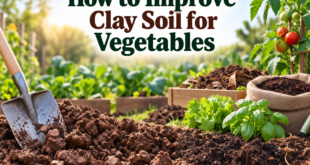
Clay soil contains very small particles and can hold a lot of water. It can also become hard and compacted when dry.
This type of soil can be difficult for vegetable gardening if it is not improved. Adding organic matter such as mature compost can help improve its structure over time.
I would avoid simply adding large amounts of sand to heavy clay because this does not necessarily solve the problem and can sometimes make the soil structure worse.
Silt Soil
Silty soil has finer particles than sandy soil but is generally smoother and easier to work with. It can be fertile, although it may become compacted.
Adding organic matter can help improve its structure and make it more suitable for vegetables.
Loamy Soil
Loamy soil is often considered excellent for vegetable gardening because it provides a good balance between drainage and moisture retention.
If you already have naturally loamy soil, you may only need to maintain it with compost and other organic materials rather than replacing it.
The Importance of Organic Matter
If there is one thing I would recommend focusing on when improving garden soil, it is organic matter.
Compost, well aged manure, leaf mold, and other suitable organic materials can improve soil structure while contributing nutrients.
Organic matter can help sandy soil retain moisture and can also help heavy soil become more workable.
Compost is particularly useful because it can be incorporated into the soil before planting or added around established plants as a top dressing.
The important point is to use mature, properly processed compost rather than fresh organic waste.
Soil pH for Vegetable Gardens
Soil pH is another important factor because it influences how easily plants can access nutrients.
Many common vegetables grow well in slightly acidic to neutral soil. A pH around 6 to 7 is generally suitable for a wide range of vegetables, although individual crops can have different preferences.
Instead of guessing the pH, I recommend testing the soil if you are having repeated gardening problems.
A soil test can provide useful information about pH and nutrient levels. Based on the results, you can decide whether the soil actually needs an amendment.
Adding products without knowing what your soil needs can sometimes create unnecessary problems.
How to Improve Poor Garden Soil
You do not necessarily need to remove poor soil and replace everything. In many cases, improving the existing soil is more practical.
Start by removing large stones, weeds, and unwanted debris. Then add a reasonable amount of mature compost and mix it into the upper soil layer.
Avoid excessive digging because disturbing soil too much can damage its natural structure. If the soil is very compacted, loosen it carefully and add organic matter.
For future seasons, continue adding compost rather than depending entirely on synthetic fertilizers.
This approach gradually improves the condition of the garden soil.
Compost and Vegetable Garden Soil
Compost is one of the most useful additions for a home vegetable garden.
Good compost can provide organic material while helping create a healthier soil structure. It also supports beneficial organisms that contribute to natural soil processes.
I like the idea of treating compost as a regular part of soil maintenance rather than something that is only used when plants are struggling.
A thin layer of compost added periodically can help maintain soil quality.
However, compost should not be viewed as a complete replacement for every nutrient a vegetable needs. If a soil test identifies a specific nutrient deficiency, a suitable fertilizer or soil amendment may still be necessary.
Soil for Raised Vegetable Gardens
Raised beds can make soil management easier because you have more control over the growing medium.
For a raised vegetable garden, I would focus on creating a balanced mixture rather than filling the bed with pure compost.
A mixture containing quality topsoil, compost, and suitable organic material can create a productive growing environment.
The exact mixture depends on the materials available and the vegetables being grown. The main goal is to create soil that drains well while still holding enough moisture.
Raised beds also provide the advantage of avoiding some problems associated with heavily compacted native soil.
Best Soil for Vegetables in Containers
Container vegetables have different requirements because the plants cannot access surrounding garden soil.
For containers, ordinary garden soil is often not the best choice because it can become compacted and drain poorly.
A quality potting mix designed for containers is generally more suitable. It should provide good drainage while retaining enough moisture for plant roots.
Tomatoes, peppers, herbs, lettuce, and many other vegetables can grow successfully in containers when the growing medium, container size, sunlight, and watering routine are appropriate.
Soil Requirements for Popular Vegetables
Different vegetables can have slightly different soil preferences.
Tomatoes generally appreciate fertile, well drained soil containing organic matter.
Carrots prefer loose soil because compacted soil can interfere with proper root development.
Lettuce generally grows well in fertile soil that holds consistent moisture.
Radishes also benefit from loose soil that allows their roots to develop easily.
Beans can grow in fertile, well drained soil and usually do not require excessive nitrogen.
Potatoes need loose soil that allows tubers to develop without excessive compaction.
Understanding the needs of individual vegetables can help you make small adjustments instead of trying to create exactly the same conditions for every crop.
How to Test Your Garden Soil
A simple soil test can tell you much more than appearance alone.
You can purchase a home soil testing kit or send a sample to a soil testing laboratory. Depending on the test, you may learn about soil pH and important nutrients.
When collecting a soil sample, take soil from several areas of the garden and combine the samples according to the test instructions. This gives you a more representative result than testing one random spot.
If your vegetables consistently grow poorly despite proper watering and sunlight, soil testing can be especially useful.
Common Soil Mistakes to Avoid
One mistake I often see beginners make is adding too much fertilizer. More fertilizer does not automatically mean healthier plants. Excess nutrients can cause problems and may damage plants.
Another common mistake is working wet clay soil. When heavy soil is handled while extremely wet, its structure can be damaged and compaction can become worse.
Using fresh manure is another issue. Fresh manure may contain excessive nutrients and can potentially harm plants. Properly aged or composted material is generally a safer option for garden preparation.
Another mistake is ignoring drainage. Even fertile soil can create problems if water remains around vegetable roots for long periods.
Maintaining Healthy Vegetable Garden Soil
Good soil is not something you prepare once and forget.
After each growing season, remove diseased plant material and add suitable organic matter. Avoid leaving the soil completely exposed when possible. Mulch can help protect the surface, reduce moisture loss, and limit weed growth.
Crop rotation can also be useful, particularly in gardens where the same vegetables are grown repeatedly.
Try not to walk unnecessarily on garden beds because repeated foot traffic can compact the soil.
Over time, these simple practices can help maintain a healthier growing environment.
Final Thoughts
For me, the best soil for a home vegetable garden is not about finding one magical bag of soil. It is about creating a healthy environment where vegetable roots can receive moisture, nutrients, oxygen, and enough space to grow.
A fertile loamy soil with good drainage and plenty of organic matter is a great starting point. If your existing soil is sandy, clay heavy, or lacking nutrients, you can usually improve it gradually with compost and appropriate amendments.
I would recommend testing your soil before making major changes, especially if you are unsure about its pH or nutrient levels. Once you understand what your soil actually needs, it becomes much easier to make sensible improvements.
Healthy soil can make gardening easier and more productive, and it is one of the best investments you can make when starting a home vegetable garden