 dolphinshave2stomachs
Related Articles
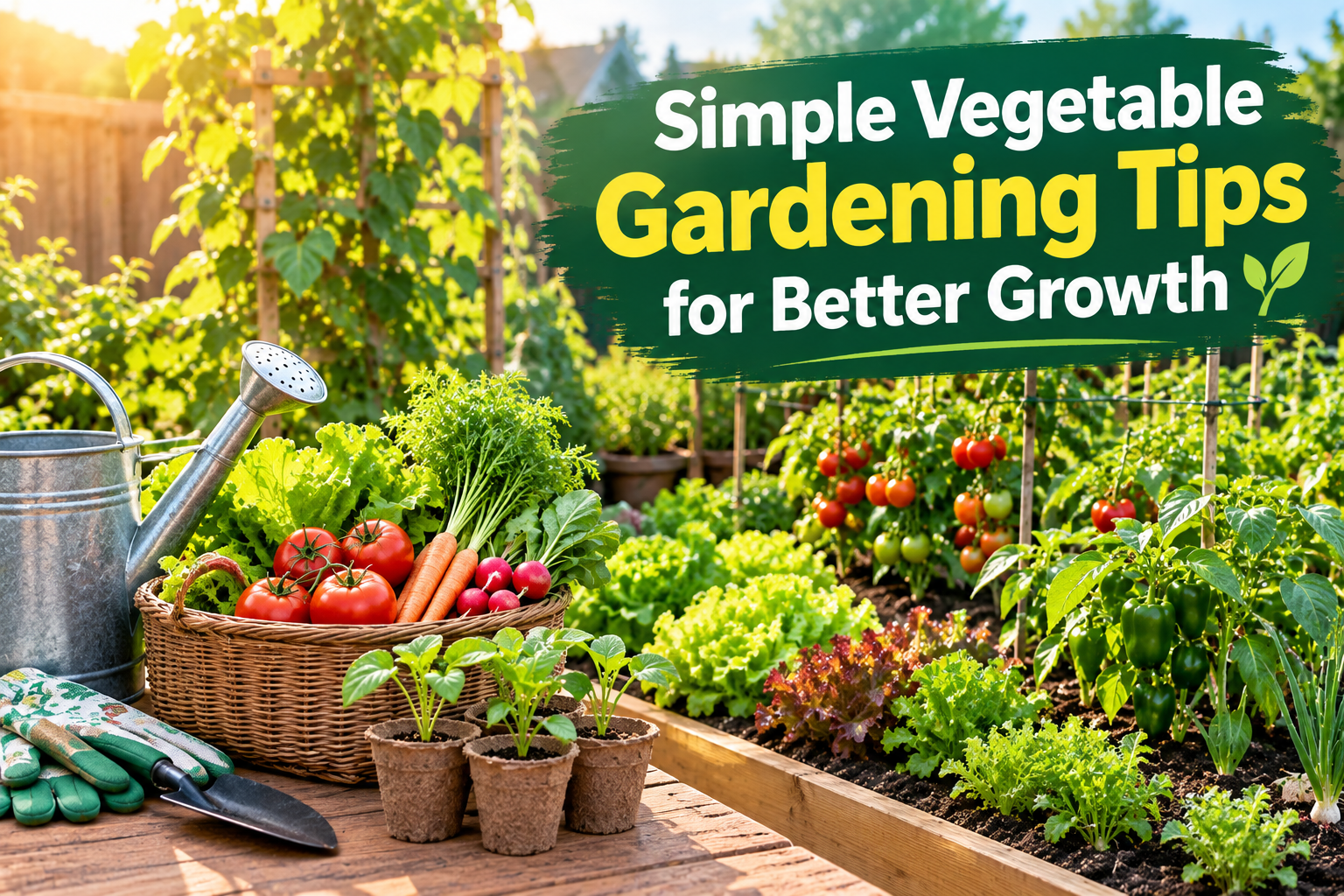
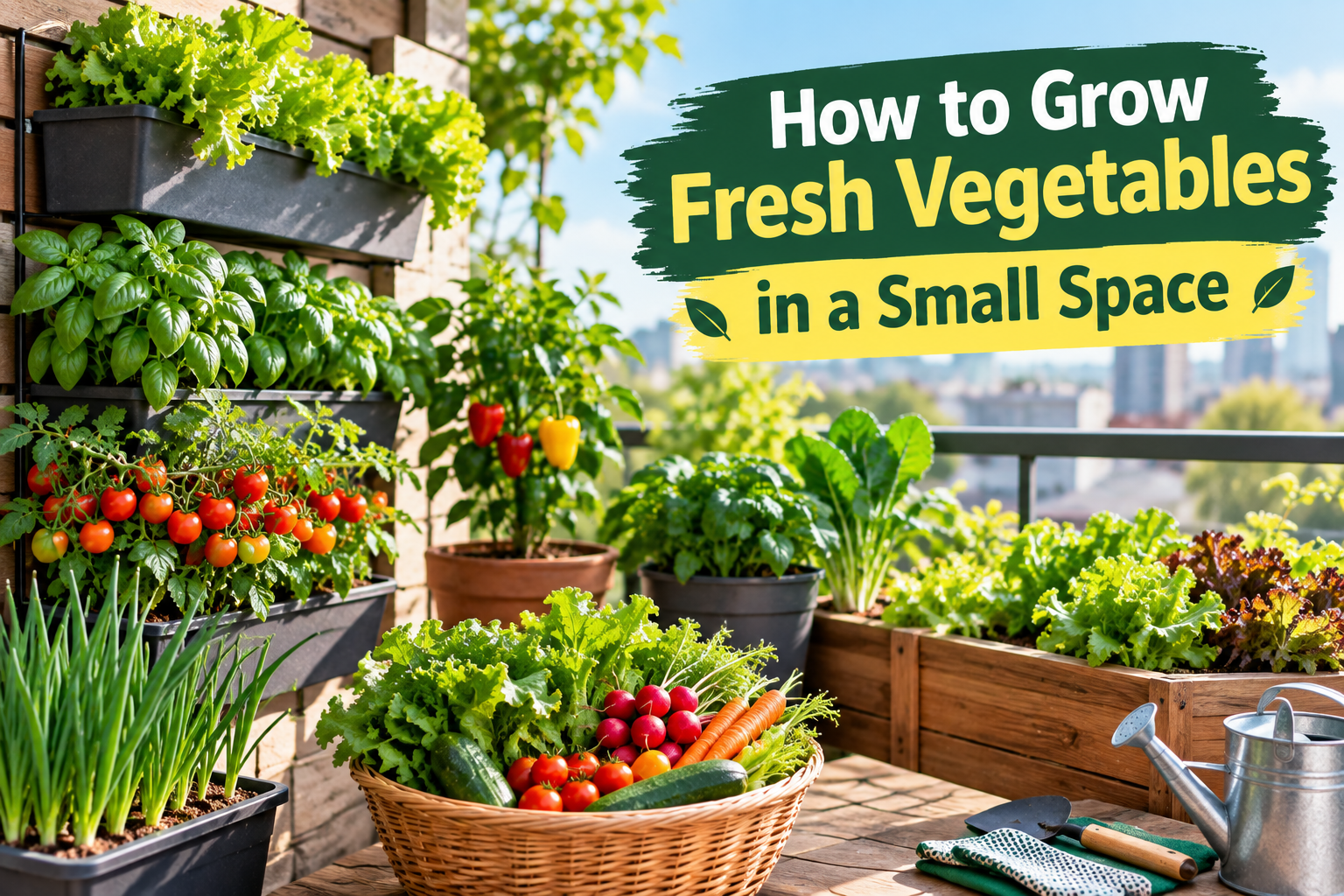
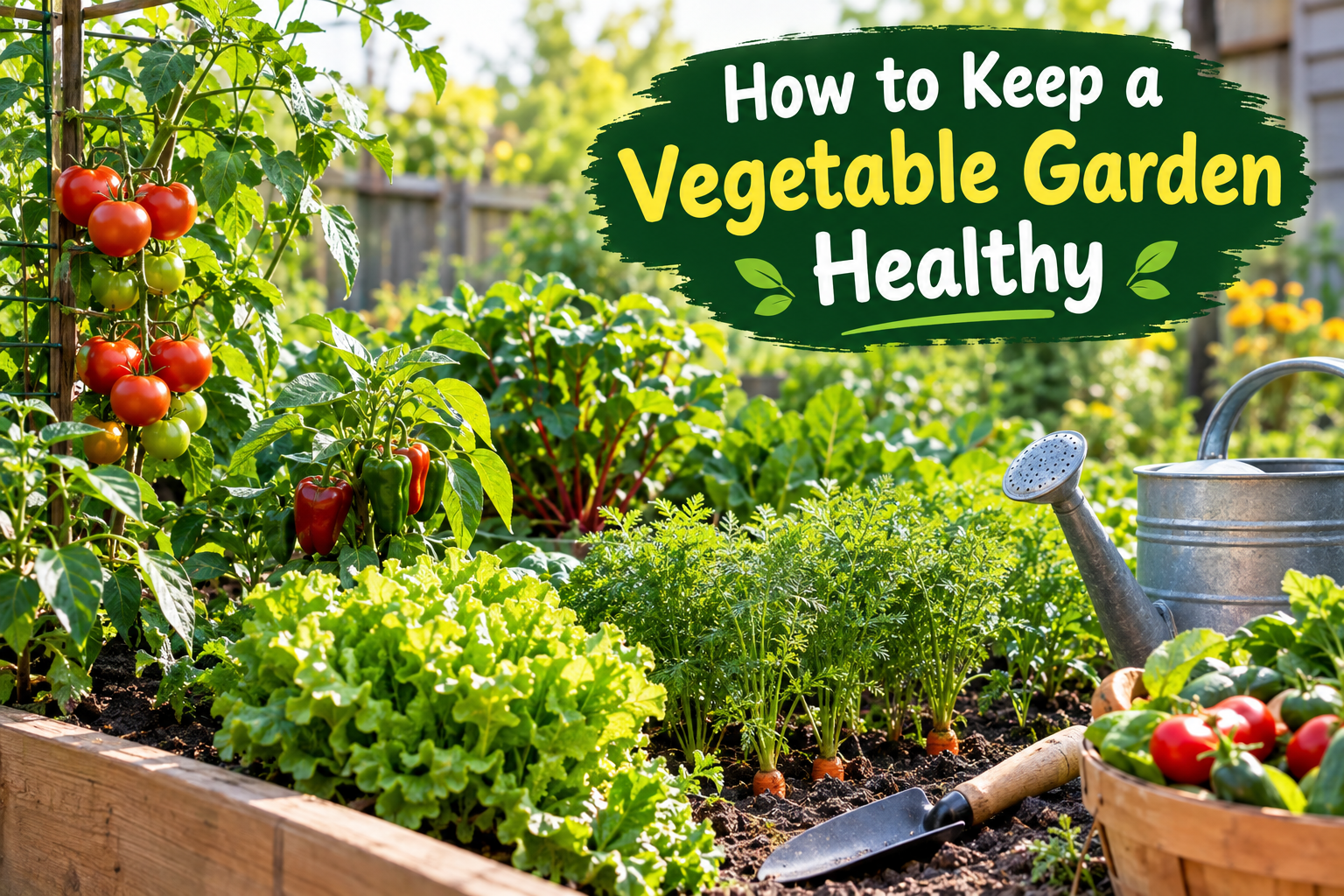
Starting a vegetable garden is one of the most rewarding things I believe anyone can do at home. You do not need a huge farm, expensive equipment, or years of experience to grow your own food. With a little planning, good soil, sunlight, water, and patience, even a complete beginner can enjoy fresh vegetables from their own garden.
When I think about vegetable gardening for beginners, I believe the biggest mistake is trying to do too much at once. A small and manageable garden is often a much better starting point. It allows you to learn how plants grow, understand your local conditions, and build confidence without feeling overwhelmed.
In this complete vegetable gardening guide for beginners, I will explain the essential steps that can help you start your first vegetable garden successfully.
Choose the Right Location for Your Vegetable Garden
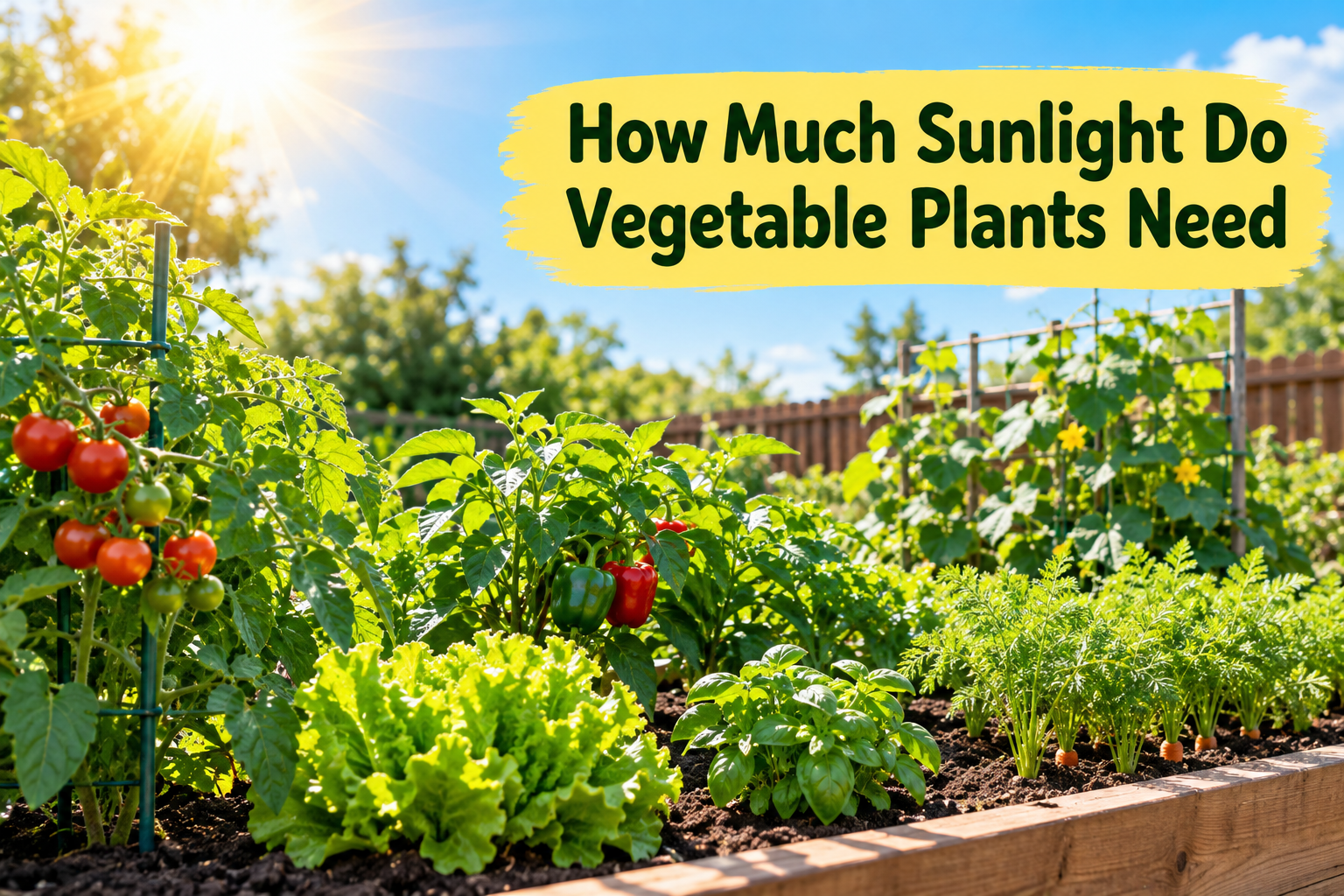
The first step in starting a vegetable garden is choosing the right location. Most vegetables need plenty of sunlight to grow well. I usually recommend looking for an area that receives at least six hours of direct sunlight during the day.
Leafy vegetables such as lettuce, spinach, and some herbs can tolerate a little less sunlight. However, vegetables such as tomatoes, peppers, cucumbers, and beans generally perform better in sunny locations.
When choosing your garden spot, I would also consider how easy it is to access. A garden that is close to your home is easier to water, inspect, and maintain. If the garden is hidden in a distant corner, it can become easy to forget regular care.
The location should also have reasonable drainage. Water should not remain around the roots for long periods because overly wet soil can cause root problems.
Start Small and Keep Things Simple
For beginners, starting small is one of the best decisions. You do not need to fill your entire backyard with vegetables during your first season.
A small garden bed or a few containers can provide enough space to learn the basics. Starting small makes watering, weeding, fertilizing, and pest checking much easier.
You can always expand your vegetable garden later. In my opinion, it is better to successfully grow five types of vegetables in a small space than plant twenty varieties and struggle to manage them.
A beginner vegetable garden should feel enjoyable rather than stressful.
Understand Your Soil Before Planting
Healthy soil is one of the most important parts of successful vegetable gardening. Plants receive water and nutrients through their roots, so poor soil can make gardening more difficult.
Good garden soil should be loose enough for roots to grow while still holding enough moisture for plants. Adding organic matter such as compost can improve soil structure and support healthy plant growth.
Before planting, remove large stones, weeds, and other unwanted materials from the growing area. Loosen the soil carefully and mix in compost if it is available.
If you are growing vegetables in containers, use a quality potting mix rather than ordinary garden soil. Garden soil can become compacted inside containers and may not provide the drainage that container plants need.
Healthy soil creates a stronger foundation for the entire vegetable garden.
Choose Easy Vegetables for Beginners
One of the easiest ways to build confidence is to choose vegetables that are generally simple to grow. Some plants require more attention, while others are more forgiving for beginners.
Good options for a beginner vegetable garden may include:
Lettuce
Radishes
Carrots
Green beans
Cucumbers
Zucchini
Tomatoes
Peppers
Spinach
Herbs
The best vegetables for you will also depend on your local climate and the time of year. Before planting, check whether the vegetable prefers cool or warm weather.
For example, lettuce and spinach usually prefer cooler conditions, while tomatoes and peppers need warmer temperatures to grow well.
I think choosing vegetables that your family actually enjoys eating is also important. There is more motivation to care for a garden when you are excited about harvesting the food.
Decide Between Seeds and Seedlings
Beginners can start vegetables from seeds or purchase young plants called seedlings.
Growing from seeds can be affordable and satisfying. It also gives you access to many different varieties. However, seeds may require more patience because you need to wait for germination and early growth.
Seedlings can be easier for beginners because the young plant has already started growing. This can be especially useful for vegetables that need a longer growing season, such as tomatoes and peppers.
Some vegetables are often easy to grow directly from seed, including beans, radishes, carrots, and lettuce.
There is no single correct method. You can use seeds for some vegetables and seedlings for others.
Learn the Correct Planting Time
Planting at the right time can make a major difference. Every vegetable has preferred temperature conditions.
Cool season vegetables grow better when temperatures are mild or cool. Warm season vegetables need warmer soil and air.
Planting a warm loving vegetable too early may slow its growth. Planting a cool weather vegetable during extreme heat can also create problems.
Before starting your vegetable garden, learn about the usual growing seasons in your area. Local gardening calendars can help you understand when to sow seeds or transplant young plants.
I always think that working with the natural season is easier than trying to force a plant to grow in unsuitable conditions.
Give Your Vegetables Enough Space
Crowding is a common mistake in beginner vegetable gardening. When plants are placed too close together, they compete for sunlight, water, nutrients, and space.
Crowded plants may also have reduced airflow, which can increase the chance of certain plant problems.
Always check the recommended spacing on the seed packet or plant label. Small plants can look far apart when first planted, but many vegetables become much larger as they mature.
Proper spacing gives every plant a better opportunity to develop strong roots and healthy leaves.
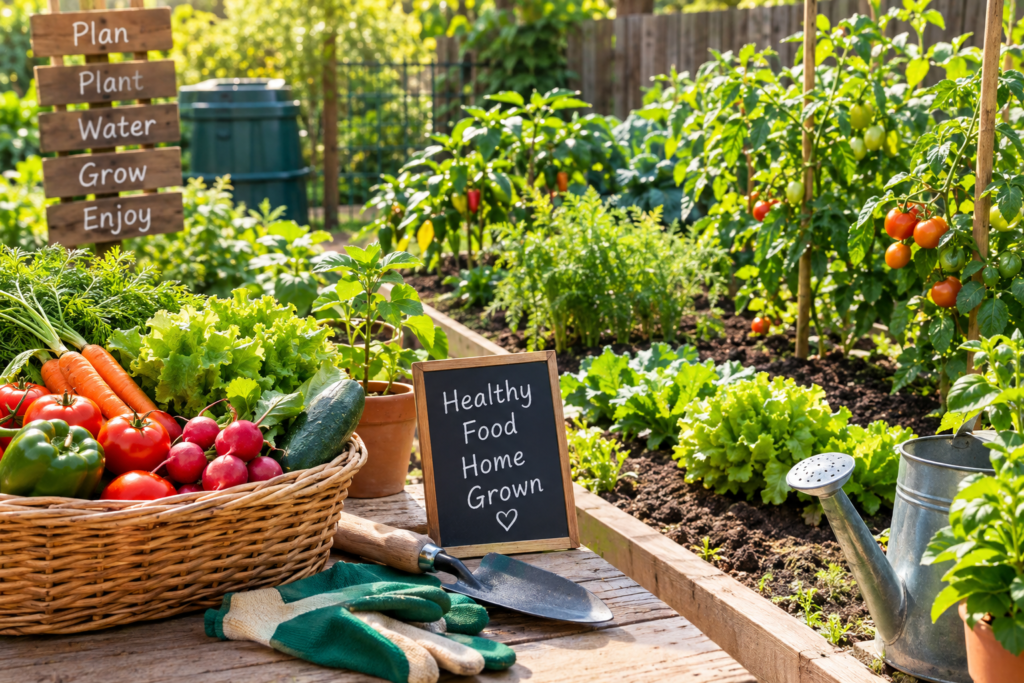
Water Your Vegetable Garden Properly
Watering is essential, but more water is not always better. Both underwatering and overwatering can create problems.
The goal is to keep the soil consistently moist according to the needs of the vegetable without leaving it constantly soaked.
A useful habit is to check the soil before watering. If the surface and soil below it are becoming dry, your plants may need water.
Watering near the base of the plant is generally more useful than spraying large amounts of water over the leaves. Early morning is often a convenient time to water because plants have time to absorb moisture before the hottest part of the day.
Weather, soil type, plant size, and container size can all affect how often watering is needed.
Container vegetables often dry out faster than plants growing directly in the ground, so they may need more frequent attention.
Use Mulch to Support Healthy Plants
Mulch can be a useful addition to a vegetable garden. A layer of suitable organic material placed around plants can help conserve soil moisture and reduce weed growth.
Materials such as clean straw, dried leaves, or other appropriate organic mulch can be used depending on availability.
Keep mulch from pressing directly against the stems of plants. Leave a small amount of space around the base to avoid trapping excessive moisture.
For beginners, mulch can make garden maintenance easier because it helps reduce the amount of watering and weeding required.
Feed Your Plants When Needed
Vegetables need nutrients to grow and produce leaves, flowers, and fruit. Compost and suitable fertilizers can help provide these nutrients.
However, I would avoid adding excessive fertilizer. Too much can create its own problems and may encourage lots of leafy growth without the results you expected.
Follow the instructions for any fertilizer product you choose to use. Different vegetables may also have different nutrient requirements.
Improving the soil with compost before planting is a simple way to support healthy growth.
Observing your plants is important. Healthy growth, leaf color, and overall development can help you understand whether your gardening approach is working.
Keep an Eye on Weeds and Pests
A vegetable garden should be checked regularly. You do not need to spend hours outside every day, but a quick inspection can help you notice problems early.
Remove weeds before they become large and compete with your vegetables. Check the leaves, stems, and undersides of plants for signs of insects or damage.
Not every insect is harmful. Some insects can play useful roles in the garden.
If you notice a pest problem, identify it before taking action. Using the right solution depends on understanding what is actually affecting your plants.
Regular observation is one of the simplest ways to become a better gardener.
Support Plants That Need Help
Some vegetables benefit from extra support as they grow. Tomatoes, climbing beans, and certain other plants may need stakes, cages, or trellises.
Providing support can keep plants organized and prevent heavy stems from falling onto the soil.
Vertical gardening can also be helpful when space is limited. Growing climbing vegetables upward can allow you to use a small garden area more efficiently.
Install supports early when possible so plants can grow naturally around them.
Learn When and How to Harvest
Harvesting is the reward for all the time spent preparing and caring for your garden.
Different vegetables are harvested at different stages. Lettuce leaves can often be picked gradually, while tomatoes are usually harvested when they reach their expected mature color.
Beans are generally more tender when picked before they become overly mature. Zucchini can also become very large if left too long, so regular harvesting is useful.
The more you grow, the easier it becomes to recognize when each vegetable is ready.
Do not be discouraged if your first harvest is not perfect. Every growing season teaches something new.
Common Vegetable Gardening Mistakes Beginners Should Avoid
New gardeners often make similar mistakes. Fortunately, most of them can be avoided with simple planning.
Starting with too many plants can make the garden difficult to manage.
Planting in insufficient sunlight may reduce growth and harvests.
Overwatering can be just as harmful as forgetting to water.
Ignoring plant spacing can lead to overcrowding.
Planting vegetables at the wrong time of year can make growth more difficult.
Waiting too long to check for weeds or pests can allow small problems to become larger.
The good news is that gardening is a learning process. Mistakes are not failures. They are part of gaining experience.
Final Thoughts
Starting a vegetable garden can seem complicated when you look at everything for the first time. However, the basic process is simple. Choose a suitable location, prepare healthy soil, select vegetables that match your climate and season, provide proper water and care, and observe your plants regularly.
My advice for every beginner is to start small and learn as you grow. You do not need a perfect garden to enjoy fresh vegetables. Even a few containers on a sunny balcony or a small garden bed can become a productive growing space.
Vegetable gardening teaches patience, observation, and appreciation for the food we eat. Every seed that germinates and every vegetable that reaches your kitchen can feel like a small achievement.
With a little consistency and practical care, your first vegetable garden can become the beginning of a hobby that you continue enjoying for many years.