 dolphinshave2stomachs
Related Articles
Aphids are one of the most common pests I have seen in vegetable gardens. They are small insects, but they can cause a surprising amount of trouble when they start multiplying. I have noticed that aphids usually gather on young leaves, soft stems, flower buds, and the underside of leaves. If they are left alone for too long, they can weaken vegetable plants and make the leaves curl, turn yellow, or grow poorly.
The good thing is that learning how to protect vegetable plants from aphids does not always require strong chemical pesticides. In my experience, regular observation, healthy plants, natural pest control, and a few simple gardening habits can make a big difference.
In this article, I will share practical ways to identify aphids, prevent them, and control them naturally so your vegetable plants can continue growing healthy and strong.
What Are Aphids?
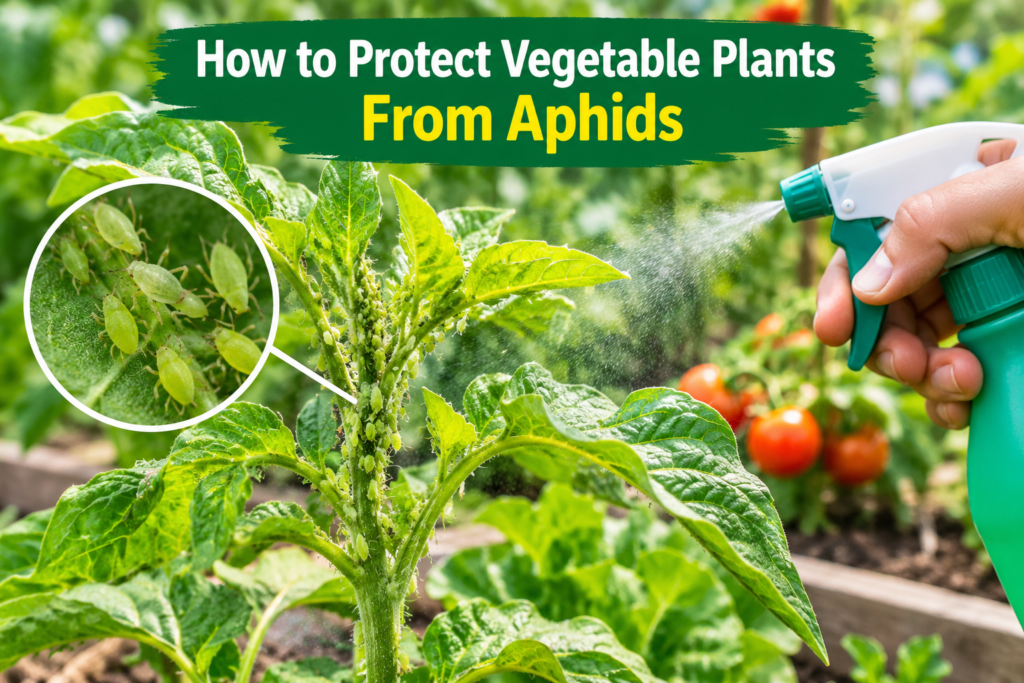
Aphids are tiny soft bodied insects that feed on plant sap. They can be green, black, yellow, brown, gray, or even pink depending on the species. Because they are so small, they can be difficult to notice when there are only a few of them.
I usually check the newest growth first because aphids prefer tender plant tissue. They often gather in groups rather than appearing as individual insects. You may also notice small insects moving around the stems or leaves when you inspect the plant closely.
Aphids can affect many vegetables, including tomatoes, peppers, cucumbers, beans, lettuce, cabbage, broccoli, spinach, and other garden crops.
How to Identify Aphid Damage
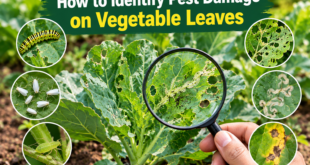
The first step in protecting vegetable plants from aphids is learning how to recognize their damage. Aphids use their mouthparts to suck sap from plants. This removes nutrients and can gradually weaken the plant.
One of the first signs I look for is curled or distorted young leaves. New leaves may fail to develop normally, and the plant may appear weaker than usual.
Other common signs include yellowing leaves, slow growth, distorted shoots, and sticky material on the leaves. This sticky substance is called honeydew and is produced by aphids while they feed.
If you notice ants constantly climbing your vegetable plants, it is also worth checking for aphids. Ants are attracted to the honeydew produced by aphids and may protect aphid colonies from some natural predators.
Check Your Plants Regularly
One of the simplest ways to control aphids is to find them before their population becomes large. I recommend checking vegetable plants several times a week, especially during periods of warm weather and rapid plant growth.
Pay special attention to new leaves, growing tips, flower buds, and the underside of leaves. Aphids can hide in areas that are easy to miss during a quick inspection.
When I find only a small number of aphids, I prefer to remove them immediately rather than waiting for the problem to become serious. Early action is usually much easier than trying to control a large infestation later.
Use a Strong Water Spray
A simple water spray can be surprisingly effective against aphids. If I notice aphids on a plant, I gently spray the affected areas with a strong stream of water.
The water can knock aphids from the leaves and stems. Most aphids are weak insects and may have difficulty returning to the plant.
When using this method, I make sure the water pressure is strong enough to remove the insects but not so strong that it damages the leaves or breaks tender stems.
This method may need to be repeated because some aphids can remain hidden on the plant. Regular inspection combined with water spraying can work well for smaller infestations.
Remove Heavily Infested Leaves
Sometimes a particular leaf or growing tip becomes covered with aphids. In that situation, removing the affected part of the plant can help prevent the insects from spreading.
I carefully cut heavily infested leaves or stems and place them away from the vegetable garden. I avoid leaving badly infested plant material on the ground because the remaining insects may move back onto nearby plants.
Pruning should be done carefully. I never remove large portions of a healthy plant unless there is a genuine need because plants need their leaves to produce energy.
Encourage Natural Aphid Predators
Nature provides some excellent helpers for aphid control. Ladybugs, lacewings, hoverfly larvae, and some other beneficial insects feed on aphids.
I believe one of the best long term approaches to vegetable garden pest control is creating an environment where beneficial insects can survive.
Planting flowers near vegetable crops can provide food and shelter for helpful insects. Avoiding unnecessary broad spectrum pesticides can also protect these natural predators.
When I see ladybugs or other beneficial insects around plants with aphids, I prefer to give them time to work. A healthy population of beneficial insects can sometimes reduce aphid numbers without requiring additional treatment.
Try Insecticidal Soap
Insecticidal soap can be another useful option for controlling aphids. It works by contacting the insects rather than acting as a long lasting poison.
When using insecticidal soap, I always follow the product label carefully. It is important to cover the areas where aphids are present, especially the underside of leaves.
I also recommend testing any treatment on a small part of the plant first. Some plants can be sensitive to sprays, particularly during very hot or sunny weather.
Gardeners should use products specifically labeled for the intended vegetable crop and follow all instructions regarding application and harvesting.
Consider Neem Based Products Carefully
Neem based products are sometimes used by gardeners as part of an approach to managing aphids and other garden pests. They can be useful when applied correctly, but I would not treat neem as a magic solution.
If you decide to use a neem based product, read the label carefully and follow the recommended dilution and application instructions. Avoid spraying during periods when beneficial pollinators are actively visiting flowers.
I also prefer to focus on the affected areas rather than spraying every plant unnecessarily. The goal should be targeted pest management rather than covering the entire garden with treatments.
Keep Vegetable Plants Healthy
Healthy plants are generally better able to tolerate pest pressure. This is why I pay attention to basic plant care instead of focusing only on killing aphids.
Vegetable plants need suitable sunlight, adequate water, good soil, and appropriate nutrition. Overwatering and poor drainage can create other problems, while excessive fertilizer can encourage very soft new growth that may attract aphids.
I try to provide plants with consistent care and avoid unnecessary stress. Mulching around plants can help maintain soil moisture and reduce competition from weeds.
Control Ants Around Aphid Infestations
If you repeatedly find aphids on your plants, look for ants as well. Ants may collect honeydew from aphids and can sometimes interfere with natural predators.
I do not recommend immediately reaching for strong pesticides. Instead, I first inspect the plants and surrounding garden to understand what is happening.
Reducing conditions that allow ants to move easily onto plants can help. Keeping plants properly pruned and removing heavily infested growth can also make aphid colonies easier to monitor.
Avoid Overusing Chemical Pesticides
It can be tempting to use a powerful pesticide as soon as aphids appear, but I think this should not always be the first response.
Strong pesticides can affect beneficial insects along with the pests you are trying to control. If natural predators are removed, aphid populations can sometimes become harder to manage in the future.
For a small infestation, physical removal, water spraying, pruning, and beneficial insects may be enough. If a larger problem requires a pesticide, I recommend choosing a product labeled for the specific vegetable and pest and following the instructions carefully.
Use Row Covers on Young Plants
Protective row covers can help keep some insects away from young vegetable plants. I find this approach especially useful when plants are small and vulnerable.
The cover should allow sufficient light and air to reach the plants while creating a physical barrier against pests. It is important to install covers properly so insects cannot easily enter underneath.
Remember that some vegetables need access to pollinators once they begin flowering. In those cases, covers may need to be removed or managed appropriately.
Remove Weeds Around the Garden
Weeds can provide additional places for aphids and other pests to live. Some weeds can also serve as alternative hosts where aphids multiply before moving onto vegetable plants.
Keeping the garden reasonably clean can therefore support overall pest management.
I do not try to make my garden completely bare because many beneficial insects use different plants for food and shelter. Instead, I focus on removing weeds that are competing heavily with vegetables or appear to be supporting pest populations.
Keep Checking After Treatment
One mistake I try to avoid is assuming the problem has disappeared after one treatment. Aphids can reproduce quickly, so it is important to continue checking the plants.
After removing aphids with water, pruning, or another suitable treatment, inspect the same plant again after a few days.
Look underneath the leaves and around new growth. If you find a few remaining aphids, deal with them before they have a chance to build another large colony.
Final Thoughts
Learning how to protect vegetable plants from aphids is mostly about paying attention and acting early. Aphids are small, but they become much easier to manage when you notice them before they spread across the entire plant.
In my experience, I would start with simple methods such as regular inspection, removing heavily infested leaves, spraying aphids with water, and encouraging beneficial insects. For larger problems, insecticidal soap or another properly labeled garden treatment may be useful.
The most important thing is not to panic when you see a few aphids. A small number does not always mean that your vegetable garden is in serious danger. With regular monitoring and good gardening practices, you can keep aphid populations under control and give your vegetables a much better chance to grow strong and productive.
A healthy garden is not necessarily a garden without any insects. Instead, I believe a healthy garden is one where pests and beneficial insects remain in a manageable balance. By using simple aphid control methods and taking care of your plants properly, you can protect your vegetable garden while also supporting the natural life that makes a garden healthy.