 dolphinshave2stomachs
Related Articles
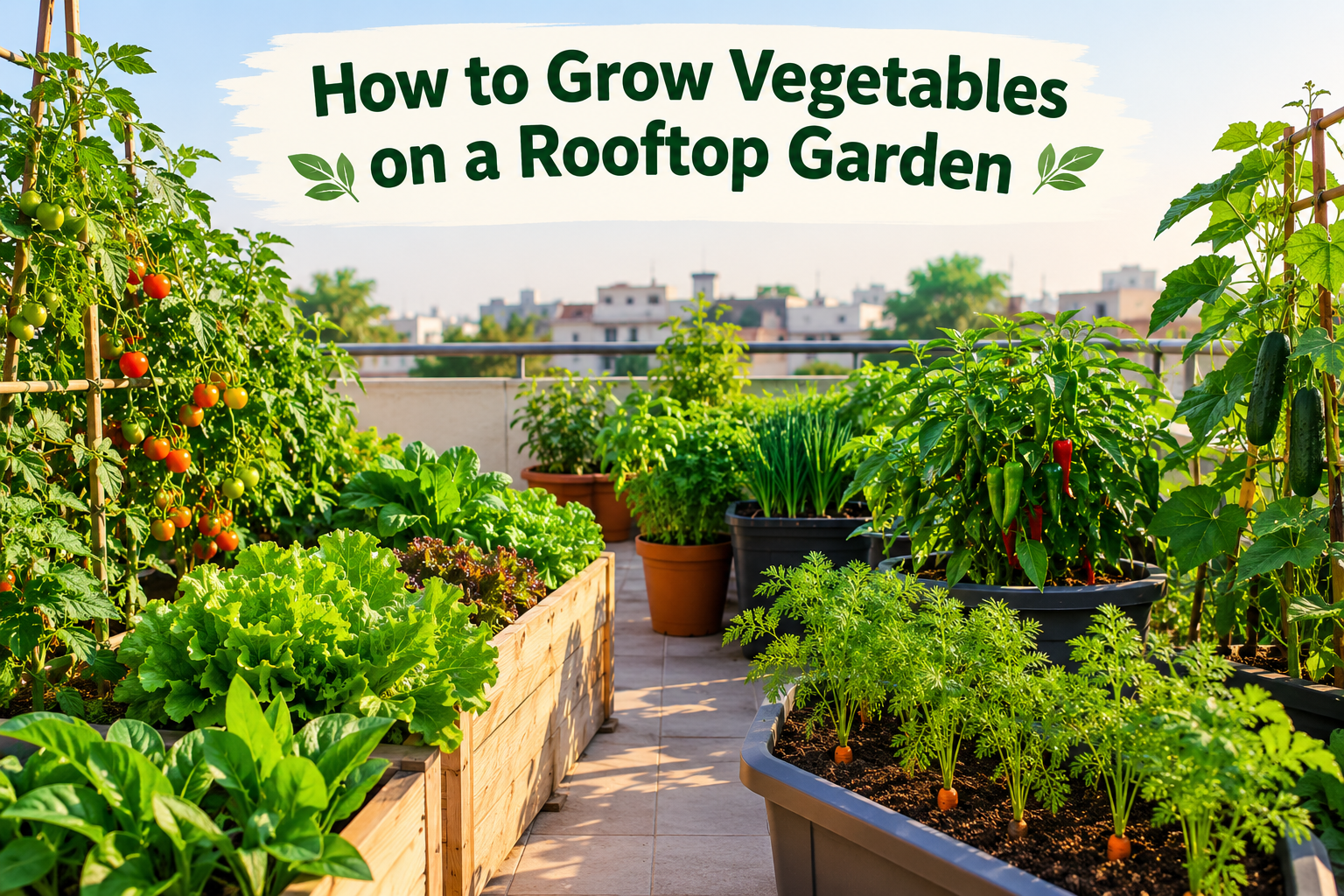
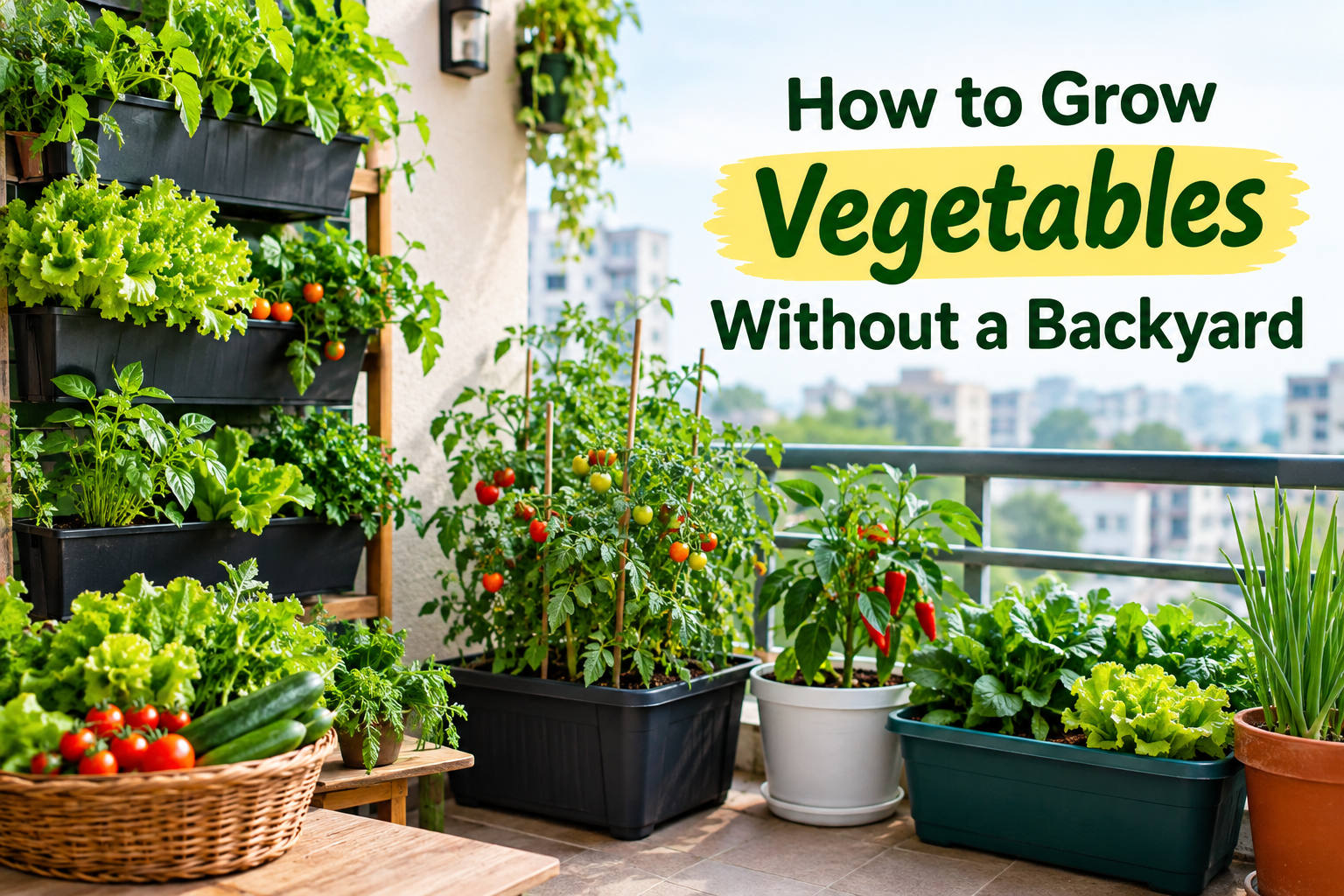
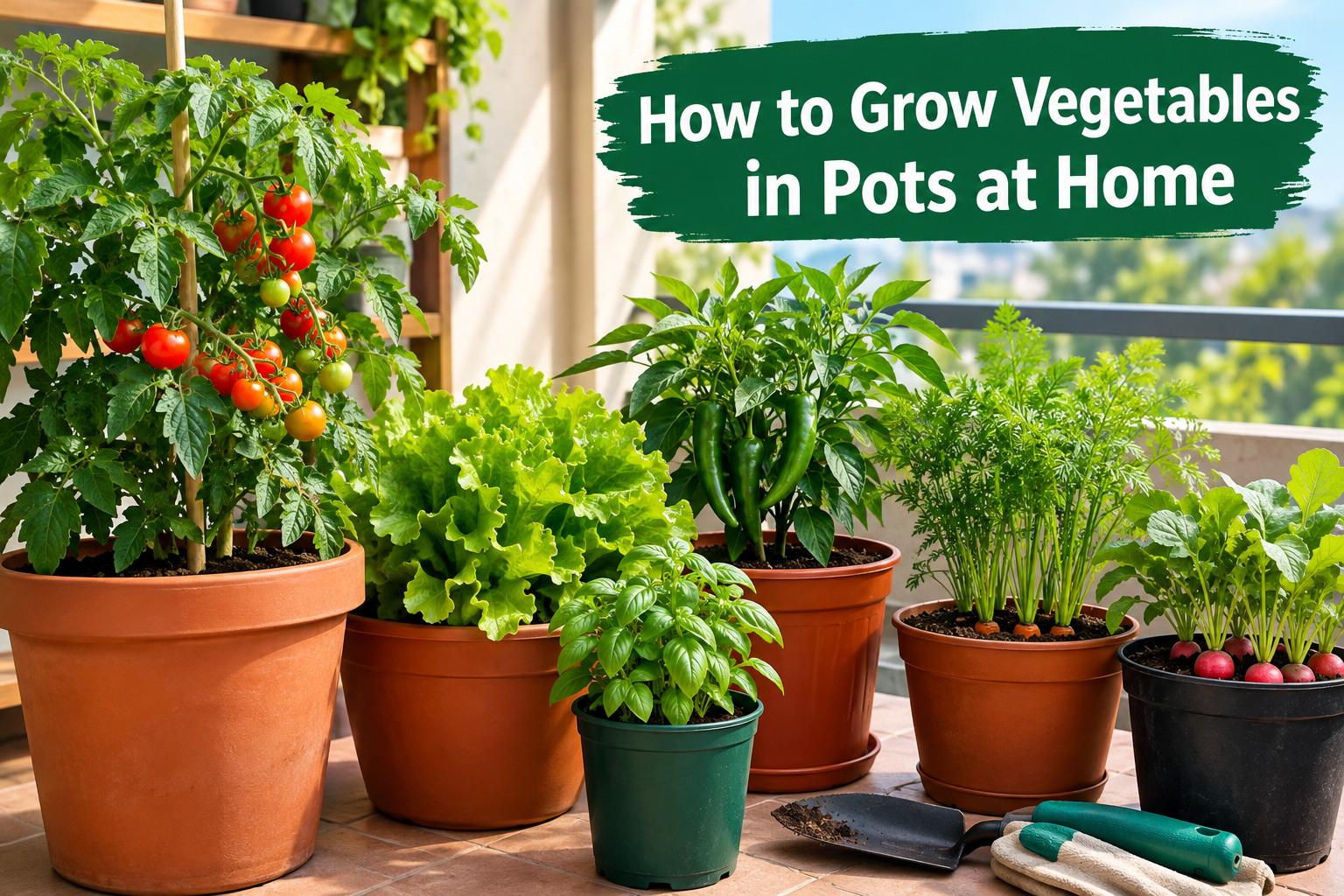
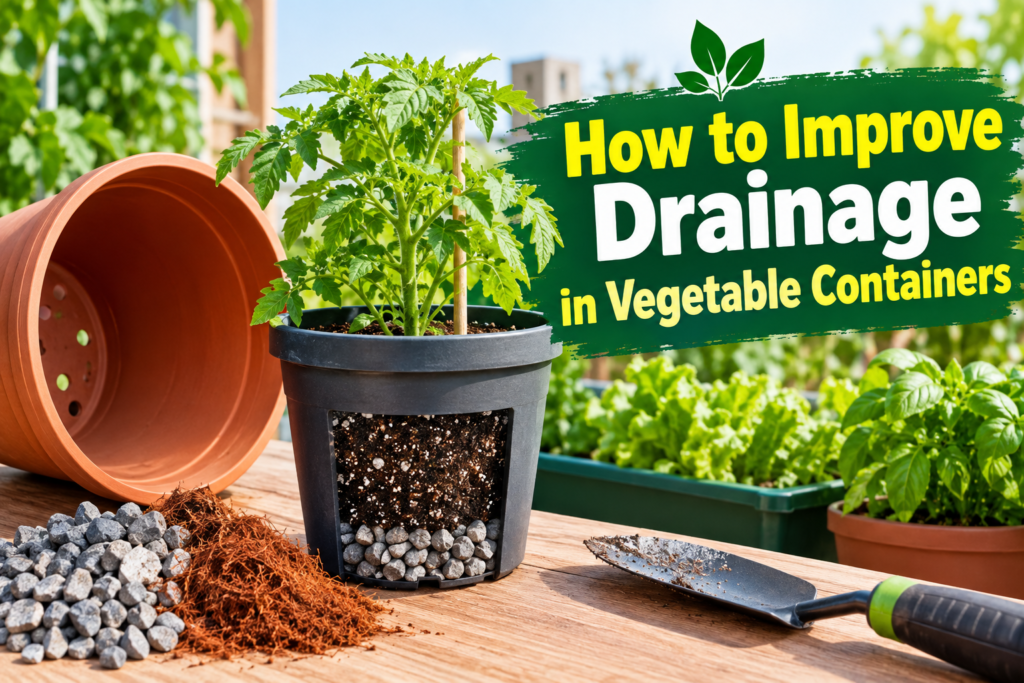
Growing vegetables in containers is a simple way to enjoy fresh produce when you do not have a large garden. However, one problem I have noticed with container gardening is poor drainage. When water stays in a container for too long, vegetable roots can become stressed, growth can slow down, and plants may eventually develop root problems.
Good drainage is just as important as sunlight, quality soil, and regular watering. In fact, I believe many container gardening problems that appear to be related to watering are actually caused by poor drainage. The good news is that improving drainage in vegetable containers does not have to be difficult.
In this article, I will explain the practical methods I use to improve container drainage and keep vegetable plants healthier.
Why Good Drainage Matters
Vegetable roots need both water and air. Water is necessary for growth, but roots also need oxygen around them. When a container remains saturated for long periods, the air spaces in the soil become filled with water.
This can create an unhealthy environment for roots. Plants may start showing symptoms such as yellow leaves, slow growth, wilting, or weak stems. Interestingly, a plant suffering from excessive moisture can sometimes look similar to a plant that needs water.
This is why I always check the soil and drainage before simply adding more water.
Choose Containers With Drainage Holes
The first and most important step is choosing containers with proper drainage holes. Water needs a clear path to leave the bottom of the pot.
Before planting, I always inspect the bottom of a container. If there are no drainage holes, I would not use it for most vegetables unless I can safely add suitable drainage openings.
The number and size of holes should allow excess water to escape without allowing the growing medium to wash away easily. Containers designed specifically for gardening usually have drainage built into their design.
Avoid Containers That Hold Water
Decorative containers can look attractive, but some are designed more for appearance than drainage. If you place a planted pot inside a decorative outer container, check whether water can collect underneath it.
After watering, empty standing water from the outer container when necessary. Leaving the pot sitting in water can keep the growing medium unnecessarily wet.
This small habit can make a noticeable difference, particularly during periods of frequent watering.
Use a Quality Potting Mix
The soil you use has a major effect on container drainage. Ordinary garden soil can become compacted inside a pot, making it difficult for water and air to move through the root area.
For vegetable containers, I prefer a quality potting mix designed for container growing. These mixes are generally lighter and provide better air movement than heavy garden soil.
A good growing medium should hold enough moisture for the plant while still allowing excess water to move away. The exact mixture can vary depending on the vegetable, climate, and container.
Add Organic Material Carefully
Organic materials can improve the structure of a growing medium, but they should be used appropriately. Compost can provide nutrients and improve soil structure, but adding too much may make a container mix retain more moisture than you want.
I prefer to use compost as part of a balanced container mix rather than filling the entire container with compost.
The goal is to create a growing medium that has both moisture retention and good air spaces.
Consider Perlite for Better Drainage
Perlite is a lightweight material commonly added to potting mixes to improve aeration and drainage. Its porous structure helps create spaces within the growing medium.
If your vegetable container mix becomes compacted or stays wet for too long, incorporating perlite can be useful.
However, you do not need to add an excessive amount. A balanced growing medium is more important than trying to make the soil drain as quickly as possible.
Do Not Rely on a Thick Layer of Gravel
One common gardening idea is to put a thick layer of gravel or stones at the bottom of a container to improve drainage. I do not consider this a reliable solution for correcting poorly draining potting soil.
The main drainage system should be the container holes and a suitable growing medium. Simply adding a layer of gravel does not automatically make water move out of the container faster.
Instead, focus on the quality of the potting mix, proper drainage holes, and the overall structure of the container.
Keep Drainage Holes Clear
Even a container with excellent drainage holes can develop problems if the holes become blocked.
Roots, compacted soil, leaves, and other debris can prevent water from escaping. When preparing a container, check the holes before adding your growing medium.
During the growing season, inspect containers occasionally. If you notice that water is taking unusually long to drain, check the bottom of the pot.
A small blockage can sometimes be corrected before it becomes a serious problem.
Use the Right Container Size
Container size also affects drainage. A container that is much larger than necessary can hold a significant amount of moisture, particularly if the plant has a small root system.
At the same time, a container that is too small can dry out quickly and restrict root growth.
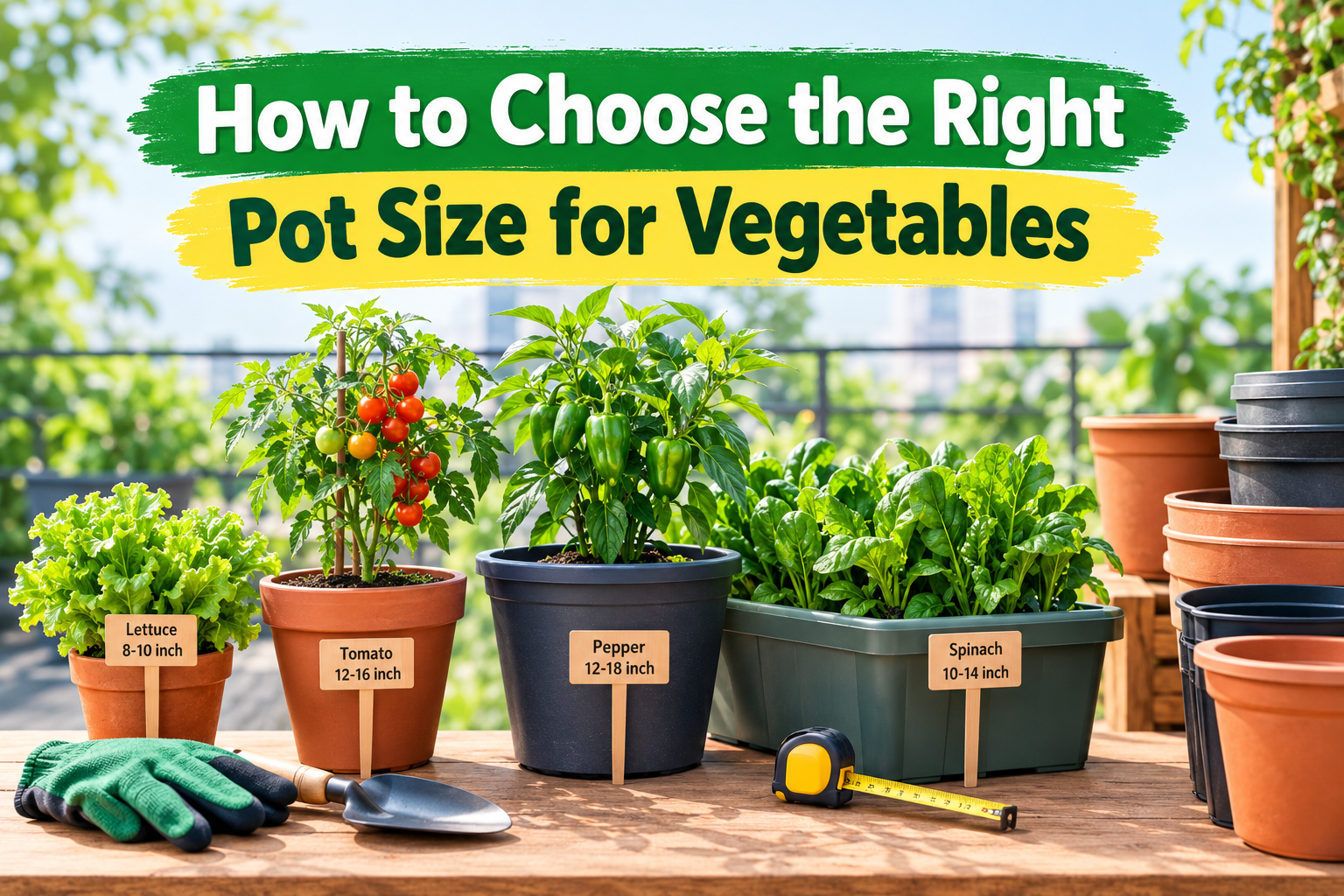
I recommend choosing a container according to the mature size and root requirements of the vegetable. Tomatoes, peppers, cucumbers, and larger vegetables generally need more root space than shallow rooted crops such as lettuce and some herbs.
The right container creates a better balance between moisture retention and drainage.
Avoid Overwatering
Even the best draining container can become problematic if you water too frequently.
Before watering, check the moisture level of the growing medium. Push your finger into the soil a little way and see whether it is still moist below the surface.
If the soil is already wet, there may be no reason to water again.
When I water container vegetables, I prefer to water thoroughly and then allow excess water to drain from the bottom. This is usually better than giving the plant tiny amounts of water repeatedly throughout the day.
Of course, watering needs vary according to temperature, plant size, container material, and weather conditions.
Improve Drainage in Heavy Soil
If you already have a container filled with heavy soil, you may notice that water sits on the surface instead of moving through the pot.
In that situation, simply watering less may not solve the underlying problem.
For an established vegetable that can be safely transplanted, you may consider removing it and replacing the compacted growing medium with a more suitable container mix.
For future containers, I recommend preparing the growing medium correctly before planting. It is much easier to create good drainage at the beginning than to correct severe soil problems later.
Raise Containers Off the Ground
Another useful technique is raising containers slightly above the surface. When a pot sits directly on soil, a deck, or another flat surface, the drainage holes can sometimes become blocked.
Using pot feet, a suitable stand, or another stable support can create space beneath the container.
This allows water to leave the drainage holes more freely. It can also protect surfaces from constant moisture.
Make sure the container remains stable and cannot easily tip over, especially when growing tall vegetables.
Choose Breathable Containers
Container material can also influence moisture management. Terracotta pots are porous and can allow some moisture to move through their sides. Plastic containers generally retain moisture for longer.
Neither option is automatically better for every vegetable. Your local climate and watering habits matter.
In a hot and dry environment, a container that retains moisture may be helpful. In a humid or rainy environment, faster drying and good drainage may be more important.
The best container is the one that matches the conditions in your growing area.
Protect Containers From Heavy Rain
Outdoor vegetable containers can receive a lot of water during heavy rainfall. Even a well designed container can become saturated if several inches of rain fall within a short period.
If possible, move smaller containers to a sheltered location during extremely heavy rain. Larger containers can be positioned where rainwater does not collect around the base.
Good drainage becomes especially important during rainy weather because you cannot control how much water arrives from above.
Signs Your Vegetable Container Has Poor Drainage
There are several signs that can indicate drainage problems. Yellowing leaves are one possible symptom, especially when the growing medium remains constantly wet.
Other signs include a bad smell from the soil, slow plant growth, soft roots, mold on the soil surface, and water that remains on top of the growing medium for an extended period.
If you notice these signs, inspect the drainage holes and check the condition of the soil before changing your watering routine.
Best Practices for Healthy Container Drainage
For me, successful vegetable container gardening comes down to a few simple habits. Start with a container that has proper drainage holes. Use a suitable potting mix rather than heavy garden soil. Choose the container size according to the vegetable you are growing.
Water according to the plant’s needs instead of following a rigid schedule. Check the soil before watering and make sure excess water can escape freely.
It is also useful to monitor your containers after heavy rain and during very hot weather. The needs of your plants can change throughout the growing season.
Final Thoughts
Improving drainage in vegetable containers is one of the easiest ways to create healthier growing conditions. You do not need complicated equipment or expensive gardening products. In most cases, the solution starts with proper drainage holes, suitable potting soil, correct container size, and sensible watering.
I believe the most important thing is to understand that vegetable plants need moisture, but they also need oxygen around their roots. Good drainage creates that balance.
Whether you are growing tomatoes on a balcony, lettuce on a patio, peppers near a sunny window, or other vegetables in containers, paying attention to drainage can make your gardening experience much easier.
Start with the basics, observe how quickly your containers dry after watering, and adjust your approach according to your plants and local conditions. With a little attention, you can create vegetable containers that stay well drained, productive, and healthy throughout the growing season.