 dolphinshave2stomachs
Related Articles
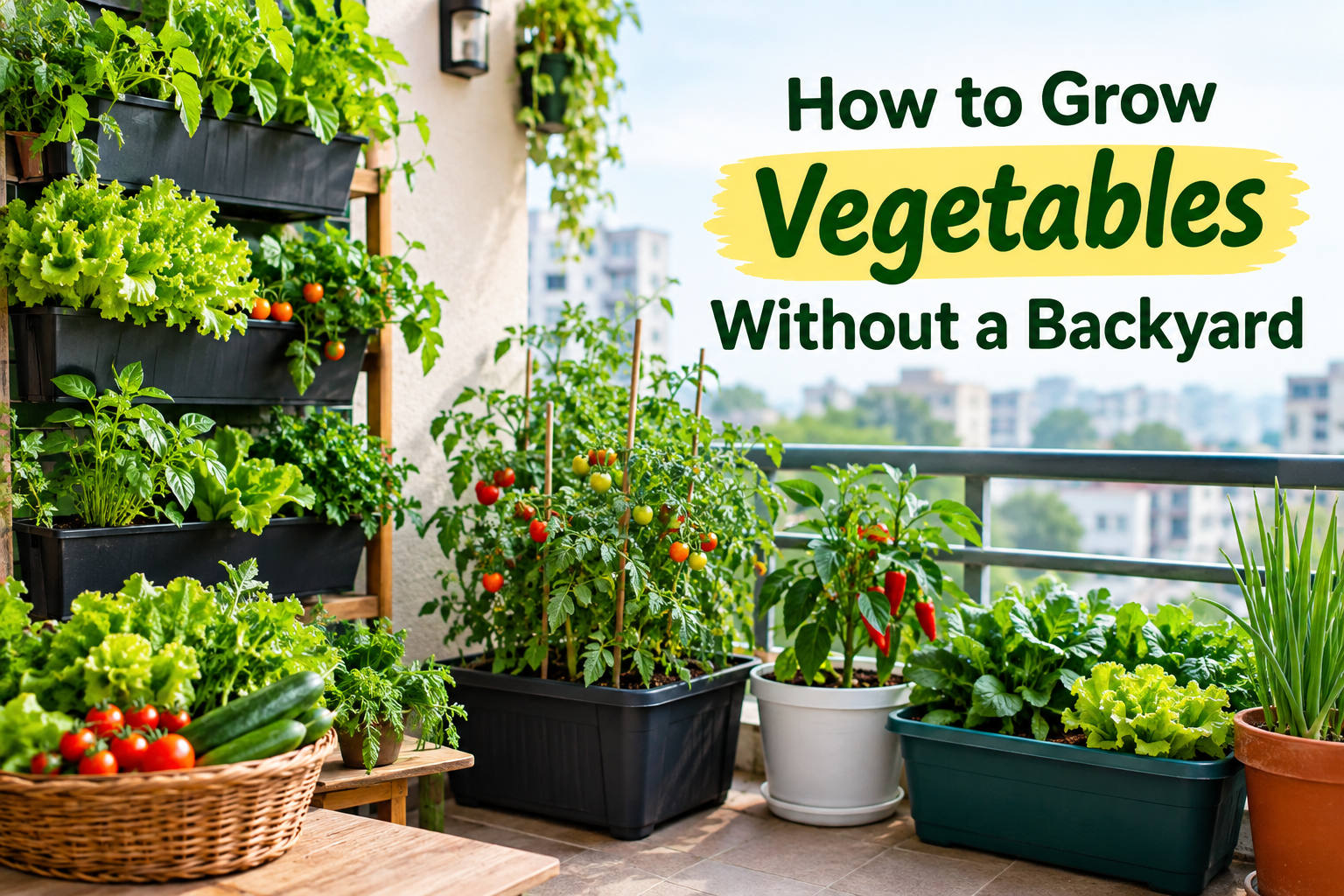
Growing vegetables at home does not always require a large garden. In my experience, even a small balcony, patio, rooftop, windowsill, or a few containers can become a productive vegetable garden when the right plants are selected. The key is to choose vegetables that grow well in containers, do not require too much room, and can provide a useful harvest from a limited area.
Small space gardening has become popular because many people want fresh vegetables but do not have access to a traditional garden. Fortunately, several vegetables are naturally suited to container gardening and compact growing areas. With good sunlight, quality soil, regular watering, and a little attention, you can grow fresh produce even in a surprisingly small space.
In this article, I will share some of the best vegetables for small spaces and explain how you can grow them successfully at home.
Why Choose Vegetables for Small Spaces?
The biggest advantage of growing vegetables in a small area is convenience. You can keep containers close to your kitchen, making it easy to check plants and harvest vegetables when needed.
Another benefit is that container gardening gives you better control over the growing environment. You can choose the soil, move containers when necessary, and place plants where they receive suitable sunlight.
I also find small space gardening easier to manage than a large garden. You do not need to prepare a huge area or spend hours removing weeds. A few well selected vegetables can provide a steady supply of fresh food throughout the growing season.
1. Lettuce
Lettuce is one of the easiest vegetables to grow in a small space. It has shallow roots, so it does not require a very deep container. You can grow several plants together in a wide pot or rectangular planter.
Lettuce also grows relatively quickly, which makes it satisfying for beginners. Instead of waiting for the entire plant to mature, you can harvest individual leaves as needed.
For the best results, place lettuce where it receives good sunlight but can get some protection from excessive afternoon heat. Keep the soil consistently moist without making it waterlogged.
2. Radishes
Radishes are excellent vegetables for container gardening because they grow quickly and require limited space. A container that is reasonably deep can provide enough room for their roots to develop.
One thing I particularly like about radishes is their short growing period. This makes them useful when you want to get results quickly.
Sow the seeds directly into the container and avoid disturbing the young plants unnecessarily. Keep the soil moist and provide enough sunlight. You can plant new seeds after harvesting to maintain a continuous supply.
3. Green Onions
Green onions are another practical choice for small gardens. They take up very little space and can be grown in pots, containers, or narrow planters.
You can grow them from seeds, small bulbs, or even regrow some kitchen scraps under suitable conditions. Their narrow growth habit means you can fit many plants into a limited area.
Green onions are particularly useful because you can harvest the green tops as needed. Regular harvesting can provide fresh flavor for salads, soups, sauces, and other meals.
4. Spinach
Spinach is a great option if you want a leafy vegetable that does not require much room. It can grow successfully in containers and does not need a large root area.
A wide container works well because you can sow multiple seeds across the surface. Keep the soil fertile and consistently moist for healthy leaf growth.
In warmer weather, spinach may struggle with excessive heat. Providing some afternoon shade can help protect the plants. I recommend harvesting younger leaves because they are tender and useful for everyday cooking.
5. Carrots
Many people assume carrots require a large garden, but that is not necessarily true. Short or miniature carrot varieties can grow well in containers.
The important thing is choosing a container with enough depth for the variety you are growing. The soil should also be loose and free from large stones because compacted soil can cause poorly shaped roots.
Growing carrots in containers can also make harvesting easier. Once the roots reach their expected size, you can gently remove them from the soil and enjoy freshly harvested carrots.
6. Cherry Tomatoes
Cherry tomatoes can be an excellent choice for balconies, patios, and other small growing areas. They can produce a surprisingly large harvest when given enough sunlight and proper support.
The main consideration is choosing a compact or container friendly variety. Some tomato plants can become quite large, so selecting the right type is important when space is limited.
Tomatoes generally need plenty of sunlight, regular watering, and nutrient rich soil. A support structure can help keep the plant upright and prevent branches from spreading across your limited growing area.
7. Bush Beans
Bush beans are useful for small gardens because they generally have a compact growth habit compared with climbing bean varieties.
They can grow well in containers when planted in suitable soil and placed in a sunny location. Regular harvesting encourages you to keep the plants productive during the growing season.
When choosing beans for a small space, look for compact varieties rather than plants that require tall trellises. This makes it easier to manage the garden on a balcony or small patio.
8. Peppers
Peppers are among my favorite vegetables for container gardening. A healthy pepper plant can produce multiple fruits without taking up a huge amount of floor space.
Both sweet peppers and hot peppers can be grown in containers. Choose a pot that provides enough room for the roots and place it in a sunny location.
Peppers generally appreciate warm conditions, but watering should still be monitored carefully. The soil should remain evenly moist without staying saturated.
9. Cucumbers
Cucumbers can also be grown in small spaces if you use vertical gardening techniques. Instead of allowing the vines to spread across the ground, provide a trellis or other suitable support.
This approach allows the plant to use vertical space rather than valuable floor space. It can be especially useful on balconies and compact patios.
When growing cucumbers in containers, select compact or container friendly varieties. Regular watering is important because cucumber plants can become stressed when the soil dries out too much.
10. Kale
Kale is another leafy vegetable that works well in containers. It can provide a steady supply of leaves while taking up relatively little space.
A medium sized container can work well for one or more plants depending on the variety. Give kale good sunlight and keep the soil fertile.
One advantage of kale is that you can harvest the outer leaves while allowing the center of the plant to continue producing new growth.
How to Choose the Right Containers
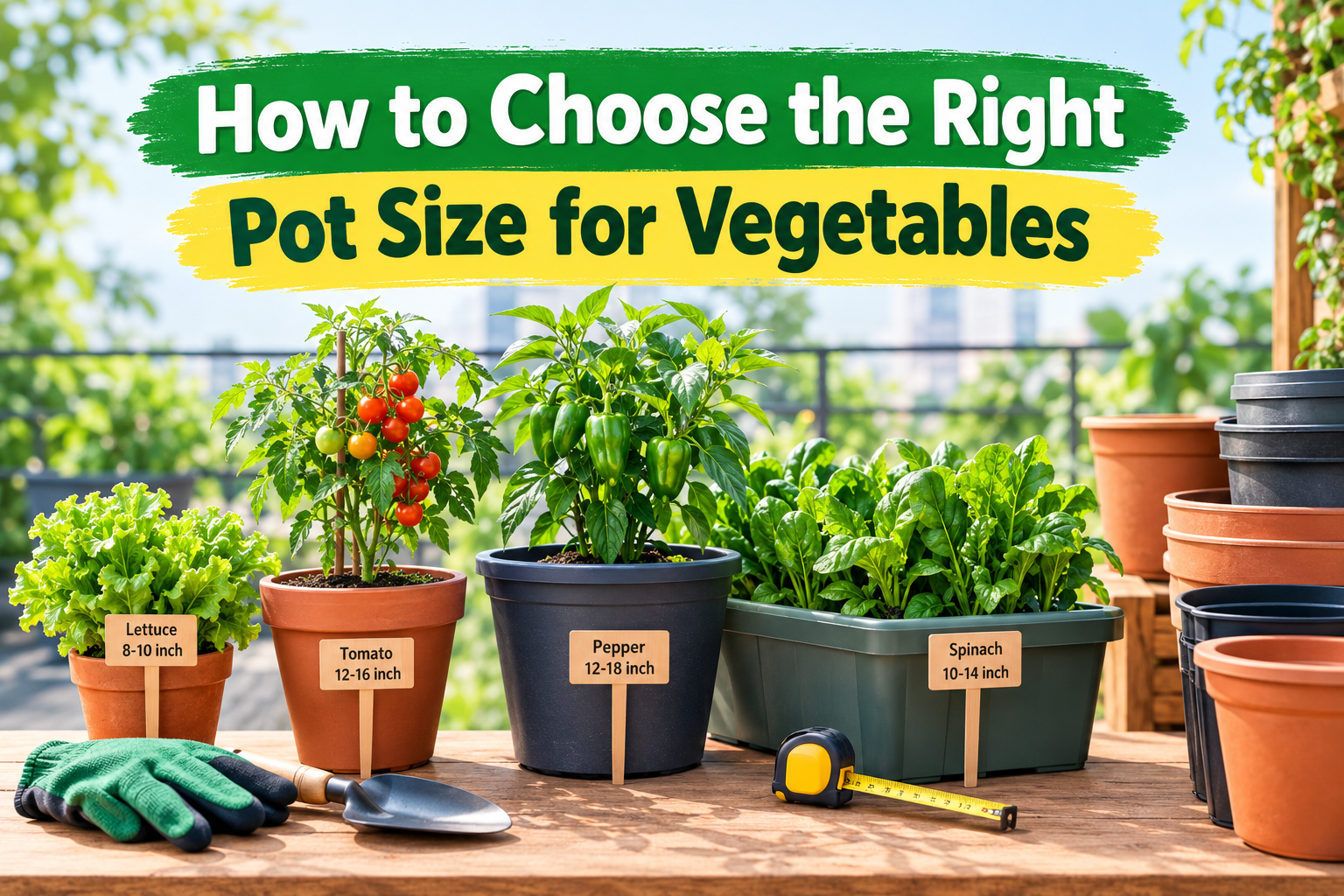
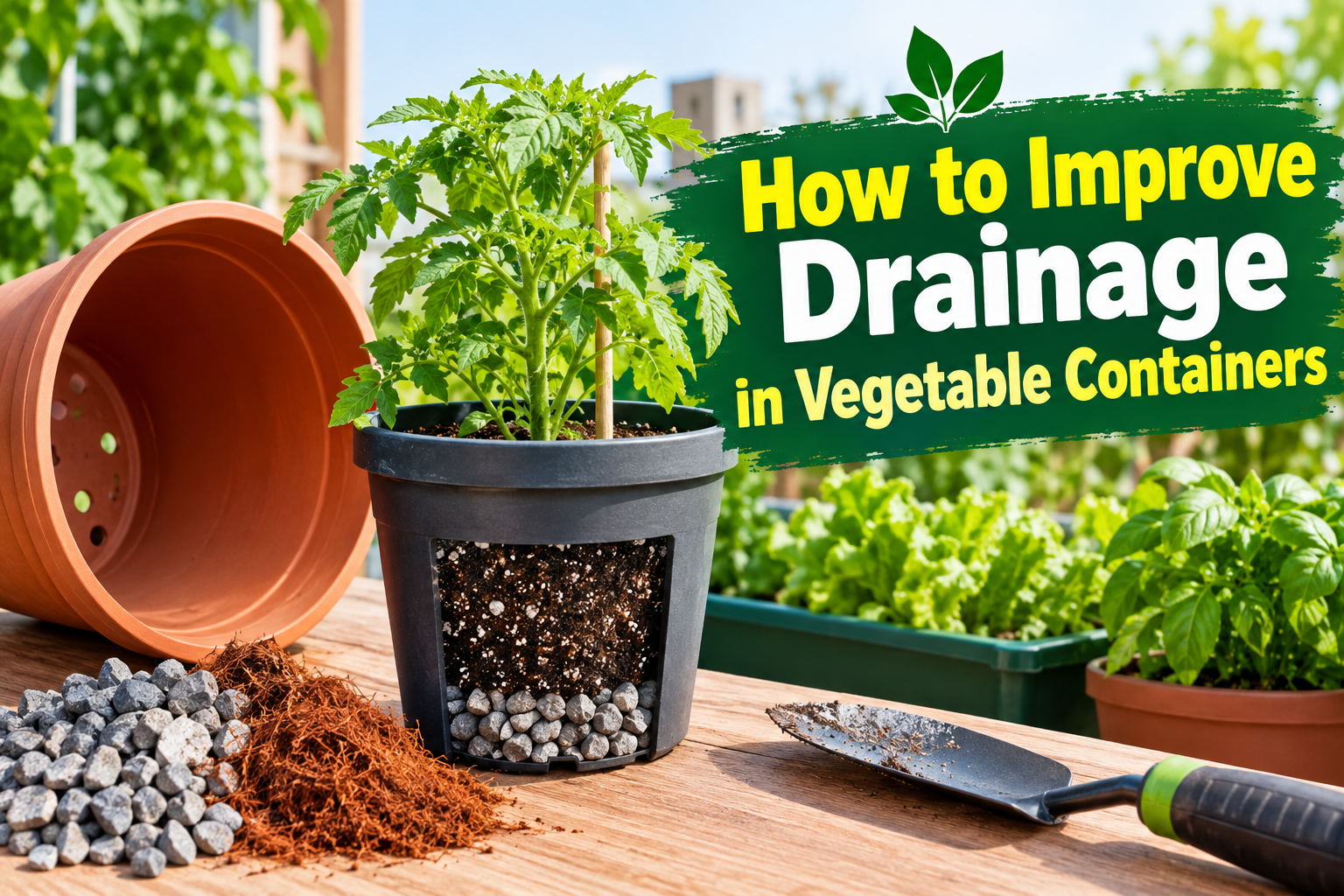
Choosing the right container is just as important as choosing the vegetable. Make sure every container has drainage holes at the bottom. Excess water needs somewhere to escape because constantly wet soil can damage roots.
The size of the container should match the vegetable. Shallow rooted crops such as lettuce and radishes can grow in relatively shallow containers, while tomatoes, carrots, and peppers usually benefit from more root space.
I also recommend using lightweight containers if you are gardening on a balcony. Remember that wet soil can become surprisingly heavy.
Use Vertical Space
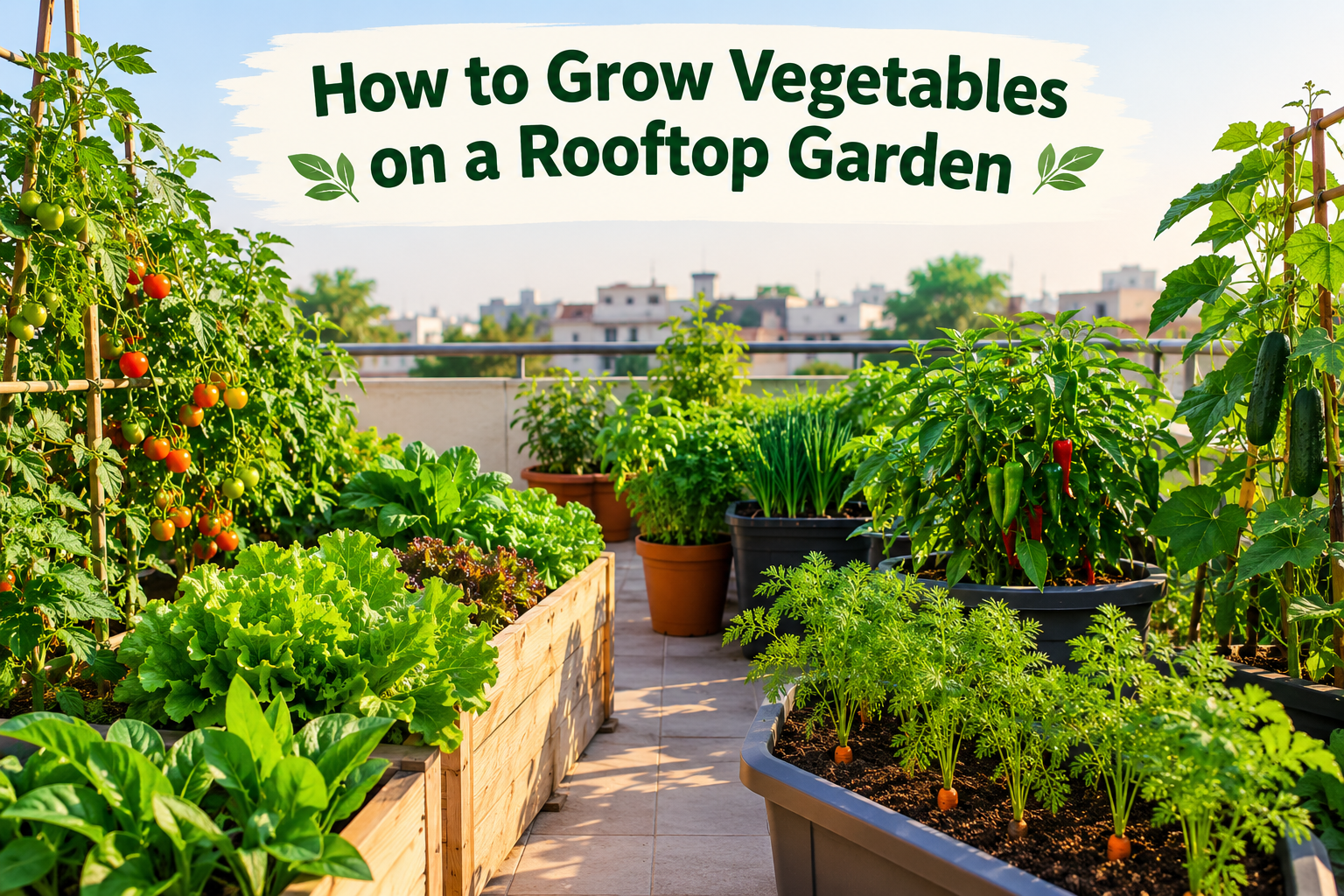
When floor space is limited, look upward. Vertical gardening can make a major difference in a small vegetable garden.
Trellises can support cucumbers, climbing beans, and certain tomato varieties. Shelves can also help you arrange smaller containers efficiently.
However, make sure tall plants do not block sunlight from shorter vegetables. Arrange your containers according to plant height so that each vegetable gets enough light.
Give Your Vegetables Enough Sunlight
Sunlight is one of the most important factors for successful vegetable gardening. Many vegetables need several hours of direct sunlight each day, although the exact requirement varies between crops.
Before placing your containers, observe the area throughout the day. A balcony may receive morning sunlight but become shaded later. Another location may receive strong afternoon sun.
Understanding your available sunlight will help you choose vegetables that are suitable for your particular space.
Do Not Overcrowd Your Plants
When space is limited, it can be tempting to plant as many vegetables as possible in one container. I have found that overcrowding usually creates more problems than benefits.
Plants need enough room for their roots, leaves, air circulation, and access to sunlight. Follow the spacing recommendations for the variety you are growing.
A smaller number of healthy plants can often provide a better harvest than a crowded container full of stressed plants.
Use Quality Soil
Good soil makes a noticeable difference in container gardening. Garden soil taken directly from the ground can become heavy and compacted inside containers.
A good quality container growing mix can provide better drainage and root development. Adding suitable organic material can also help improve soil quality.
Since container plants have limited access to nutrients, occasional feeding may be useful depending on the crop and the growing mix you use.
Watering Small Vegetable Gardens
Containers can dry out faster than garden beds, especially during hot weather. Check the soil regularly instead of following a strict watering schedule.
If the top layer feels dry, the plant may need water. Water slowly until some moisture drains from the bottom of the container.
At the same time, avoid keeping the soil constantly soaked. Good drainage is essential for healthy roots.
Final Thoughts
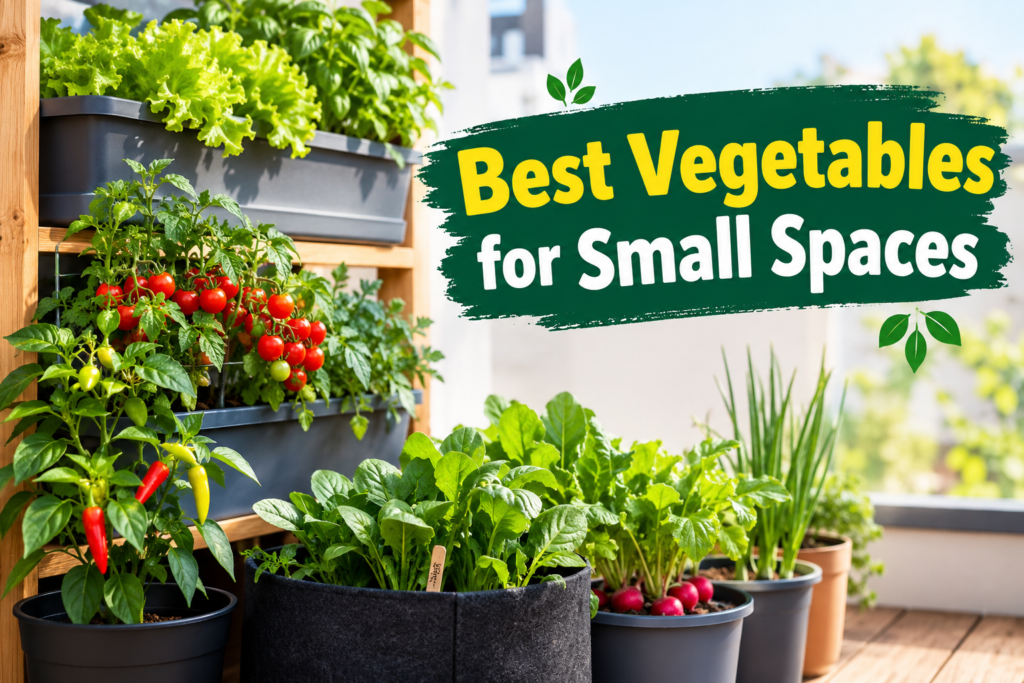
Growing vegetables in a small space is completely possible when you select suitable plants and use your available area wisely. Lettuce, radishes, green onions, spinach, carrots, cherry tomatoes, bush beans, peppers, cucumbers, and kale are all useful options for compact gardens.
In my opinion, the best approach is to start with a few vegetables rather than trying to grow everything at once. Learn how much sunlight your space receives, understand how quickly your containers dry out, and pay attention to how each plant responds.
Small space vegetable gardening can be simple, productive, and enjoyable. Even a few containers can give you fresh vegetables while adding greenery to your home. With the right vegetables, suitable containers, good soil, and regular care, you can turn almost any small sunny area into a productive home vegetable garden.