 dolphinshave2stomachs
Related Articles
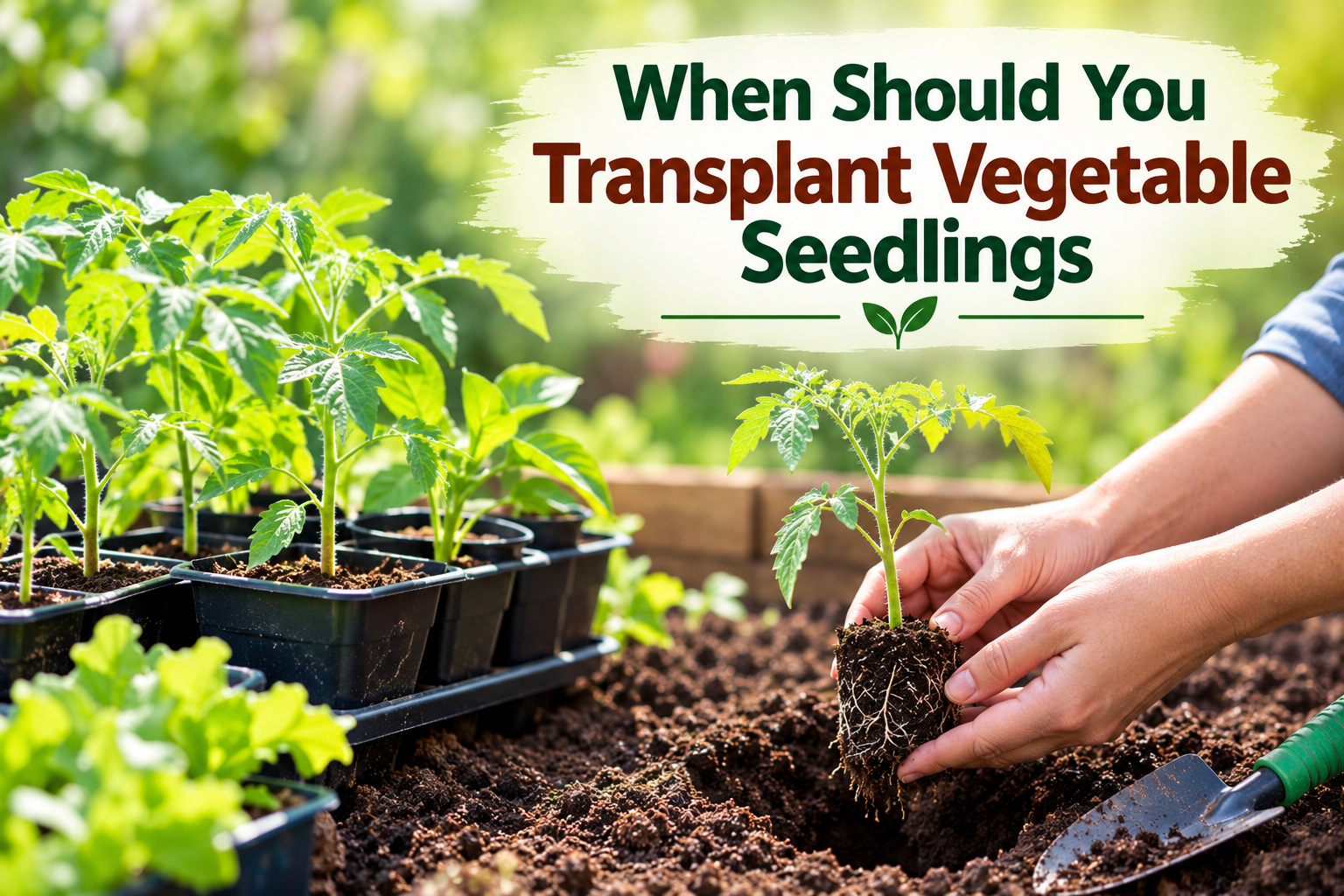
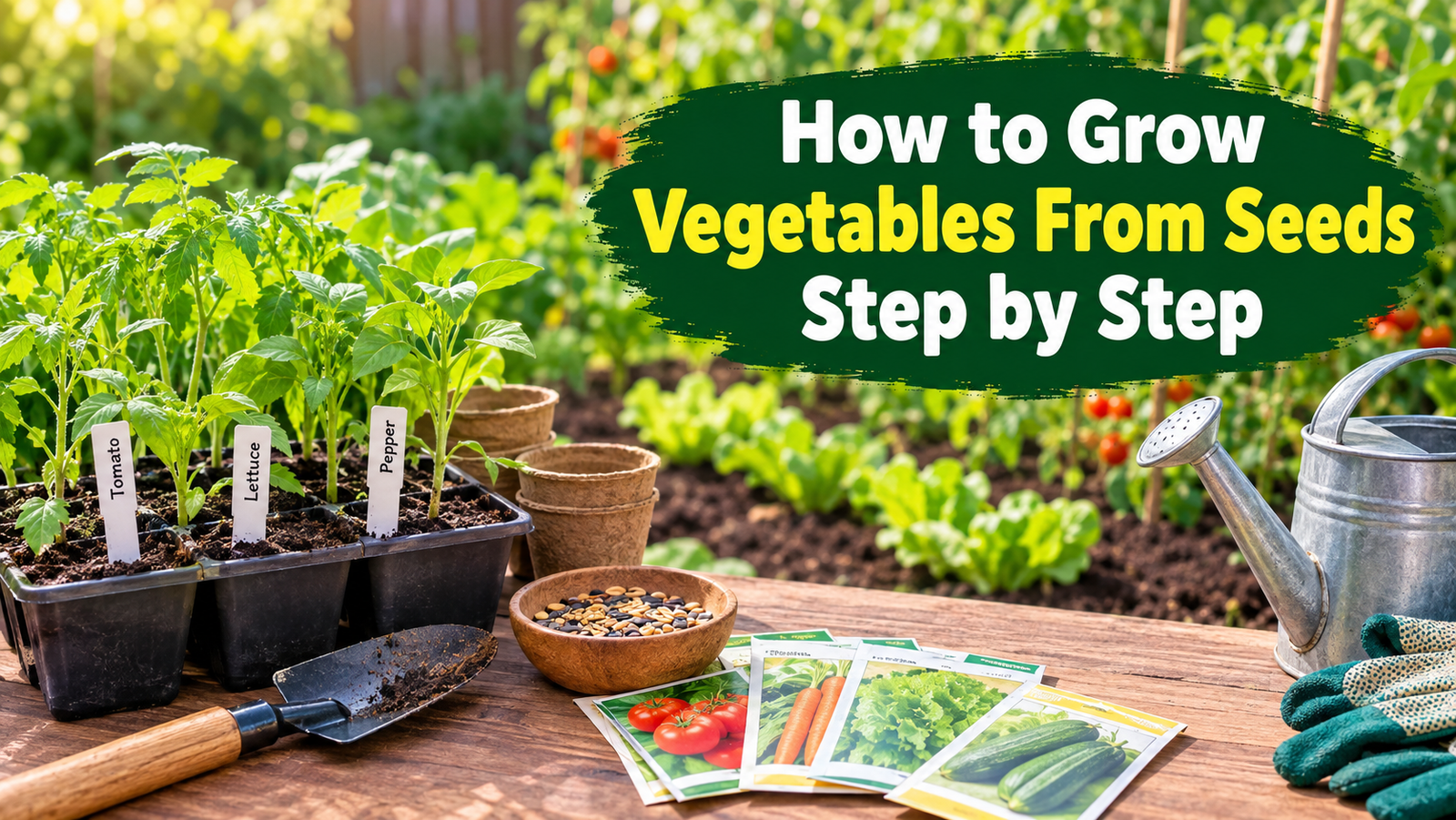
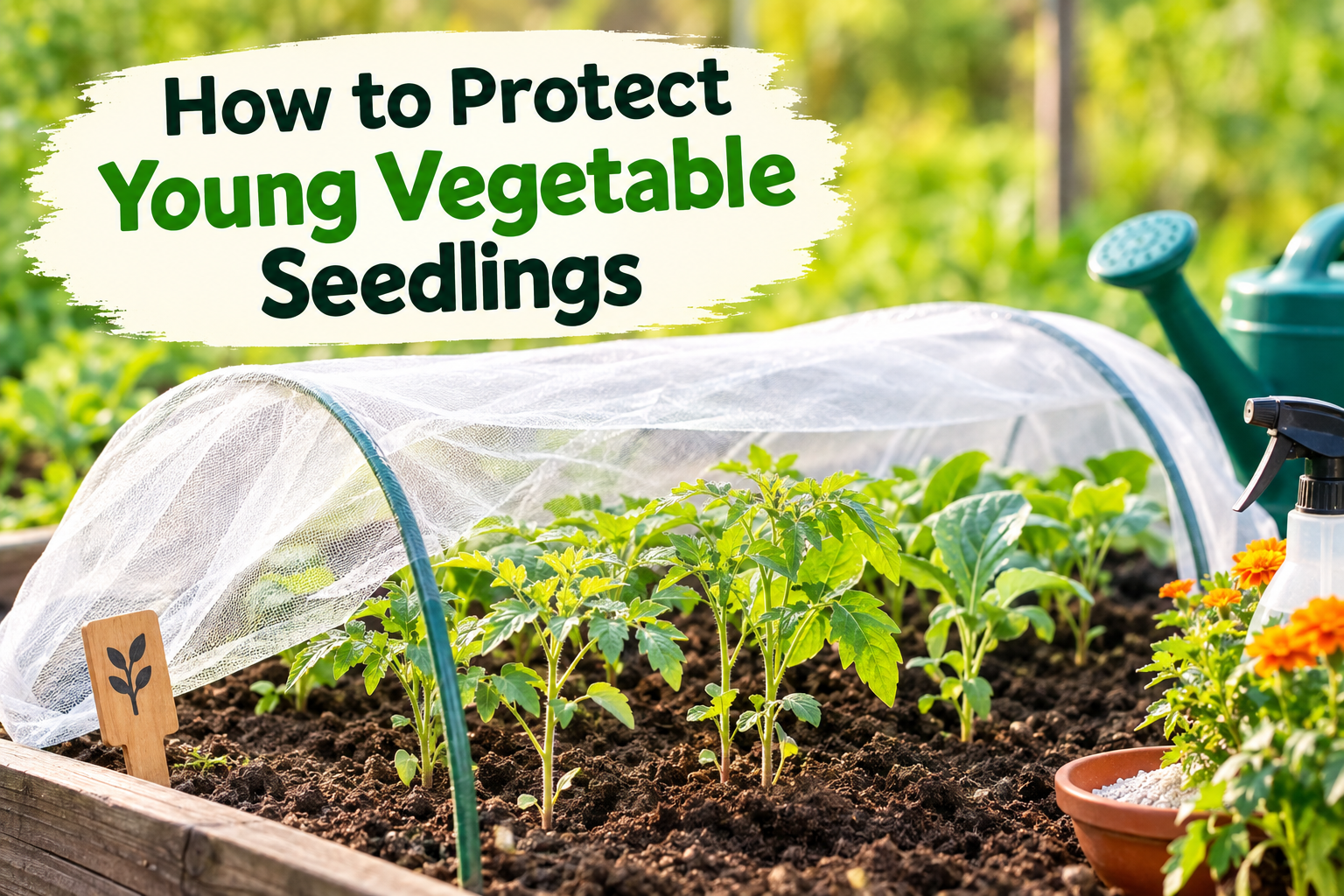
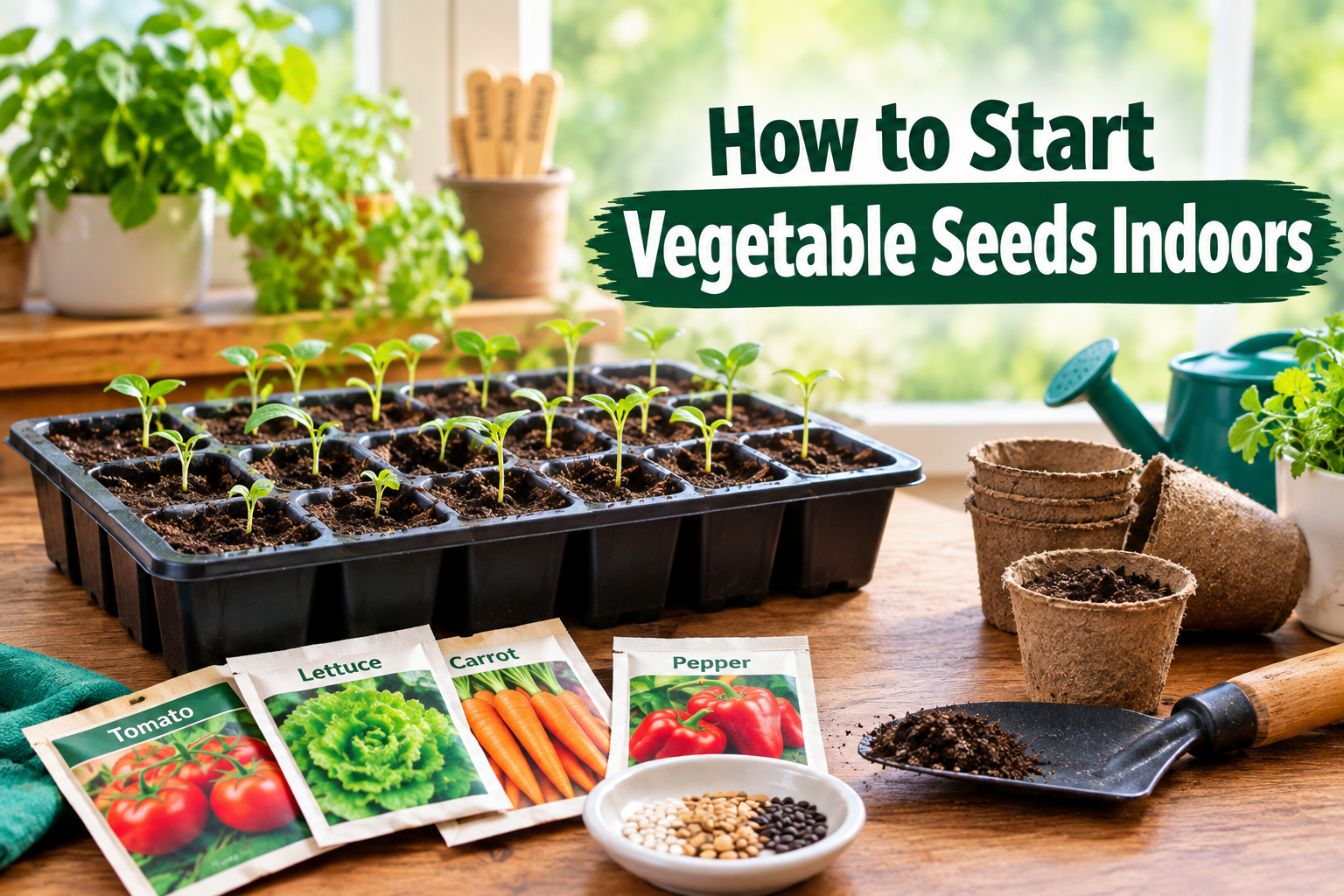
Starting vegetables from seeds is one of my favorite parts of gardening. It is exciting to see a tiny seed open, send out a root, and eventually become a healthy young plant. At the same time, seed starting can be frustrating when seeds fail to sprout or seedlings become weak shortly after emerging.
I have learned that most seed starting problems are not caused by complicated gardening issues. They usually come from a few simple mistakes involving water, soil, temperature, light, planting depth, or timing. The good thing is that these mistakes are easy to avoid once you understand what young seeds and seedlings actually need.
In this guide, I will share the common seed starting mistakes beginners should avoid and the simple ways I use to give vegetable seeds a healthier start.
Using Old or Poor Quality Seeds
One of the first things I check before starting seeds is their quality. Seeds do not remain viable forever. Their ability to germinate can decrease as they age, especially if they have been stored in warm or humid conditions.
This does not mean every older seed is useless. Some vegetable seeds can remain viable for several years when stored properly. However, if you have seeds that have been sitting in a hot or damp place, poor germination may be the reason your results are disappointing.
I prefer buying fresh seeds from a reliable source and storing unused packets in a cool, dry location. If I am unsure about an older packet, I test a small number of seeds before planting a large batch.
Planting Seeds Too Deep
Planting depth is another common seed starting mistake. Beginners sometimes assume that putting a seed deeper into the soil will protect it and help it grow. In reality, many small seeds need to be planted very close to the surface.
A seed contains a limited amount of stored energy. The young shoot needs enough energy to reach the surface. When a small seed is buried too deeply, it may struggle to emerge.
Always check the recommended planting depth for the vegetable you are growing. Small seeds often need only a light covering of growing medium, while larger seeds can usually be planted deeper.
Using Heavy Garden Soil
Regular garden soil is not always suitable for starting seeds indoors. It can be heavy, compact easily, and may not provide the drainage and air circulation that young roots need.
For seed starting, I prefer a light and well drained growing medium designed for seedlings. The goal is to create an environment where roots can develop easily while the seed receives enough moisture and oxygen.
A suitable seed starting mix can also make watering easier because it usually holds moisture without becoming excessively compacted.
Overwatering the Seeds
Water is essential for germination, but too much water can create serious problems. Seeds need moisture to begin the germination process, but they also need oxygen.
When soil remains constantly saturated, roots may not receive enough oxygen. Excess moisture can also encourage fungal problems and cause young seedlings to collapse.
I find it better to keep the growing medium evenly moist rather than soaking it repeatedly. Check the surface regularly and water gently when needed.
Allowing the Soil to Dry Completely
The opposite problem can be just as damaging. If newly planted seeds dry out completely, the germination process can stop or the developing seedling can die.
This is particularly important when using small containers or seed trays because they can dry faster than larger garden beds.
I recommend checking seed trays regularly, especially during warm or dry weather. A consistent moisture level gives seeds a much better environment for germination.
Ignoring Temperature
Temperature plays an important role in vegetable seed germination. Different vegetables have different temperature preferences.
Warm season crops such as tomatoes, peppers, cucumbers, and squash generally perform better in warmer conditions. Cool season vegetables such as lettuce and some leafy greens can germinate under cooler conditions.
One of the mistakes I see often is starting warm season seeds when the environment is still too cold. The seeds may remain inactive or germinate very slowly.
Before planting, check the recommended temperature range for the vegetable. If you are starting seeds indoors, choose a location where temperatures remain reasonably stable.
Giving Seedlings Too Little Light
Once seedlings emerge, light becomes extremely important. A seedling that does not receive enough light can become tall, thin, and weak.
This is commonly called leggy growth. The plant stretches toward the available light instead of developing a strong and compact shape.
When I start seeds indoors, I place seedlings in a bright location. If natural sunlight is not sufficient, a suitable grow light can help provide consistent illumination.
The important thing is to give young plants enough light soon after they emerge rather than waiting until they become stretched and weak.
Starting Seeds at the Wrong Time
Timing is another important part of successful seed starting. Every vegetable has its preferred growing season.
Starting seeds too early can leave seedlings indoors for too long. They may become crowded or weak before outdoor conditions are suitable. Starting too late can also cause problems because plants may not have enough time to mature before the season changes.
I like to work backward from the expected outdoor planting date. Check the seed packet for information about when the vegetable should be started indoors or planted directly outside.
Planting Too Many Seeds Together
It can be tempting to fill every space in a seed tray with seeds. However, overcrowding can quickly become a problem once the seedlings emerge.
Crowded seedlings compete for light, water, air, and nutrients. Their roots may also become tangled, making transplantation more difficult.
I prefer giving each seedling enough space to develop. If several seedlings emerge in the same cell, thinning may be necessary.
Although removing a healthy looking seedling can feel difficult, thinning often gives the strongest plants a better chance to develop.
Forgetting Drainage Holes
Containers without proper drainage can hold too much water. This is especially risky for young seedlings because their roots are delicate.
Before using containers, I always make sure excess water has somewhere to go. Seed trays and pots should have suitable drainage openings.
Good drainage does not mean the soil should dry quickly. It simply prevents water from remaining around the roots for too long.
Watering With Too Much Force
Newly planted seeds are easy to disturb. Using a strong stream of water can move seeds around, expose them, or bury them deeper than intended.
For this reason, I prefer gentle watering when starting seeds. A fine spray or gentle stream works much better for small seedlings.
The goal is to moisten the growing medium without creating holes or disturbing the seeds.
Ignoring Humidity
Humidity can influence how quickly seeds and young seedlings lose moisture. In some indoor seed starting setups, a cover can help maintain moisture during germination.
However, keeping a container completely closed for too long can increase humidity excessively and encourage fungal growth.
If you use a humidity cover, monitor the growing medium and provide ventilation when appropriate. Once seedlings emerge, good airflow becomes increasingly important.
Handling Seedlings Roughly
Young seedlings are delicate. Their stems and roots can be damaged easily during transplanting.
When moving seedlings, I try to handle them carefully and avoid pulling directly on their stems. It is better to handle them by the leaves when possible and support the root area gently.
Giving seedlings time to develop a healthy root system before transplanting can also make the process easier.
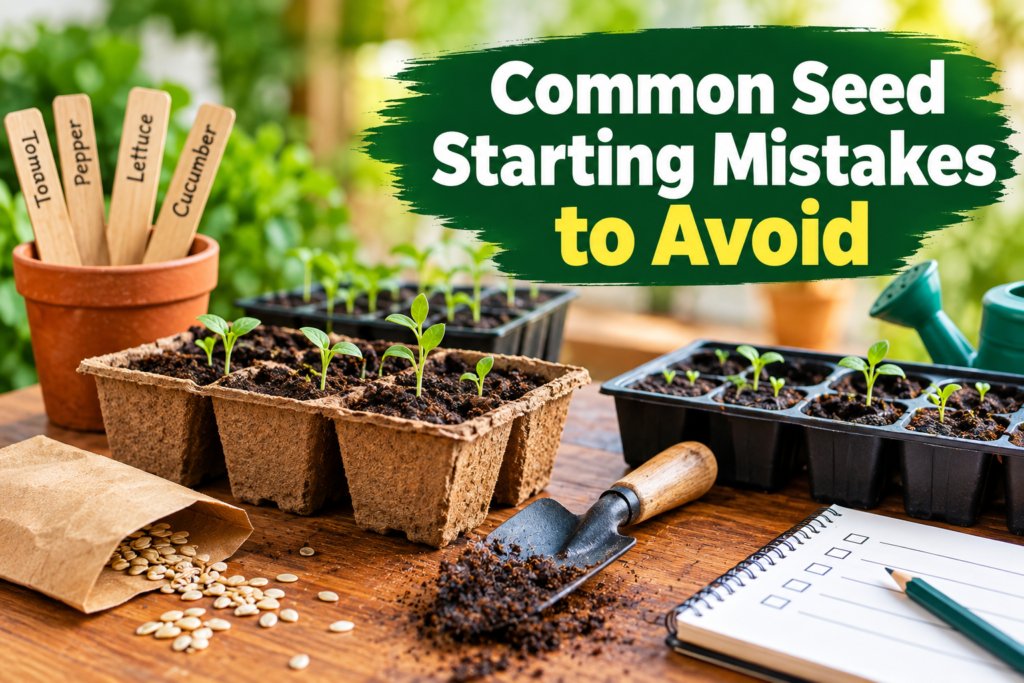
Forgetting to Label Seed Trays
This may sound like a small issue, but labeling seed trays can save a lot of confusion later.
When several vegetables are started at the same time, young seedlings can look surprisingly similar. Without labels, it becomes easy to forget which variety is growing in each container.
I recommend labeling each tray or container with the vegetable name and planting date. This also helps you keep track of germination times and future planting schedules.
Fertilizing Too Early
Seeds already contain stored nutrients that help support the early stages of development. Newly germinated seedlings usually do not need heavy feeding immediately.
Adding too much fertilizer too early can damage delicate roots. Once seedlings develop and begin actively growing, they may benefit from appropriate nutrition depending on the growing medium.
I prefer keeping the early stages simple. Good growing medium, proper moisture, suitable temperature, and adequate light are more important than adding lots of fertilizer.
Ignoring Air Circulation
Good airflow is often overlooked when starting seeds indoors. Seedlings need fresh air, and stagnant conditions can create an environment where fungal problems develop more easily.
Once seedlings have emerged, gentle air movement can help keep the growing environment healthier and encourage stronger stems.
The airflow does not need to be strong. The main goal is to avoid a constantly stagnant and overly humid environment.
Expecting Every Seed to Germinate
Another common mistake is assuming that every planted seed should germinate. Even with excellent care, germination rates are not always 100 percent.
Seed age, storage conditions, temperature, moisture, and natural differences between seeds can all affect results.
Instead of becoming discouraged when a few seeds fail, I look at the overall germination rate. If most seeds have sprouted and are growing well, the process is generally working.
Final Thoughts
Starting vegetable seeds successfully is mostly about paying attention to the basics. The most common seed starting mistakes include using poor quality seeds, planting too deeply, overwatering, allowing the soil to dry out, using heavy soil, providing insufficient light, and ignoring temperature.
I have found that a simple and consistent approach usually produces better results than trying too many techniques at once. Start with good seeds, use a suitable growing medium, maintain steady moisture, provide appropriate temperature and light, and give young seedlings enough room to grow.
Seed starting becomes much easier with practice. Once you understand what your vegetables need during their earliest stage, you can avoid many common problems and raise stronger seedlings for your garden. A healthy beginning gives your vegetable plants a much better foundation for the rest of the growing season.